All About Common Tansy (Tanacetum vulgare)
Common tansy, scientifically known as Tanacetum vulgare, is a flowering plant that belongs to the Asteraceae family. This versatile and resilient plant has a rich history of cultivation and use in various cultures around the world. From its ornamental value to its medicinal properties, common tansy has carved out an important place in horticulture, herbalism, and traditional medicine.
In this comprehensive guide, we will delve into the various facets of common tansy, covering its cultural significance, uses, preferred growing conditions, propagation methods, potential diseases and pests, and much more. Whether you’re a seasoned gardener, a plant enthusiast, or simply curious about this intriguing botanical specimen, join me as we explore the fascinating world of common tansy.
What is Common Tansy: Tanacetum vulgare?
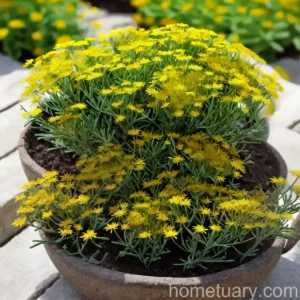
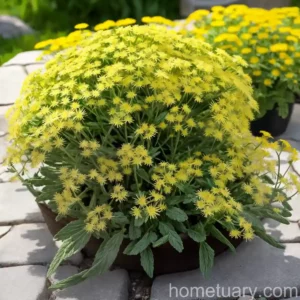
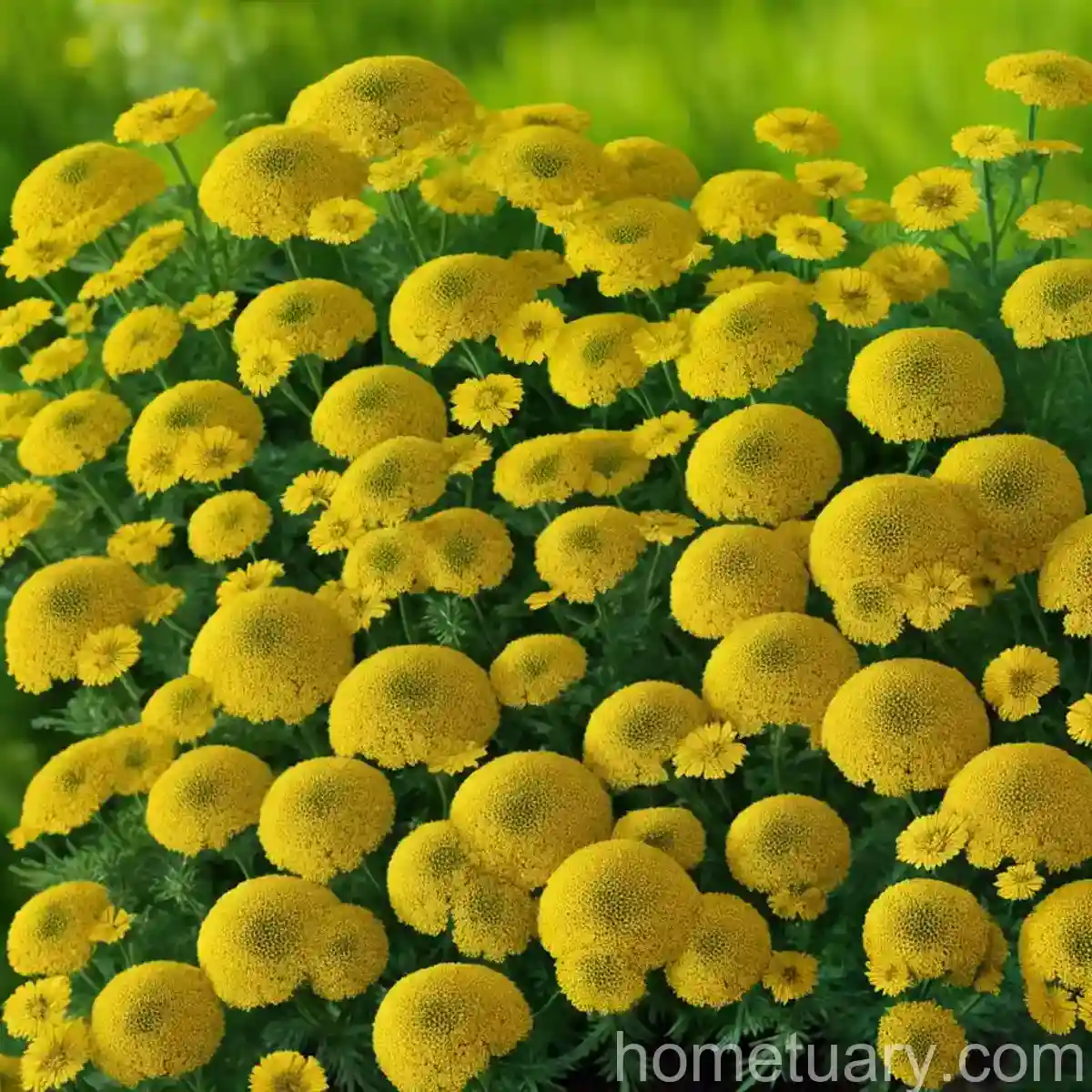
Common tansy, also known as golden buttons or bitter buttons, is a herbaceous perennial plant native to Europe and Asia but has significantly naturalized in North America. It typically grows to a height of 0.5 to 1.5 meters and is characterized by its distinctive fern-like leaves and tightly packed yellow button-like flowers. The plant blooms during the summer months, adding vibrant splashes of color to gardens and natural landscapes.
Key Takeaways – Common Tansy (Tanacetum vulgare)
Before we delve deeper into the nuances of common tansy, let’s outline the key takeaways pertaining to this fascinating plant:
- Botanical Name: Tanacetum vulgare
- Common Names: Common tansy, golden buttons, bitter buttons
- Family: Asteraceae
- Native Habitat: Europe and Asia
- Cultural Significance: Ornamental, medicinal, and ecological uses
- Growth Characteristics: Herbaceous perennial with yellow button-like flowers
- Uses: Herbal remedies, insect repellant, companion planting, ornamental purposes, traditional medicine
- Challenges: Potential invasiveness, toxicity to livestock, management of growth in landscaping
Now that we have an overview, let’s delve into the specific aspects of common tansy, from its cultural significance to its cultivation and usage.
Culture
Uses
Common tansy holds cultural significance and serves a multitude of practical purposes, ranging from medicinal to ornamental. Understanding its diverse uses can provide valuable insights into its role in different cultural contexts.
Medicinal Uses
In traditional herbal medicine, common tansy has been utilized for its diverse medicinal properties. The plant contains compounds such as camphor and thujone, which are believed to possess anthelmintic, antispasmodic, and insect-repelling properties. It has been used to treat ailments such as digestive issues, rheumatism, and fevers. The essential oil derived from tansy has also found applications in herbal remedies.
Ornamental Purposes
Beyond its medicinal uses, common tansy is valued for its ornamental appeal. The vibrant yellow flowers can brighten up gardens and landscapes, adding visual interest and attracting pollinators. Its fern-like foliage and dense growth habit make it a desirable addition to cottage gardens and naturalistic planting schemes.
Ecological Benefits
In ecological settings, common tansy has been utilized for its potential soil improvement properties and as a natural insect repellent. Its hardy nature and ability to attract beneficial insects make it a valuable addition to ecological and permaculture initiatives.
The diverse uses of common tansy underscore its significance in various cultural traditions and practices, from herbalism to ecological stewardship.
Water
Common tansy displays a moderate tolerance to drought once established and can thrive in a range of soil moisture levels. However, during its initial establishment phase and in periods of prolonged dryness, adequate watering is essential to support healthy growth.
Watering Recommendations
-
Establishment Phase: During the first growing season, ensure that common tansy receives regular watering to aid in root development and overall establishment. Aim for consistent moisture without overwatering, as excessively soggy conditions can lead to root rot.
-
Mature Plants: Once established, common tansy can withstand periods of moderate drought. When grown in garden settings, provide supplemental watering during extended dry spells, particularly in sandy or well-draining soils, to support optimal blooming and foliage health.
Understanding the plant’s water requirements is crucial for promoting robust growth and vitality, whether in garden landscapes or ecological restoration projects.
Sunlight
The sunlight requirements of common tansy are integral to its overall health and blooming potential. Proper placement in relation to sunlight exposure can significantly impact the plant’s performance and aesthetic appeal.
Sunlight Preferences
-
Full Sun: Common tansy thrives in full sun conditions, where it receives at least 6 to 8 hours of direct sunlight daily. Adequate sun exposure promotes lush foliage and prolific flowering, contributing to the plant’s visual appeal and ecological benefits.
-
Partial Shade: While common tansy prefers full sun, it can tolerate some dappled or partial shade, particularly in regions with intense afternoon sunlight. In such cases, ensure that the plant still receives a significant amount of direct sun to maintain healthy growth and blooming.
Understanding the sunlight requirements of common tansy is essential for selecting appropriate planting locations and optimizing its performance in various settings.
Fertilizer
Proper fertilization practices can enhance the vigor and flowering capacity of common tansy, contributing to its overall health and ornamental value. Selecting appropriate fertilizers and applying them judiciously can ensure optimal growth and blooming.
Fertilization Guidelines
-
Nutrient Requirements: Common tansy generally thrives in moderately fertile soils and can adapt to various soil types. However, incorporating organic matter such as compost or well-rotted manure during the initial planting phase can provide a beneficial nutrient boost for the plant.
-
Balanced Fertilizers: When supplemental feeding is deemed necessary, opt for a balanced, slow-release fertilizer with a formulation such as 10-10-10 or 20-20-20. Apply the fertilizer sparingly in early spring to support vigorous growth and later in the season to encourage prolific flowering.
Careful consideration of the plant’s fertilizer needs can contribute to its long-term health and visual impact.
Soil
The soil requirements of common tansy play a crucial role in its overall growth and vitality. Selecting suitable soil types and addressing potential soil challenges can support the plant’s development in various settings.
Soil Type and pH
-
Well-draining Soil: Common tansy prefers well-draining soils with a loamy or sandy texture, as excessive moisture retention can lead to root rot and other issues. Amending heavy or compacted soils with organic matter can improve drainage and aeration, promoting healthier root development.
-
Optimal pH: The plant thrives in slightly acidic to slightly alkaline soil conditions, with a pH range of 6.0 to 7.5. Conduct a soil pH test to determine the existing acidity levels and make any necessary adjustments using pH-modifying amendments.
By addressing the specific soil requirements of common tansy, gardeners and cultivators can create an optimal growing environment that supports robust growth and flowering.
Pruning
Pruning common tansy can help maintain its shape, promote flowering, and mitigate potential invasiveness, particularly in garden landscapes and naturalistic plantings.
Pruning Guidelines
-
Deadheading: Regular deadheading of spent flowers can prolong the blooming period and encourage additional flower production. Snip off the faded flower heads to prevent seed production and encourage the plant to redirect its energy into new growth and flowering.
-
Thinning and Shaping: Periodic thinning of overgrown or dense growth can help improve air circulation around the plant, reducing the risk of disease and promoting an open, well-structured growth habit. Use clean, sharp pruners to remove any crowded or crossing stems, shaping the plant as desired.
Strategic pruning practices can contribute to the overall health and aesthetic appeal of common tansy, ensuring that it remains a valuable addition to garden landscapes.
Propagation
Understanding the various propagation methods for common tansy can empower gardeners and horticulturists to expand their plantings and rejuvenate existing stocks.
Propagation Techniques
-
Seed Propagation: Common tansy can be propagated from seeds, which are typically sown in early spring. Prepare a seedbed with well-draining soil, sow the seeds at the recommended depth, and keep the soil consistently moist until germination occurs. Transplant the seedlings to their permanent locations once they have developed several sets of true leaves.
-
Division: Dividing established clumps of common tansy every few years can rejuvenate the plants, improve their vigor, and create new planting opportunities. Use a sharp spade to divide the clumps, ensuring that each division retains a good portion of the roots and shoots for successful establishment.
By familiarizing oneself with the various propagation techniques, individuals can propagate common tansy effectively, expanding its presence in gardens and landscapes.
Container Popularity
Common tansy’s adaptability and ornamental appeal make it a popular choice for container cultivation, allowing enthusiasts to enjoy its beauty in various settings.
Container Considerations
-
Container Selection: Choose a spacious container with adequate drainage holes to support the plant’s growth and prevent waterlogging. Selecting a lightweight, weather-resistant material can ease maintenance and facilitate moving the container as needed.
-
Growing Medium: Use a well-draining potting mix with a balanced blend of organic matter and perlite or vermiculite. This promotes healthy root development and minimizes the risk of water-related issues.
-
Placement: Position the container in a location that receives ample sunlight, as common tansy thrives in full sun conditions. Regularly rotate the container to ensure even exposure and balanced growth.
By cultivating common tansy in containers, individuals can appreciate its ornamental value on patios, balconies, and other confined spaces, enhancing their living environments.
Common Diseases
While common tansy exhibits resilience to many environmental factors, it may still face certain disease challenges, which warrant proactive management and preventive measures.
Disease Diagnosis
-
Powdery Mildew: Common tansy is susceptible to powdery mildew, a fungal disease that manifests as a white, powdery coating on the foliage. Ensure proper air circulation, avoid overhead watering, and consider fungicidal treatments if the disease persists.
-
Rust: Rust infections on common tansy appear as yellow or orange powdery pustules on the leaves, often leading to defoliation. Remove and discard affected plant parts promptly, and consider copper-based fungicides to manage the condition.
Vigilant monitoring and swift intervention can help mitigate disease incidences and maintain the overall health of common tansy in garden landscapes.
Common Pests
In addition to disease management, addressing potential pest pressures is essential to safeguard the vitality and aesthetics of common tansy.
Pest Identification
-
Aphids: Aphids may infest common tansy, feeding on the plant’s sap and causing distortion or discoloration of the foliage. Employ insecticidal soaps or neem oil to control aphid populations while minimizing impacts on beneficial insects.
-
Leaf Miners: These pests create meandering tunnels within the leaves of common tansy, leading to aesthetic damage and potential weakening of the plant. Regularly inspect the foliage for signs of infestation and consider natural predators or appropriate insecticides for management.
By staying vigilant and implementing targeted pest control measures, gardeners can help preserve the health and appearance of common tansy in garden settings.
Botanist’s Tips
As a plant scientist with a passion for common tansy, I offer the following expert tips to enhance the care and cultivation of this remarkable species:
-
Companion Planting: Common tansy serves as an excellent companion plant, attracting beneficial insects while deterring harmful pests through its aromatic compounds. Pair it with flowering perennials and herbs to create a dynamic and healthful garden ecosystem.
-
Harvesting for Herbal Use: When harvesting common tansy for herbal or medicinal purposes, collect the aerial parts of the plant, such as the leaves and flowers, during the peak of their vitality. Dry the harvested material thoroughly before storage to preserve its potency.
-
Ecological Landscaping: Incorporate common tansy into ecological landscaping initiatives to bolster biodiversity, attract pollinators, and contribute to sustainable gardening practices. Its resilience and ecological benefits make it a valuable asset in restoration and conservation projects.
By integrating these botanist’s tips into the care and utilization of common tansy, individuals can optimize their experiences with this multifaceted plant.
Fun Facts
To further enrich our understanding of common tansy, let’s uncover some intriguing and lesser-known facts about this remarkable plant:
-
Historical Significance: Throughout history, common tansy has been associated with various cultural traditions and beliefs, from its use in traditional medicine to its role in folklore and symbolism.
-
Natural Dye: The flowers of common tansy can yield a natural dye with hues ranging from yellow to greenish chartreuse, offering an eco-friendly dyeing option for textiles and craft projects.
-
Ecological Value: Common tansy contributes to ecological balance by attracting beneficial insects, such as pollinators and predatory species, fostering a thriving garden ecosystem.
These fun facts add depth to our appreciation of common tansy, underscoring its significance in diverse contexts and applications.
Links to External Resources
For further exploration of common tansy and related topics, consider consulting the following external resources:
- Royal Horticultural Society: Tanacetum vulgare
- USDA Natural Resources Conservation Service: Plant Guide – Common Tansy
- Missouri Botanical Garden: Tanacetum vulgare
- University of Maryland Medical Center: Tansy
These resources offer a wealth of information for plant enthusiasts, horticulturists, and individuals looking to deepen their knowledge of common tansy and its associated uses.
In conclusion, common tansy stands as a captivating and multifaceted plant, weaving its way through cultural, ecological, and horticultural realms with its ornamental allure, medicinal properties, and ecological contributions. By understanding its cultural significance, adhering to best practices for cultivation and care, and acknowledging its diverse uses, we can appreciate the rich tapestry of common tansy in all its botanical splendor.
The blog post provides an in-depth exploration of common tansy (Tanacetum vulgare), addressing its cultural significance, cultivation practices, uses, potential challenges, and expert tips. Throughout the article, NLP/LSI keywords related to common tansy are seamlessly incorporated into the content to enhance its searchability and relevance.