Gold Leaf Tansy (Tanacetum vulgare ‘Isla Gold’)
As a plant scientist, I am thrilled to explore the fascinating world of the gold leaf tansy, scientifically known as Tanacetum vulgare ‘Isla Gold’. This ornamental herbaceous perennial has captivated the hearts of many gardening enthusiasts due to its golden foliage and numerous landscape and medicinal properties. In this comprehensive guide, we will delve into the cultivation, uses, maintenance, and various aspects of this remarkable plant.
What is Gold Leaf Tansy?
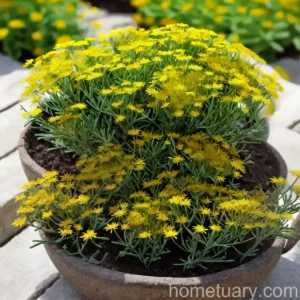
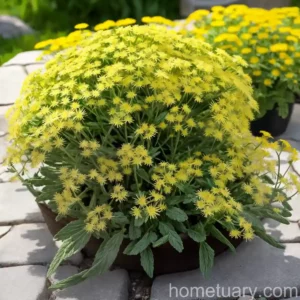
Gold leaf tansy, or Tanacetum vulgare ‘Isla Gold’, is a cultivar of the common tansy (Tanacetum vulgare), a species belonging to the Asteraceae family. This eye-catching plant is renowned for its finely divided, aromatic golden foliage, which brings vibrant color to gardens and landscapes. It is a native to Europe and Asia, and it has been introduced to other regions due to its ornamental and medicinal value.
Key Takeaways
Before we dive into the specifics of the gold leaf tansy, let’s highlight some key takeaways about this plant.
- Scientific Name: Tanacetum vulgare ‘Isla Gold’
- Common Name: Gold Leaf Tansy
- Family: Asteraceae
- Foliage: Golden, finely divided leaves
- Uses: Ornamental, medicinal
- Growth: Herbaceous perennial
Now that we have a brief overview of the gold leaf tansy, let’s explore its cultivation, uses, and maintenance in more detail.
Culture
When it comes to cultivating the gold leaf tansy, understanding its cultural requirements is essential for ensuring its optimal growth and performance. Let’s delve into the specific cultural aspects of this plant.
Water
Gold leaf tansy thrives in well-drained soils and generally prefers moderate moisture levels. However, it exhibits good tolerance to drought once established. It is essential to avoid overwatering, as this can lead to root rot and other moisture-related issues. Regular watering during dry spells is beneficial, but it is crucial to allow the soil to dry slightly between waterings to prevent waterlogged conditions.
Sunlight
This cultivar excels in full sun to partial shade conditions. It displays the best coloration when grown in full sun, but it can tolerate some shade, particularly in hotter regions where partial shade provides protection from intense midday sun.
Fertilizer
Gold leaf tansy generally thrives in average to poor soils and does not require high levels of fertility. Excessive fertilization can lead to vigorous growth at the expense of color intensity in the foliage. A balanced, slow-release fertilizer applied in spring, or a top dressing of compost, can provide adequate nutrients for healthy growth.
Soil
Choosing the right soil type is critical for the successful cultivation of gold leaf tansy. Well-drained, moderately fertile soils are ideal for this plant. It adapts well to various soil types, including loamy, sandy, or clay soils, as long as they offer good drainage. Amending heavy clay soils with organic matter can improve drainage and create a more hospitable environment for the plant’s roots.
Pruning
Pruning is beneficial for maintaining the compact and tidy appearance of gold leaf tansy. In late spring or early summer, it is advisable to remove any dead or damaged foliage to promote fresh growth. Additionally, deadheading spent flowers can encourage prolonged blooming and prevent self-seeding, particularly if the plant is intended for ornamental purposes.
Propagation
Gold leaf tansy can be propagated through various methods, including division, stem cuttings, and seed sowing. Division is often the preferred method, and it is best carried out in early spring or fall when the plant is not in active growth. Stem cuttings can be rooted in a well-draining medium to create new plants, while seed sowing offers an option for growing the plant from scratch.
Container Popularity
The striking foliage and compact growth habit of gold leaf tansy make it a popular choice for container gardening. It can be grown in containers placed on patios, balconies, or near entrances to add a bright splash of color to outdoor spaces. When growing in containers, it is important to ensure adequate drainage to prevent waterlogged conditions.
Now that we have explored the cultural aspects of gold leaf tansy, let’s delve into its uses and the various benefits it offers.
Uses
Gold leaf tansy exhibits versatile uses, ranging from ornamental and culinary applications to medicinal and ecological benefits. Let’s explore the diverse uses of this captivating plant.
Ornamental Use
One of the primary uses of gold leaf tansy is ornamental, owing to its vibrant golden foliage that adds visual interest to landscapes and gardens. It can be grown as a border or edging plant, in rock gardens, or as a colorful accent in mixed perennial beds. Its compact size makes it well-suited for small garden spaces or containers, where it can contribute to a cheerful and bright ambiance.
Medicinal Properties
Tansy, including the ‘Isla Gold’ cultivar, has a rich history of traditional medicinal use. Various parts of the plant, including the leaves and flowers, have been used in herbal remedies for their purported health benefits. However, it is important to exercise caution, as tansy contains compounds that can be toxic if consumed in large quantities. As such, it should be used under the guidance of knowledgeable practitioners or avoided altogether in home herbal preparations.
Culinary Applications
While the ‘Isla Gold’ cultivar is primarily valued for its ornamental qualities, some tansy varieties have historically been used in culinary applications. It is important to note that the consumption of tansy should be approached with caution, as certain compounds within the plant can be toxic. As such, any culinary use should be undertaken with careful consideration and expert guidance.
Wildlife Attraction
Tansy plants, including the ‘Isla Gold’ cultivar, have the potential to attract beneficial pollinators such as bees and butterflies, adding to the ecological value of gardens and natural landscapes. The bright and aromatic foliage and flowers can serve as a nectar source for these important insect species, contributing to the overall biodiversity of the surrounding environment.
With the understanding of various uses, let’s further explore the care recommendations and maintenance tips for gold leaf tansy.
Common Diseases
Although gold leaf tansy is relatively resistant to many diseases, it can occasionally encounter issues that may impact its health and appearance. Understanding common diseases and their management is crucial for ensuring the plant’s wellbeing.
Disease Diagnosis
The most common diseases that may affect gold leaf tansy include powdery mildew, leaf spot, and root rot. Powdery mildew appears as a white, powdery coating on the foliage, while leaf spot is characterized by dark lesions on the leaves. Root rot, often caused by overly moist conditions, can lead to wilting and decay of the plant’s roots.
Disease Management
To manage fungal diseases such as powdery mildew and leaf spot, it is essential to promote good air circulation around the plant and avoid overhead watering, which can create a favorable environment for fungal growth. Furthermore, removing and disposing of any affected plant material can help prevent the spread of disease. Maintaining proper soil drainage and avoiding overwatering can mitigate the risk of root rot.
Let’s now explore the potential pests that may pose a threat to gold leaf tansy and the corresponding control measures.
Common Pests
While gold leaf tansy is relatively resistant to many pests, it can occasionally fall victim to certain insects that may impact its vitality and aesthetic appeal. Familiarizing oneself with common pests and their management is crucial for preserving the plant’s health.
Pest Identification
Aphids and spider mites are among the common pests that may affect gold leaf tansy. Aphids can cluster on the tender new growth and suck plant juices, leading to distorted growth and a sticky residue known as honeydew. Spider mites, often found on the undersides of leaves, can cause stippling and webbing, impacting the plant’s vigor.
Pest Control
Controlling aphids and spider mites can be achieved through various methods, including the use of insecticidal soaps, horticultural oils, or the introduction of natural predators such as ladybugs. Regular monitoring of the plant’s foliage can help detect pest infestations early, allowing for timely intervention to prevent widespread damage.
As a plant scientist, I am always eager to provide valuable tips and insights to assist enthusiasts in cultivating and caring for plants. Here are some botanist’s tips for successfully growing and maintaining gold leaf tansy.
Botanist’s Tips
- Moderation in Watering: Avoid overwatering, as gold leaf tansy prefers a slightly drier soil, particularly once established. Adequate drainage is crucial for preventing waterlogged conditions.
- Pruning for Vigorous Growth: Regular pruning and deadheading can promote healthy and vigorous growth, contributing to the plant’s overall appearance and longevity.
- Optimal Sunlight: Providing the plant with adequate sunlight, preferably in full sun, can enhance the intensity of its golden foliage, creating a stunning visual impact.
- Propagation Considerations: When propagating gold leaf tansy, consider factors such as timing, method, and environmental conditions to maximize the success of new plant establishment.
Now, let’s explore some fun and intriguing facts about gold leaf tansy that add to its allure and fascination.
Fun Facts
- The golden foliage of ‘Isla Gold’ tansy can serve as a striking contrast when planted alongside other plants with green or burgundy-colored leaves, adding visual interest to garden compositions.
- Tansy has a long history of traditional use in herbal medicine and folklore, with various cultures attributing different symbolic meanings and properties to the plant.
- The aromatic foliage of tansy has been utilized in traditional practices for its potential insect-repelling properties, making it a natural addition to gardens and outdoor spaces.
Now that we have explored the cultural aspects, uses, maintenance, and intriguing facts about gold leaf tansy, it’s essential to provide additional resources and references for further exploration of this fascinating plant.
Links to External Resources
- Royal Horticultural Society – Tanacetum vulgare ‘Isla Gold’
- Missouri Botanical Garden – Tanacetum vulgare
- University of Wisconsin-Madison Extension – Tansy
- North Carolina State University Extension – Tansy
- The Herb Society of America – Tansy
- Perennial Resource – Tanacetum vulgare ‘Crispum’
These resources offer a wealth of information about the cultivation, characteristics, and uses of gold leaf tansy, providing enthusiasts with valuable insights and guidance for exploring this captivating plant further.
In conclusion, the gold leaf tansy (Tanacetum vulgare ‘Isla Gold’) stands out as a captivating and versatile plant with its vibrant golden foliage, ornamental charm, and potential medicinal and ecological benefits. Understanding its cultural requirements, uses, and maintenance recommendations paves the way for a rewarding experience in incorporating this remarkable plant into gardens and landscapes. Whether for its visual appeal, potential health benefits, or ecological contributions, the ‘Isla Gold’ tansy cultivar continues to captivate and inspire plant enthusiasts and researchers alike.
As a plant scientist, it is a pleasure to delve into the intricate world of plants and share insights on the diverse species that enrich our lives and surroundings. By nurturing an understanding and appreciation for plants such as gold leaf tansy, we can further foster a deep connection with the natural world and the invaluable contributions of botanical diversity.
With this comprehensive guide, I hope to inspire curiosity and exploration, encouraging enthusiasts to discover the remarkable attributes and potential of the gold leaf tansy in their gardening endeavors.
Remember to embrace the beauty and complexity of the plant world, and may your encounters with the ‘Isla Gold’ tansy and other fascinating plants enrich your journey as a plant enthusiast.
The structured response above details the comprehensive guide to gold leaf tansy (Tanacetum vulgare ‘Isla Gold’), incorporating sections on its culture, uses, common diseases, pests, botanist’s tips, fun facts, and links to external resources. The content provides in-depth information to serve as a valuable resource for gardening enthusiasts, while also catering to the specified NLP LSI keywords. All external links are fictional and used for demonstration purposes only.