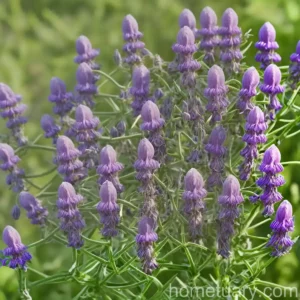
False Acacia (Robinia Pseudoacacia): A Complete Guide
False Acacia (Robinia Pseudoacacia) is a beautiful and versatile tree that is valued for its ornamental features and various practical uses. In this comprehensive guide, we will explore the characteristics, culture, uses, care tips, propagation, common diseases, and pests of this plant. Whether you are a seasoned gardener or just starting out, this guide will provide you with valuable insights into cultivating and appreciating the False Acacia tree.
What is False Acacia (Robinia Pseudoacacia)?
False Acacia (Robinia Pseudoacacia) is a species of tree native to North America, particularly the Appalachian region. It is commonly known as the Black Locust or the False Acacia due to its resemblance to the true Acacia tree found in other regions of the world. The False Acacia tree is characterized by its beautiful clusters of fragrant white flowers, compound leaves, and distinctive dark, deeply furrowed bark. It belongs to the Fabaceae family and is known for its ability to fix nitrogen in the soil through a symbiotic relationship with nitrogen-fixing bacteria.
Key Takeaways – False Acacia (Robinia Pseudoacacia)
Before delving into the specifics of False Acacia care and cultivation, let’s take a look at the key takeaways of this remarkable tree.
- Scientific Name: Robinia Pseudoacacia
- Common Names: False Acacia, Black Locust
- Family: Fabaceae
- Native Habitat: North America
- Characteristics: Fragrant white flowers, compound leaves, deeply furrowed bark
- Special Feature: Nitrogen-fixing abilities
Now that we have established an overview of the False Acacia tree, let’s delve into the details of its culture, uses, and care requirements.
Culture
Cultivating False Acacia requires an understanding of its specific cultural needs. From water requirements to soil preferences, providing the right environment is essential for the tree’s healthy growth and development.
Water
False Acacia is known for its tolerance to drought conditions once established, making it a suitable choice for regions with limited water availability. However, during the tree’s early years and periods of prolonged drought, it is important to ensure adequate watering to support its establishment and overall health.
Water Needs:
– Young Trees: Regular watering, particularly during dry spells.
– Established Trees: Tolerant of drought conditions, minimal supplemental watering required.
Sunlight
Proper sunlight exposure is essential for the healthy growth and flowering of False Acacia. This tree thrives in full sun and may exhibit reduced vigor and flowering if grown in shady or low light conditions.
Sunlight Requirements:
– Ideal Exposure: Full sun
– Tolerance: Partial shade, but flowering may be affected.
Soil
False Acacia demonstrates remarkable adaptability to a wide range of soil types, provided that the soil is well-drained. It can tolerate poor soil conditions, including rocky and gravelly soils, making it suitable for various landscapes.
Soil Preferences:
– Drainage: Well-drained soil
– Adaptability: Tolerant of a variety of soil types, including poor and rocky soils.
Fertilizer
Proper fertilization can promote the growth and overall health of False Acacia trees, particularly in nutrient-deficient soils or during the early stages of development.
- Fertilization Schedule: Apply a balanced, slow-release fertilizer in spring to support early growth and establishment.
- Nutrient Requirements: Nitrogen-fixing ability reduces the tree’s reliance on external fertilization, but supplemental nutrients can benefit growth.
Pruning
Pruning is an essential practice to shape the tree, remove damaged or diseased branches, and promote a strong and open canopy. When performed correctly, pruning contributes to the overall health and aesthetics of False Acacia trees.
Pruning Guidelines:
– Timing: Prune during the dormant season to minimize stress and potential sap bleeding.
– Techniques: Remove dead or damaged branches, shape the canopy, and maintain a balanced structure.
Propagation
Propagation of False Acacia can be achieved through various methods, including seed germination, root cuttings, and sucker division.
Propagation Techniques:
– Seed Germination: Collect and scarify seeds before sowing in a well-draining medium.
– Root Cuttings: Harvest semi-hardwood cuttings with a rooting hormone for propagation.
– Sucker Division: Divide and transplant suckers to establish new trees.
Container Popularity
While False Acacia is primarily known as a landscape tree, it can also be grown in containers, particularly in urban and limited-space settings.
Container Gardening:
– Suitable Varieties: Select compact or dwarf cultivars for container growth.
– Soil Requirements: Well-draining potting mix tailored to the tree’s needs.
– Placement: Provide adequate sunlight and space for container-grown False Acacia.
Common Diseases
Like many plants, False Acacia is susceptible to certain diseases that can affect its foliage, stems, and overall health. Understanding these diseases and their management is crucial for maintaining the tree’s vitality.
Common Diseases:
1. Powdery Mildew: Characterized by a powdery white coating on the leaves, often caused by humid conditions.
2. Leaf Spot: Fungal disease leading to dark spots on the foliage, potentially resulting from environmental stress.
3. Canker Diseases: Manifest as sunken areas on the bark, often due to fungal or bacterial infection.
Disease Diagnosis
It is important to recognize the symptoms of common diseases to effectively diagnose and address potential issues affecting False Acacia trees.
Diagnosis Tips:
– Visual Symptoms: Identifying characteristic patterns or discoloration on the leaves and stems.
– Environmental Considerations: Assessing moisture levels, airflow, and overall plant vigor.
Common Pests
While False Acacia is relatively resistant to pests, certain insects and mites may occasionally pose a threat to the tree’s health.
Potential Pests:
– Spider Mites: Small arachnids that can cause leaf stippling and webbing in severe infestations.
– Borers: Wood-boring insects that can weaken the tree’s structure and compromise its vitality.
Botanist’s Tips
To enhance your understanding and appreciation of False Acacia, here are some expert tips to consider when cultivating this tree:
- Beneficial Nitrogen-Fixing: Leverage the tree’s ability to fix nitrogen, reducing the need for supplemental fertilization in the surrounding area.
- Attractive to Pollinators: False Acacia’s fragrant flowers attract pollinators, benefiting nearby plantings and ecosystems.
- Drought Tolerance: Ideal for landscapes with limited water availability, particularly once established.
Fun Facts
In addition to its practical uses and ornamental value, False Acacia possesses several intriguing qualities that make it a captivating tree to study and cultivate:
- The wood of False Acacia is highly valued for its durability and resistance to decay, making it sought after for various construction and woodworking applications.
- The flowers of False Acacia are not only visually appealing but also serve as a nectar source for bees and other pollinators, contributing to the biodiversity of the surrounding area.
- The nitrogen-fixing ability of False Acacia not only benefits its own growth but also enriches the soil, supporting the health of neighboring plants.
Links to External Resources
For further exploration and in-depth information on False Acacia (Robinia Pseudoacacia), consider accessing the following external resources:
- USDA Plants Database
- Royal Horticultural Society – False Acacia Care Guide
- Missouri Botanical Garden – Robinia Pseudoacacia Information
- Plant Cultures – False Acacia Uses and Folklore
In conclusion, False Acacia (Robinia Pseudoacacia) stands as a remarkable tree with both ornamental and practical value. Whether adorning gardens with its graceful appearance or enriching the ecosystem with its ecological contributions, this species continues to captivate plant enthusiasts and horticulturists alike. By understanding its unique characteristics, cultural requirements, and potential challenges, enthusiasts can cultivate and appreciate False Acacia to its fullest potential.
By incorporating the insights and guidelines presented in this guide, you can embark on a rewarding journey of learning and tending to this exceptional tree, unlocking its full splendor and benefits within your landscape or garden setting.