All About Black Locust (Robinia ‘Purple Robe’)
Introduction
Plants are an essential part of our environment, providing us with oxygen, food, and numerous other resources. Among the vast array of plant species, trees hold a special place due to their grandeur and ecological significance. Black locust, scientifically known as Robinia ‘Purple Robe,’ is one such tree that captivates with its beautiful appearance and various uses. In this comprehensive guide, we will explore the key aspects of this fascinating plant, including its culture, uses, care requirements, and much more.
What is Black Locust (Robinia ‘Purple Robe’)?
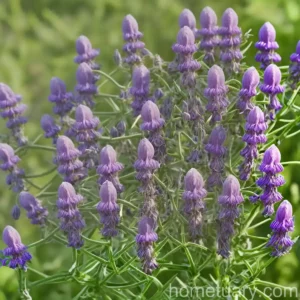
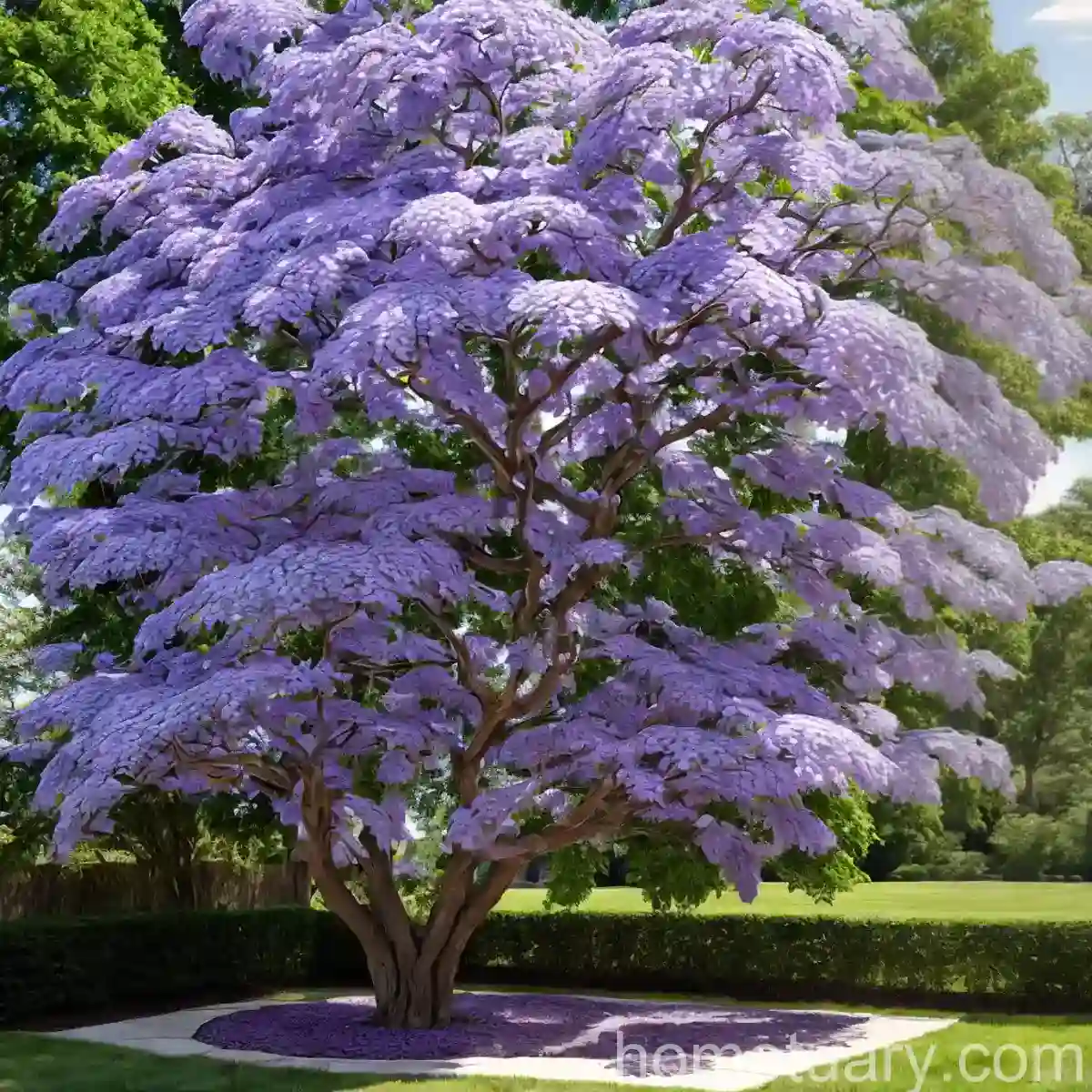
Black locust (Robinia pseudoacacia) ‘Purple Robe’ is a deciduous tree known for its striking clusters of fragrant, purple-pink flowers and vibrant foliage. This cultivar is a popular choice for landscapes and gardens, valued for its ornamental appeal and versatility. With a mature height of 30 to 40 feet and a spread of 20 to 30 feet, it forms a relatively compact and picturesque crown, making it well-suited for various planting environments.
Key Takeaways – Black Locust (Robinia ‘Purple Robe’)
Before delving into the details of Robinia ‘Purple Robe,’ let’s take a quick look at its key takeaways. Below are the crucial points that we will cover in this guide:
- Culture
- Uses
- Water Requirements
- Sunlight Needs
- Fertilization
- Soil Preferences
- Pruning Guidelines
- Propagation Techniques
- Container Gardening
- Popularity
- Common Diseases
- Disease Diagnosis
- Common Pests
- Botanist’s Tips
- Fun Facts
- Links to External Resources
Now, let’s explore each of these aspects in detail.
Culture
Water
Black locust ‘Purple Robe’ exhibits moderate water requirements, especially during its establishment phase. Adequate moisture is essential for young trees, and regular watering is recommended, particularly during dry spells. However, once established, the tree demonstrates a degree of drought tolerance, making it suitable for regions with varying precipitation patterns.
Sunlight
This cultivar thrives in full sunlight, displaying its best growth and flowering potential under direct sunlight conditions. It is important to provide a planting location that receives ample sunlight throughout the day to promote the tree’s overall health and ornamental features.
Fertilizer
When it comes to fertilization, black locust ‘Purple Robe’ generally performs well in various soil types and doesn’t require intensive feeding. However, for young trees or those growing in nutrient-poor soils, an application of balanced, slow-release fertilizer in spring can support healthy growth and flowering.
Soil
The black locust ‘Purple Robe’ is adaptable to a wide range of soil conditions, including loamy, sandy, and clay soils. It is relatively resilient to poor soils and tolerates drought and compacted soil once established. However, well-drained soil is crucial to prevent waterlogging, which can be detrimental to the tree’s health.
Uses
Ornamental Value
One of the primary uses of black locust ‘Purple Robe’ is as an ornamental tree for landscapes, gardens, and urban plantings. Its eye-catching clusters of pinkish-purple flowers and lush green foliage make it a standout feature in any setting. The tree’s elegant form and picturesque appearance also contribute to its appeal as a specimen tree in parks and garden designs.
Wildlife Habitat
In addition to its ornamental value, black locust provides habitat and food for various wildlife, including birds, butterflies, and bees. The fragrant flowers attract pollinators, while the seeds and foliage serve as a food source for wildlife, enhancing biodiversity in the surrounding ecosystem.
Wood Quality
Black locust wood is known for its durability and strength, making it desirable for a range of applications. The wood is used in crafting furniture, fence posts, outdoor structures, and other woodworking projects. Its resistance to rot and decay makes it particularly valuable for outdoor construction projects.
Pruning
Proper pruning is essential to maintain the health, shape, and flowering of black locust ‘Purple Robe.’ Pruning should be performed in late winter or early spring before new growth emerges. This includes the removal of dead or damaged branches, shaping the tree for structural strength, and promoting air circulation within the canopy.
Propagation
Black locust ‘Purple Robe’ can be propagated through several methods, including seed propagation, softwood cuttings, and grafting. Seed propagation is commonly used for growing new trees, while softwood cuttings offer a way to maintain the characteristics of a specific cultivar. Grafting is another propagation technique used to ensure the genetic traits of a desired cultivar.
Container Gardening
While black locust ‘Purple Robe’ is primarily grown in outdoor landscapes, it can also be cultivated in large containers under the right conditions. When selecting a container, choose one with sufficient drainage holes and a size that accommodates the tree’s root system. Regular watering and adequate sunlight are crucial for the tree’s well-being in a container environment.
Popularity
Black locust ‘Purple Robe’ has gained popularity among gardeners, landscapers, and homeowners for its stunning floral display, adaptability, and low maintenance requirements. Its relatively compact size, beautiful flowers, and wildlife-attracting features make it an appealing choice for a range of planting scenarios.
Common Diseases
Disease Diagnosis
Black locust ‘Purple Robe’ is generally resistant to many common tree diseases. However, it can be susceptible to certain pests and diseases under unfavorable growing conditions. Regular inspection of the foliage, stems, and overall tree health is important to diagnose any potential diseases at an early stage and implement appropriate control measures.
Common Pests
Insect Pests
Like other black locust varieties, ‘Purple Robe’ may face infestations from certain insect pests such as aphids, spider mites, and borers. Early detection and prompt treatment are crucial for preventing extensive damage to the tree. Natural predators, insecticidal soaps, or horticultural oils can help manage pest populations effectively.
Botanist’s Tips
To ensure the successful growth and maintenance of black locust ‘Purple Robe,’ consider the following expert tips:
- Regularly monitor the tree for signs of stress, pests, or diseases.
- Provide well-drained soil and avoid waterlogged conditions.
- Prune the tree carefully to maintain its shape and remove any dead or diseased branches.
- Consider the tree’s mature size and spatial requirements when selecting a planting location.
Fun Facts
- Black locust trees are known for their nitrogen-fixing capabilities, improving soil fertility by capturing atmospheric nitrogen and converting it into a form available to plants.
- The wood of black locust has historically been used for various purposes, including shipbuilding, due to its strength and resistance to decay.
Links to External Resources
As we conclude this guide, here are some valuable external resources for further information on black locust (Robinia ‘Purple Robe’):
- USDA Plants Database
- The Morton Arboretum – Robinia pseudoacacia ‘Purple Robe’
- Royal Horticultural Society – Robinia pseudoacacia ‘Purple Robe’
- North Carolina State University – Black Locust
In conclusion, black locust (Robinia ‘Purple Robe’) stands out as an enchanting and valuable tree species with a wide range of uses and ornamental appeal. Whether planted in landscapes, urban settings, or container gardens, this cultivar enriches its surroundings with beauty, wildlife habitat, and resourceful characteristics. With the proper care and understanding of its requirements, the black locust ‘Purple Robe’ can thrive and delight for many years to come.
Thank you for joining us on this journey through the captivating world of black locust (Robinia ‘Purple Robe’).
Keywords: Purple Robe black locust, Robinia Purple Robe tree, Black locust plant, Purple Robe Robinia tree, Robinia pseudoacacia Purple Robe, Purple Robe black locust tree, Robinia Purple Robe cultivar, Black locust Purple Robe variety, Purple Robe black locust facts, Robinia pseudoacacia ‘Purple Robe’ information, Purple Robe black locust care, Robinia ‘Purple Robe’ characteristics, Black locust Purple Robe growth, Purple Robe black locust pruning, Robinia pseudoacacia ‘Purple Robe’ benefits, Purple Robe black locust uses, Robinia Purple Robe landscape tree, Black locust Purple Robe features, Purple Robe black locust flowering, Robinia pseudoacacia ‘Purple Robe’ medicinal properties, Purple Robe black locust gardening tips, Robinia Purple Robe hardiness, Black locust Purple Robe landscape design ideas, Purple Robe black locust planting guide, Robinia pseudoacacia ‘Purple Robe’ diseases, Purple Robe black locust pests, Robinia Purple Robe drought tolerance, Black locust Purple Robe soil requirements, Purple Robe black locust native habitat, Robinia pseudoacacia ‘Purple Robe’ pollinators, Purple Robe black locust propagation techniques, Robinia Purple Robe pruning tips, Black locust Purple Robe hardiness zones, Purple Robe black locust specimen tree, Robinia pseudoacacia ‘Purple Robe’ wildlife attraction, Purple Robe black locust invasive species, Robinia Purple Robe shade tolerance, Black locust Purple Robe fall color, Purple Robe black locust winter survival, Robinia pseudoacacia ‘Purple Robe’ water requirements, Purple Robe black locust leaf characteristics, Robinia Purple Robe sun exposure, Black locust Purple Robe lifespan, Purple Robe black locust environmental benefits, Robinia pseudoacacia ‘Purple Robe’ urban planting, Purple Robe black locust bark texture, Robinia Purple Robe wood uses, Black locust Purple Robe timber properties, Purple Robe black locust wind resistance, Robinia pseudoacacia ‘Purple Robe’ garden centerpiece