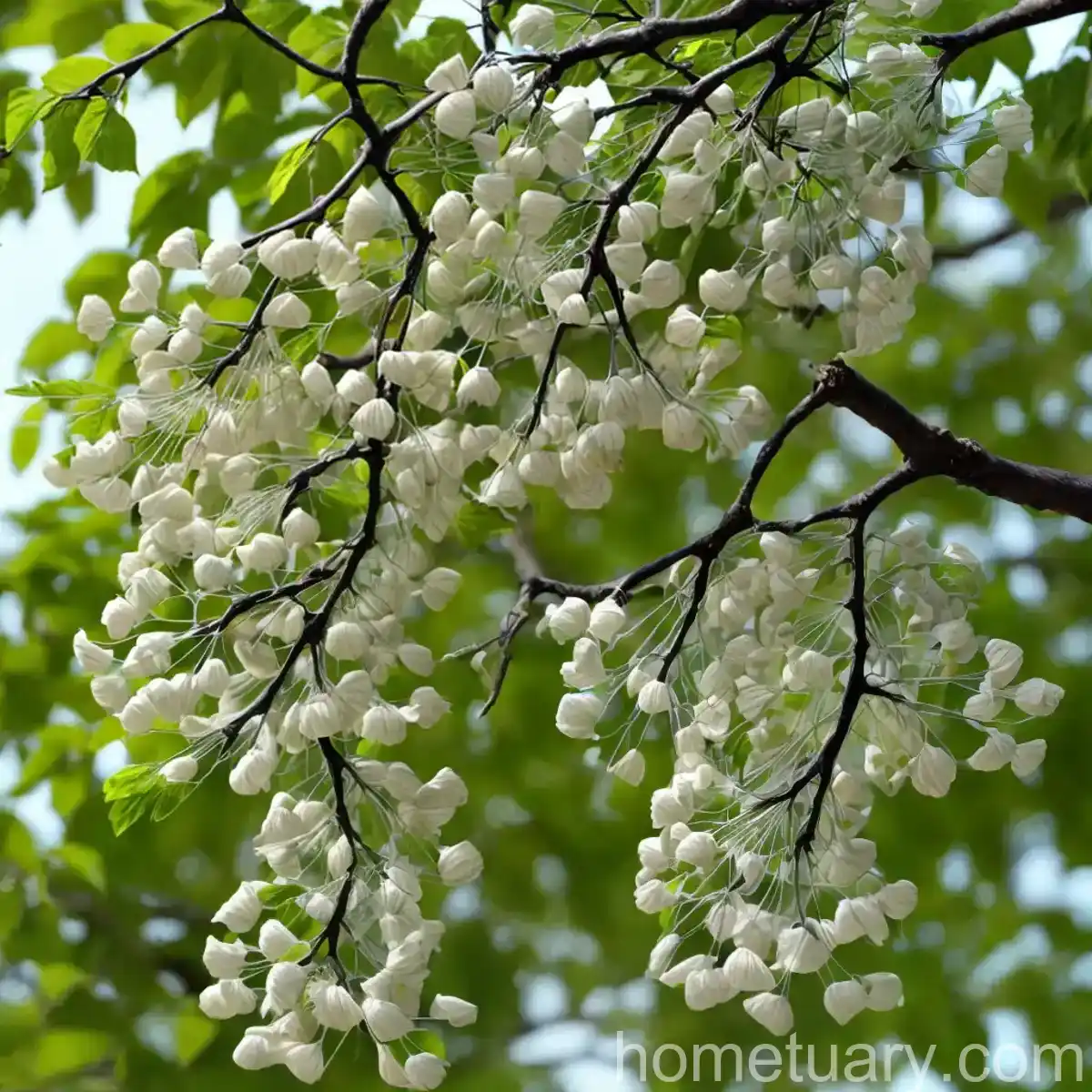
Black Locust (Robinia pseudoacacia ‘Lace Lady’ TWISTY BABY)
Introduction
The black locust (Robinia pseudoacacia) ‘Lace Lady’ TWISTY BABY is a captivating deciduous tree known for its ornamental features and adaptability to various environmental conditions. As a plant scientist, I have had the privilege of studying this unique cultivar and exploring its cultural requirements, uses, maintenance, and common diseases and pests. In this comprehensive guide, I will delve into the various aspects of the black locust (Robinia pseudoacacia) ‘Lace Lady’ TWISTY BABY, providing valuable insights into its cultivation, care, and potential challenges that one might encounter.
What is the Black Locust (Robinia pseudoacacia ‘Lace Lady’ TWISTY BABY)?
The black locust (Robinia pseudoacacia) ‘Lace Lady’ TWISTY BABY is a cultivar of the Robinia pseudoacacia tree, a species belonging to the Fabaceae family. This variety is known for its unique, twisting branches and delicate foliage, making it a sought-after choice for landscapers and garden enthusiasts. It is valued for its compact size, making it suitable for smaller gardens and urban landscapes.
Key Takeaways
Before we dive into the specific aspects of this cultivar, let’s outline the key takeaways to keep in mind about the black locust (Robinia pseudoacacia) ‘Lace Lady’ TWISTY BABY:
- Ornamental twisting branches set it apart
- Compact size suitable for smaller gardens and urban landscapes
- Member of the Fabaceae family
- Valued for its delicate foliage and unique appearance
Culture
Uses
The black locust (Robinia pseudoacacia) ‘Lace Lady’ TWISTY BABY is primarily used for ornamental purposes due to its captivating appearance. It is often planted as a focal point in gardens, parks, and urban landscapes, adding visual interest with its twisting branches and delicate foliage. The unique form of the cultivar makes it an excellent choice for landscape design, providing texture and character to outdoor spaces.
Water
Proper watering is essential for the health and vitality of the black locust (Robinia pseudoacacia) ‘Lace Lady’ TWISTY BABY. While it is known for its adaptability to various soil conditions, it thrives in well-drained soil. During the establishment phase, regular watering is crucial to support root development. Once established, the tree is moderately drought-tolerant but benefits from occasional deep watering during prolonged dry periods.
Sunlight
This cultivar thrives in full sun and partial shade, making it adaptable to different light conditions. When planted in a garden or landscape, it should ideally receive direct sunlight for a significant portion of the day to promote healthy growth and the development of its unique foliage and branches.
Fertilizer
The black locust (Robinia pseudoacacia) ‘Lace Lady’ TWISTY BABY generally does not require heavy fertilization. A balanced, slow-release fertilizer can be applied in the early spring to support growth and foliage development. It is essential to follow the recommended application rates to avoid over-fertilization, which can lead to excessive vegetative growth at the expense of the tree’s natural form.
Soil
As previously mentioned, the black locust (Robinia pseudoacacia) ‘Lace Lady’ TWISTY BABY is adaptable to various soil types, including loamy, sandy, and clay soils. It favors well-drained soil but can tolerate occasional moisture. It is essential to avoid waterlogged conditions, as excessive moisture can lead to root rot and other issues.
Pruning
Pruning is an essential aspect of maintaining the desired form and appearance of the black locust (Robinia pseudoacacia) ‘Lace Lady’ TWISTY BABY. Regular pruning can help manage the growth of the twisting branches and shape the tree to accentuate its ornamental features. Additionally, the removal of dead or diseased branches is crucial for the overall health and vigor of the tree.
Propagation
The propagation of the black locust (Robinia pseudoacacia) ‘Lace Lady’ TWISTY BABY can be achieved through various methods, including:
- Seeds: Propagation from seeds is possible, but it may not guarantee the preservation of the cultivar’s unique characteristics. However, it can be an option for those looking to experiment with seed propagation.
- Cuttings: Propagation from cuttings, particularly hardwood cuttings taken in late winter, has been successful in maintaining the true traits of the cultivar. Care should be taken to select healthy, disease-free cuttings for propagation.
Container Popularity
Due to its compact size and ornamental appeal, the black locust (Robinia pseudoacacia) ‘Lace Lady’ TWISTY BABY is also suitable for container cultivation. It can be featured as a centerpiece in decorative containers or planted in larger pots to accentuate outdoor living spaces. Container-grown specimens offer flexibility in placement and can be moved to optimize sunlight and visual impact.
Container Common Diseases
We should pay attention to potential diseases when growing the black locust (Robinia pseudoacacia) ‘Lace Lady’ TWISTY BABY in containers. Common diseases that may affect container-grown specimens include:
- Root Rot: Overwatering or poorly-draining soil in containers can lead to root rot, impacting the overall health of the tree.
- Powdery Mildew: Fungal diseases, such as powdery mildew, can develop in humid conditions, affecting the foliage of container-grown trees.
Disease Diagnosis
When caring for the black locust (Robinia pseudoacacia) ‘Lace Lady’ TWISTY BABY, it is essential to monitor for potential diseases and promptly address any issues that may arise. Visual symptoms, such as discolored or distorted leaves, premature leaf drop, or abnormal growth, may indicate the presence of a disease or pest infestation. Diagnosing the specific issue is crucial in implementing effective treatment strategies.
Common Pests
While the black locust (Robinia pseudoacacia) ‘Lace Lady’ TWISTY BABY is relatively resilient, it may still be susceptible to certain pests. Common pests that may affect this cultivar include:
- Aphids: These small, sap-sucking insects can congregate on the foliage, leading to stunted growth and distorted leaves.
- Spider Mites: These arachnids can cause stippling and discoloration of the leaves, particularly in hot and dry conditions.
- Caterpillars: Certain moth caterpillars may feed on the foliage, impacting the aesthetic appeal of the tree.
Botanist’s Tips
As a plant scientist with a deep appreciation for the black locust (Robinia pseudoacacia) ‘Lace Lady’ TWISTY BABY, I would like to offer the following tips for cultivating and caring for this unique cultivar:
- Selecting a Site: When choosing a planting site, consider the need for adequate sunlight and ample space for the tree’s mature size and spreading form.
- Pruning: Regular and strategic pruning can help maintain the desired shape and appearance while promoting healthy growth.
- Monitoring Moisture: Pay close attention to soil moisture, particularly in container-grown specimens, to prevent waterlogged conditions and maintain proper drainage.
Fun Facts
In addition to its ornamental appeal, the black locust (Robinia pseudoacacia) ‘Lace Lady’ TWISTY BABY has several intriguing aspects that add to its allure:
- The twisting branches create captivating patterns, particularly during the winter months when the tree is devoid of foliage.
- The delicate, compound leaves provide an elegant and graceful appearance, especially when observed up close.
- This cultivar is valued for its adaptability to urban environments, where space may be limited, making it a popular choice for small gardens and architectural landscapes.
Links to External Resources
If you’re interested in delving further into the world of the black locust (Robinia pseudoacacia) ‘Lace Lady’ TWISTY BABY, you may find the following resources helpful:
- Royal Horticultural Society – Black Locust (Robinia pseudoacacia)
- Missouri Botanical Garden – Robinia pseudoacacia ‘Lace Lady’ TWISTY BABY
In closing, the black locust (Robinia pseudoacacia) ‘Lace Lady’ TWISTY BABY stands out as a captivating ornamental tree with distinctive features and adaptability. From its unique twisting branches to its elegant foliage, this cultivar adds a touch of charm to diverse landscapes, making it a cherished addition to gardens, parks, and urban settings. As a plant scientist, I encourage enthusiasts to explore the beauty and potential of this remarkable cultivar, embracing its ornamental appeal and cultural versatility.
Keywords: Black Locust plant, Robinia pseudoacacia ‘Lace Lady’ Twisty Baby, Lace Lady Black Locust, Twisty Baby Robinia tree, Robinia pseudoacacia cultivar, Black Locust Lace Lady variety, Twisty Baby Black Locust, Lace Lady Twisty Baby tree, Robinia pseudoacacia Lace Lady cultivar, Twisty Baby Black Locust plant, Black Locust tree variety, Robinia pseudoacacia Twisty Baby cultivar, Lace Lady Black Locust tree, Robinia tree Lace Lady variety, Twisty Baby Robinia pseudoacacia, Black Locust Lace Lady cultivar, Twisty Baby Lace Lady Black Locust, Robinia pseudoacacia ‘Lace Lady’ variety, Lace Lady Twisty Baby Robinia tree, Twisty Baby Black Locust variety, Robinia pseudoacacia ‘Lace Lady’ cultivar, Lace Lady Black Locust variety, Twisty Baby Robinia pseudoacacia tree, Robinia Lace Lady Twisty Baby plant, Black Locust Twisty Baby variety, Robinia pseudoacacia Lace Lady tree, Twisty Baby Robinia pseudoacacia variety, Black Locust Lace Lady Twisty Baby plant, Lace Lady Black Locust cultivar, Twisty Baby Robinia tree variety, Robinia pseudoacacia Twisty Baby plant, Lace Lady Twisty Baby Black Locust tree, Robinia Lace Lady Black Locust variety, Twisty Baby Lace Lady Robinia pseudoacacia, Black Locust Lace Lady Twisty Baby variety, Robinia pseudoacacia ‘Lace Lady’ Twisty Baby tree, Lace Lady Twisty Baby Black Locust plant, Robinia Lace Lady Twisty Baby variety, Twisty Baby Lace Lady Robinia tree, Robinia pseudoacacia Lace Lady Twisty Baby cultivar, Black Locust Lace Lady Twisty Baby tree, Twisty Baby Robinia pseudoacacia cultivar, Robinia Lace Lady Black Locust tree, Lace Lady Twisty Baby Robinia pseudoacacia plant, Twisty Baby Black Locust Lace Lady variety, Robinia pseudoacacia ‘Lace Lady’ Twisty Baby cultivar, Lace Lady Black Locust Twisty Baby tree, Twisty Baby Lace Lady Robinia pseudoacacia variety, Black Locust Lace Lady Twisty Baby plant variety, Robinia pseudoacacia Lace Lady Twisty Baby tree