Plant Scientist’s Guide: The Black Locust (Robinia Pseudoacacia ‘Umbraculifera’)
Rising tall and proud, the black locust (Robinia pseudoacacia ‘Umbraculifera’) is a captivating tree that captivates with its distinctive features, uses, and care requirements. Whether you’re a seasoned gardener or a beginner looking to introduce this unique species into your garden, this comprehensive guide will provide you with everything you need to know about the black locust.
What is the Black Locust Tree?
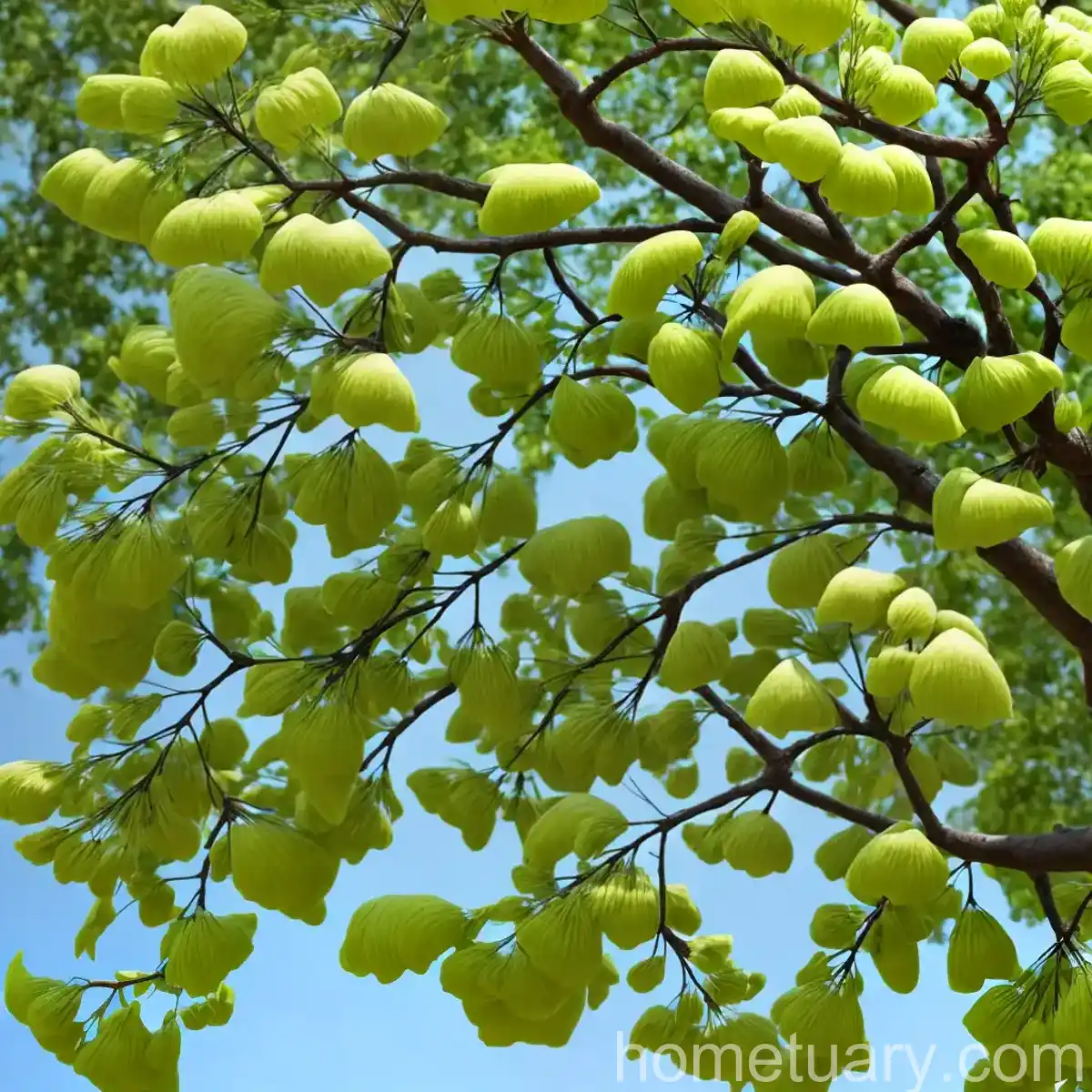
The black locust, scientifically known as Robinia pseudoacacia, is a deciduous and fast-growing tree that belongs to the Fabaceae family. The ‘Umbraculifera’ variety of the black locust is notable for its umbrella-like growth habit, making it an intriguing addition to any landscape. This variety is characterized by its rounded and compact crown, giving it a unique and ornamental appeal.
Key Takeaways – Black Locust (Robinia Pseudoacacia ‘Umbraculifera’)
Before delving into the intricacies of the black locust, let’s outline the key takeaways of this tree, from its physical characteristics to its planting and care requirements:
- Characteristics of Black Locust:
- Deciduous tree with a compact, umbrella-like crown
- Distinctive pinnate leaves and fragrant white flowers
-
Rapid growth rate and hardy nature
-
Uses of Black Locust:
- Ornamental landscaping tree
- Timber and wood production
-
Erosion control and soil stabilization
-
Growing Black Locust:
- Well-drained soil and full sunlight
- Minimal water requirements once established
-
Vigorous growth potential
-
Care for Robinia Pseudoacacia ‘Umbraculifera’:
- Pruning to shape and maintain form
- Propagation through seeds or root cuttings
- Disease and pest management
Now, let’s explore each of these key points in detail to understand the black locust tree’s culture, uses, and essential care practices.
Culture
Water
The black locust tree demonstrates high drought tolerance once established, making it well-suited for arid and semi-arid climates. However, during its initial establishment phase, regular watering is essential to promote healthy root development. Once the tree matures, it typically thrives with minimal supplemental irrigation, relying primarily on natural rainfall.
Sunlight
As a sun-loving species, the black locust thrives in full sun, requiring at least six to eight hours of direct sunlight daily for optimal growth and flowering. It is crucial to ensure that the tree is planted in a location that receives abundant sunlight to support its vigorous development and flowering.
Fertilizer
While the black locust is known for its ability to thrive in nutrient-poor soils, applying a balanced fertilizer during its early years can promote healthier and more rapid growth. A slow-release, organic fertilizer can be applied in early spring to provide the tree with essential nutrients, although it is important to avoid excessive nitrogen application.
Soil
When it comes to soil preferences, the black locust prefers well-drained soils with a slightly acidic to neutral pH range (pH 6.0-7.0). It can tolerate a variety of soil types, including sandy, loamy, and clay soils, as long as they are well-drained. However, it is essential to avoid waterlogged or compacted soils to prevent root rot and other issues.
Pruning
Pruning the black locust is essential to maintain its desired form, remove dead or damaged branches, and control its growth. The best time to prune the tree is during late winter or early spring while it is still dormant. It is important to utilize sharp and clean pruning tools to make precise cuts, promoting the tree’s overall health and aesthetics.
Propagation
The black locust can be propagated through various methods, including seeds, root cuttings, and suckers. When propagating through seeds, it is essential to scarify the hard seed coat to enhance germination. Root cuttings can also be used to propagate the tree, with the best results obtained from cuttings taken during the tree’s dormant season. Additionally, the use of root suckers is a common and effective method of propagating the black locust.
Container Popularity
While the black locust is primarily known for its presence in outdoor landscapes, it can also be grown in large containers and pots, especially when young. This allows gardeners with limited space to enjoy the beauty of this tree on patios, balconies, or in small urban gardens.
Common Diseases
The black locust is generally resistant to most pests and diseases. However, it can be susceptible to certain issues, including:
-
Mimosa Wilt: Caused by a soil-borne fungus, this disease can lead to the wilting and eventual death of the tree. Proper site selection and avoidance of compacted, waterlogged soils can help prevent this issue.
-
Powdery Mildew: A fungal disease that can cause a white, powdery growth on the leaves, affecting the tree’s overall health and appearance. Adequate air circulation and proper watering practices can aid in preventing powdery mildew.
Disease Diagnosis
Identifying and diagnosing diseases in the black locust involves careful observation of the tree’s foliage, bark, and overall growth habits. When encountering symptoms such as wilting, discoloration, or abnormal growth, it is advisable to seek the expertise of a plant pathologist or arborist to accurately diagnose and address any potential issues.
Common Pests
While relatively resistant to pest infestations, the black locust may occasionally be targeted by certain insects, including:
-
Locust Borer (Megacyllene robiniae): The larvae of this beetle bore into the trunks and branches of the black locust, potentially causing damage and weakening the tree. Proper monitoring and tree health assessment can aid in detecting and addressing locust borer infestations.
-
Dusky Birch Sawfly (Macremphytus tarsatus): The larvae of this sawfly species can feed on the foliage of the black locust, leading to defoliation and aesthetic damage. Timely insecticide applications and cultural practices can help manage sawfly populations.
Botanist’s Tips
As a plant scientist specializing in the black locust, here are some expert tips to help you successfully cultivate and care for this unique tree:
-
Site Selection: Choose a spacious location with well-drained soil and ample sunlight to promote the black locust’s healthy growth.
-
Early Training: Regular pruning during the tree’s early years can help shape its form and encourage a strong and balanced structure.
-
Drought Adaptation: Once established, the black locust demonstrates exceptional tolerance to drought conditions, requiring minimal supplemental irrigation.
-
Pest Monitoring: Regularly inspect the tree for signs of insect activity and disease, allowing for early intervention if any issues arise.
Fun Facts
-
The black locust is known for its durable and rot-resistant wood, often used for fence posts, furniture, and other outdoor applications.
-
In certain regions, the tree’s fragrant flowers are utilized in culinary creations, including infused syrups and confections.
-
Some historical accounts highlight the black locust’s role in soil reclamation and erosion control, showcasing its ecological significance.
Links to External Resources
For further in-depth information on the black locust and related topics, consider exploring the following external resources:
- Black Locust Tree – USDA Forest Service
- Robinia Pseudoacacia: Black Locust – Missouri Botanical Garden
- Black Locust Tree – The Morton Arboretum
- Invasive Plant Atlas of the United States – Black Locust
In conclusion, the black locust (Robinia pseudoacacia ‘Umbraculifera’) stands out as a compelling addition to diverse landscapes, offering ornamental beauty, timber value, and ecological benefits. By understanding its unique characteristics, cultivation practices, and potential challenges, you can appreciate and cultivate this remarkable tree with confidence and success. Whether as a prominent feature in a large garden or a captivating specimen in a container, the black locust is sure to leave a lasting impression with its distinct charm and resilience.