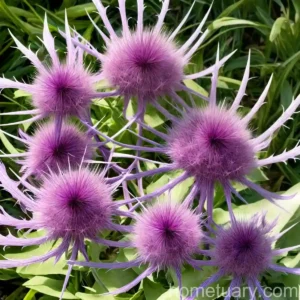
Black-Eyed Susan (Rudbeckia hirta ‘Cherry Brandy’)
Introduction to the Plant
The Black-Eyed Susan, scientifically known as Rudbeckia hirta ‘Cherry Brandy,’ is a delightful and vibrant flowering plant that belongs to the Asteraceae family. This popular garden gem is a cultivar of the native Black-Eyed Susan, which is a species of flowering plant in the sunflower family. The ‘Cherry Brandy’ variety is renowned for its stunning and eye-catching blooms, making it a favorite choice among gardeners and landscapers alike.
Key Takeaways – Black-Eyed Susan (Rudbeckia hirta ‘Cherry Brandy’)
In this comprehensive guide, we will delve into every aspect of the black-eyed Susan (Rudbeckia hirta ‘Cherry Brandy’). From its cultural requirements to common diseases and maintenance tips, this article aims to be a one-stop resource for individuals looking to grow, care for, and appreciate the charming ‘Cherry Brandy’ variety and its enchanting blooms.
What is Black-Eyed Susan (Rudbeckia hirta ‘Cherry Brandy’)?
The ‘Cherry Brandy’ variety of Rudbeckia hirta is a striking and vibrant perennial plant that is synonymous with the quintessential charm of summer and autumn gardens. Known for its distinctive dark red or burgundy petals encircling a dark chocolate-brown center, the ‘Cherry Brandy’ Black-Eyed Susan is a visually captivating addition to any landscape. The flowers exhibit a rich, deep color that sets them apart from the traditional yellow and gold hues associated with the species.
Culture
Uses
The Black-Eyed Susan (Rudbeckia hirta ‘Cherry Brandy’) is a versatile plant that can be utilized in various horticultural and landscaping applications. Its uses include:
- Garden Borders: The striking blooms of the ‘Cherry Brandy’ variety make it an ideal choice for garden borders, where its vibrant flowers can add an instant pop of color to the landscape.
- Cut Flower Arrangements: The long-lasting blooms of the ‘Cherry Brandy’ Black-Eyed Susan make it a popular choice for cut flower arrangements, providing a burst of color to indoor floral displays.
- Pollinator Gardens: Like its native counterpart, the ‘Cherry Brandy’ variety is an excellent source of nectar for pollinators, making it a valuable addition to pollinator-friendly gardens.
Water
When it comes to watering the ‘Cherry Brandy’ Black-Eyed Susan, it is essential to strike a balance to maintain optimal soil moisture without waterlogging the roots. Proper watering practices for this plant include:
- Established Plants: Once established, the ‘Cherry Brandy’ Black-Eyed Susan is relatively drought tolerant. However, during prolonged dry spells, providing a deep watering every 7-10 days can promote healthy growth and abundant flowering.
- Newly Planted Specimens: Newly planted ‘Cherry Brandy’ Rudbeckia hirta should be watered more frequently to encourage root establishment. Keep the soil consistently moist but not waterlogged for the first few weeks after planting.
- Avoid Overhead Watering: As with many flowering perennials, it is advisable to avoid overhead watering, as this can lead to foliar diseases. Water at the base of the plant to minimize moisture on the leaves and flowers.
Sunlight
The ‘Cherry Brandy’ Black-Eyed Susan thrives in full sun or partial shade conditions. When choosing an ideal planting location, consider the following sunlight requirements:
- Full Sun: For the best flowering performance, plant the ‘Cherry Brandy’ variety in a location that receives at least 6-8 hours of direct sunlight per day. Ample sunlight is essential for promoting robust growth and prolific blooming.
- Partial Shade: While the ‘Cherry Brandy’ Black-Eyed Susan prefers full sun, it can also tolerate partial shade, especially in regions with intense summer heat. In such areas, providing some afternoon shade can help prevent stress and sunburn.
Fertilizer
Proper fertilization is key to promoting vigorous growth and abundant flowering in the ‘Cherry Brandy’ Black-Eyed Susan. Here are some essential fertilizer guidelines for this stunning cultivar:
- Balanced Fertilizer: Apply a balanced, all-purpose fertilizer with a formulation such as 10-10-10 in early spring as new growth emerges. Alternatively, a slow-release fertilizer can be incorporated into the soil during planting for a steady nutrient supply.
- Frequency: Fertilize the ‘Cherry Brandy’ Rudbeckia hirta once a year in early spring. Avoid excessive fertilization, as this can lead to lush foliage at the expense of flowers.
- Organic Amendments: Consider supplementing the soil with organic matter such as compost or well-rotted manure to enhance soil fertility and structure. These organic amendments can provide a gradual release of nutrients to support the long-term health of the plant.
Soil
The ‘Cherry Brandy’ Black-Eyed Susan thrives in well-drained, fertile soil that provides a conducive growing environment for robust root development and abundant flowering. Here are some key considerations for soil requirements:
- Well-Drained Soil: Ensure that the planting site has well-drained soil to prevent waterlogging and root rot. Amending heavy clay soil with organic matter can improve drainage and create a suitable growing environment.
- pH Levels: The ideal soil pH for the ‘Cherry Brandy’ Rudbeckia hirta ranges from slightly acidic to slightly alkaline, typically between 6.0 and 7.5. Conduct a soil test to assess the pH and make necessary adjustments using lime or sulfur.
Pruning
While the ‘Cherry Brandy’ Black-Eyed Susan exhibits a naturally tidy growth habit, minimal pruning can help maintain its appearance and encourage continuous flowering. Here are some pruning tips for this striking cultivar:
- Deadheading: Remove spent flowers regularly to promote continuous blooming and prevent self-seeding. Deadheading also enhances the overall appearance of the plant by tidying up the floral display.
- Shearing: In late summer or early fall, consider shearing back the entire plant by one-third to encourage a fresh flush of blooms and prevent the development of leggy growth.
- Division: Every 3-4 years, divide mature clumps of ‘Cherry Brandy’ Rudbeckia hirta to rejuvenate the plant, improve vigor, and maintain a compact growth habit.
Propagation
The ‘Cherry Brandy’ Black-Eyed Susan can be propagated through various methods, including division, seed sowing, and stem cuttings. Each propagation technique offers unique advantages and is suited to different situations:
- Division: Divide established clumps of the ‘Cherry Brandy’ Black-Eyed Susan in early spring or early fall. Replant the divisions in prepared soil to establish new plants.
- Seed Sowing: Collect seeds from mature ‘Cherry Brandy’ Rudbeckia hirta plants and sow them in well-prepared soil in the garden or in containers. Start seeds indoors 6-8 weeks before the last frost date for an early start.
- Stem Cuttings: Take stem cuttings from healthy, non-flowering shoots of the ‘Cherry Brandy’ variety in early summer. Root the cuttings in a suitable growing medium and provide the necessary care until they develop into new plants.
Container Popularity
The ‘Cherry Brandy’ Black-Eyed Susan is a popular choice for container gardening, where its vibrant blooms can brighten up patios, balconies, and outdoor living spaces. When growing this cultivar in containers, consider the following guidelines:
- Container Selection: Choose a large container with adequate drainage holes to accommodate the robust growth habit of the ‘Cherry Brandy’ Rudbeckia hirta. A container with a minimum diameter of 12-14 inches is recommended.
- Growing Medium: Fill the container with a well-draining potting mix that is enriched with organic matter to provide essential nutrients and support healthy root development.
- Watering: Containers tend to dry out more quickly than garden beds, so monitor the soil moisture closely and water the ‘Cherry Brandy’ Black-Eyed Susan as needed to keep the soil consistently moist but not waterlogged.
- Sunlight: Position the containers in a location that receives ample sunlight to ensure optimal flowering and overall plant health.
Common Diseases
While the ‘Cherry Brandy’ Black-Eyed Susan is relatively resilient, it can be susceptible to certain diseases and issues that affect its growth and vitality. Common diseases that may affect this cultivar include:
- Powdery Mildew: Powdery mildew is a fungal disease that can affect the foliage of the ‘Cherry Brandy’ Black-Eyed Susan, leading to a powdery white coating on the leaves. To prevent powdery mildew, ensure good air circulation, and avoid overhead watering.
- Leaf Spot: Leaf spot diseases can cause dark lesions or spots on the foliage of the ‘Cherry Brandy’ variety, potentially impacting the overall appearance of the plant. Remove and destroy affected foliage to prevent the spread of the disease.
- Root Rot: Overwatering or poorly drained soil can lead to root rot in the ‘Cherry Brandy’ Black-Eyed Susan. To prevent root rot, ensure that the soil provides proper drainage, and refrain from overwatering the plant.
- Botrytis Blight: Botrytis blight, also known as gray mold, can affect the flowers and foliage of the ‘Cherry Brandy’ Rudbeckia hirta, causing wilting and browning of plant tissues. Ensure adequate spacing between plants to promote air circulation and reduce the risk of botrytis blight.
Disease Diagnosis
Diagnosing diseases in the ‘Cherry Brandy’ Black-Eyed Susan involves careful observation of the plant and its symptoms. By identifying specific signs of diseases such as discoloration, wilting, or unusual growth patterns, gardeners can take appropriate steps to mitigate the issue and prevent further damage. Consulting with local horticultural experts or plant pathologists can also provide valuable insights into disease diagnosis and management.
Common Pests
While the ‘Cherry Brandy’ Black-Eyed Susan is relatively resistant to pests, it may encounter certain insect nuisances that can affect its health and appearance. Common pests that may target this cultivar include:
- Aphids: These small, sap-sucking insects can congregate on the tender new growth of the ‘Cherry Brandy’ variety, causing distortion and stunted growth. Use insecticidal soap or a strong blast of water to dislodge aphids from the plant.
- Slugs and Snails: These voracious feeders can chew on the foliage and flowers of the ‘Cherry Brandy’ Black-Eyed Susan, leaving behind unsightly damage. Employ physical barriers or organic bait to deter slugs and snails from reaching the plant.
- Spider Mites: Spider mites are tiny arachnids that can cause stippling and discoloration on the foliage of the ‘Cherry Brandy’ Rudbeckia hirta. Regularly rinse the plant with water to reduce spider mite populations and keep their numbers in check.
Botanist’s Tips
From a botanical standpoint, the ‘Cherry Brandy’ Black-Eyed Susan offers a fascinating array of characteristics and growth habits that make it a captivating subject of study for plant enthusiasts. Here are some botanist’s tips to delve deeper into the intriguing nature of this charming cultivar:
- Genetic Diversity: Explore the genetic diversity and hybridization potential of the ‘Cherry Brandy’ variety within the broader spectrum of Rudbeckia hirta cultivars and other related species.
- Species Conservation: Consider the conservation status and efforts related to preserving the native species of Rudbeckia hirta, including its ecological importance and conservation challenges.
- Taxonomic Classification: Delve into the taxonomic classification and evolutionary history of Rudbeckia hirta ‘Cherry Brandy,’ examining its botanical relationships and phylogenetic context within the plant kingdom.
Fun Facts
Uncover some engaging and intriguing fun facts about the ‘Cherry Brandy’ Black-Eyed Susan, shedding light on its unique traits and cultural significance:
- Cultural Symbolism: Black-Eyed Susans, including the ‘Cherry Brandy’ variety, are often associated with positive symbolism, representing encouragement, motivation, and a bright outlook on the future.
- Native American Uses: Historically, certain Native American tribes used the roots and various plant parts of Rudbeckia hirta for medicinal and ceremonial purposes, highlighting the cultural significance of the species.
Links to External Resources
For further exploration and in-depth information on black-eyed Susan (Rudbeckia hirta ‘Cherry Brandy’) and related topics, consider the following external resources:
- The National Gardening Association
- Missouri Botanical Garden – Rudbeckia hirta
- University of Maryland Extension – Black-Eyed Susan
- Royal Horticultural Society – Rudbeckia hirta ‘Cherry Brandy’
In conclusion, the ‘Cherry Brandy’ Black-Eyed Susan (Rudbeckia hirta ‘Cherry Brandy’) stands as an alluring and captivating addition to gardens and landscapes, offering a blend of striking beauty and robust resilience. By understanding its cultural requirements, uses, care guidelines, and botanical insights, enthusiasts and horticulturalists can cultivate, appreciate, and celebrate the allure of this enchanting cultivar.
The vibrant blooms of the ‘Cherry Brandy’ variety serve as a perennial reminder of nature’s artistry and the timeless charm of the Black-Eyed Susan species, epitomizing the enduring appeal of this beloved garden favorite.
This comprehensive guide serves as a valuable resource for enthusiasts and gardeners looking to deepen their understanding of the ‘Cherry Brandy’ Black-Eyed Susan and its myriad cultural, botanical, and horticultural facets.