European White Birch (Betula Pendula)
The European white birch, scientifically known as Betula pendula, is a captivating deciduous tree species native to Europe. This elegant tree is renowned.
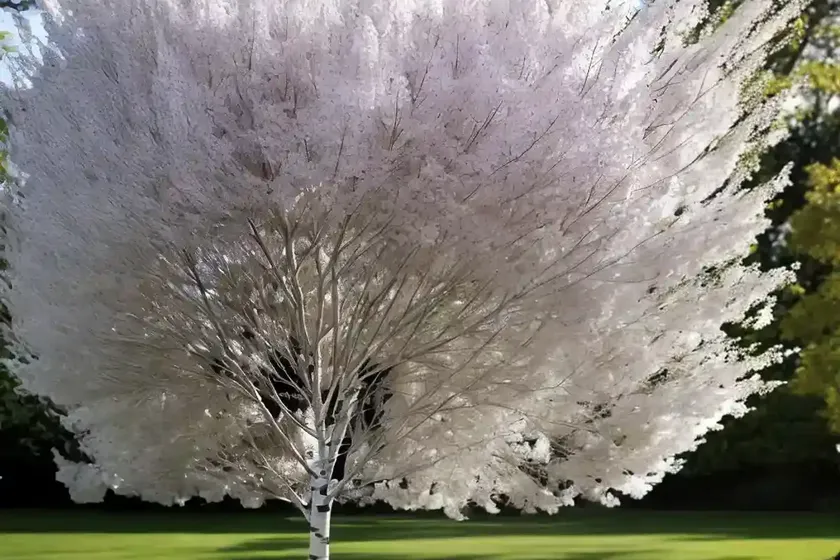
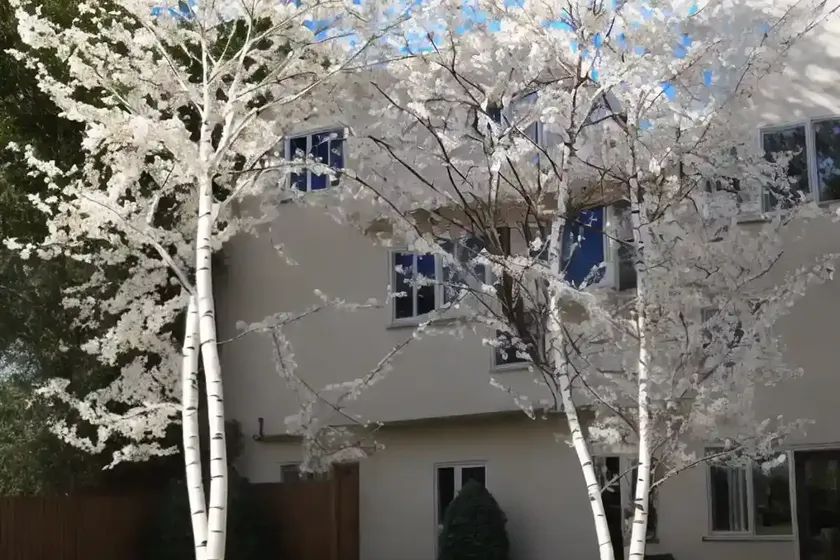
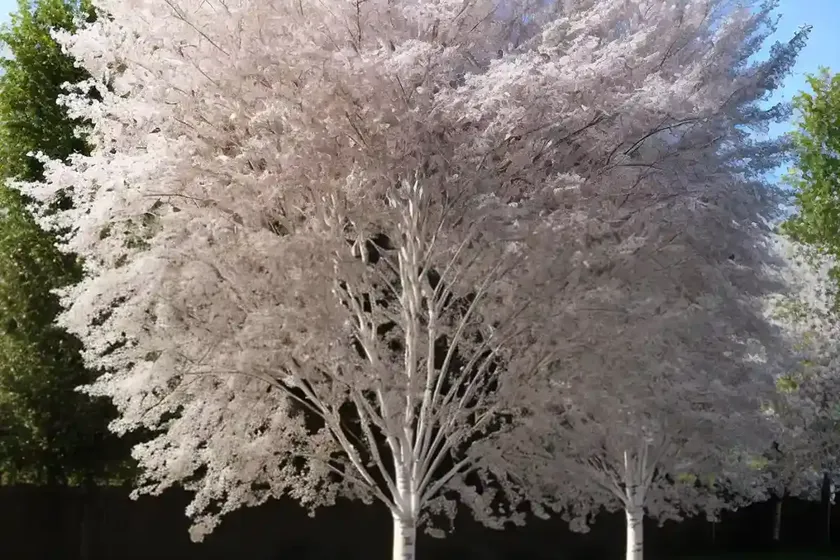
The European white birch, scientifically known as Betula pendula, is a captivating deciduous tree species native to Europe. This elegant tree is renowned for its distinctive white bark, which adds a striking visual appeal to landscapes. With its graceful form and versatility, the European white birch has become a popular choice for various gardening and landscaping purposes.
In this comprehensive guide, we will explore various aspects of the European white birch, including its culture, uses, preferred growing conditions, propagation methods, common diseases, and botanist’s tips. Whether you are a gardening enthusiast, landscape designer, or simply intrigued by the beauty of this iconic tree, this article aims to provide valuable insights into the world of Betula pendula.
What is the European White Birch (Betula pendula)?
The European white birch, also commonly referred to as silver birch, is a species of deciduous tree belonging to the Betulaceae family. Known for its tall, slender stature and elegant appearance, the European white birch is a beloved choice for adding visual interest and texture to outdoor spaces. It is widely recognized for its iconic white or silver bark, which peels in thin, papery layers, creating a stunning contrast against its foliage.
Key Takeaways – European White Birch (Betula pendula)
Before delving into the specifics of cultivating and caring for the European white birch, let’s highlight the key takeaways that encapsulate the essence of this remarkable tree:
- European Birch Tree: A native European tree species that holds cultural and aesthetic significance in the region.
- Betula pendula: The scientific name for the European white birch, emphasizing its taxonomical classification.
- Distinctive White Bark: Known for its striking white bark, a defining feature that sets it apart in landscapes.
- Deciduous Tree Species: As a deciduous tree, it undergoes seasonal leaf shedding, showcasing varying characteristics throughout the year.
- Ornamental Beauty: Celebrated for its ornamental value, making it a preferred choice for landscaping and garden design.
- Versatile Landscape Tree: Well-suited for a range of environments, from urban settings to woodland areas.
- Fast-Growing: Exhibits a rapid growth rate under favorable growing conditions, enabling efficient establishment in gardens and outdoor spaces.
With these key takeaways in mind, let’s navigate through the essential aspects of cultivating and caring for the European white birch, offering valuable insights for both enthusiasts and practitioners in the realm of horticulture and landscape design.
Culture of European White Birch
Understanding the cultural requirements of the European white birch is essential for creating an environment where this graceful tree can thrive. From the ideal soil conditions to its water and sunlight needs, here’s a comprehensive overview of the cultural considerations for cultivating Betula pendula.
Uses
Before delving into the specific cultural requirements, it’s worthwhile to explore the diverse uses of the European white birch. Beyond its aesthetic appeal, this versatile tree serves various purposes, adding value to both natural landscapes and designed outdoor spaces. Here are some of its key uses:
- Ornamental Purposes: The European white birch is widely utilized for its ornamental value, serving as a focal point in gardens, parks, and urban landscapes.
- Shade Tree: With its tall and slender form, it provides natural shade, making it an ideal choice for creating cool, inviting spaces.
- Wildlife Habitat: The tree offers habitat and food for various wildlife, contributing to the ecological diversity of its surroundings.
- Soil Stabilization: Its deep root system helps in stabilizing soil, preventing erosion and contributing to overall soil health.
- Aesthetic Contrast: The distinctive white bark and delicate foliage create visual contrast, complementing the surrounding flora and adding texture to the landscape.
- Timber and Craftwork: The wood of the European white birch is utilized for crafting furniture, flooring, and small wooden objects, adding to its economic significance.
Understanding these uses provides a holistic perspective on the significance of the European white birch, transcending its aesthetic appeal to encompass ecological, economic, and cultural dimensions.
Water
In its initial stages, the European white birch requires adequate moisture to support its vigorous growth. While it is essential to provide consistent watering, ensuring good drainage is equally crucial to prevent waterlogged conditions that can be detrimental to the tree’s health. Once established, the tree exhibits moderate drought tolerance, adapting to varying moisture levels.
The following table provides a general guideline for watering the European white birch based on its growth stage:
| Growth Stage | Watering Frequency | Soil Moisture Level |
|---|---|---|
| Newly Planted | Every 2-3 days | Moist, but not waterlogged |
| Established | Once a week | Preferably evenly moist |
| Mature Tree | During Dry Spells | Moderate moisture retention |
By incorporating these watering practices, one can ensure that the European white birch remains healthy and vibrant, displaying its characteristic elegance throughout the seasons.
Sunlight
The European white birch thrives in sites that offer ample sunlight, promoting optimal growth and the development of its iconic white bark. When selecting a location for planting, it is advisable to choose a spot that receives at least 6-8 hours of direct sunlight daily. While the tree can tolerate partial shade, full sun exposure is preferred for maximizing its ornamental appeal and overall health.
Fertilizer
Applying a balanced fertilizer can support the growth and vigor of the European white birch, especially if the soil lacks essential nutrients. A slow-release fertilizer formulated for trees and shrubs can be applied in early spring to coincide with the onset of the tree’s active growth phase. It is essential to follow the manufacturer’s recommendations regarding application rates and methods to prevent over-fertilization, which can have adverse effects on the tree’s health.
Soil
The European white birch thrives in well-draining soil that is rich in organic matter. It exhibits a preference for slightly acidic to neutral soil pH, ranging from 5.5 to 7.5. Prior to planting, it is beneficial to amend the soil with organic compost or peat moss to enhance its fertility and texture, contributing to the healthy establishment of the tree.
Pruning
Pruning plays a crucial role in shaping the European white birch and maintaining its structural integrity. Regular pruning can help remove dead or diseased branches, enhance air circulation within the canopy, and promote a desirable form. It is recommended to prune the tree during the dormant season to minimize stress and prevent excessive sap flow. Care should be taken to avoid over-pruning, particularly in the case of mature trees, as it can compromise their natural beauty and resilience.
Propagation
Propagating the European white birch can be achieved through various methods, including seed propagation, cuttings, and grafting. Here’s a brief overview of these propagation techniques:
- Seed Propagation: Growing the tree from seeds collected from mature cones, a process that requires patience and careful attention to environmental conditions.
- Cuttings: Taking stem cuttings from a healthy, established tree and propagating them under controlled conditions to encourage root development.
- Grafting: Joining a scion from the desired European white birch variety onto a compatible rootstock, a technique commonly employed in commercial cultivation to ensure specific traits and characteristics.
Understanding these propagation methods provides valuable insights into the cultivation and conservation of the European white birch, offering opportunities for enthusiasts and horticultural practitioners to engage in its propagation and preservation.
Container Popularity
The European white birch is also well-suited for container cultivation, adding a touch of elegance to outdoor spaces such as patios, balconies, and urban gardens. Its distinctive white bark and graceful form make it an appealing choice for container gardening, allowing individuals with limited yard space to enjoy the beauty of this iconic tree. When considering container cultivation, it is crucial to address specific considerations for successful growth and long-term health.
Container Common Diseases
While container cultivation offers various benefits, it is essential to be aware of potential diseases that can affect the European white birch when grown in containers. Common diseases such as leaf spot, canker, and powdery mildew can impact the tree’s foliage and overall vigor. By maintaining optimal growing conditions and implementing preventive measures, these diseases can be effectively managed, ensuring the tree’s resilience and visual appeal.
Disease Diagnosis
Diagnosing and addressing diseases promptly is critical in preserving the health and beauty of the European white birch. By recognizing common symptoms and signs of diseases, such as leaf discoloration, abnormal growth patterns, or fungal presence, one can take appropriate measures to mitigate the impact of diseases and restore the tree’s vitality.
Common Pests
In addition to diseases, the European white birch is susceptible to certain pests that can affect its health and appearance. Pests such as birch leafminer, bronze birch borer, and aphids can pose significant challenges, necessitating proactive pest management strategies to safeguard the tree. By monitoring for signs of pest infestation and implementing targeted control measures, one can minimize the impact of pests and preserve the tree’s ornamental value.
Botanist’s Tips
Drawing upon the expertise of botanists and horticultural specialists can provide valuable insights and recommendations for cultivating and caring for the European white birch. Here are some expert tips to enhance the success of growing and maintaining this iconic tree:
- Regular Monitoring: Keep a keen eye on the tree’s growth and appearance, promptly addressing any signs of stress, disease, or pest-related issues.
- Soil Moisture Management: Maintain consistent soil moisture, particularly during the tree’s establishment phase, to support healthy root development and overall growth.
- Mulching: Apply a layer of organic mulch around the base of the tree to conserve soil moisture, regulate soil temperature, and suppress weed growth.
- Prudent Pruning: Exercise caution when pruning the European white birch, focusing on removing dead or damaged branches while preserving its natural form and aesthetics.
- Seasonal Care: Adapt your care practices based on seasonal requirements, such as adjusting watering frequency and fertilization in response to changing environmental conditions.
Fun Facts about the European White Birch
- The European white birch holds cultural significance in various European traditions, featuring in folklore, art, and literature as a symbol of renewal and resilience.
- In some cultures, the white bark of the European white birch has been used for crafting traditional items, emphasizing its historical and practical significance.
- While the European white birch is predominantly known for its striking white bark, it also produces small, triangular leaves that turn golden-yellow in autumn, adding to its seasonal allure.
- The bark of the European white birch undergoes a captivating transformation as it matures, transitioning from a smooth, reddish color to its iconic white appearance.
Links to External Resources
To further expand your knowledge and appreciation of the European white birch, here are some additional resources for in-depth exploration:
- Royal Horticultural Society – Betula pendula
- University of Minnesota Extension – Common Pests of Birch Trees
- Arbor Day Foundation – Planting Guide for Birches
- The Morton Arboretum – Birch Trees for Landscapes
In conclusion, the European white birch (Betula pendula) stands as a timeless symbol of elegance and resilience, captivating enthusiasts and admirers with its iconic white bark and graceful form. From its cultural significance to practical uses and horticultural considerations, this distinctive tree holds a special place in the realm of ornamental and landscape trees, offering both visual beauty and ecological value. By understanding its cultural requirements, propagation methods, potential challenges, and expert tips, individuals and practitioners can embark on a journey of cultivating and caring for the European white birch, contributing to the preservation of its timeless allure in outdoor environments.