Silver Birch (Betula Pendula MAGICAL GLOBE)
Silver birch (Betula pendula MAGICAL GLOBE) is a beautiful, ornamental tree that belongs to the Betulaceae family. It is a cultivar of the Betula pendula.
What is a Silver Birch (Betula pendula MAGICAL GLOBE)?
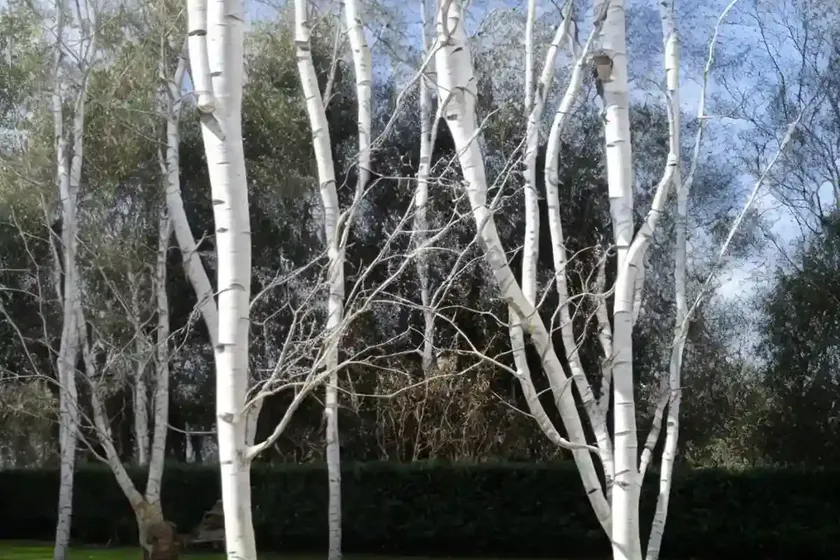
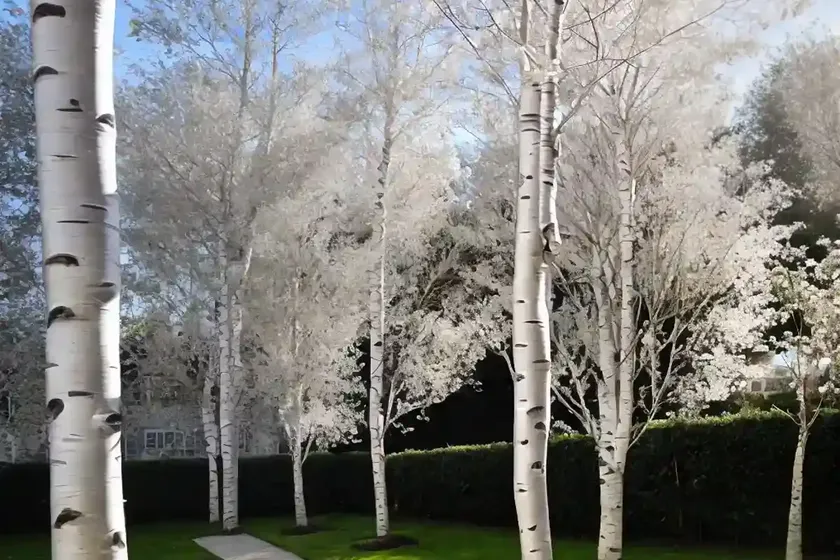
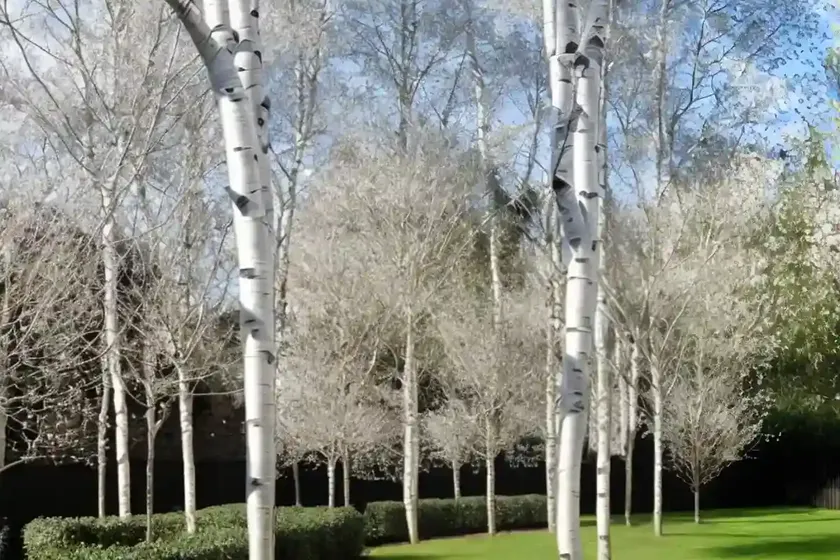
Silver birch (Betula pendula MAGICAL GLOBE) is a beautiful, ornamental tree that belongs to the Betulaceae family. It is a cultivar of the Betula pendula species, commonly known as the silver birch or European white birch. The MAGICAL GLOBE variety of silver birch is known for its compact, globe-shaped form, making it an excellent addition to gardens and landscapes. With its graceful appearance and unique characteristics, this tree has become a popular choice among horticulturists, landscape designers, and gardening enthusiasts.
Key Takeaways – Silver Birch (Betula pendula MAGICAL GLOBE)
- Botanical Name: Betula pendula MAGICAL GLOBE
- Common Names: Silver Birch, European White Birch
- Family: Betulaceae
- Type: Deciduous tree
- Shape: Compact, globe-shaped form
- Uses: Ornamental purposes, landscaping
- Characteristics: Graceful, silver-white bark, delicate foliage
- Growth Rate: Moderate to fast
- Sun Requirements: Full sun to partial shade
- Watering: Moderate
- Soil Type: Well-drained, acidic to neutral soil
- Hardiness Zone: 3-7
- Height: Up to 20 feet
- Spread: 10-15 feet
- Pests and Diseases: Generally resistant, with proper care
With the key takeaways in mind, let’s delve deeper into the culture, uses, care, and maintenance of the silver birch (Betula pendula MAGICAL GLOBE), exploring its role in landscapes and gardens and providing essential tips for its cultivation.
Culture of Silver Birch (Betula pendula MAGICAL GLOBE)
The culture of the silver birch (Betula pendula MAGICAL GLOBE) involves understanding the specific requirements needed to ensure its healthy growth and development. From sunlight exposure to soil conditions, each aspect plays a pivotal role in nurturing this beautiful tree.
Sunlight
Silver birch trees thrive in full sun to partial shade. Ideally, they should receive at least 6-8 hours of direct sunlight daily for optimal growth and foliage density. However, they can tolerate some shade, especially in hotter climates, with a preference for cooler root zones.
Water
Moderate watering is essential for the healthy growth of silver birch trees. While they are relatively drought-tolerant once established, consistent watering, especially during dry spells, is crucial, particularly for younger trees. It’s important to ensure that the soil is well-drained to prevent waterlogged conditions, which can lead to root rot and other moisture-related issues.
Soil
Silver birch (Betula pendula MAGICAL GLOBE) thrives in well-drained, acidic to neutral soil. They do not tolerate waterlogged or compacted soil, as it can lead to root suffocation and poor growth. Amending the soil with organic matter can improve its drainage and fertility, creating a more conducive environment for the tree’s roots.
Uses of Silver Birch (Betula pendula MAGICAL GLOBE)
Ornamental Purposes
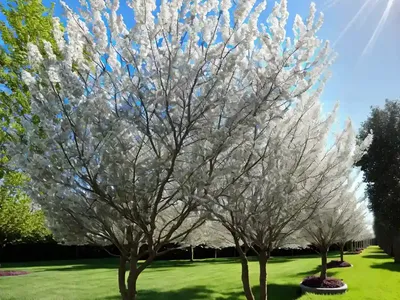
The silver birch (Betula pendula MAGICAL GLOBE) is primarily used for ornamental purposes in landscapes, gardens, and park settings. Its compact, globe-shaped form and elegant, silver-white bark make it a stunning focal point, especially when planted in groups or as a singular accent tree. Additionally, its delicate, pendulous leaves add a touch of grace and movement to the landscape, further enhancing its visual appeal.
Landscaping
Beyond its ornamental value, silver birch trees are used for landscaping to create natural, woodland settings or to provide a vertical element within a garden design. They can be integrated into various styles of landscaping, from contemporary and minimalist gardens to more naturalistic and wild landscapes, adding texture, color, and visual interest to the overall composition.
Fertilizer
When it comes to fertilizing silver birch (Betula pendula MAGICAL GLOBE), a balanced, slow-release fertilizer can be applied in early spring to support its growth and overall health. The fertilizer should be evenly distributed around the tree’s root zone, following the manufacturer’s recommendations regarding application rates. However, it’s important to refrain from over-fertilizing, as excessive nutrients can lead to rapid, weak growth and may have adverse effects on the tree’s long-term health.
Pruning
Pruning is an essential aspect of silver birch tree care, helping to maintain its shape, improve air circulation, and remove any dead, damaged, or diseased branches. With proper pruning techniques, the natural form and structure of the tree can be preserved while addressing any necessary maintenance.
Pruning Techniques
- Deadwood Removal: Regularly inspect the tree for dead or dying branches and promptly remove them to prevent potential hazards and promote healthy growth.
- Crown Thinning: Thinning out selective branches within the canopy can enhance air circulation and reduce the risk of foliage diseases.
- Structural Pruning: Establishing a strong, well-balanced framework for the tree by selectively pruning to improve its overall structure and integrity.
Propagation
Silver birch (Betula pendula MAGICAL GLOBE) can be propagated through various methods, including seed propagation and vegetative propagation techniques.
Seed Propagation
Seed propagation involves collecting mature, viable seeds from the tree during the fall and sowing them in a well-prepared seedbed. The seeds should be sown at the appropriate depth and provided with consistent moisture and suitable growing conditions to encourage germination and healthy seedling development.
Vegetative Propagation
Vegetative propagation methods such as hardwood cuttings and air layering can also be employed to propagate specific cultivars of silver birch, including Betula pendula MAGICAL GLOBE. These methods allow for the cloning of desirable traits and characteristics, ensuring the replication of the parent tree’s unique features.
Container Popularity of Silver Birch (Betula pendula MAGICAL GLOBE)
The compact, globe-shaped form of the silver birch (Betula pendula MAGICAL GLOBE) has contributed to its popularity as a container plant. Its ornamental value, combined with its manageable size, makes it well-suited for container cultivation, allowing for versatility in garden design and placement.
Container Care
When growing silver birch trees in containers, it’s important to ensure that the containers provide adequate drainage and space for root development. Additionally, proper watering and fertilization practices are crucial to support the tree’s needs within the confines of a container environment.
Common Diseases of Silver Birch (Betula pendula MAGICAL GLOBE)
While silver birch trees are relatively resilient, they can be susceptible to certain diseases that may impact their overall health and vigor. Understanding these common diseases and their symptoms is essential for early detection and effective management.
Disease Diagnosis
Birch Dieback (Phytophthora)
- Symptoms: Dieback of the tree’s foliage, dark lesions on the bark, wilting leaves
- Management: Improving soil drainage, avoiding overhead watering, and employing fungicidal treatments as recommended.
Birch Leaf Miner
- Symptoms: The presence of serpentine tunnels in the leaves, leaf discoloration, and reduced vigor
- Management: Monitoring and early intervention through horticultural oils or insecticidal treatments to control leaf miner populations.
Powdery Mildew
- Symptoms: White, powdery growth on the leaves, leaf distortion, and reduced photosynthetic activity
- Management: Proper airflow, site selection, and the application of fungicidal treatments when necessary.
Common Pests Affecting Silver Birch (Betula pendula MAGICAL GLOBE)
Birch Borers
Birch borers, including the bronze birch borer and the birch leafminer, can pose a threat to the health of silver birch trees. These pests tunnel through the inner bark and disrupt the tree’s vascular system, leading to reduced nutrient uptake and overall decline.
Aphids
Aphids are another common pest that can affect silver birch trees, often colonizing the tender new growth and causing damage through feeding activities. These pests can be managed through the careful application of insecticidal soaps or oils.
Botanist’s Tips for Growing Silver Birch (Betula pendula MAGICAL GLOBE)
- Site Selection: Choose a well-drained location with ample sunlight for optimal growth.
- Soil Preparation: Ensure the soil is well-drained and enriched with organic matter to support healthy root development.
- Watering: Practice consistent watering, especially during periods of dry weather, to support the tree’s water needs.
- Pruning: Regularly inspect and prune the tree to remove dead or diseased branches and maintain its overall shape and structure.
- Regular Monitoring: Keep a close eye on the tree for signs of pests, diseases, or stress factors, and take proactive measures as needed.
Fun Facts about Silver Birch (Betula pendula MAGICAL GLOBE)
- In folklore and mythology, the silver birch holds symbolic significance and is often associated with renewal, protection, and fertility in various cultural traditions.
- The bark of the silver birch has been historically used for various purposes, including crafting canoes, making paper, and even brewing traditional birch sap beverages in some cultures.
Links to External Resources
- Royal Horticultural Society – Betula pendula
- Missouri Botanical Garden – Betula pendula
- USDA Forest Service – Betula pendula
In conclusion, the silver birch (Betula pendula MAGICAL GLOBE) is a captivating and versatile tree that adds an elegant touch to any landscape. With the right care and attention to its specific requirements, it can thrive and bring beauty and grace to gardens, parks, and natural settings. By understanding its cultural needs, uses, and potential challenges, gardening enthusiasts and landscape professionals can fully appreciate and harness the unique qualities of this enchanting tree in various horticultural settings.