European Rowan (Sorbus Aucuparia): A Comprehensive Guide for Plant Enthusiasts
Plants play a significant role in our environment and contribute to the well-being of all living organisms. The European Rowan (Sorbus Aucuparia) is a fascinating plant that holds cultural, ecological, and horticultural significance. In this extensive guide, we will delve into the various aspects of the European Rowan, including its culture, uses, care requirements, and much more. Whether you are a gardener, botanist, or simply have an interest in the natural world, this article aims to provide valuable insights into the beautiful European Rowan tree.
What is European Rowan (Sorbus Aucuparia)?
The European Rowan, scientifically known as Sorbus Aucuparia, belongs to the family Rosaceae and is native to Europe, North Africa, and western Asia. This deciduous tree is commonly referred to by numerous names such as Rowanberry tree, Mountain Ash Sorbus, and Bird cherry tree.
Key Takeaways – European Rowan (Sorbus Aucuparia)
Before we delve into the detailed aspects of the European Rowan, let’s have a look at the key takeaways related to this intriguing plant. These points will provide a concise overview of what to expect from the following sections.
Culture
- The European Rowan is deeply rooted in European folklore and culture, often associated with protection against witches and enchantments.
Uses
- The berries of the European Rowan are utilized in culinary applications to create jams, jellies, and alcoholic beverages.
Water
- Requires moderate water, especially during the initial stages of growth, ensuring the soil remains consistently moist but not waterlogged.
Sunlight
- Prefers full sun to partial shade, thriving in well-lit environments that offer a balance of direct sunlight and shade.
Fertilizer
- Generally requires minimal fertilization, with organic, slow-release fertilizers being suitable if the tree demonstrates signs of nutrient deficiency.
Soil
- Thrives in well-drained, slightly acidic soils, although it showcases adaptability to various soil types.
Pruning
- Pruning is essential to maintain the tree’s shape, remove dead or diseased wood, and encourage healthy growth.
Propagation
- Can be propagated through seeds, cuttings, or grafting, each method with its own set of considerations and advantages.
Container Popularity
- Suitable for container gardening, provided the container offers ample space for the tree’s roots to grow.
Common Diseases
- Susceptible to certain diseases such as fireblight, powdery mildew, and canker, requiring proactive measures for prevention.
Common Pests
- Faces pest infestations from aphids, caterpillars, and spider mites, necessitating appropriate pest management techniques.
Botanist’s Tips
- Incorporating the European Rowan into a garden design can attract wildlife, create a visually appealing landscape, and serve as a symbolic addition with historical significance.
Fun Facts
- The European Rowan features prominently in folklore and traditional medicine, with its berries and wood holding diverse uses and symbolism.
Now, let’s explore each of these aspects in detail to gain a comprehensive understanding of the European Rowan and its significance.
European Rowan Culture
The European Rowan holds a special place in European culture and folklore, often associated with protection against malevolent forces and as a symbol of good luck. In medieval Europe, the European Rowan was commonly planted near dwellings to ward off witches and offer protection against enchantments, leading to its alternative name “witchwood.”
The tree’s significance is further reflected in its inclusion in traditional ceremonies and celebrations, where its branches were used to adorn homes and livestock as a means of spiritual protection. Additionally, the European Rowan’s vibrant red berries have been historically linked to concepts of vitality, prosperity, and renewal in various cultural contexts.
Symbolism and Folklore
The European Rowan’s folklore and symbolism extend beyond protection and luck, with the tree being associated with themes of wisdom, transformation, and spiritual guidance in different cultures. In Norse mythology, the Rowan was regarded as a sacred tree, and its wood was frequently used to make runic staves, believed to enhance one’s intuition and provide protection from mystical forces.
Furthermore, the red berries of the European Rowan have been interconnected with themes of vitality and the cycle of life in folklore and traditional medicine. The berries were believed to possess magical properties, offering protection against illness and promoting overall well-being.
European Rowan Uses
The European Rowan is a versatile tree with diverse uses that encompass culinary, medicinal, and ornamental applications. Its berries, bark, and wood have been utilized for various purposes across different cultures, demonstrating the plant’s multifaceted utility.
Culinary Uses
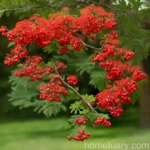
The vibrant, red berries of the European Rowan are a distinct characteristic of the tree and have been incorporated into culinary practices for centuries. Rich in nutrients and antioxidants, the berries are used to create an array of culinary delights, including jams, jellies, sauces, and alcoholic beverages such as liqueurs and wine. The tartness of the berries adds a unique flavor profile to these preparations, contributing to their popularity in regional cuisines.
One of the most well-known applications of European Rowan berries is the creation of Rowanberry jam, a traditional preserve that showcases the fruit’s distinct taste and vibrant color. Additionally, the berries are utilized in the production of flavorful syrups, allowing their unique properties to be enjoyed in a variety of culinary creations.
Medicinal Properties
The European Rowan has a rich history in traditional medicine, where various parts of the tree were used to address a range of ailments and enhance overall well-being. The berries were valued for their high vitamin C content and were historically consumed to bolster the immune system and combat seasonal illnesses.
Furthermore, the bark and leaves of the European Rowan were utilized in herbal remedies, with applications that included managing digestive disorders, relieving inflammation, and promoting skin health. While modern medicine has evolved, the traditional uses of the European Rowan in folk medicine highlight the plant’s historical significance in promoting health and wellness.
Wildlife Attraction
Apart from its culinary and medicinal uses, the European Rowan serves as a valuable resource for wildlife, attracting birds and other small animals with its berries. The tree’s berries are an important food source for various bird species, contributing to the ecological balance and providing sustenance during the winter months when food can be scarce.
Moreover, the European Rowan’s dense foliage and structural characteristics make it an attractive habitat for birds, offering nesting sites and shelter within its branches. By planting European Rowan trees, individuals can contribute to the conservation of local bird populations and promote biodiversity within their surroundings.
European Rowan Planting and Care
Successful cultivation of the European Rowan requires an understanding of its specific care requirements, from soil and sunlight preferences to maintenance practices that ensure the tree’s health and vigor. By adhering to proper planting and care guidelines, individuals can nurture thriving European Rowan trees that embody the plant’s cultural, ecological, and aesthetic significance.
Water
Water plays a crucial role in the establishment and growth of European Rowan trees, particularly during the initial stages following planting. Adequate moisture is essential to support root development and overall vitality. It is important to ensure that the soil is consistently moist, without being waterlogged, especially during warm weather and dry periods.
A general guideline for watering newly planted European Rowan trees is to provide approximately 1-2 inches of water per week, adjusting the frequency based on weather conditions and soil moisture levels. Once the tree is established, regular monitoring of soil moisture is recommended to sustain optimal growth and mitigate the risk of drought stress.
Sunlight
The European Rowan thrives in environments that receive full sun to partial shade, exhibiting a preference for well-lit locations that offer a balance of direct sunlight and shade. When selecting a planting site, it is important to consider the tree’s sunlight requirements and ensure that it is positioned in an area that receives adequate light throughout the day.
Providing the European Rowan with the appropriate sunlight exposure enables it to photosynthesize efficiently, promoting robust growth and vibrant foliage. While the tree is adaptable to varying light conditions, consistent exposure to adequate sunlight is conducive to overall health and ensures the development of an aesthetically pleasing canopy.
Fertilizer
The European Rowan generally requires minimal fertilization, as it is capable of thriving in nutrient-rich soils without the need for frequent feeding. However, in instances where the tree exhibits signs of nutrient deficiency, such as pale or discolored foliage, the application of organic, slow-release fertilizers may be beneficial to supplement essential nutrients and support healthy growth.
When applying fertilizer to European Rowan trees, it is advisable to utilize a balanced formulation with a gradual release mechanism, ensuring a steady and sustained supply of nutrients to the tree’s root system. Care should be taken to follow dosage recommendations and avoid over-fertilization, as excessive nutrient levels can result in adverse effects on the tree’s development.
Soil
The European Rowan thrives in well-drained, slightly acidic soils that offer good aeration and moisture retention. The tree showcases adaptability to various soil types, including loamy, sandy, and clay soils, provided they facilitate proper drainage and root health. Prior to planting, it is beneficial to conduct a soil assessment to determine its composition and pH levels, enabling the selection of suitable amendments if necessary.
In instances where the soil exhibits poor drainage or compaction, the incorporation of organic matter such as compost or well-rotted manure can improve soil structure and enhance moisture retention. Additionally, maintaining a layer of mulch around the base of the tree can help regulate soil temperature, minimize weed competition, and retain soil moisture, contributing to overall soil health and the European Rowan’s well-being.
Pruning
Pruning is an essential aspect of European Rowan tree care, serving to maintain the tree’s form and structure, remove dead or diseased wood, and encourage healthy growth. Pruning activities are commonly conducted during the tree’s dormant season, which typically occurs in late winter or early spring, to minimize stress on the tree and promote efficient healing.
Key objectives of European Rowan tree pruning include the removal of damaged or crossing branches, shaping the tree to enhance its aesthetic appeal, and promoting air circulation within the canopy. Proper pruning techniques, such as making clean cuts and avoiding unnecessary branch removal, are instrumental in fostering the tree’s overall health and longevity.
Propagation
The European Rowan can be propagated through various methods, including seeds, cuttings, and grafting, each offering unique advantages and considerations. Propagation allows for the creation of new trees and the preservation of specific cultivars, contributing to the conservation and diversification of the plant’s genetic resources.
Seed Propagation
Seed propagation is a commonly employed method for cultivating European Rowan trees and is characterized by its simplicity and accessibility. To propagate the tree from seeds, it is important to collect ripe berries from healthy parent trees and extract the seeds for sowing. The seeds can be stratified in a cool, moist environment for a period of time to simulate natural conditions that promote germination.
Upon germination, the seedlings can be transplanted into suitable containers or directly into prepared planting sites, ensuring proper care and maintenance to support their establishment. Seed propagation offers the opportunity to grow new European Rowan trees with genetic variability, contributing to the plant’s adaptability and diversity.
Cutting Propagation
Cutting propagation involves the use of vegetative cuttings from existing European Rowan trees to generate new plants with genetic similarity to the parent tree. Semi-hardwood cuttings are commonly utilized for propagation, with the selection of healthy, disease-free branches being a critical step in the process.
The cuttings are prepared with a clean, angled cut below a node and treated with rooting hormone to enhance the development of roots. Subsequently, the cuttings are placed in a well-drained, sterile rooting medium and provided with appropriate environmental conditions to facilitate root formation. Cutting propagation enables the rapid multiplication of European Rowan trees and the preservation of desirable traits from parent specimens.
Grafting
Grafting is another propagation method employed to reproduce specific European Rowan cultivars or to combine the attributes of different Sorbus species onto a single rootstock. This technique involves joining the scion, which is a section of desired cultivar, with the rootstock, enabling the fusion of vascular tissues and the development of a unified plant.
Grafting is often utilized in horticultural practices to perpetuate cultivars with superior traits and characteristics, ensuring the retention of desired fruit quality, disease resistance, and growth habits. By employing grafting techniques, individuals can propagate European Rowan trees with precision and preserve the genetic integrity of valued varieties.
Container Popularity
The European Rowan is well-suited for container gardening, offering individuals the flexibility to cultivate the tree in restricted spaces such as patios, balconies, and urban environments. Container planting allows for the integration of the European Rowan into diverse settings, providing ornamental and practical benefits within a compact framework.
The key to successful container gardening with European Rowan trees lies in selecting an appropriately sized container that accommodates the tree’s root system and promotes healthy growth. Adequate drainage is essential in container selection, as it contributes to root health and minimizes the risk of waterlogging, which can be detrimental to the tree’s vigor.
Additionally, container-grown European Rowan trees benefit from regular monitoring of soil moisture, fertilization, and maintenance practices to support their development. Successful container gardening with the European Rowan enables individuals to enjoy the tree’s ornamental beauty, culinary bounty, and ecological contributions in a confined space, enriching their living environment with natural splendor.
European Rowan Popularity and Common Varieties
The European Rowan and its cultivars are esteemed in horticultural settings for their aesthetic appeal, ecological significance, and culinary potential. Across various regions, different cultivars of the European Rowan are celebrated for their distinct characteristics and versatile uses, enriching landscapes and culinary traditions with their unique attributes.
Common Cultivars
Sorbus Aucuparia ‘Fastigiata’
This cultivar of European Rowan is recognized for its upright, columnar growth habit, presenting a compact and narrow silhouette that is well-suited for urban and confined spaces. The ‘Fastigiata’ variety showcases vibrant foliage and abundant berries, contributing to its ornamental appeal and potential wildlife attraction.
Sorbus Aucuparia ‘Edulis’
The ‘Edulis’ cultivar of European Rowan is treasured for its particularly flavorful and bountiful berries, which are renowned for their suitability in culinary applications and the production of jams, preserves, and beverages. The cultivar’s distinctive qualities make it a favored choice for individuals seeking to harness the culinary potential of European Rowan berries.
Sorbus Aucuparia ‘Autumn Spire’
The ‘Autumn Spire’ variety exhibits an elegant, narrow form with a strong vertical presence, making it an ideal selection for landscape design and vertical accents. Its abundant clusters of berries and vibrant autumn foliage enhance its visual impact, offering a compelling display of seasonal interest.
Common Diseases of European Rowan
The European Rowan is susceptible to certain diseases that can impact its health and vitality, necessitating proactive management strategies to prevent and address potential issues. By familiarizing oneself with common ailments that affect the tree, individuals can implement preemptive measures and minimize the risk of disease development.
Disease Diagnosis
Fire Blight (Erwinia amylovora)
Fire blight is a bacterial disease that affects a variety of woody plants, including the European Rowan, and is characterized by wilting, blackening of shoots, and the appearance of distinct cankers on branches. The disease is typically prevalent during warm, moist conditions and can spread rapidly, posing a threat to the tree’s overall well-being.
Powdery Mildew
Powdery mildew is a fungal disease that manifests as a white, powdery growth on the leaves and shoots of the European Rowan. It thrives in conditions of high humidity and can impede the tree’s photosynthetic processes, leading to reduced vigor and compromised aesthetics. Adequate air circulation and timely intervention are crucial in managing powdery mildew.
Canker Diseases
Canker diseases, caused by various fungal pathogens, can affect European Rowan trees and result in the development of sunken lesions, dieback, and overall decline. Cankers compromise the tree’s structural integrity and can serve as entry points for secondary pests and pathogens, necessitating vigilant monitoring and management measures to mitigate their impact.
Disease Management
Proactive disease management is essential in safeguarding the health and resilience of European Rowan trees, involving a combination of cultural, mechanical, and chemical interventions. By implementing preventive practices and prompt responses to disease development, individuals can uphold the vitality of their European Rowan specimens and minimize the risk of detrimental impacts.
Common disease management measures for the European Rowan include the following:
-
Cultural Practices: Maintaining optimal growing conditions, such as proper watering, adequate sunlight, and soil health, contributes to the tree’s vigor and resilience against diseases.
-
Pruning: Regular pruning to remove dead or diseased wood, improve air circulation, and minimize potential disease sources is instrumental in disease management.
-
Sanitation: Proper disposal of affected plant material, debris, and fallen leaves reduces the likelihood of disease spread and reinfection, promoting a cleaner and healthier environment for the tree.
-
Fungicidal Treatments: In cases of severe disease infestations, targeted fungicidal applications may be warranted to combat fungal pathogens and prevent disease progression.
By integrating thorough disease management practices into European Rowan cultivation, individuals can foster healthy, disease-resistant trees that fulfill their ornamental, ecological, and cultural roles in diverse settings.
Common Pests Affecting European Rowan
Pest infestations pose a potential threat to the health and vitality of European Rowan trees, necessitating vigilant monitoring and appropriate pest management techniques to minimize their impact. Recognizing common pests and their associated symptoms enables individuals to implement timely interventions and safeguard the well-being of their trees.
Common Pests
Aphids
Aphids are sap-feeding insects that can infest the foliage and shoots of European Rowan trees, causing distorted growth, honeydew secretion, and the development of sooty mold. Aphid populations are capable of rapid expansion and can compromise the tree’s physiological functions, necessitating prompt pest control measures.
Caterpillars
Certain caterpillar species, such as the larvae of moths and butterflies, can feed on the leaves and buds of the European Rowan, leading to defoliation and aesthetic degradation. Vigilant monitoring and early detection of caterpillar infestations are essential in preventing significant damage and preserving the tree’s foliage.
Spider Mites
Spider mites are minuscule arachnids that feed on plant sap and can cause stippling, discoloration, and webbing on the leaves of European Rowan trees. The presence of spider mites can affect the tree’s photosynthetic capacity and overall vigor, necessitating targeted pest management strategies to mitigate their impact.
Pest Management
Effective pest management for European Rowan trees involves a multi-faceted approach that encompasses integrated pest management (IPM) principles, emphasizing preventive measures, biological controls, and targeted interventions to minimize pest populations. By adopting proactive pest management strategies, individuals can uphold the health and aesthetics of their European Rowan specimens and promote their resilience against pest-related threats.
Key components of integrated pest management for European Rowan trees include:
-
Monitoring and Identification: Regular monitoring for pest activity and early identification of infestations enable timely intervention and targeted management efforts.
-
Cultural Practices: Encouraging natural predators, promoting biodiversity, and maintaining