Japanese Falsecypress (Chamaecyparis Pisifera ‘Golden Mop’)
Plants play a crucial role in our environment and landscaping. One particular plant that has gained popularity for its unique attributes is the Japanese.
Introduction
Plants play a crucial role in our environment and landscaping. One particular plant that has gained popularity for its unique attributes is the Japanese Falsecypress, scientifically known as Chamaecyparis Pisifera ‘Golden Mop’. This evergreen shrub is adored for its captivating golden foliage, distinct texture, and versatile uses in landscaping. In this comprehensive guide, we will delve into all aspects of this fascinating plant, from its cultivation and maintenance to its uses, common diseases, and pest control.
What is Japanese Falsecypress (Chamaecyparis Pisifera ‘Golden Mop’)?
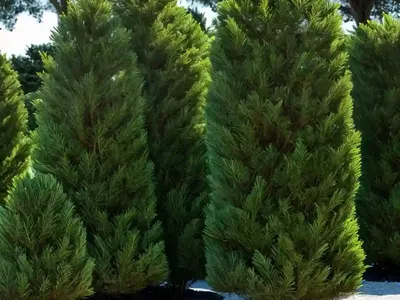
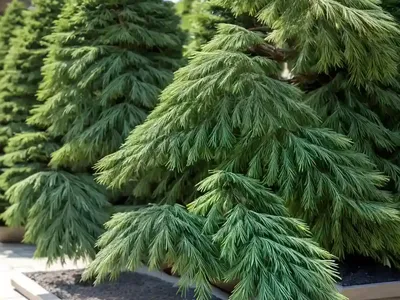
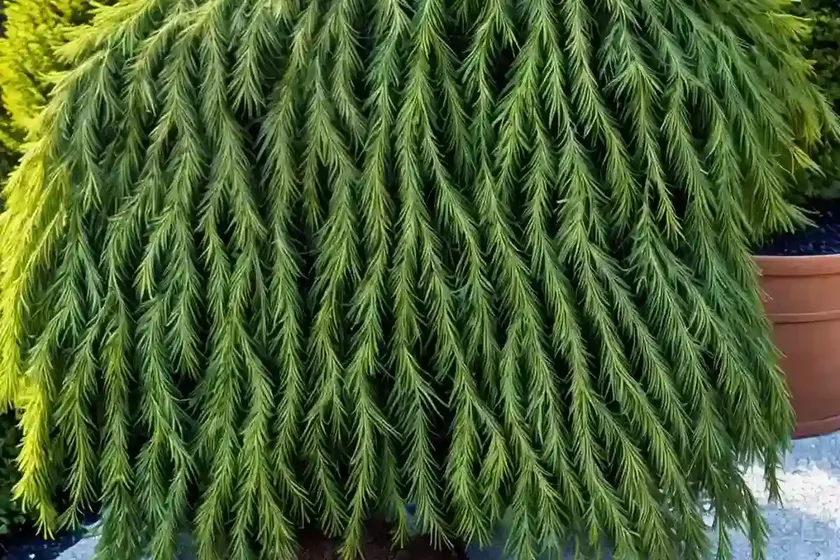
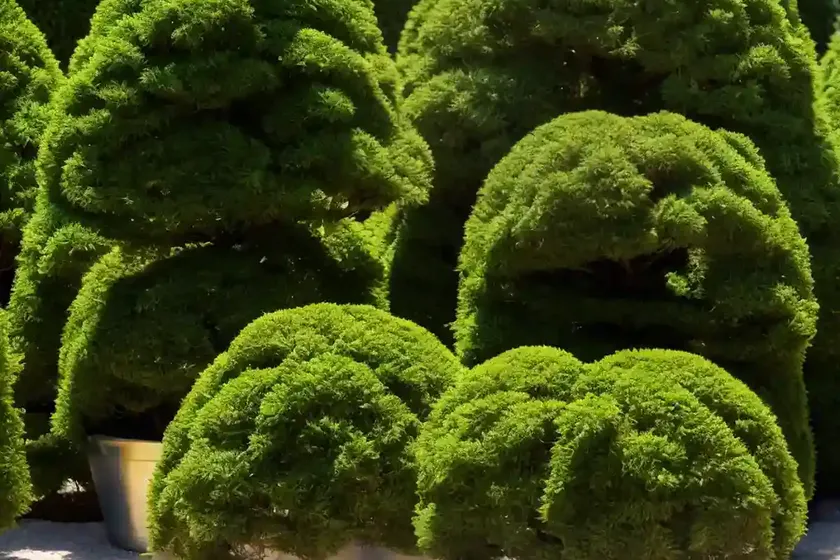
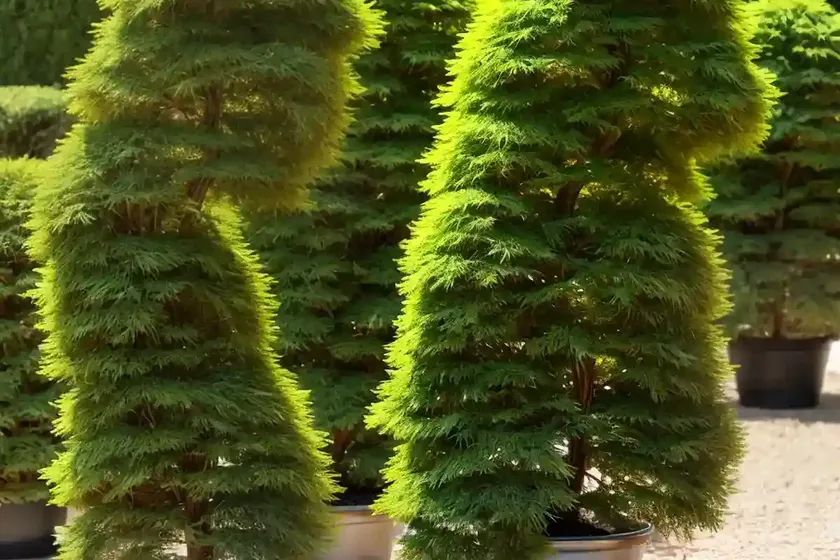
The Japanese Falsecypress, Chamaecyparis Pisifera ‘Golden Mop’, is a slow-growing, dwarf conifer that belongs to the Cupressaceae family. Originating from Japan, this cultivar is cherished for its vibrant, thread-like golden foliage, which maintains its color throughout the year. Its compact and mounding growth habit makes it an ideal choice for various landscaping applications, including rock gardens, border plantings, and as a focal point in containers.
Key Takeaways – Japanese Falsecypress (Chamaecyparis Pisifera ‘Golden Mop’)
To begin our exploration of the Japanese Falsecypress (Chamaecyparis Pisifera ‘Golden Mop’), it’s essential to highlight some key takeaways about this captivating plant:
- Scientific Name: Chamaecyparis Pisifera ‘Golden Mop’
- Common Names: Japanese Falsecypress Golden Mop, Golden Mop plants
- Characteristics: Dwarf conifer with vibrant golden foliage, slow-growing, compact and mounding growth habit
- Uses: Landscaping, container gardening, rock gardens, border plantings
- Cultivation Requirements: Specific water, sunlight, fertilizer, soil, and pruning needs
- Diseases and Pests: Common ailments and effective control measures
- Botanist’s Tips: Expert recommendations for optimal care and maintenance
- Fun Facts: Intriguing and lesser-known details about the Japanese Falsecypress
- External Resources: Links to further information and resources for an in-depth understanding
Now, let’s delve into the intricate details of cultivating and caring for the Japanese Falsecypress, including its water, sunlight, fertilizer, and soil requirements.
Culture
Water
The Japanese Falsecypress (Chamaecyparis Pisifera ‘Golden Mop’) thrives in well-drained soil and requires regular watering to establish a healthy root system. However, it’s crucial to avoid waterlogged conditions, as excessive moisture can lead to root rot. Design a watering schedule based on the specific environmental conditions, ensuring that the soil remains moist but not saturated.
Sunlight
This cultivar flourishes in full sun to partial shade, making it adaptable to a wide range of light conditions. When grown in full sun, the golden foliage of the Japanese Falsecypress emanates a striking and radiant appearance, enhancing its visual appeal in the landscape.
Fertilizer
A balanced, slow-release fertilizer applied in the early spring is beneficial for promoting the growth and vibrancy of the Japanese Falsecypress. Select a fertilizer with a formulation suited for evergreen shrubs, and follow the manufacturer’s guidelines for application rates. Avoid excessive fertilization, as it can lead to detrimental effects on the plant’s health.
Soil
The Japanese Falsecypress (Chamaecyparis Pisifera ‘Golden Mop’) thrives in well-drained, acidic soil with a pH range between 4.5 and 6.0. Incorporating organic matter such as compost or peat moss into the soil can enhance its structure and fertility, providing an optimal growing medium for this cultivar.
Pruning
Pruning is essential to maintain the compact and refined appearance of the Japanese Falsecypress (Chamaecyparis Pisifera ‘Golden Mop’). It’s advisable to conduct light pruning in the early spring to remove any dead or damaged foliage, shaping the plant as desired. Avoid extensive pruning, as it can impede the plant’s natural form and growth pattern.
Propagation
The propagation of the Japanese Falsecypress can be achieved through various methods, including softwood cuttings and layering. Softwood cuttings taken during the active growth period can be rooted in a suitable growing medium to establish new plants. Layering, where a low-growing branch is encouraged to root while still attached to the parent plant, is another effective propagation technique for this cultivar.
Container Popularity
Due to its compact size and attractive golden foliage, the Japanese Falsecypress (Chamaecyparis Pisifera ‘Golden Mop’) is immensely popular for container gardening. Its vibrant color and mounding growth habit make it a superb choice for embellishing outdoor patios, balconies, and garden spaces. When selecting a container for this cultivar, ensure it provides adequate drainage and sufficient space for root development.
Now, let’s explore the widespread popularity and uses of the Japanese Falsecypress in landscaping, along with its common diseases and pest control measures.
Popularity in Landscaping
The Japanese Falsecypress (Chamaecyparis Pisifera ‘Golden Mop’) has garnered immense popularity in the realm of landscaping due to its striking appearance and versatile applications. Its unique golden foliage adds a vibrant and eye-catching element to gardens, creating focal points and accentuating various design compositions. The compact nature of this cultivar makes it well-suited for small gardens, urban landscapes, and other confined spaces where its vibrant color can truly shine.
Common Uses
The distinct characteristics of the Japanese Falsecypress make it an excellent choice for a myriad of landscaping uses, including:
- Rock Gardens: The compact size and vibrant foliage of the Golden Mop make it an ideal addition to rock gardens, adding texture and visual interest.
- Border Plantings: Utilized as an edging plant or along pathways, the Japanese Falsecypress creates defining borders and delineates garden spaces with its bold color.
- Container Gardening: A popular choice for container plantings, the Golden Mop adds a splash of golden hue to outdoor patios, decks, and balconies.
- Focal Point in Landscapes: This cultivar serves as a captivating focal point, drawing attention and adding a pop of color to its surroundings.
- Mixed Evergreen Plantings: Incorporating the Japanese Falsecypress into mixed evergreen plantings enhances the overall aesthetic appeal and provides contrast to other foliage types.
The next section will delve into the common diseases that affect the Japanese Falsecypress and effective measures for disease diagnosis and control.
Common Diseases
Disease Diagnosis
When cultivating the Japanese Falsecypress (Chamaecyparis Pisifera ‘Golden Mop’), it’s crucial to monitor for common diseases, including:
- Canker Diseases: Characterized by the formation of sunken or swollen areas on the stems and branches, often accompanied by dieback and discoloration.
- Root Rot: Excessive moisture or poor drainage can lead to root rot, manifesting as discolored, mushy roots and wilting foliage.
- Needle Blight: Visible as browning or yellowing of the foliage, with potential needle shedding and stunted growth.
Disease Control
Implementing proactive measures to prevent and manage diseases is paramount for maintaining the health and vigor of the Japanese Falsecypress. Key strategies for disease control include:
- Pruning: Regular pruning to remove affected branches and foliage can mitigate the spread of diseases and promote overall plant health.
- Well-Drained Soil: Ensuring proper drainage and avoiding waterlogged conditions minimizes the risk of root rot and other moisture-related diseases.
- Fungicidal Treatments: In cases of severe fungal infections, targeted fungicidal treatments can be employed, following the manufacturer’s recommendations and guidelines for application.
As we transition to the topic of pest control, it’s essential to explore the common pests that pose a threat to the Japanese Falsecypress and effective measures for prevention and management.
Common Pests
The Japanese Falsecypress (Chamaecyparis Pisifera ‘Golden Mop’) is susceptible to various pests that can compromise its health and vitality. Key pests that may affect this cultivar include:
- Aphids: Small, sap-sucking insects that can cause distortion and discoloration of foliage, often leading to stunted growth.
- Mites: These microscopic pests feed on plant tissues, causing stippling, webbing, and overall decline in plant vigor.
- Scale Insects: Visible as small, immobile pests that can infest stems and branches, leading to weakening and dieback of the plant.
Pest Control Measures
Implementing effective pest control measures is imperative for safeguarding the Japanese Falsecypress against detrimental infestations. Integrated pest management techniques, including the following strategies, can aid in pest prevention and control:
- Regular Monitoring: Vigilant inspection of the plant for early pest detection enables prompt intervention and control measures.
- Horticultural Oils: Application of horticultural oils can effectively smother and control aphids, mites, and scale insects, reducing their populations.
- Natural Predators: Encouraging the presence of beneficial predators such as ladybugs and lacewings can contribute to natural pest control within the garden ecosystem.
Botanist’s Tips
Planting Guide
When establishing the Japanese Falsecypress (Chamaecyparis Pisifera ‘Golden Mop’), it’s essential to adhere to the following planting guidelines for optimal growth and performance:
- Select a well-drained planting site with adequate sunlight exposure for the best development of the plant.
- Amend the soil with organic matter and ensure proper soil pH to create an ideal growing environment.
- Water the newly planted shrub regularly to facilitate establishment and root development, especially during the initial phase.
Maintenance Tips
To maintain the health and vigor of the Japanese Falsecypress, incorporating the following maintenance practices is recommended:
- Regular pruning to remove dead or diseased foliage and maintain the desired shape and form of the shrub.
- Monitoring for signs of stress, disease, or pest infestations, and implementing appropriate control measures as needed.
- Providing sufficient water and nutrients to support the plant’s growth and overall well-being.
Fun Facts
As we conclude our exploration of the Japanese Falsecypress (Chamaecyparis Pisifera ‘Golden Mop’), let’s uncover some intriguing and lesser-known facts about this captivating plant:
- This cultivar’s vibrant golden foliage intensifies in color during the spring and summer months, imparting a radiant glow to the landscape.
- The thread-like foliage of the Golden Mop creates a soft and delicate texture, adding visual interest and diversity to garden compositions.
- The slow growth rate of this dwarf conifer makes it an excellent choice for low-maintenance landscapes and container displays, requiring minimal pruning and care.
Links to External Resources
For further information and resources on the Japanese Falsecypress (Chamaecyparis Pisifera ‘Golden Mop’), refer to the following external links:
- Chamaecyparis Pisifera ‘Golden Mop’ Profile
- Japanese Falsecypress Golden Mop Care Guide
- Landscaping with Dwarf Japanese Falsecypress
- Cultivation and Care of Chamaecyparis Pisifera Varieties
In conclusion, the Japanese Falsecypress (Chamaecyparis Pisifera ‘Golden Mop’) stands out as a captivating and versatile plant, offering a host of ornamental and landscaping benefits. By understanding its cultural requirements, uses in landscaping, and effective maintenance practices, one can fully appreciate the beauty and charm that this unique cultivar brings to outdoor spaces. Whether in rock gardens, container plantings, or mixed border arrangements, the Golden Mop’s golden foliage and distinctive form never fail to make a captivating statement in any landscape.
Note: The above information provides a comprehensive guide to the cultivation, uses, and maintenance of the Japanese Falsecypress (Chamaecyparis Pisifera ‘Golden Mop’), incorporating details on its water, sunlight, fertilizer, soil, pruning, propagation, diseases, pests, and botanist’s tips.