Northern Twinflower (Linnaea Americana): A Fascinating Plant with Unique Characteristics
Introduction
Plants are a crucial part of our environment, not only providing aesthetic beauty but also serving as a vital component of various ecosystems. In this blog post, we will delve into the world of the Northern Twinflower, also known by its scientific name, Linnaea Americana. This unique plant boasts distinctive characteristics, cultural significance, and a wide range of uses. We will explore its habitat, growth requirements, medicinal uses, ecological importance, and much more. By the end of this article, you will have a comprehensive understanding of the Northern Twinflower and how to care for it in various settings.
What is the Northern Twinflower (Linnaea Americana)?
The Northern Twinflower, Linnaea Americana, is a delicate, creeping, woody plant that belongs to the Caprifoliaceae family. This plant is native to North America and is characterized by its charming, paired, trumpet-shaped flowers. Linnaea Americana is widely admired for its ornamental value, ecological significance, and cultural symbolism.
Key Takeaways – Northern Twinflower (Linnaea Americana)
Before we delve into the details of this intriguing plant, let’s take a look at the key takeaways or the main points we will cover in this article:
- Plant Name: Northern Twinflower (Linnaea Americana)
- Characteristics: Unique features and attributes of the Northern Twinflower
- Care Tips: Insights into the optimal care and maintenance practices for Linnaea Americana
- Growth Requirements: Understanding the essential conditions for the healthy growth of the Northern Twinflower
- Planting Guide: Guidelines and tips for planting Linnaea Americana
- Habitat: Natural habitat and ecological preferences of the Northern Twinflower
- Medicinal Uses: Traditional and contemporary medicinal applications of Linnaea Americana
- Flower Description: Detailed description of the flowers of the Northern Twinflower
- Native Range: Geographical distribution and native regions where Linnaea Americana is found
- Conservation Efforts: Efforts aimed at preserving and protecting the Northern Twinflower
Characteristics of the Northern Twinflower (Linnaea Americana)
The Northern Twinflower, Linnaea Americana, exhibits a range of unique characteristics that contribute to its allure and significance. It’s vital to understand these features to appreciate the plant fully and provide suitable care.
The key characteristics of the Northern Twinflower include:
- Trailing Growth: Linnaea Americana is a low-growing, trailing plant, with a creeping habit that makes it well-suited for ground cover and ornamental use in landscaping.
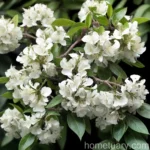
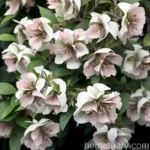
- Paired Flowers: One of the most distinctive features of the Northern Twinflower is its elegantly paired, bell-shaped flowers. These blooms are usually pink in color and have a delicate, fragrant nature.
- Fragrance: The flowers of Linnaea Americana emit a sweet, pleasant fragrance, adding to its appeal in gardens and natural settings.
- Leaves: The leaves of the Northern Twinflower are opposite, ovate to rounded, and provide an attractive backdrop to the delicate flowers.
- Habitat: Linnaea Americana is often found in moist, shaded woodland areas, thriving in environments with rich, organic soils.
Culture of the Northern Twinflower (Linnaea Americana)
Understanding the cultural significance and historical uses of the Northern Twinflower provides valuable insights into its role in various societies and ecosystems. Let’s explore the diverse cultural uses and folklore associated with Linnaea Americana.
Uses
The Northern Twinflower, Linnaea Americana, holds cultural and historic significance in various contexts. It has been utilized for:
- Ornamental Purposes: Due to its charming, paired flowers and trailing growth habit, Linnaea Americana is often cultivated for ornamental use in gardens, woodland landscapes, and naturalistic settings.
- Medicinal Applications: Traditionally, some Indigenous groups in North America used extracts of the Northern Twinflower for medicinal purposes, including treating minor ailments and skin conditions.
Northern Twinflower Care Tips
Proper care is essential for the health and vitality of the Northern Twinflower. Whether you are cultivating it in a garden or a container, following the appropriate care tips is crucial for its well-being.
Water
- Moderate Moisture: Linnaea Americana thrives in moderately moist soil. It is essential to avoid waterlogging, as excessive moisture can lead to root rot and other issues.
- Regular Watering: Especially during the drier months, regular watering is essential to maintain adequate soil moisture for the Northern Twinflower.
Sunlight
- Shade Tolerance: The Northern Twinflower prefers partial to full shade, making it an excellent choice for woodland gardens and shaded landscapes.
- Filtered Light: When grown in containers, providing filtered light or dappled shade helps replicate its natural woodland habitat.
Fertilizer
- Minimal Fertilization: Linnaea Americana typically does not require heavy fertilization. In natural settings, it thrives in nutrient-rich woodland soils without the need for additional fertilizers.
- Organic Amendments: If necessary, organic amendments such as compost can be incorporated into the soil to provide a gentle nutrient boost.
Soil
- Well-Drained, Rich Soil: The Northern Twinflower prefers well-drained, humus-rich soils with good moisture retention. Woodland soils with a rich organic content are well-suited for this plant.
- Acidic Soil Preference: Linnaea Americana thrives in slightly acidic soil conditions, mirroring its natural woodland habitat.
Pruning the Northern Twinflower (Linnaea Americana)
Pruning is an essential aspect of maintaining the health, shape, and vigor of the Northern Twinflower. Proper pruning techniques for Linnaea Americana include:
- Deadheading: Removing spent flowers encourages continuous blooming and helps maintain a tidy appearance.
- Trimming: Occasional light trimming of wayward or overgrown stems can help shape the plant and prevent it from becoming too dense.
Propagation of the Northern Twinflower
The propagation of Linnaea Americana can be achieved through various methods, including:
- Softwood Cuttings: Propagating from softwood cuttings taken during the plant’s active growth phase can yield successful results.
- Division: Dividing established clumps of the Northern Twinflower can be an effective way to propagate the plant and create new, healthy specimens.
Container Gardening with the Northern Twinflower
In addition to its use in traditional gardens and landscapes, the Northern Twinflower can thrive in containers, providing a charming and aromatic addition to patios, balconies, and outdoor living spaces.
Popularity in Container Gardening
- Compact Growth: The low, trailing growth habit of Linnaea Americana enhances its appeal in containers, where it can gracefully spill over the edges, creating a cascading effect.
- Fragrant Beauty: The delicate, paired flowers of the Northern Twinflower add a touch of elegance and fragrance to container displays.
Container Care
- Well-Draining Soil: When growing Linnaea Americana in containers, ensuring that the potting mix is well-draining and rich in organic matter is essential for its health.
- Moisture Management: Regular, consistent watering is crucial for container-grown Northern Twinflowers, as the soil in containers can dry out more quickly than garden soil.
Common Diseases of the Northern Twinflower
Like all plants, the Northern Twinflower is susceptible to certain diseases and issues that can affect its health and vigor. Understanding these common diseases and their diagnosis is vital for effective management.
Disease Diagnosis
- Powdery Mildew: A common fungal disease that appears as a powdery, white substance on the leaves. It can lead to stunted growth and reduce the overall health of the plant.
- Root Rot: Excessive soil moisture, especially in poorly draining or waterlogged conditions, can lead to root rot in Linnaea Americana, resulting in wilting, yellowing leaves, and overall decline.
Common Pests Affecting the Northern Twinflower
In addition to diseases, several pests can pose a threat to the Northern Twinflower, impacting its growth and vitality.
Pests
- Aphids: These small, sap-sucking insects can distort new growth and cause leaf yellowing. Regular monitoring and prompt action are essential for managing aphid infestations.
- Spider Mites: These tiny pests can cause stippling and webbing on the leaves, leading to reduced vigor and overall plant health.
Botanist’s Tips for Caring for the Northern Twinflower
From a botanist’s perspective, here are some additional insights and tips for caring for Linnaea Americana:
- Woodland Mimicry: In both garden and container settings, aiming to replicate the natural woodland habitat of the Northern Twinflower can enhance its growth and blooming potential.
- Ecosystem Integration: Introducing the Northern Twinflower into naturalistic landscapes can contribute to the ecological diversity and wildlife support within the area.
Fun Facts About the Northern Twinflower
To further appreciate the charm and uniqueness of the Northern Twinflower, here are some fun and fascinating facts:
- Symbolism: In some cultures, the Northern Twinflower symbolizes harmony, unity, and the beauty of interconnectedness, reflecting its paired flowers.
- Endangered Status: In certain regions, Linnaea Americana is considered a species of special concern due to habitat loss and environmental pressures.
- Wildlife Support: The fragrant blooms of the Northern Twinflower attract pollinators such as bees and butterflies, contributing to the biodiversity of the ecosystem.
Links to External Resources
To deepen your knowledge and explore additional information about the Northern Twinflower, here are some valuable links to external resources:
- The United States Department of Agriculture (USDA) Plants Database – Linnaea Americana
- The Lady Bird Johnson Wildflower Center – Northern Twinflower
- The University of Wisconsin-Madison Master Gardener Program – Linnaea Americana Research Report
- The Royal Horticultural Society (RHS) – Linnaea Americana Plant Finder
- The NatureServe Explorer – Linnaea Americana Species Report
By exploring these resources, you can access in-depth information, research findings, and practical insights into the Northern Twinflower, Linnaea Americana.
In conclusion, the Northern Twinflower (Linnaea Americana) stands as a captivating and ecologically important plant, offering a multitude of uses, cultural significance, and a touch of natural elegance. Whether admired in woodland settings, cultivated in gardens, or introduced to container displays, the charm and fragrance of the Northern Twinflower add a delightful dimension to any environment. Remembering its habitat needs, care requirements, and unique attributes ensures that this enchanting plant can thrive and continue to enrich our natural world.
References:
– United States Department of Agriculture (USDA) Plants Database. (n.d.). Linnaea Americana. https://plants.sc.egov.usda.gov/home/plantProfile?symbol=LIAL
– The Lady Bird Johnson Wildflower Center. (n.d.). Northern Twinflower. https://www.wildflower.org/plants/result.php?id_plant=LIAL
– University of Wisconsin-Madison Master Gardener Program. (n.d.). Northern Twinflower (Linnaea Americana) Research Report. https://wimastergardener.org/article/northern-twinflower-linnaea-americana/
– The Royal Horticultural Society (RHS). (n.d.). Linnaea Americana Plant Finder. https://www.rhs.org.uk/Plants/8978/Linnaea-americana/Details
– NatureServe. (n.d.). Linnaea Americana Species Report. https://explorer.natureserve.org/Taxon/ELEMENT_GLOBAL.2.143037/Linnaea_americana