Plant Scientist Blog: Sorbus ‘Joseph Rock’ (Mountain Ash)
Introduction
In the world of plants, Sorbus ‘Joseph Rock’ (Mountain Ash) stands out as a captivating and versatile species, offering a wide array of benefits and uses. In this comprehensive guide, we’ll explore the key characteristics, growth habits, care tips, and much more about this remarkable plant.
What is Sorbus ‘Joseph Rock’ (Mountain Ash)?
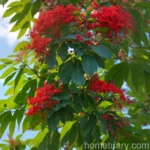
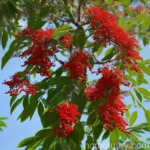
Sorbus ‘Joseph Rock’, commonly known as Mountain Ash, is a deciduous tree that belongs to the Rosaceae family. This beautiful tree is native to the mountainous regions of China, and it has gained immense popularity as an ornamental tree in gardens and landscapes worldwide. The striking appearance of its spring blooms, lush summer foliage, vivid fall colors, and vibrant winter berries makes it a sought-after species among gardeners and landscapers.
Key Takeaways – Sorbus ‘Joseph Rock’ (Mountain Ash)
Cultivation
When it comes to cultivation, Sorbus ‘Joseph Rock’ requires attention to specific environmental factors to thrive. Let’s delve into some key aspects of its cultivation.
Water
- Watering Needs: Mountain Ash trees generally require moderate watering, especially during dry periods. It’s essential to keep the soil consistently moist but not waterlogged, especially in the early stages of growth and during hot summers.
- Signs of Overwatering: Yellowing or browning of leaves, wilting, and the development of mold or fungus on the soil’s surface could indicate overwatering. Adjust the watering frequency accordingly to avoid water-related issues.
Sunlight
- Sun Exposure: These trees prefer full sun to partial shade for optimal growth and flower production. A minimum of six hours of direct sunlight is recommended for healthy development.
Fertilizer
- Fertilization: Sorbus ‘Joseph Rock’ benefits from an annual application of balanced fertilizer in the early spring. A slow-release fertilizer is ideal to provide long-term nutrient availability without excessive leaching.
Soil
- Soil Requirements: Well-draining, loamy soil with a slightly acidic to neutral pH range is suitable for Mountain Ash trees. Amending heavy or compacted soils with organic matter can enhance drainage and nutrient availability.
Pruning
- Pruning Time: The best time to prune Sorbus ‘Joseph Rock’ is during the dormant season in late winter to early spring. This timing allows for the removal of dead, diseased, or crossing branches, promoting a healthy and well-structured canopy.
- Pruning Techniques: When pruning, it’s important to use sharp, sanitized tools to make clean cuts. Selective thinning and shaping can help maintain an attractive form and encourage robust growth.
Propagation
- Propagation Methods: Mountain Ash trees can be propagated through seeds, cuttings, or grafting. Each method has its own specific requirements and considerations, and success rates may vary.
Container Popularity
- Container Gardening: While Mountain Ash trees are primarily grown in the ground, they can also thrive in large containers on patios or urban landscapes. Proper container size, soil quality, and adequate drainage are essential for successful container gardening.
Common Diseases
- Disease Resistance: Although generally healthy, Mountain Ash trees are susceptible to certain diseases, including fire blight, powdery mildew, and canker diseases. Regular monitoring and prompt treatment can help mitigate the impact of these issues.
Pest Management
- Pest Control: Aphids, sawflies, and caterpillars are among the common pests that can affect Mountain Ash trees. Natural predators, such as ladybugs and lacewings, can contribute to pest control, and targeted insecticidal treatments may be necessary in severe infestations.
Botanist’s Tips
As a plant scientist with a deep appreciation for Sorbus ‘Joseph Rock’ (Mountain Ash), here are some expert tips to consider for successful cultivation and management:
- Seasonal Care: Tailor your care practices to the changing seasons, addressing specific needs such as winter protection, spring pruning, and summer hydration.
- Environmental Adaptation: Mountain Ash trees exhibit impressive adaptability to various climatic conditions, and selecting appropriate cultivars can enhance their performance in specific regions.
- Wildlife Appeal: The vibrant berries of Sorbus ‘Joseph Rock’ are a valuable food source for birds and wildlife, contributing to biodiversity and ecological balance in garden settings.
Fun Facts
- The specific epithet “Joseph Rock” honors the renowned Austrian-American botanist and explorer Joseph Rock, who extensively studied and documented the flora of China.
- Mountain Ash trees are associated with folklore and cultural significance in several regions, often symbolizing protection and good fortune.
- The striking autumn foliage of Sorbus ‘Joseph Rock’ adds a captivating touch of color to landscapes, making it a standout feature in fall displays.
Links to External Resources
For further exploration and in-depth information on Mountain Ash trees, you can refer to the following resources:
- Royal Horticultural Society – Sorbus
- University of Florida IFAS Extension – Sorbus ‘Joseph Rock’
- Purdue University – Mountain Ash
- Missouri Botanical Garden – Sorbus
- The Morton Arboretum – Mountain Ash
In conclusion, Sorbus ‘Joseph Rock’ (Mountain Ash) is a captivating and valuable addition to garden landscapes, offering year-round beauty, wildlife support, and cultural significance. By understanding and implementing the key cultivation practices and insights shared in this guide, plant enthusiasts can create thriving and visually stunning settings with the presence of this exceptional tree.