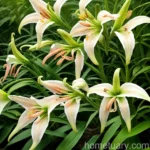
Plant Scientist’s Guide to Asiatic Lily (Lilium ‘Gypsy’)
As a plant scientist with a passion for understanding and nurturing the natural world, I am excited to delve into the realm of Asiatic lilies, particularly the captivating Lilium ‘Gypsy.’ In this comprehensive guide, we will explore the beauty, care, cultivation, and fascinating characteristics of this stunning flowering plant.
What is an Asiatic Lily: Lilium ‘Gypsy’
The Asiatic lily, scientifically known as Lilium, is a genus of herbaceous flowering plants that belongs to the Liliaceae family. Lilium ‘Gypsy’ is a specific cultivar of Asiatic lilies, known for its vibrant blooms and graceful presence in gardens and landscapes.
Key Takeaways – Asiatic Lily (Lilium ‘Gypsy’)
Before we dive into the specifics of cultivating and caring for Lilium ‘Gypsy,’ let’s highlight some key takeaways that will guide us through our exploration.
- Plant Name: Asiatic Lily (Lilium ‘Gypsy’)
- Botanical Family: Liliaceae
- Cultivar: ‘Gypsy’
- Common Name: Asiatic Lily
- Characteristics: Vibrant blooms, herbaceous perennial, multiple flower colors, easy to grow
- Uses: Garden ornamental, cut flowers, container planting
Now, let’s embark on an in-depth journey into understanding and nurturing the beauty of Lilium ‘Gypsy.’
Culture and Characteristics
Understanding the cultural requirements and characteristics of Lilium ‘Gypsy’ is essential for providing the best possible care and cultivating this plant to its fullest potential. Let’s explore the key aspects of its culture and characteristics.
Uses
Lilium ‘Gypsy’ serves various purposes in horticulture, adding beauty and elegance to diverse settings. Some common uses include:
- Garden Ornamental: As a stunning addition to flower beds, borders, and landscaping features.
- Cut Flowers: Their vibrant blooms make them popular choices for creating stunning floral arrangements.
- Container Planting: Well-suited for thriving in containers, bringing their beauty to patios, balconies, and indoor spaces.
Water
Water is an essential element in the care and maintenance of Lilium ‘Gypsy.’ Adequate hydration is crucial for promoting healthy growth and vibrant blooms. Proper watering practices include:
- Regular Moisture: Keep the soil consistently moist, but not waterlogged, especially during the active growing season and flowering period.
- Deep Watering: Ensure deep watering to encourage strong root development and resilience to heat stress.
- Mulching: Apply a layer of organic mulch around the base of the plant to retain soil moisture and regulate temperature.
Sunlight
Asiatic lilies, including Lilium ‘Gypsy,’ have specific sunlight requirements that influence their growth and flowering. Understanding their sunlight needs is essential for optimal performance.
- Full Sun to Partial Shade: Provide a location with at least 6-8 hours of direct sunlight daily for best flowering results.
- Afternoon Shade: In regions with intense heat, some afternoon shade can help protect the plants from excessive sun exposure.
Fertilizer
Nutrient management through appropriate fertilization is vital for nurturing healthy, vigorous Asiatic lilies. Understanding the best fertilizer practices is key for promoting robust growth and prolific blooming.
- Balanced Fertilizer: Apply a balanced, slow-release fertilizer in early spring before the growing season begins, following the manufacturer’s recommendations.
- Top Dressing: As an alternative, top dressing with well-rotted compost or organic matter can provide a natural nutrient source for the plants.
Soil
The soil composition and quality greatly influence the overall health and performance of Lilium ‘Gypsy.’ Understanding the ideal soil conditions is crucial for establishing and maintaining these plants.
- Well-Drained Soil: Ensure the planting site has well-draining soil to prevent waterlogging and root rot.
- Organic Matter: Incorporate organic matter such as compost or peat moss into the soil to improve its structure and fertility.
- pH Levels: Aim for slightly acidic to neutral soil with a pH range of 6.0-7.0 for optimal nutrient uptake.
Pruning
Pruning plays a vital role in maintaining the health, aesthetics, and longevity of Lilium ‘Gypsy’ plants. Proper pruning practices can help promote vigorous growth and abundant flowering.
- Deadheading: Regularly remove spent blooms to encourage continuous flowering and prevent seed formation, directing the plant’s energy towards producing new blooms.
- Pruning Stems: After flowering, trim back the flower stems to the base, but allow the foliage to continue photosynthesizing to support the bulb’s growth and development.
Propagation
For those seeking to expand their collection of Lilium ‘Gypsy’ or share the beauty of this cultivar with others, mastering the art of propagation is an enriching endeavor.
- Division: Propagate through division by carefully separating and replanting the bulb offsets during the dormant season, typically in autumn.
- Bulbils: Some lilies may produce bulbils along the stem. These small bulbs can be carefully removed and planted to grow into new plants.
Container Popularity
The versatility and captivating beauty of Lilium ‘Gypsy’ make it a popular choice for container gardening, offering individuals the opportunity to enjoy these stunning blooms in a variety of settings.
- Patio Decor: Enhance outdoor spaces with the vibrant colors and elegance of Lilium ‘Gypsy’ in decorative containers and planters.
- Indoor Elegance: With proper care, these lilies can thrive indoors, adding a touch of natural beauty to homes and indoor environments.
Common Diseases and Pests
Understanding the potential threats to the health and vitality of Lilium ‘Gypsy’ is essential for implementing preventative measures and timely interventions when necessary. Let’s explore some common diseases and pests that may affect these plants.
Common Diseases
Despite their resilience, Asiatic lilies, including Lilium ‘Gypsy,’ can be susceptible to certain diseases. Being vigilant and proactive in disease management is crucial for preserving the plants’ health.
- Botrytis Blight: This fungal disease can lead to the development of brown spots on the leaves and flowers, particularly in humid conditions. Good air circulation and proper spacing can help prevent its occurrence.
- Gray Mold: Another fungal disease, gray mold, may present as fuzzy gray patches on the plant parts. Remove affected plant material and provide good airflow to minimize its impact.
Disease Diagnosis
In diagnosing potential diseases in Lilium ‘Gypsy,’ careful observation and prompt action are paramount. Early identification and accurate diagnosis can mitigate the effects of diseases.
- Symptom Recognition: Be attentive to any changes in leaf color, texture, or the presence of spots, as well as abnormalities in flowering and overall plant vigor.
- Professional Advice: If unsure about a specific condition, consult with a local horticulturist or plant health expert for accurate diagnosis and targeted treatment recommendations.
Common Pests
Pests can pose significant challenges to the health and aesthetics of Lilium ‘Gypsy.’ Recognizing and addressing common pests promptly is essential for preventing extensive damage.
- Aphids: These tiny, sap-sucking insects can cluster on the undersides of leaves, leading to distorted growth and reduced plant vigor. Control measures include hosing off aphids or introducing natural predators like ladybugs.
- Lily Leaf Beetles: These bright red pests can significantly damage lily foliage and flowers. Hand-picking and disposing of the beetles can be an effective control method, especially in smaller plantings.
Botanist’s Tips for Cultivating Lilium ‘Gypsy’
Drawing from botanical expertise and practical experience, here are some valuable tips for cultivating and caring for Lilium ‘Gypsy’ with success and satisfaction.
- Mulching Matters: Apply a layer of organic mulch around the plants to retain moisture, suppress weeds, and moderate soil temperature.
- Support for Stems: In areas prone to strong winds, providing support for the tall flower stems can prevent lodging and breakage, preserving the elegance of the blooms.
- Companion Planting: Pair Lilium ‘Gypsy’ with compatible plants that enhance its beauty and provide complementary attributes, such as low-growing perennials or ornamental grasses.
Fun Facts about Lilium ‘Gypsy’
As we immerse ourselves in the enchanting world of Lilium ‘Gypsy,’ let’s uncover some intriguing and delightful facts about this captivating cultivar.
- Color Diversity: Lilium ‘Gypsy’ is celebrated for its stunning array of colors, including vibrant shades of orange, red, yellow, and bi-colored combinations, adding a splash of diversity to garden landscapes.
- Fragrant Charm: Some varieties of Lilium ‘Gypsy’ boast delightful fragrances, ranging from sweet and floral to spicy and citrusy, adding an olfactory dimension to their allure.
- Pollinator Magnet: The nectar-rich blooms of Lilium ‘Gypsy’ attract various pollinators, including bees, butterflies, and hummingbirds, contributing to the ecological vibrancy of garden spaces.
Links to External Resources
For further enrichment and detailed insights into cultivating and appreciating Lilium ‘Gypsy,’ consider exploring the following external resources:
- The Royal Horticultural Society: A renowned authority on horticultural excellence, offering valuable insights into lily care and cultivation.
- University Cooperative Extension Services: The extension offices often provide region-specific guidance on growing lilies and managing common issues.
- American Lily Society: A community of lily enthusiasts and experts, sharing a wealth of knowledge on various lily species and cultivars.
- Local Botanical Gardens and Arboreta: Visiting local botanical gardens provides the opportunity to observe different lily varieties and gain inspiration for gardening endeavors.
In conclusion, our exploration of Lilium ‘Gypsy’ has unveiled the breathtaking beauty, cultural nuances, and nuanced care requirements of this remarkable cultivar. May this knowledge inspire and guide fellow plant enthusiasts in cultivating and cherishing the enchanting presence of Asiatic lilies in their natural sanctuaries.