All About Shasta Daisy (Leucanthemum x superbum ‘Sunny Side Up’)
Plants are fascinating organisms that play a crucial role in sustaining life on Earth. From providing oxygen to serving as sources of food and medicine, plants are an integral part of our lives. As a plant scientist, I am continually intrigued by the diverse and unique characteristics of different plant species. In this article, I will focus on the captivating Shasta Daisy (Leucanthemum x superbum ‘Sunny Side Up’), exploring its culture, uses, maintenance, and fascinating facts.
What is Shasta Daisy?
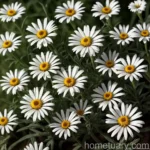
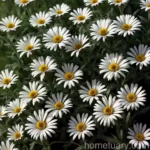
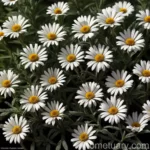
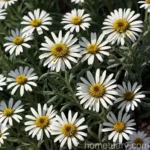
Shasta Daisy, scientifically known as Leucanthemum x superbum ‘Sunny Side Up’, is an enchanting perennial flowering plant that belongs to the Asteraceae family. It is a hybrid species derived from the cross-breeding of various species within the Leucanthemum genus. Renowned for its delightful daisy-like flowers and impressive ornamental qualities, Shasta Daisy is a popular choice among gardeners and landscaping enthusiasts.
Key Takeaways
Before delving deeper into the specific aspects of Shasta Daisy care and attributes, let’s take a look at the key takeaways regarding this fascinating plant.
Shasta Daisy (Leucanthemum x superbum ‘Sunny Side Up’)
– Family: Asteraceae
– Common Name: Shasta Daisy
– Scientific Name: Leucanthemum x superbum ‘Sunny Side Up’
– Growth: Perennial
– Cultivar: ‘Sunny Side Up’
– Characteristics: Daisy-like flowers, ornamental foliage
– Uses: Ornamental gardens, landscaping
– Watering: Moderate
– Sunlight: Full sun to partial shade
– Soil: Well-draining, fertile
– Pruning: Regular deadheading
– Propagation: Division, seeds
– Common Pests: Aphids, slugs
– Common Diseases: Powdery mildew, leaf spot
Now that we have a general overview of Shasta Daisy, let’s delve into the specific aspects of its culture, care, and maintenance.
Culture
Understanding the culture requirements of Shasta Daisy is vital for ensuring its optimal growth and blooming. From water and sunlight needs to soil and fertilizer preferences, each aspect contributes to the overall well-being of this charming plant.
Water
While Shasta Daisy is relatively tolerant of varying moisture levels, it thrives in moderately moist soil. During the growing season, regular watering is essential, especially during dry periods. Adequate moisture helps promote robust growth and abundant flowering. However, it is crucial to avoid waterlogged conditions, as excessive moisture can lead to root rot and other detrimental issues.
Watering Tips for Shasta Daisy:
– Water when the top inch of the soil feels dry to the touch.
– Water deeply to encourage deep root growth.
– Mulch the soil to retain moisture and regulate soil temperature.
Sunlight
Shasta Daisy is renowned for its love of sunshine. Providing ample sunlight is crucial for promoting vigorous flowering and sturdy growth. While it can tolerate partial shade, the best blooming results are achieved in full sun conditions.
Sunlight Recommendations:
– Plant in a location with at least 6-8 hours of direct sunlight per day.
– Ensure adequate air circulation to prevent humidity-related issues.
Fertilizer
Feeding Shasta Daisy with a balanced fertilizer can enhance its overall performance and flowering capacity. A slow-release or organic fertilizer applied in spring can provide the necessary nutrients for healthy growth and prolific blooms.
Fertilizing Guidelines:
– Use a balanced fertilizer with equal NPK (nitrogen, phosphorus, potassium) ratios.
– Apply fertilizer according to the manufacturer’s instructions to avoid overfeeding.
Soil
The soil quality plays a critical role in the health and vitality of Shasta Daisy. Well-draining, fertile soil with a slightly acidic to neutral pH is ideal for this perennial beauty. Amending the soil with organic matter such as compost or well-rotted manure can improve its texture and nutrient content, creating an optimal growing environment for the plant.
Soil Recommendations:
– Ensure good drainage to prevent waterlogging.
– Conduct a soil test to assess the pH and nutrient levels before planting.
Pruning
Proper pruning not only helps maintain the attractive appearance of Shasta Daisy but also encourages continuous flowering. Deadheading – the removal of spent flowers – promotes the development of new blooms and prevents the plant from diverting energy into seed production.
Pruning Techniques for Shasta Daisy:
– Regularly remove faded or withered flowers to stimulate new growth.
– Cut back the stems to ground level in late fall or early spring to rejuvenate the plant.
Propagation
Propagating Shasta Daisy allows for the expansion of its presence in the garden or landscape. This can be achieved through two primary methods: division and seed propagation.
Propagation Methods:
– Division: Divide mature clumps in spring or early fall, ensuring each division has healthy roots and shoots.
– Seed Propagation: Collect seeds from mature flowers and sow them in a prepared seedbed or containers. Provide adequate moisture and sunlight for successful germination.
Container Popularity
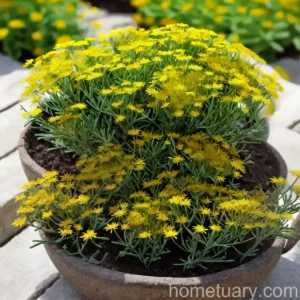
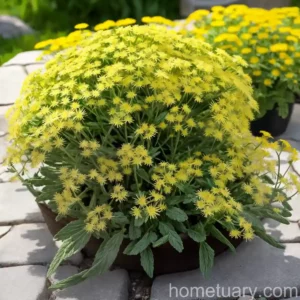
Shasta Daisy’s compact growth habit and charming flowers make it a popular choice for container gardening. Its versatility in containers allows individuals with limited garden space to enjoy the beauty of this perennial plant on patios, balconies, or even indoors.
Container Care
Caring for Shasta Daisy in containers requires attention to watering, sunlight, and soil conditions. Here are some key points to consider when growing this species in containers:
Container Care Tips:
– Use well-draining potting mix to prevent waterlogging.
– Water container-grown Shasta Daisy regularly, ensuring the soil is moist but not waterlogged.
– Place the containers in a location with ample sunlight, preferably in a south-facing or west-facing position.
Common Diseases
Like many plants, Shasta Daisy is susceptible to certain diseases that can affect its overall health and appearance. Being aware of these common diseases and their symptoms is crucial for early detection and effective management.
Disease Diagnosis
Common Diseases of Shasta Daisy:
1. Powdery Mildew: A fungal disease that appears as a white powdery coating on the foliage. It can weaken the plant and inhibit flowering.
2. Leaf Spot: Characterized by dark spots or lesions on the leaves, often caused by fungal pathogens. It can lead to defoliation if left untreated.
Disease Management
Preventative measures and early intervention are key to managing and preventing diseases in Shasta Daisy. Here are some strategies to mitigate the impact of common diseases:
Disease Management Strategies:
– Ensure adequate air circulation to reduce humidity and minimize fungal growth.
– Avoid overhead watering to prevent the spread of fungal spores.
– Apply fungicidal treatments as a preventive measure, especially during periods of high humidity.
Common Pests
Pests can pose a threat to the vitality of Shasta Daisy, causing damage to the foliage and compromising its overall vigor. Recognizing the signs of pest infestations and implementing appropriate control measures is essential for preserving the plant’s health.
Common Pests Affecting Shasta Daisy:
1. Aphids: Small, soft-bodied insects that cluster on the undersides of leaves and suck sap from the plant, causing curling and distortion of the foliage.
2. Slugs: These slimy pests can feed on the leaves of Shasta Daisy, leaving behind ragged edges and holes.
Pest Management
Integrated pest management (IPM) practices, including cultural, mechanical, and biological control methods, can effectively manage pest infestations without relying solely on chemical treatments.
Pest Management Techniques:
– Attract natural predators of aphids, such as ladybugs, by planting companion plants that provide habitat and food sources for beneficial insects.
– Handpick or use barriers to control slug populations, such as copper tape or diatomaceous earth.
Botanist’s Tips
Now that we’ve covered the cultural requirements, care techniques, and common issues related to Shasta Daisy, let’s explore some additional tips and insights from a botanist’s perspective.
Botanist’s Insights:
- Companion Planting: Pair Shasta Daisy with other pollinator-friendly plants, such as lavender, bee balm, and coneflowers, to create a vibrant and biodiverse garden.
- Wildlife Habitat: The nectar-rich flowers of Shasta Daisy attract bees, butterflies, and other pollinators, contributing to the ecological value of the garden.
- Medicinal Uses: While primarily cultivated for ornamental purposes, certain species within the Leucanthemum genus have been traditionally used in herbal medicine for their potential medicinal properties.
Fun Facts
To add a touch of fascination and wonder to our exploration of Shasta Daisy, let’s uncover some delightful and intriguing fun facts about this charming plant.
Engaging Facts About Shasta Daisy:
- Historical Significance: Shasta Daisy is named after the snow-capped Mount Shasta in California, where it is said to have been first introduced and cultivated.
- Longevity: When properly cared for, Shasta Daisy can thrive for many years, gracing the garden with its timeless beauty.
- Cultural Symbolism: Daisy flowers, including the Shasta Daisy, have traditionally symbolized innocence, purity, and new beginnings, making them popular choices for bouquets and floral arrangements.
Links to External Resources
For further exploration and in-depth information on Shasta Daisy, I recommend the following external resources:
- Missouri Botanical Garden – Shasta Daisy Care: Missouri Botanical Garden
- Royal Horticultural Society – Leucanthemum x superbum ‘Sunny Side Up’: RHS
- University of Illinois Extension – Growing Perennials: Leucanthemum x superbum: University of Illinois Extension
By exploring these resources, you can gain a deeper understanding of the Shasta Daisy’s characteristics, cultivation, and potential uses in your garden or landscape.
In conclusion, the Shasta Daisy (Leucanthemum x superbum ‘Sunny Side Up’) stands as a beautiful representation of nature’s elegance and resilience. Its ability to thrive in various conditions, coupled with its ornamental allure, makes it a cherished addition to gardens, landscapes, and floral designs. By understanding its cultural requirements, embracing its botanical charm, and applying best practices for care and maintenance, enthusiasts can cultivate and admire the timeless beauty of this remarkable perennial plant.
So, whether you are a seasoned gardener, a nature enthusiast, or someone embarking on a journey of cultivating flora, Shasta Daisy offers a captivating and rewarding experience, bringing forth the joy and splendor of the natural world into our lives.