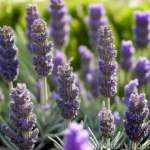
English Lavender (Lavandula angustifolia ‘Munstead’): A Comprehensive Guide
The elegant beauty and aromatic allure of lavender have made it a beloved plant for gardeners, herbalists, and enthusiasts alike. Among the various species and cultivars, English lavender (Lavandula angustifolia) stands out for its delicate fragrance, versatility, and numerous uses, and the ‘Munstead’ variety is particularly renowned for its exceptional qualities. In this guide, we will explore the fascinating world of English lavender, with a special focus on the ‘Munstead’ cultivar.

What is Lavandula angustifolia ‘Munstead’?
‘Lavandula angustifolia’ is a species of lavender that is commonly known as English lavender. The ‘Munstead’ cultivar is a specific variety of L. angustifolia that is highly regarded for its compact growth habit, rich fragrance, and ornamental appeal. This cultivar was named after Munstead Wood, the home of renowned British horticulturist Gertrude Jekyll, where it was first developed. ‘Munstead’ lavender is recognized for its resilience, making it an ideal choice for various garden settings, from formal borders to informal cottage gardens.
Key Takeaways – English Lavender (Lavandula angustifolia ‘Munstead’)
Before we delve into the details of cultivating and caring for English lavender, let’s highlight some key takeaways about this enchanting plant.
- English lavender, particularly the ‘Munstead’ variety, is prized for its delicate fragrance, making it a popular choice for aromatherapy, herbal remedies, and crafts.
- This cultivar is known for its compact growth habit, making it suitable for small gardens, containers, and edging.
- ‘Munstead’ lavender is a versatile plant with uses ranging from culinary applications to decorative displays and essential oil production.
- With proper care and suitable growing conditions, English lavender can thrive and beautify gardens with its captivating blooms and aromatic foliage.
Now, let’s explore the various aspects of cultivating and caring for English lavender, with a focus on the ‘Munstead’ variety.
Culture
Uses
English lavender, including the ‘Munstead’ cultivar, offers a myriad of uses that have contributed to its enduring popularity.
- Aromatherapy: The fragrant essential oil extracted from lavender is widely used in aromatherapy for its calming and soothing effects. The sweet, floral scent of ‘Munstead’ lavender makes it a preferred choice for essential oil production.
- Culinary Applications: Lavender is a versatile culinary herb, adding a hint of floral sweetness to dishes and beverages. From lavender-infused desserts to flavored salts and herbal teas, ‘Munstead’ lavender enhances a wide range of culinary creations.
- Medicinal Properties: Lavender has long been valued for its potential health benefits, including its calming effects, skin-soothing properties, and potential use in natural remedies.
- Decorative Displays: The enchanting blooms and aromatic foliage of ‘Munstead’ lavender make it a popular choice for bouquets, wreaths, and decorative arrangements, adding a touch of elegance to interior and exterior spaces.
- Insect Repellent: The fragrance of lavender, including ‘Munstead’ lavender, is known to repel certain insects, making it a natural and aromatic choice for deterring pests.
- Crafts and DIY Projects: From potpourri and sachets to handmade soaps and candles, the dried flowers and fragrant foliage of ‘Munstead’ lavender inspire a wide array of crafts and do-it-yourself projects.
- Relaxation and Stress Relief: The calming aroma of lavender is often used to create a serene and relaxing atmosphere, promoting a sense of tranquility and stress reduction in various settings.
These versatile uses highlight the appeal and practicality of cultivating ‘Munstead’ lavender in diverse settings, from gardens to indoor spaces.
Water
Proper watering is essential for the health and vitality of English lavender, including the ‘Munstead’ variety. While lavender is known for its drought tolerance once established, consistent moisture is crucial during the initial establishment phase. Here are some key considerations for watering ‘Munstead’ lavender:
-
Establishment Phase: Young ‘Munstead’ lavender plants benefit from regular watering to promote root establishment and growth. Water deeply but infrequently, allowing the soil to dry out slightly between waterings. This encourages the development of deep, robust roots.
-
Mature Plants: Once ‘Munstead’ lavender plants are established, they require less frequent watering. Allow the soil to dry out partially between waterings, and avoid overwatering, as excessive moisture can lead to root rot and other issues.
-
Watering Frequency: The watering frequency for ‘Munstead’ lavender can vary based on factors such as climate, soil type, and container vs. ground cultivation. In general, aim to provide moderate, consistent moisture during the growing season, and reduce watering in the winter months when the plant is dormant.
-
Watering Methods: Water ‘Munstead’ lavender at the base of the plant to avoid wetting the foliage, which can increase the risk of fungal diseases. Drip irrigation or soaker hoses are effective methods for delivering water directly to the root zone.
Sunlight
Sunlight is a critical factor for the growth and blooming of English lavender, including the ‘Munstead’ variety, as it thrives in sunny, well-lit locations. Here’s what you need to know about providing adequate sunlight for ‘Munstead’ lavender:
-
Full Sun Exposure: ‘Munstead’ lavender performs best when it receives full sunlight, which is generally defined as at least six to eight hours of direct sunlight per day. Placing the plants in a sunny, open location allows them to flourish and produce an abundance of fragrant blooms.
-
Optimal Orientation: When selecting a site for ‘Munstead’ lavender, prioritize locations that receive ample sunlight throughout the day, especially during the peak growing season. South-facing or west-facing exposures are often ideal for providing the necessary sunlight.
-
Indoor Cultivation: When growing ‘Munstead’ lavender indoors or in containers, ensure that the plants receive ample natural light by placing them near south-facing windows or supplemental grow lights to mimic the intensity of sunlight.
-
Sunlight Benefits: Adequate sunlight not only promotes robust growth and abundant flowering in ‘Munstead’ lavender but also contributes to the development of the plant’s essential oils, intensifying its characteristic fragrance.
Fertilizer
Fertilizing ‘Munstead’ lavender judiciously can support its growth and vitality, but it’s important to approach fertilization with care to avoid overstimulating the plants. Consider the following guidelines for fertilizing ‘Munstead’ lavender:
-
Minimal Fertilization: Lavender, including the ‘Munstead’ variety, is adapted to lean, well-draining soils and generally thrives without heavy fertilization. Excessive nitrogen can lead to lush foliage at the expense of blooms and the plant’s characteristic fragrance.
-
Natural Amendments: When amending the soil for ‘Munstead’ lavender, opt for organic materials such as well-aged compost, aged manure, or balanced organic fertilizers to provide a gentle, slow-release source of nutrients. Avoid high-nitrogen fertilizers, which can negatively impact the plant’s performance.
-
Fertilization Schedule: Apply a light application of balanced fertilizer, such as a 10-10-10 NPK (nitrogen, phosphorus, potassium) formulation, in early spring as new growth emerges. Refrain from fertilizing ‘Munstead’ lavender later in the growing season to prevent excessive lushness.
-
Container Considerations: When growing ‘Munstead’ lavender in containers, use a quality potting mix with added perlite or coarse sand for improved drainage. Fertilize sparingly, as nutrients can leach more rapidly from container soil compared to garden beds.
Soil
The soil requirements for ‘Munstead’ lavender align with the preferences of English lavender in general, emphasizing well-draining, alkaline to neutral soil. Pay attention to the following aspects when preparing the soil for ‘Munstead’ lavender:
-
Drainage: Excellent drainage is crucial for the health of ‘Munstead’ lavender, as it helps prevent waterlogged conditions that can lead to root rot. Sandy or loamy soils with good drainage are preferable. Consider amending heavy clay soils with organic matter to improve drainage.
-
Soil pH: Lavender, including the ‘Munstead’ variety, thrives in slightly alkaline to neutral soil with a pH range of 6.7 to 7.3. Conduct a soil test to determine the pH of the planting area and adjust it as needed using amendments such as dolomitic lime for alkaline conditions or elemental sulfur for acidic soils.
-
Soil Structure: Prepare the soil for ‘Munstead’ lavender by cultivating it to a depth of 12 to 15 inches (30-38 cm) to loosen compaction and enhance root penetration. Incorporate organic matter like compost or well-rotted manure to enrich the soil and improve its structure.
-
Container Considerations: When growing ‘Munstead’ lavender in containers, select a well-draining potting mix formulated for herbs or succulents. Avoid heavy, water-retentive mixes, as they can lead to excess moisture around the roots.
Pruning
Pruning is an essential aspect of maintaining the health, appearance, and longevity of ‘Munstead’ lavender, and proper pruning practices contribute to its abundant flowering and compact growth. Consider the following guidelines for pruning ‘Munstead’ lavender:
-
Spring Pruning: In early spring, prune ‘Munstead’ lavender by removing any dead, damaged, or overgrown branches to promote a neat, compact form. Trim the plant down to the emerging green growth, taking care not to cut into old wood, as lavender may struggle to regrow from woody stems.
-
Deadheading: Throughout the blooming season, deadhead spent flowers from ‘Munstead’ lavender to encourage continuous flowering and prevent the plant from expending energy on seed production. Snip the flower stems just above the foliage, taking care not to remove new growth.
-
Rejuvenation Pruning: If ‘Munstead’ lavender becomes leggy or woody over time, consider rejuvenation pruning by cutting back the entire plant to about one-third of its height. This helps stimulate new growth and refreshes the plant’s appearance, ideally carried out in early spring before new growth emerges.
-
Cautionary Note: Avoid cutting into old, leafless wood when pruning ‘Munstead’ lavender, as it may impede regrowth and compromise the plant’s vigor. Focus on shaping the plant and maintaining its compact form without overly aggressive pruning.
Propagation
Propagating ‘Munstead’ lavender allows you to expand your lavender collection, share the plant with others, or rejuvenate older specimens. The following methods can be used to propagate ‘Munstead’ lavender:
-
Cuttings: Propagating ‘Munstead’ lavender from stem cuttings is a reliable and straightforward method. In early summer, take 4 to 6-inch (10-15 cm) cuttings from non-flowering shoots, remove the lower leaves, and dip the cut ends in rooting hormone. Plant the cuttings in a well-draining medium and keep them moist until roots develop.
-
Division: Every few years, consider dividing mature ‘Munstead’ lavender plants to renew their vigor and create new plants. Dig up the plant in early spring or early fall, divide the root ball into sections, and replant the divisions in prepared soil at the same depth as the original plant.
-
Layering: Air layering is an alternative propagation method for ‘Munstead’ lavender, involving the encouragement of roots on a branch while it is still attached to the parent plant. Girdle a small section of a lower branch, apply rooting hormone to the wounded area, cover it with damp moss or soil, and wait for roots to develop before severing the rooted section from the parent plant.
Container Popularity
‘Munstead’ lavender’s compact growth habit, aromatic foliage, and enchanting blooms make it a popular choice for container cultivation. Whether you have limited garden space, want to adorn patios and balconies with fragrant plants, or simply appreciate the convenience of container gardening, ‘Munstead’ lavender thrives in containers when provided with suitable care.
-
Container Selection: Choose a well-draining container with ample drainage holes to prevent waterlogging, such as a terra cotta pot or a resin planter designed for outdoor use. Ensure that the container is appropriately sized for the mature dimensions of ‘Munstead’ lavender, typically around 12 to 18 inches (30-46 cm) in diameter for a single plant.
-
Soil and Fertilization: Use a high-quality, well-draining potting mix for ‘Munstead’ lavender, and consider incorporating coarse sand or perlite to enhance drainage in container plantings. Fertilize sparingly, as nutrients leach more rapidly from container soil compared to garden beds.
-
Sunlight and Watering: Position the containers of ‘Munstead’ lavender in a sunny location, ensuring that the plants receive at least six to eight hours of direct sunlight per day. Water the containers as needed to maintain moderate moisture levels, allowing excess water to drain freely from the pots.
-
Overwintering: In regions with cold winters, protect container-grown ‘Munstead’ lavender from frost damage by moving the pots to a sheltered location, insulating them with mulch or straw, or bringing them indoors to a cool, bright space during the winter months.
-
Decorative Displays: ‘Munstead’ lavender in containers adds a touch of elegance to outdoor living spaces and provides fragrant focal points for patios, decks, and entryways. Consider pairing lavender with complementary annuals, ornamental grasses, or other herbs to create visually appealing container displays.
Common Diseases
‘Munstead’ lavender, like other varieties of English lavender, is generally resistant to many common plant diseases. However, certain conditions or cultural practices can predispose the plant to issues such as root rot, fungal infections, and mold. Recognizing the signs of potential diseases and taking preventive measures can help maintain the plant’s health and beauty. Here are some common diseases that may affect ‘Munstead’ lavender:
-
Root Rot: Overly wet or poorly drained soil can lead to root rot, causing the plant to exhibit symptoms such as wilting, yellowing foliage, and poor growth. Avoid waterlogged conditions and improve soil drainage to prevent this potentially fatal condition.
-
Fungal Diseases: Lavender may be susceptible to fungal diseases such as powdery mildew and leaf spot, particularly in humid or poorly ventilated environments. Provide adequate air circulation, avoid overhead watering, and practice good garden sanitation to minimize the risk of fungal issues.
-
Downy Mildew: In some regions, ‘Munstead’ lavender may be susceptible to downy mildew, a fungal disease that causes grayish-purple fuzzy growth on the undersides of leaves. Monitor the plants for signs of downy mildew and promptly remove and dispose of affected foliage to prevent its spread.
-
Preventive Measures: To prevent the onset of diseases, ensure that ‘Munstead’ lavender is planted in well-drained soil, provide ample sunlight and air circulation, avoid overcrowding, and water the plants at the base to minimize leaf wetness.
By maintaining optimal growing conditions and promptly addressing any signs of disease, you can help ‘Munstead’ lavender remain healthy and resilient.
Disease Diagnosis
When diagnosing potential diseases affecting ‘Munstead’ lavender, it’s essential to closely observe the plant’s symptoms and consider various factors such as environmental conditions, cultural practices, and recent changes in the garden. Here are some general steps for diagnosing diseases that may impact ‘Munstead’ lavender:
-
Symptom Identification: Observe the plant for signs of wilted or discolored foliage, unusual growths, spots, or powdery coatings on the leaves. Note any changes in the plant’s overall demeanor, such as reduced vigor or stunted growth.
-
Environmental Assessment: Consider factors such as soil moisture levels, sunlight exposure, air circulation, and recent weather patterns to determine if any environmental stressors may be contributing to the plant’s symptoms.
-
Cultural Practices: Review the plant’s care regimen, including watering frequency, fertilization practices, and pruning history. Evaluate whether any recent cultural changes may have impacted the plant’s health.
-
Pest Examination: In addition to diseases, consider the possibility of pest activity that may be causing damage to ‘Munstead’ lavender, such as aphids, spider mites, or thrips. Look for signs of pest presence, such as stippling on the leaves, distorted growth, or the presence of insects.
-
Consultation: If you encounter challenges in diagnosing the issues affecting ‘Munstead’ lavender, seek assistance from local horticultural experts, extension services, or plant clinics that can provide personalized guidance and diagnostic support.
Accurate disease diagnosis is crucial for implementing targeted management strategies and preserving the health and vitality of ‘Munstead’ lavender.
Common Pests
While ‘Munstead’ lavender is often resistant to many pests due to its fragrant foliage and aromatic compounds, certain insects may still pose potential challenges for the plant. Understanding the common pests that may affect ‘Munstead’ lavender equips you with the knowledge to monitor, identify, and manage pest issues effectively. Here are some prevalent pests to be mindful of:
-
Aphids: These small, sap-sucking insects may infest the tender shoots of ‘Munstead’ lavender, causing stunted growth, distorted foliage, and the presence of sticky honeydew. Regularly inspect the plant for aphid colonies and use a strong stream of water or insecticidal soap to dislodge and control the pests.
-
Spider Mites: Spider mites are tiny arachnids that feed on the foliage of ‘Munstead’ lavender, often causing stippling, webbing, and yellowing of the leaves. Boosting humidity, employing predatory mites, or using horticultural oils can help manage spider mite infestations.
-
Thrips: Thrips are slender, winged insects that may feed on ‘Munstead’ lavender, leading to deformed flowers, distorted growth, and silvery stippling on the leaves. Monitoring the plant for thrips and employing insecticidal soap or neem oil can help prevent population buildup.
-
Snails and Slugs: These mollusks can target ‘Munstead’ lavender, particularly in damp conditions, leading to ragged foliage and silvery markings. Handpicking, employing barriers, and creating dry, open environments can deter snails and slugs from damaging the plants.
-
Preventive Measures: To minimize pest pressure on ‘Munstead’ lavender, maintain a balanced ecosystem in the garden, encourage natural predators, and promote healthy plant growth through proper cultural practices. Regular inspection and early intervention are key for effective pest management.
By staying vigilant and employing targeted control methods, you can safeguard ‘Munstead’ lavender from potential pest issues and ensure its continued well-being.
Botanist’s Tips
Drawing from the expertise of botanists and horticulturists, here are some valuable tips for cultivating and caring for