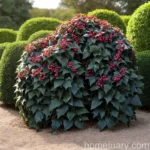
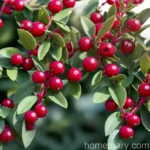
Winter Gold Holly (Ilex verticillata ‘Winter Gold’)
Winter Gold Holly, also known as Ilex verticillata ‘Winter Gold’, is a stunning deciduous shrub famous for its vibrant display of golden-yellow berries during the winter months. This native plant to North America adds a splash of color to winter gardens, making it a highly sought-after ornamental plant for landscaping. In this comprehensive guide, we will delve deep into the culture, uses, care, and maintenance of the Winter Gold Holly, providing valuable insights for both novice and experienced gardeners.
Key Takeaways – Winter Gold Holly
- Scientific Name: Ilex verticillata ‘Winter Gold’
- Common Names: Winter Gold Holly, Winterberry
- Plant Type: Deciduous shrub
- Native Habitat: North America
- Winter Feature: Abundant yellow-gold berries
- Hardiness Zones: 3-9
- Low Maintenance: Yes
- Ornamental Value: High
Culture
Water
Winter Gold Holly thrives in moist, well-drained soils. Adequate watering is essential, especially during its establishment period. However, once the plant is established, it exhibits good drought tolerance.
Sunlight
This shrub prefers full sun to partial shade conditions. It can adapt to various light conditions, but it tends to produce the most significant berry display when grown in full sun.
Fertilizer
Winter Gold Holly generally doesn’t require heavy feeding, especially if planted in nutrient-rich soil. However, a balanced slow-release fertilizer applied in early spring can promote healthy growth and abundant fruiting.
Soil
It grows best in acidic, organically rich soils but can tolerate a wide range of soil types, including wet, swampy soils. The pH level should ideally be between 5.0 and 6.5 for optimal growth.
Pruning
Winter Gold Holly does not require extensive pruning; however, light pruning can be performed in late winter or early spring to shape the shrub and encourage new growth.
Propagation
The plant can be propagated by softwood cuttings, semi-hardwood cuttings, or through seeds. Softwood cuttings are best taken in late spring or early summer, while semi-hardwood cuttings are taken in late summer to early fall.
Container Popularity
Given its compact size and vibrant winter interest, Winter Gold Holly is an excellent choice for container gardening. It can be grown in large pots or containers on patios, decks, or entryways, adding a festive touch to outdoor spaces during the winter season.
Common Diseases
While generally resistant to diseases, Winter Gold Holly may be susceptible to leaf spot and powdery mildew in high humidity or crowded growing conditions. Proper spacing, good air circulation, and minimal overhead watering can help prevent these issues.
Disease Diagnosis
- Leaf Spot: Irregular brown or black spots on the leaves
- Powdery Mildew: White powdery patches on the leaves
Common Pests
Winter Gold Holly is relatively pest-resistant, but occasional infestations by aphids, scale insects, or spider mites may occur. Monitoring the plant regularly and maintaining overall plant health can help prevent pest problems.
Botanist’s Tips
- Beneficial Pollinators: The flowers of Winter Gold Holly are a valuable nectar source for pollinators, making it an excellent addition to wildlife gardens.
- Winter Interest: The golden-yellow berries persist throughout the winter, providing food for birds and adding visual interest to the winter landscape.
- Versatile Design: The vibrant berries can be used in floral arrangements and holiday decorations, adding a festive touch to indoor spaces.
- Native Plant Benefits: As a native plant, Winter Gold Holly contributes to biodiversity and provides valuable habitat and food for local wildlife.
Fun Facts
- In the wild, Winter Gold Holly often grows in wetlands and along stream banks, showcasing its adaptability to varying soil moisture levels.
- The berries of Winter Gold Holly are not only appealing to the human eye but also serve as an essential food source for birds during the harsh winter months.
- The vibrant berries are produced on female plants, and a male pollinator is required nearby to ensure fruit set.
Links to External Resources
For more information on Winter Gold Holly and its cultivation, care, and uses, refer to the following resources:
- University of Maryland Extension – Winterberry Holly
- Missouri Botanical Garden – Ilex verticillata ‘Winter Gold’
- USDA Natural Resources Conservation Service – Ilex verticillata
In conclusion, Winter Gold Holly (Ilex verticillata ‘Winter Gold’) is a versatile and visually striking plant that offers year-round interest to gardens and landscapes. Its ease of maintenance, impressive winter display, and ecological benefits make it a valuable addition to both residential and public landscapes. Whether used in mass plantings, mixed borders, or as a focal point in a winter garden, this hardy native shrub never fails to make a vibrant statement.