English Lavender (Lavandula Angustifolia)
Lavender, scientifically known as Lavandula angustifolia, is a versatile and popular plant that is cherished for its enchanting fragrance and beautiful.
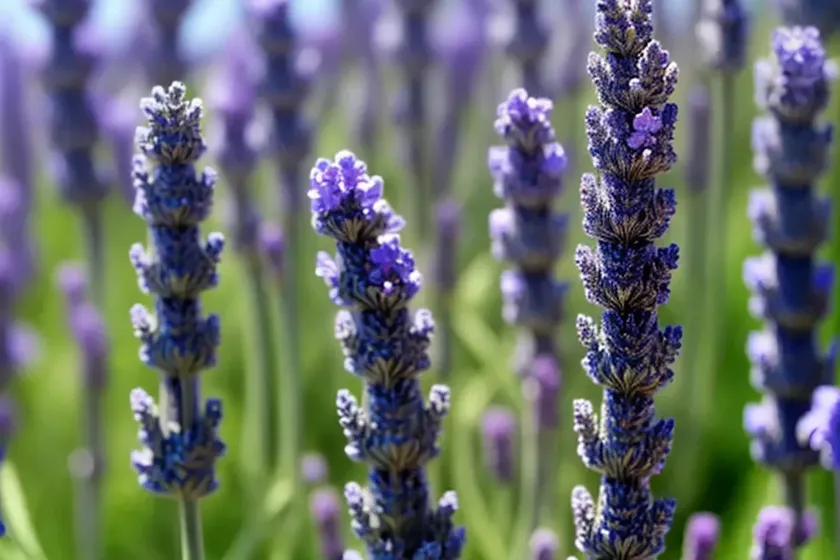
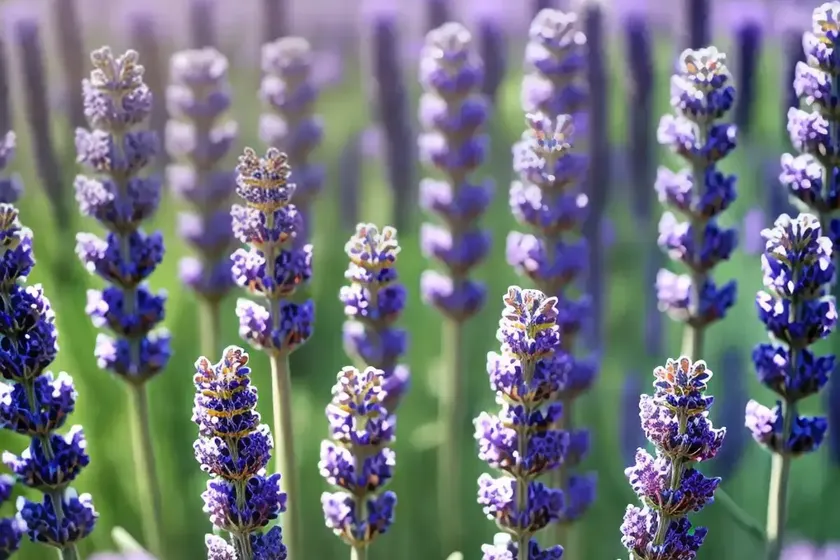
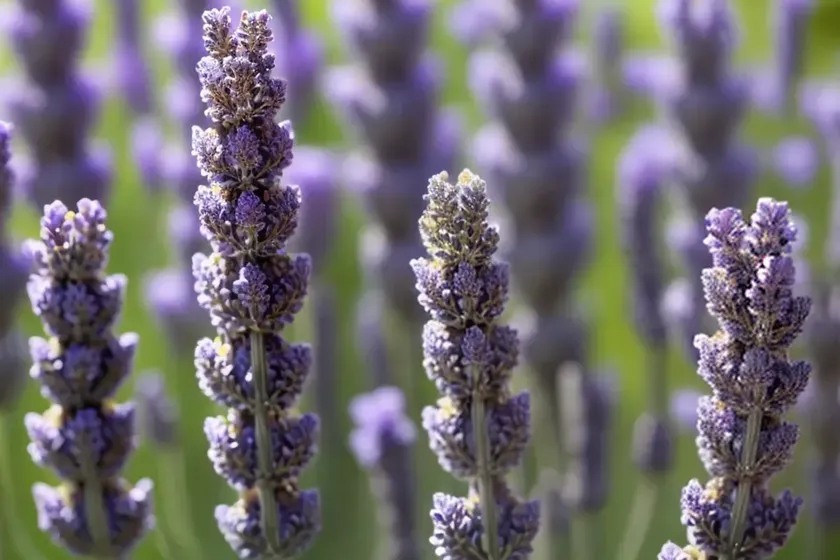
Lavender, scientifically known as Lavandula angustifolia, is a versatile and popular plant that is cherished for its enchanting fragrance and beautiful floral spikes. This article aims to provide a comprehensive guide to English lavender, encompassing its culture, uses, maintenance, and much more.
What is English Lavender (Lavandula angustifolia)?
Lavandula angustifolia, commonly known as English lavender, true lavender, or narrow-leaved lavender, is a flowering plant in the mint family, Lamiaceae. This aromatic perennial herb is well-known for its brilliant, fragrant flowers and a multitude of practical uses, including culinary, medicinal, ornamental, and aromatic purposes.
English lavender is native to the Mediterranean region, showcasing its resilience in hot, dry climates. The plant typically produces slender, linear leaves and vibrant purple-blue flowers, exuding a delightful floral scent that has made it a favorite in gardens, landscapes, and various commercial industries.
Key Takeaways – English Lavender (Lavandula angustifolia)
Before delving into the specifics of cultivating and caring for English lavender, let’s outline the key takeaways associated with this captivating plant.
Culture
- Lavandula angustifolia is highly valued for its aromatic properties and has been cultivated for centuries for its fragrance, oil, and culinary uses.
- This plant thrives in warm, sunny environments with well-drained soil and is well-suited for gardens, landscapes, containers, and even indoor settings.
Uses
- English lavender is employed in an array of applications, including aromatherapy, herbal tea, cooking, essential oil production, medicinal formulations, and decorative purposes such as flower arrangements and potpourri.
Water
- Proper watering is crucial for English lavender, as it prefers dry to medium moisture levels and is susceptible to root rot in waterlogged conditions.
Sunlight
- Full sunlight is essential for the healthy growth and blooming of Lavandula angustifolia. It thrives in bright, sunny locations and may exhibit reduced flowering in shaded areas.
Fertilizer
- Minimal fertilization is recommended for English lavender, as excessive nutrients can lead to lush foliage at the expense of flowering. A balanced, low-nitrogen fertilizer can be applied sparingly in spring.
Soil
- Well-draining, alkaline to slightly acidic soil is ideal for cultivating Lavandula angustifolia, replicating its natural habitat in Mediterranean regions.
Pruning
- Regular pruning is beneficial for maintaining the compact form and encouraging abundant flowering. Pruning should be performed after the blooming period to avoid interfering with the next season’s flower buds.
Propagation
- Propagation of English lavender can be accomplished through methods such as cuttings, division, and seed cultivation, each with its own set of advantages and considerations.
Container Popularity
- English lavender is a favored choice for container gardening due to its adaptability to confined spaces and its ability to thrive in containers on patios, balconies, and in small gardens.
Common Diseases
- English lavender is susceptible to certain diseases such as root rot, powdery mildew, and fungal issues, particularly in humid conditions or poorly ventilated settings.
Common Pests
- Pests that may trouble Lavandula angustifolia include aphids, spider mites, and caterpillars, which can be managed through organic or targeted pest control measures.
Botanist’s Tips
- Implementing proper care, including appropriate watering, sunlight, soil conditions, and diligent pest and disease management, is crucial for maintaining the health and vitality of English lavender.
Fun Facts
- English lavender has been used historically for its aromatic, medicinal properties and fragrance, and continues to be celebrated for its diverse practical uses and timeless appeal.
Links to External Resources
For further information on English lavender and related topics, refer to the resources below:
– Royal Horticultural Society – Lavender
– University of Maryland Medical Center: Lavender
– The Herb Society of America: Lavender
– National Institute of Health – Lavender in Aromatherapy
Now that we have highlighted the major aspects of English lavender, let’s further explore each of these factors in more depth.
Plant Name: “English Lavender (Lavandula angustifolia)”
The next section will delve into the essential details of English lavender, encompassing its specifications, preferred growing conditions, uses, and a myriad of other interest points associated with this captivating plant.
Lavandula angustifolia Uses
Lavandula angustifolia serves a multitude of purposes, ranging from its aromatic and ornamental qualities to its extensive applications in various industries. Let’s explore some of the primary uses of Lavandula angustifolia:
- Aromatic Benefits: The enchanting fragrance of English lavender is renowned for its calming, stress-relieving, and mood-enhancing effects, making it a staple in aromatherapy and home fragrances.
- Culinary Utilization: The delicate floral notes of English lavender are embraced in culinary creations, imparting a unique essence to dishes such as baked goods, desserts, teas, and other gourmet delights.
- Medicinal Properties: Lavandula angustifolia is lauded for its purported medicinal properties, with its essential oil being used in traditional and modern medicine for its alleged calming, soothing, and anti-inflammatory effects.
- Ornamental Appeal: As an ornamental plant, English lavender is highly prized for its showy, scented blooms, making it a coveted addition to gardens, landscapes, and floral arrangements.
- Aromatherapy Applications: The essential oil derived from Lavandula angustifolia is widely utilized in aromatherapy, massage oils, bath products, and natural perfumes, owing to its relaxing, harmonizing attributes.
English Lavender Varieties
Several cultivars of Lavandula angustifolia exist, each exhibiting unique traits such as flower color, size, and growth habit. Some popular varieties include ‘Hidcote’, ‘Munstead’, ‘Thumbelina Leigh’, and ‘Folgate’, offering a spectrum of options for different landscape and gardening needs.
Lavender Plant Care Tips
Proper care is essential for ensuring the vitality and longevity of English lavender. The following care tips should be noted for successful cultivation of Lavandula angustifolia:
- Sunlight: Provide full sunlight for at least 6-8 hours per day to promote robust growth and prolific flowering.
- Watering: Water sparingly and avoid waterlogged conditions, as English lavender prefers well-drained soil and is tolerant of dry conditions once established.
- Soil: Cultivate Lavandula angustifolia in well-draining, alkaline to slightly acidic soil, replicating its native Mediterranean environment.
- Pruning: Undertake regular pruning after flowering to maintain the plant’s shape, enhance air circulation, and initiate the development of new buds.
- Fertilization: Utilize a balanced, low-nitrogen fertilizer sparingly in the spring to provide essential nutrients without promoting excessive vegetative growth at the expense of flowers.
Grow English Lavender Indoors
English lavender can be grown indoors within suitable conditions, including ample sunlight, well-draining soil, appropriate watering, and possibly enhanced lighting to supplement natural sunlight.
Lavandula angustifolia Characteristics
The defining characteristics of Lavandula angustifolia contribute to its appeal and utility as a garden, landscaping, and commercial plant. Key features include:
- Flower Color: The classic flower color of English lavender ranges from pale purple to deep violet-blue, creating a striking visual display.
- Aroma: The sweet, floral fragrance of Lavandula angustifolia is immensely appealing and contributes to its popularity in aromatherapy, perfumery, and home fragrances.
- Growth Habit: This compact, woody shrub typically grows to a height of 1-3 feet, featuring linear leaves and upright flower spikes that add vertical interest to gardens and landscapes.
Benefits of English Lavender Oil
The essential oil derived from Lavandula angustifolia possesses a myriad of therapeutic attributes, contributing to its reputation as a versatile and valuable product:
- Relaxation: The soothing fragrance of English lavender oil is esteemed for its potential to induce relaxation, calm the mind, and alleviate stress and anxiety.
- Skincare: The antiseptic and anti-inflammatory properties of lavender oil make it a prized ingredient in skincare formulations, promoting healthy, radiant skin.
- Pain Relief: The analgesic properties of lavender oil may aid in alleviating minor aches, muscle tension, and headaches when used in massages or topical applications.
English Lavender Planting Guide
When introducing English lavender into the garden or landscape, certain planting guidelines should be followed to achieve optimal results and encourage vigorous growth:
- Spacing: Allow adequate spacing between Lavandula angustifolia plants to ensure good air circulation, minimize potential disease issues, and provide room for each plant to thrive.
- Location: Select a sunny, well-drained site for planting, steering clear of waterlogged or excessively shaded areas.
- Soil Preparation: Enhance the soil with organic matter and amend the pH if necessary to create a hospitable environment for English lavender to flourish.
Lavandula angustifolia Propagation Methods
The propagation of Lavandula angustifolia can be accomplished through various techniques, enabling gardeners to expand their lavender collection or establish new plants with ease:
- Cuttings: Sourcing softwood or semi-hardwood cuttings from established plants is a common and effective method of propagating English lavender.
- Division: Dividing mature Lavandula angustifolia plants allows for the creation of multiple individuals from a single parent plant, aiding in garden expansion and rejuvenation.
- Seeds: While somewhat challenging, growing Lavandula angustifolia from seeds provides an opportunity to experience the entire lifecycle of the plant, from germination to blooming.
English Lavender Medicinal Properties
Beyond its iconic fragrance and ornamental allure, English lavender is recognized for its alleged medicinal properties, traditionally employed in numerous natural remedies and herbal preparations:
- Sedative Effects: The calming aroma of lavender has been associated with its potential to promote relaxation, enhance sleep quality, and mitigate symptoms of anxiety and stress.
- Anti-inflammatory Attributes: Lavender is believed to possess anti-inflammatory properties and is used topically to soothe minor skin irritations, bug bites, and mild burns.
- Aromatherapy Benefits: The use of lavender in aromatherapy is rooted in its purported ability to ease emotional tension, induce a sense of tranquility, and aid in promoting mental well-being.
How to Harvest English Lavender
The process of harvesting English lavender involves several considerations to ensure proper timing, methodology, and preservation of its aromatic and decorative qualities:
- Timing: Harvest lavender when the flower spikes are in full bloom and the blossoms are displaying vibrant coloration, typically in the mid-morning after the dew has evaporated.
- Method: Employ handheld or mechanized shears to trim the flower stems, retaining a portion of the stem length and ensuring that the plant retains its aesthetic appeal.
- Drying and Storage: The harvested lavender can be air-dried or dehydrated in bundles, with the dried blossoms and foliage used in potpourri, sachets, culinary recipes, and decorative accents.
Lavender Plant Pests and Diseases
While generally robust, English lavender can be afflicted by certain pests and diseases that may necessitate vigilance and management strategies:
Disease Diagnosis
Lavandula angustifolia is susceptible to a few common diseases that include:
- Root Rot: Caused by overwatering and poorly drained soil, leading to fungal infestations and rotting of the plant roots.
- Powdery Mildew: A fungal disease characterized by the appearance of white, powdery patches on the foliage, potentially impacting the overall health of the plant.
Common Pests
The following pests may pose a threat to English lavender:
- Aphids: These tiny, sap-sucking insects may colonize the plant and deform new growth, requiring control measures to mitigate their impact.
- Spider Mites: These pests can infest the foliage of Lavandula angustifolia, leading to stippled, discolored leaves and reduced plant vigor if left unchecked.
Botanist’s Tips
To cultivate thriving, fragrant English lavender, embracing the following botanist’s tips is recommended for optimal plant care and maintenance:
- Prudent Watering: Avoid excessive watering to prevent root rot and maintain optimal soil moisture levels, particularly in warm climates and during the growing season.
- Rejuvenating Pruning: Regular pruning after the blooming period is beneficial for encouraging compact growth, abundant flowering, and the removal of spent blossoms.
- Pest Vigilance: Monitor Lavandula angustifolia for signs of insect activity and employ targeted, environmentally friendly pest control methods to uphold plant health.
Fun Facts
Uncover interesting and lesser-known facts about English lavender that underscore the plant’s historical significance, cultural symbolism, and versatility:
- Ancient Origins: Lavender has a rich history dating back thousands of years, being utilized by ancient civilizations for its fragrance, medicinal properties, and preservation qualities.
- Herbal Tradition: Its association with herbal medicine and apothecaries has persisted through the ages, with lavender being a prominent component in diverse remedies and tonics.
- Symbolic Significance: Lavender carries symbolic meanings related to love, devotion, purity, and serenity, finding its place in religious ceremonies, festivities, and matrimonial customs.
- Craft and Aesthetic Appeal: The dried blossoms, stems, and essential oil of lavender are utilized in a myriad of crafts, DIY projects, and artisanal creations, contributing to its timeless allure.
Links to External Resources
For further exploration of English lavender, its uses, and related subjects, refer to the following external resources:
- Royal Horticultural Society – Lavender
- The Herb Society of America: Lavender
- National Institute of Health – Lavender in Aromatherapy
- University of Maryland Medical Center: Lavender
In conclusion, English lavender, scientifically referred to as Lavandula angustifolia, embodies a harmonious blend of aesthetic charm, aromatic allure, and practical utility, making it a cherished plant in horticulture, wellness, and various creative pursuits. By understanding its cultural requirements, uses, and maintenance essentials, gardeners and enthusiasts can foster the flourishing of this iconic herb while indulging in its sensory pleasures and intrinsic benefits.


