Iris (Iris Reticulata ‘Clairette’)
Welcome to the world of plant science! In this blog post, we’ll be diving deep into the iris (Iris reticulata ‘Clairette’). We’ll explore its culture.
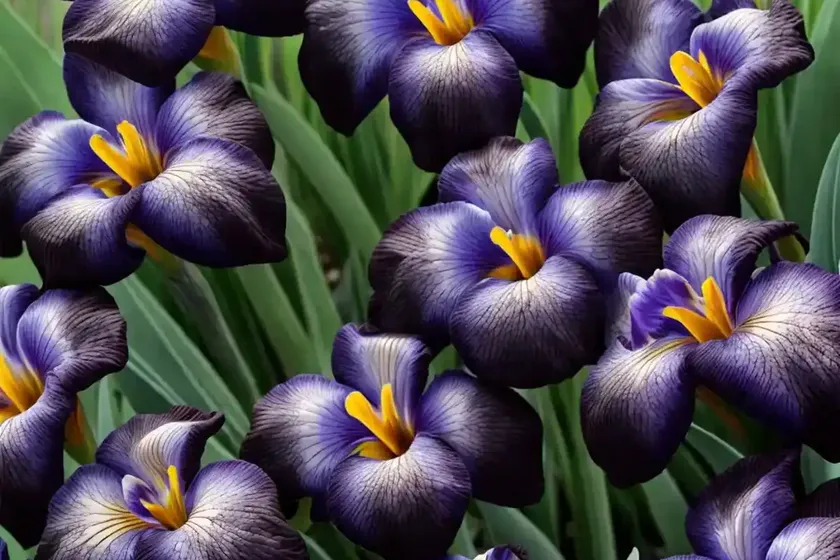
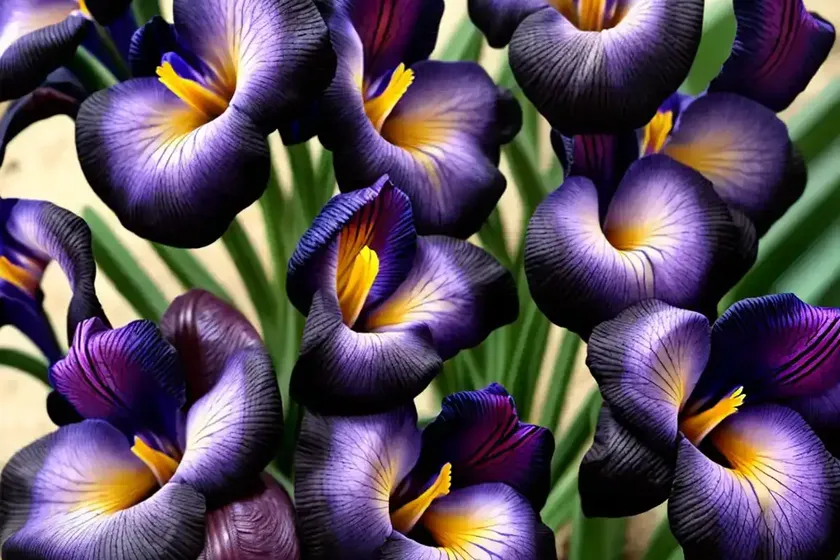
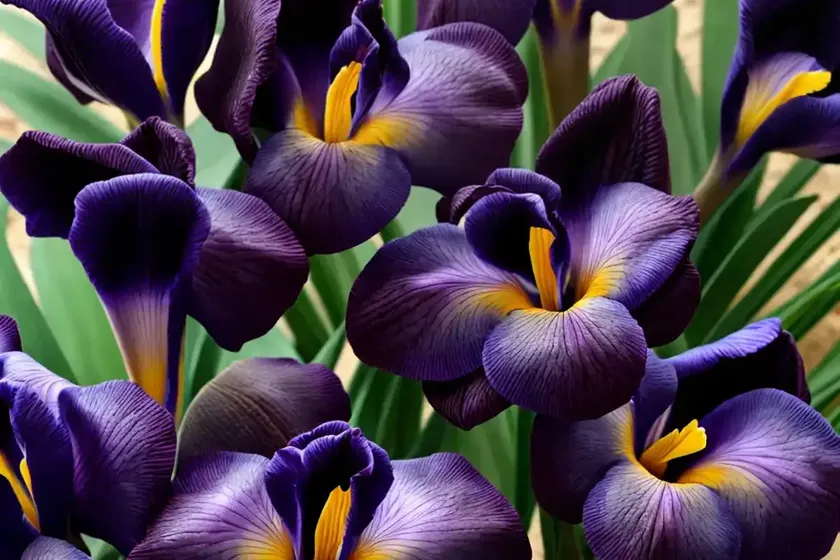
Welcome to the world of plant science! In this blog post, we’ll be diving deep into the iris (Iris reticulata ‘Clairette’). We’ll explore its culture, uses, care requirements, common diseases, pests, and much more. By the end of this comprehensive guide, you’ll have a wealth of knowledge on how to cultivate and care for this captivating plant.
What is Iris Reticulata ‘Clairette’?
Iris reticulata, commonly known as dwarf iris, belongs to the family Iridaceae. ‘Clairette’ is a distinct variety known for its stunning blooms and compact size. This perennial plant is native to Russia, the Caucasus, and Turkey, and is cherished for its early spring flowers that bring a burst of color to gardens and landscapes.
Key Takeaways – Iris Reticulata ‘Clairette’
Before we delve into the specifics of Iris Reticulata ‘Clairette’, here are a few key takeaways to pique your interest:
- Variety: ‘Clairette’
- Flower Color: Violet-blue with yellow and white markings
- Height: Approximately 15cm (6 inches)
- Bloom Time: Early spring
- Special Feature: Fragrant flowers, suitable for rock gardens and borders
- Hardiness: USDA zones 5-9
Now, let’s embark on an in-depth exploration of this exquisite plant, covering its culture, uses, care requirements, and much more.
Culture
Uses
Iris reticulata ‘Clairette’ is valued for its ornamental and aesthetic qualities, making it a coveted addition to gardens, landscapes, and floral arrangements. The enchanting flowers and delightful fragrance make ‘Clairette’ a charming choice for various uses, including:
- Garden borders
- Rock gardens
- Container planting
- Cut flower arrangements
- Indoor floral displays
- Naturalizing in grassy areas
The versatility of ‘Clairette’ makes it a delightful choice for both amateur and seasoned gardeners looking to add a touch of elegance to their green spaces.
Water
Proper watering is crucial for the health and vitality of Iris reticulata ‘Clairette’. During the growing season, it is essential to keep the soil consistently moist but not waterlogged. Adequate moisture is particularly important during the flowering and bulb development stages.
- Watering Needs: Regular watering, especially during dry spells
- Watering Technique: Water at the base of the plant to prevent moisture on the leaves, which can lead to fungal issues
- Avoid Overwatering: Ensure proper drainage to prevent waterlogged soil, which can cause bulb rot
Sunlight
Iris reticulata ‘Clairette’ thrives in bright, sunny locations. Adequate sunlight is essential for robust growth and prolific flowering. When selecting a planting site, consider the following sunlight requirements:
- Sun Exposure: Full sun to partial shade
- Ideal Location: Choose a spot with at least 6 hours of direct sunlight per day
- Morning Sun: Preferably receives morning sun, particularly in hotter climates
- Shade Tolerance: Can tolerate partial shade, especially in regions with intense afternoon sun
Fertilizer
Fertilization plays a vital role in supporting the growth and flowering of Iris reticulata ‘Clairette’. A balanced application of nutrients at the right time ensures healthy foliage and vibrant blooms.
- Fertilizer Type: Use a balanced, water-soluble fertilizer or a low-nitrogen, high-phosphorus, high-potassium (NPK) fertilizer
- Application Timing: Apply fertilizer in early spring as new growth emerges and after the plant has finished flowering
- Avoid Excessive Fertilization: Overfertilization can lead to excessive foliage growth at the expense of flowers
- Fertilizer Dilution: Dilute the fertilizer according to the manufacturer’s instructions to prevent root burn
Soil
The right soil conditions are essential for the health and longevity of Iris reticulata ‘Clairette’. Well-draining, nutrient-rich soil provides an optimal growing environment for this charming plant.
- Soil Type: Well-draining, loamy soil with a slightly acidic to neutral pH
- Amendment: Incorporate organic matter such as compost or well-rotted manure to improve soil structure
- Soil Moisture: Avoid waterlogged soil by ensuring proper drainage
- Soil Texture: A slightly sandy or loamy texture is favorable for bulb development and root health
Pruning
Pruning plays a crucial role in maintaining the vigor and aesthetics of Iris reticulata ‘Clairette’. Proper pruning enhances air circulation, prevents disease, and encourages robust growth and flowering.
Deadheading
Deadheading, or the removal of spent flowers, is an essential practice for promoting continuous blooming and preventing the plant from channeling energy into seed production.
- Deadheading Technique: Use clean, sharp scissors or pruning shears to snip off faded flowers at the base of the stem
- Regular Deadheading: Consistent deadheading throughout the blooming period encourages the plant to produce new blooms
- Seed Prevention: Removing spent flowers before they set seed prevents the plant from self-seeding excessively
Trimming Foliage
Trimming back the foliage after flowering is a vital step in the annual care of Iris reticulata ‘Clairette’. This practice allows the plant to conserve energy and direct resources to bulb development.
- Timing: Trim the foliage back to ground level once it begins to yellow and wither, usually in late spring or early summer
- Leave Stems: Avoid cutting the foliage to the ground immediately after flowering, as the leaves provide nourishment to the bulb for the following year’s growth
- Cutting Technique: Use clean, sharp scissors or pruning shears to trim the foliage, ensuring a clean and even cut to minimize the risk of disease entry points
Propagation
Iris reticulata ‘Clairette’ can be propagated through various methods, allowing gardeners to expand their collection or share the beauty of this plant with others.
Division
Division is the most common and effective method of propagating Iris reticulata ‘Clairette’. It involves separating the bulb offsets to create new, independent plants.
- Timing: Divide the bulbs in late summer or early autumn, after the foliage has withered and yellowed
- Separation Technique: Gently remove the bulbs from the ground and carefully detach the offsets from the main bulb
- Offset Size: Ensure that each offset has several roots and is a decent size before replanting
Seed Propagation
While less common, propagating Iris reticulata ‘Clairette’ from seeds allows for the creation of new genetic variations and can be a rewarding endeavor for patient gardeners.
- Seed Harvesting: Collect seeds from mature seed capsules once they have ripened and turned brown
- Sowing Time: Sow seeds indoors in late summer or early autumn for germination the following spring
- Germination Period: Seeds may take 1-2 months to germinate, and young seedlings should be cared for until they are mature enough to be planted outdoors
Container Popularity
Iris reticulata ‘Clairette’ is a popular choice for container gardening, offering a delightful accent to patios, balconies, and outdoor living spaces. The compact size, vibrant colors, and fragrant blooms make it an appealing option for container enthusiasts.
Container Selection
When selecting a container for ‘Clairette’, consider the following factors to ensure optimal growth and visual appeal:
- Size: Choose a container that provides ample space for the bulbs to grow and develop
- Drainage: Ensure that the container has drainage holes to prevent waterlogging
- Material: Select a durable, frost-resistant material such as terracotta, fiberglass, or plastic
- Aesthetic Appeal: Consider the color and style of the container to complement the vibrant blooms of ‘Clairette’
Container Care
Proper care is essential for the success of Iris reticulata ‘Clairette’ in containers, as it differs slightly from in-ground cultivation.
- Watering: Monitor soil moisture closely and water when the top layer of soil feels dry
- Sun Exposure: Position the container in a location that receives adequate sunlight for healthy growth and flowering
- Fertilization: Apply a balanced, water-soluble fertilizer according to the plant’s needs and growth stage
- Winter Protection: In regions with harsh winters, provide insulation or move the container to a sheltered location to protect the bulbs from frost
Common Diseases
While Iris reticulata ‘Clairette’ is generally resilient, it is susceptible to certain diseases that can impact its health and vigor. Familiarizing yourself with common diseases and their symptoms can help in early detection and effective management.
Disease Diagnosis
By recognizing the signs and symptoms of common iris diseases, you can take proactive measures to address the issues and prevent their spread.
- Leaf Spot: Circular, water-soaked spots on the leaves, often surrounded by a yellow halo
- Soft Rot: Foul-smelling, waterlogged patches on the bulbs, accompanied by a mushy texture
- Bacterial Leaf Blight: Irregular, water-soaked lesions on the leaves, which may spread rapidly in wet conditions
- Fungal Leaf Blight: Brown lesions on the leaves, often accompanied by a white, powdery mold
Preventative Measures
Preventing diseases is key to maintaining the health and vitality of Iris reticulata ‘Clairette’.
- Cultural Practices: Ensure proper spacing, adequate air circulation, and proper drainage to minimize the risk of fungal and bacterial infections
- Sanitation: Remove and dispose of any infected plant material to prevent the spread of diseases
- Watering Practices: Avoid overhead watering to minimize leaf wetness, which can promote the development of fungal diseases
Common Pests
While ‘Clairette’ is relatively resistant to pests, it may occasionally encounter interference from insects and other small organisms. Being vigilant and taking proactive measures can help safeguard the plant from pest damage.
Pest Identification
Recognizing common pests that affect iris plants allows for early intervention and effective pest management.
- Iris Borer: Large, white caterpillars that tunnel into iris leaves and stems, causing extensive damage
- Thrips: Tiny, slender insects that may cause stippling or discoloration on the leaves and flowers
- Slugs and Snails: Slimy pests that feed on the foliage and flowers, leaving behind ragged, irregular damage
Pest Control
Implementing integrated pest management strategies can help address pest issues while minimizing the use of chemical interventions.
- Biological Controls: Encourage natural predators such as ladybugs and lacewings to keep pest populations in check
- Physical Barriers: Use collars around the base of the iris to prevent iris borer infestations
- Natural Repellents: Organic repellents such as diatomaceous earth and copper tape can deter slugs and snails
- Early Detection: Regularly inspect the foliage and flowers for signs of pest activity and intervene promptly
Botanist’s Tips
Drawing from botanical expertise and practical experience, here are some valuable tips to ensure the successful cultivation and care of Iris reticulata ‘Clairette’:
- Mulching: Apply a layer of organic mulch around the base of the plant to conserve moisture and suppress weeds
- Harvesting Seeds: Allow seed capsules to fully ripen on the plant before collecting and storing the seeds
- Companion Planting: Pair ‘Clairette’ with early-blooming bulbs, perennial ground covers, or spring-blooming perennials for complementary garden displays
Fun Facts
To further enrich your understanding and appreciation of Iris reticulata ‘Clairette’, here are a few intriguing and delightful facts about this charming plant:
- Symbolic Significance: In the language of flowers, irises symbolize hope, wisdom, and valor, adding a deeper layer of meaning to their beauty
- Origin of the Name: The genus name “Iris” is derived from the Greek goddess of the rainbow, reflecting the diverse and vibrant hues of iris flowers
- Artistic Inspiration: Iris flowers have long been celebrated in art and literature, representing beauty, grace, and elegance in various cultural traditions
Links to External Resources
For further exploration and in-depth information on Iris reticulata ‘Clairette’, consider delving into the following external resources:
- Royal Horticultural Society – Iris reticulata ‘Clairette’
- University of California Integrated Pest Management – Iris Diseases
- American Iris Society – Iris Reticulata Care and Culture
Conclusion
Iris Reticulata ‘Clairette’ is a captivating and versatile plant that brings an abundance of joy and beauty to gardens and landscapes. By understanding its cultural requirements, propagation methods, and pest and disease management strategies, you can cultivate and care for ‘Clairette’ with confidence and success. Whether you’re a seasoned horticulturist or a budding gardener, the allure of ‘Clairette’ is bound to inspire reverence and admiration for the wonders of the plant kingdom. Happy gardening!
Remember to refer back to this comprehensive guide whenever you need expert advice and insights on all things related to Iris Reticulata ‘Clairette’. Happy planting!
By: Plant Scientist Extraordinaire
Published on: PlantScienceInsights.com


