English Lavender (Lavandula angustifolia) Growing Guide
Plant, prune and harvest English lavender: full sun, lean well-drained soil, sparing water, pruning after flowering and propagation from cuttings.
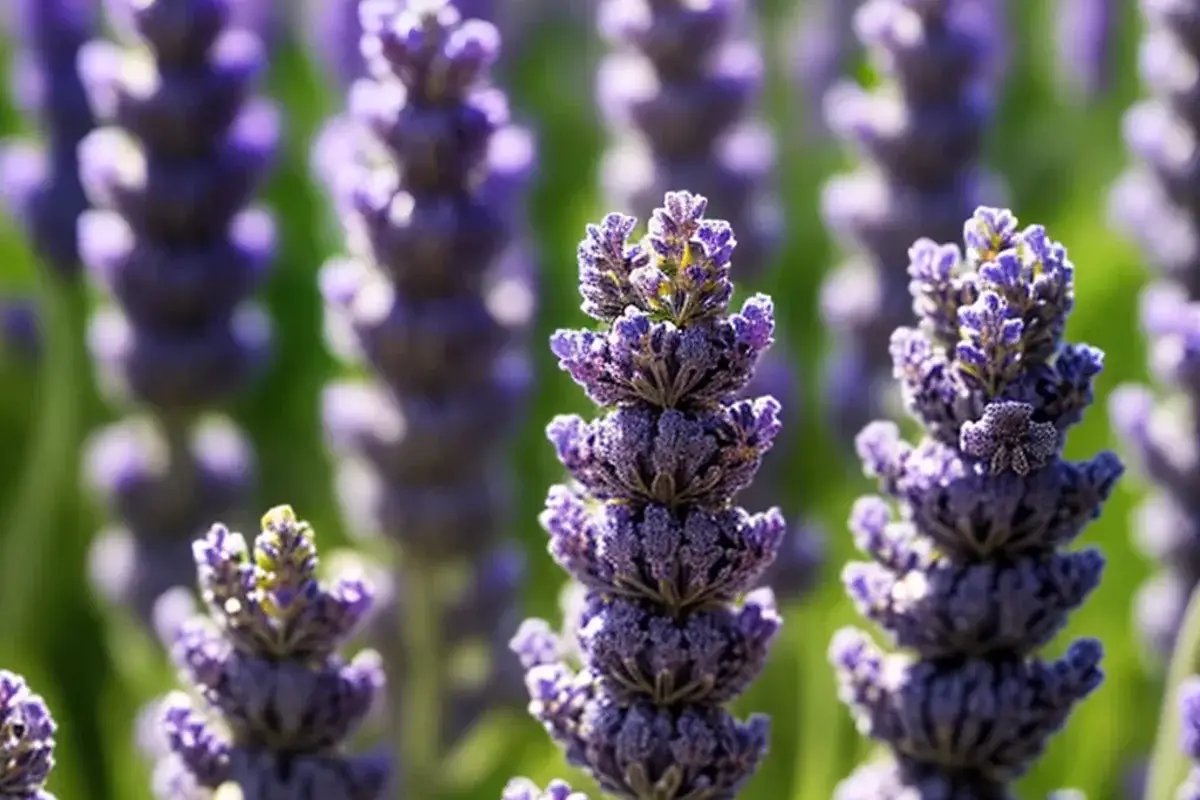
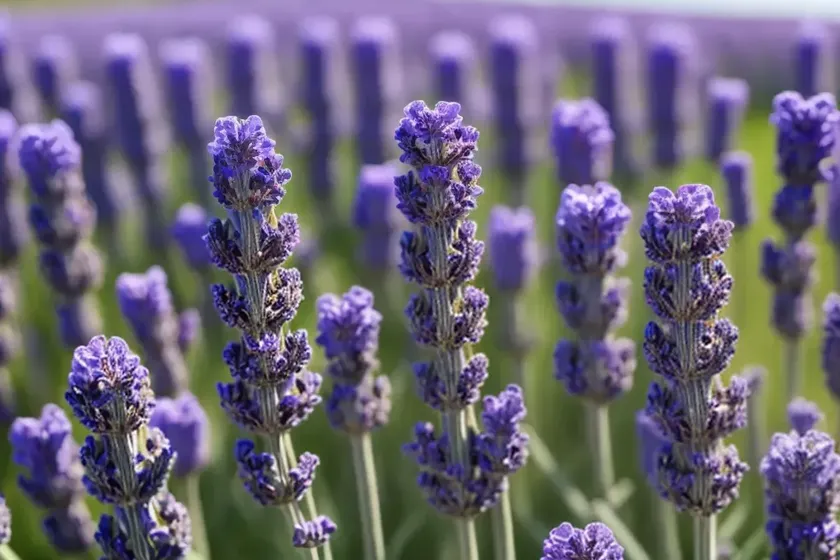
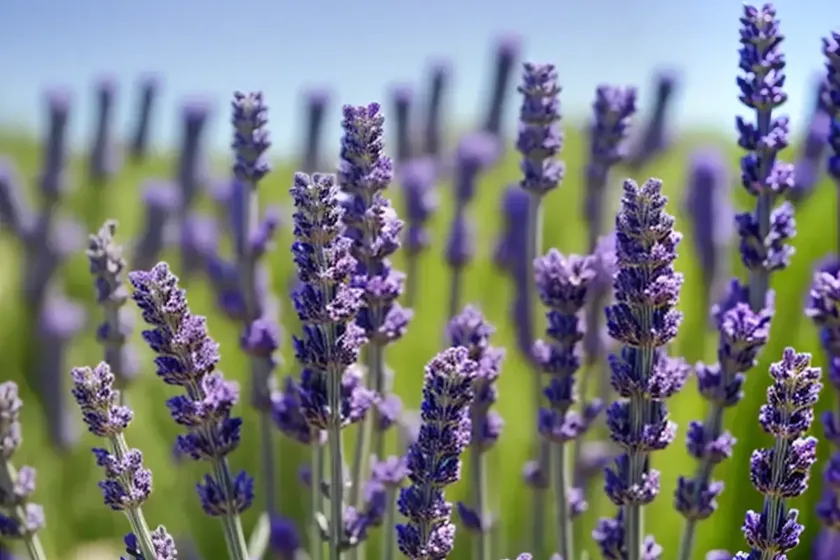
Lavender, scientifically known as Lavandula angustifolia, is a beloved and versatile plant that has been cherished for centuries for its fragrance, culinary uses, and therapeutic properties. In this comprehensive guide, we will delve into the world of English Lavender, exploring its culture, uses, care requirements, common diseases, pests, and much more. Whether you are a novice gardener or an experienced botanist, there is always something new and fascinating to learn about this remarkable herb.
What is English Lavender (Lavandula angustifolia)?
Lavender, a member of the Lamiaceae family, is a perennial herb native to the Mediterranean region, particularly the mountainous areas of the western Mediterranean. Lavandula angustifolia, also known as True Lavender or Common Lavender, is valued for its fragrant flowers, aromatic foliage, and numerous practical and therapeutic applications. This species of lavender is renowned for its high-quality essential oil and is widely cultivated in gardens, commercial farms, and herbal medicine industries around the world.
Key Takeaways – English Lavender (Lavandula angustifolia)
Before diving into the specifics of English Lavender, let’s highlight some key takeaways on this aromatic plant:
- Botanical Name: Lavandula angustifolia
- Family: Lamiaceae
- Common Names: English Lavender, True Lavender, Common Lavender
- Hardiness Zones: 5 to 8
- Growth Habit: Compact, bushy, evergreen perennial
- Mature Height: 1 to 3 feet
- Flower Color: Lavender to violet-blue
- Fragrance: Sweet, floral, herbaceous
Now that we have an overview of English Lavender, let’s delve into the various aspects of its culture, uses, care requirements, and more.
Culture of English Lavender
Understanding the cultural requirements of English Lavender is essential for its successful growth and development. Proper care and maintenance contribute to robust, fragrant blooms and healthy foliage. Let’s explore the key cultural considerations for cultivating this beloved herb.
Water
One of the distinctive features of Lavandula angustifolia is its preference for well-drained soil and minimal moisture. Overly wet or waterlogged conditions can lead to root rot and other issues. When watering English Lavender, it is crucial to strike a balance between providing adequate moisture without saturating the root zone.
- Established Plants: Once established, English Lavender is moderately drought-tolerant and requires minimal supplemental watering. In most cases, natural rainfall is sufficient to meet its moisture needs.
- Young Plants: Newly planted or young English Lavender plants may require regular watering until their root systems become established. It’s important to provide ample moisture without creating excessively damp soil conditions.
- Watering Technique: When watering, aim to moisten the soil evenly around the plant, but avoid waterlogging the root zone. Water in the morning to allow excess moisture to evaporate during the day, reducing the risk of fungal diseases.
Sunlight
English Lavender thrives in full sun and is well-suited to sunny, arid conditions. Adequate sunlight is essential for promoting healthy growth, abundant blooms, and the development of aromatic essential oils.
- Optimal Sun Exposure: Plant English Lavender in a location that receives at least 6 to 8 hours of direct sunlight per day. South-facing or west-facing positions are ideal for maximizing sun exposure.
- Shade Tolerance: While English Lavender prefers full sun, it can tolerate partial shade, especially in regions with intense heat. However, reduced sunlight may lead to sparse flowering and less robust growth.
Soil
The soil composition and structure play a significant role in the overall health and vigor of English Lavender. Well-drained, sandy, or loamy soils are particularly well-suited to this herb, while heavy or compacted soils can impede its growth and flowering.
- Soil Type: English Lavender thrives in well-drained, slightly alkaline soils with good aeration. Avoid heavy clay soils or areas prone to waterlogging, as they can lead to root rot and other moisture-related issues.
- Soil Amendments: Incorporating organic matter, such as compost or well-rotted manure, into the soil can improve its structure and drainage. Additionally, adding perlite or coarse sand can enhance soil drainage for optimal root health.
- pH Level: English Lavender prefers slightly alkaline soil with a pH range of 6.7 to 7.3. Conduct a soil test to assess the pH level and make any necessary adjustments using lime or sulfur.
These cultural considerations form the foundation for successful cultivation of English Lavender, providing the ideal environment for this resilient and aromatic herb to thrive.
Uses of English Lavender
English Lavender is celebrated for its multifaceted uses, spanning culinary, aromatic, medicinal, and ornamental applications. From soothing lavender sachets to flavorful culinary creations, this versatile herb adds a delightful touch to various aspects of everyday life. Let’s explore the diverse uses of Lavandula angustifolia.
Aromatherapy and Essential Oils
One of the most renowned applications of English Lavender is in aromatherapy and the production of high-quality essential oils. The sweet, floral fragrance of lavender essential oil is cherished for its calming and balancing properties, making it a popular choice in aromatherapy and natural wellness products.
- Essential Oil Extraction: English Lavender yields an exceptional essential oil, valued for its complex aroma and therapeutic benefits. The essential oil is typically extracted through steam distillation of the flowers, resulting in a fragrant and versatile oil used in massage oils, diffusers, and skincare formulations.
- Aromatherapeutic Benefits: Lavender essential oil is prized for its calming, relaxing, and stress-relieving properties. It is used to promote restful sleep, alleviate anxiety, and soothe the mind and body. Additionally, lavender oil is valued for its skin-soothing and healing properties.
Culinary Delights
In addition to its aromatic and therapeutic qualities, English Lavender is a delightful addition to culinary creations, infusing dishes with its fragrant, floral notes. From sweet desserts to savory entrees, lavender adds a unique and aromatic twist to various recipes.
- Culinary Lavender: The culinary uses of Lavandula angustifolia extend to the incorporation of its flowers and leaves in cooking. Lavender flowers are used to infuse syrups, sugars, teas, and baked goods, adding a subtle floral flavor to culinary creations.
- Floral Infusions: Lavender-infused syrups and teas are particularly popular, offering a delicate and aromatic twist to beverages and desserts. Lavender pairs well with ingredients such as honey, lemon, and berries, creating a delightful harmony of flavors.
Medicinal Properties
Lavender has a long history of medicinal use, with applications ranging from soothing topical preparations to aromatic herbal remedies. The medicinal properties of Lavandula angustifolia have been treasured for their natural healing and wellness benefits.
- Skin Care: Lavender-infused skincare products, such as creams, lotions, and balms, are valued for their soothing and moisturizing effects. Lavender’s anti-inflammatory and antimicrobial properties make it a popular choice for addressing various skin concerns.
- Herbal Remedies: Lavender is used in traditional herbal medicine to alleviate headaches, promote relaxation, and support overall well-being. Lavender teas, tinctures, and steam inhalations are employed for their calming and aromatic qualities.
Ornamental Beauty
Beyond its practical uses, English Lavender graces gardens, landscapes, and floral arrangements with its charming beauty and intoxicating fragrance. As an ornamental plant, Lavandula angustifolia adds a touch of romance and allure to its surroundings.
- Garden Borders: English Lavender is commonly used in garden borders, rockeries, and herb gardens, where its compact, aromatic foliage and dainty blooms create a captivating display. The plant’s evergreen nature adds year-round interest to the landscape.
- Cut Flowers: The long-lasting blooms of English Lavender make it a popular choice for fresh and dried flower arrangements. Lavender bunches and wreaths exude a timeless charm and delightful fragrance, making them a staple in floral decor and crafts.
With its diverse array of uses, English Lavender offers a wealth of possibilities for culinary, aromatic, medicinal, and ornamental applications, enriching both the home and garden.
Care Guide for English Lavender
Providing proper care and maintenance is essential for the health and vitality of English Lavender. From soil preparation to pruning techniques, understanding the specific care requirements of this herb is crucial for fostering robust growth, abundant blooms, and aromatic foliage.
Soil
The choice of soil and its preparation are key factors in the successful cultivation of English Lavender. Well-drained, alkaline soils with good aeration are optimal for supporting the vigorous growth and aromatic qualities of Lavandula angustifolia.
- Soil Preparation: Prior to planting, prepare the soil by incorporating organic matter, such as compost or well-rotted manure, to improve its structure and fertility. Additionally, amending the soil with sand or perlite can enhance drainage.
- Raised Beds: In areas with heavy or poorly draining soils, consider planting English Lavender in raised beds or mounded planting areas to ensure adequate drainage and prevent waterlogging.
- Soil pH: Perform a soil test to assess the pH level of the planting site. English Lavender prefers slightly alkaline soil with a pH range of 6.7 to 7.3. Adjust the soil pH as needed using lime or sulfur.
Watering
Balanced moisture levels are crucial for the well-being of English Lavender. While the plant exhibits moderate drought tolerance once established, proper watering practices are essential, especially during the establishment phase and in regions with hot, dry conditions.
- Established Plants: Once English Lavender is established, it generally requires minimal supplemental watering, relying on natural rainfall to meet its moisture needs. However, provide supplemental water during prolonged periods of drought to ensure the plant’s vitality.
- Young Plants: Newly planted or young Lavandula angustifolia plants may require regular watering to establish their root systems. Water deeply but infrequently to encourage deep root growth and drought tolerance.
- Watering Frequency: Monitor the soil moisture levels and water English Lavender as needed, allowing the soil to dry out slightly between waterings. Avoid overwatering, as excessively moist conditions can lead to root rot and fungal issues.
Sunlight
English Lavender thrives in full sun and is well-adapted to sunny, arid climates. Adequate sunlight is essential for promoting flowering, encouraging essential oil production, and maintaining the plant’s compact, aromatic foliage.
- Sun Exposure: Plant English Lavender in a location that receives at least 6 to 8 hours of direct sunlight per day. South-facing or west-facing positions are particularly well-suited for maximizing sun exposure and promoting robust growth.
- Shade Tolerance: While English Lavender prefers full sun, it can tolerate partial shade, especially in regions with intense heat. However, reduced sunlight may lead to sparse flowering and less vigorous growth.
Fertilization
Appropriate fertilization supports the overall health and vigor of English Lavender, promoting robust growth, abundant blooms, and aromatic foliage. However, it is essential to apply fertilizer judiciously to prevent excessive vegetative growth at the expense of flower production.
- Fertilizer Type: Use a balanced, slow-release fertilizer with a lower nitrogen content to avoid stimulating excessive foliage growth. A fertilizer with an N-P-K ratio of 5-10-10 or similar is suitable for promoting flowering and overall plant health.
- Application Timing: Apply fertilizer to English Lavender in early spring, as new growth emerges. Refrain from fertilizing in late summer or fall to avoid promoting tender growth that may be susceptible to cold damage.
Pruning
Regular pruning is a vital aspect of English Lavender care, supporting the plant’s compact growth habit, promoting abundant flowering, and rejuvenating older plants. Pruning not only enhances the plant’s appearance but also helps prevent woody growth and encourages the production of new, aromatic foliage.
- Pruning Timing: Prune English Lavender in early spring or late summer, avoiding the hottest periods of the year. Spring pruning encourages bushy growth and promotes flowering, while late summer pruning helps maintain the plant’s shape and prevents woody growth.
- Pruning Technique: When pruning, remove spent flower stems and about one-third of the current season’s growth, cutting just above a set of leaves to encourage new growth. Additionally, prune any dead or woody stems to rejuvenate the plant.
Propagation
Propagating English Lavender allows for the expansion of its aromatic beauty throughout the garden and landscape. Understanding the various propagation methods, such as cuttings and division, enables gardeners to propagate new plants with the desirable traits of the parent plant.
- Propagation by Cuttings: Propagating Lavandula angustifolia from stem cuttings is a common and effective method. Take 4- to 6-inch cuttings from non-flowering shoots, remove the lower leaves, and plant them in well-draining propagation medium. Keep the cuttings moist and warm until they root.
- Division: Mature English Lavender plants can be divided to create new plants with similar characteristics. Dig up the plant, carefully divide the root ball into sections, ensuring each division has sufficient roots and foliage, and transplant them into prepared soil.
These care guidelines provide a comprehensive framework for cultivating and maintaining the health and vitality of English Lavender, ensuring the plant’s enjoyment and longevity in the landscape and garden.
Common Diseases of English Lavender
Despite its resilience, English Lavender is susceptible to certain diseases, particularly those related to excessive moisture and poor airflow. Understanding these common diseases and their prevention measures is essential for protecting the health and vigor of Lavandula angustifolia.
Disease Diagnosis
Diagnosing diseases in English Lavender involves recognizing the symptoms and identifying the causal factors. Whether it is fungal infections, viral diseases, or bacterial issues, early detection and proper management are key to preserving the plant’s vitality.
- Fungal Diseases: Common fungal diseases affecting English Lavender include root rot, powdery mildew, and leaf spot. Symptoms may include wilting, discoloration, and the presence of powdery or spotted growth on foliage.
- Viral Diseases: Viral infections in Lavandula angustifolia can cause stunted growth, distorted foliage, and mottled or discolored patterns on leaves. Viral diseases are often spread by pests or through infected plant material.
- Bacterial Issues: Bacterial diseases, such as leaf spot and blight, can manifest as dark, water-soaked lesions on foliage, leading to wilting and decline. Proper sanitation and preventive measures are essential for managing bacterial problems.
Prevention and Management
Implementing proactive measures to prevent and manage diseases is crucial for preserving the health and vitality of English Lavender. Strategies such as proper watering, garden sanitation, and vigilant monitoring play a pivotal role in disease prevention.
- Proper Watering: Avoid overwatering or creating excessively moist conditions around the root zone, as this can lead to fungal issues, including root rot and powdery mildew. Maintain balanced moisture levels and promote soil drainage to prevent water-related diseases.
- Garden Sanitation: Keep the garden and planting areas free of debris, fallen leaves, and dead plant material to reduce the risk of disease development. Remove and dispose of any affected plant parts to prevent the spread of pathogens.
- Air Circulation: Ensure adequate air circulation around English Lavender plants to minimize the risk of fungal issues. Proper spacing, selective pruning, and avoiding overcrowding facilitate airflow and reduce humidity, creating an inhospitable environment for diseases.
By adopting preventive measures and promptly addressing any signs of disease, gardeners can safeguard the health and vigor of English Lavender, ensuring its continued beauty and fragrance in the landscape.
Common Pests of English Lavender
While English Lavender is relatively resistant to many pests, it can occasionally fall prey to certain insects that pose a threat to its health and vitality. Familiarizing oneself with these common pests and their management strategies is essential for protecting Lavandula angustifolia from potential infestations.
Pest Identification
Recognizing the pests that pose a risk to English Lavender involves identifying their physical characteristics, feeding patterns, and typical signs of infestation. From aphids to spider mites, understanding these pests empowers gardeners to implement targeted control measures.
- Aphids: These small, soft-bodied insects feed on the sap of Lavandula angustifolia, causing distorted growth, yellowing foliage, and the production of sticky honeydew. Aphid infestations may attract ants and lead to the growth of sooty mold on affected plants.
- Spider Mites: These tiny arachnids can cause stippling, discoloration, and webbing on the foliage of English Lavender. Spider mite infestations often occur in hot, dry conditions and can rapidly spread to nearby plants.
- Lavender Flea Beetle: The lavender flea beetle feeds on the foliage of English Lavender, creating irregular holes and notches in the leaves. Severe infestations can lead to defoliation and reduced plant vigor.
Pest Control Methods
Implementing targeted pest control measures is essential for managing infestations and protecting the health of English Lavender. From natural predators to cultural practices, several strategies can be employed to mitigate pest pressures.
- Beneficial Insects: Encourage the presence of natural predators, such as ladybugs, lacewings, and predatory mites, that feed on aphids and other small pests. Planting nectar-rich flowers and providing habitats for beneficial insects supports natural pest control.
- Horticultural Oils: Use horticultural oils, such as neem oil or insecticidal soap, to manage aphid and spider mite infestations. These products suffocate pests and disrupt their feeding, reducing their populations without harming beneficial insects.
- Cultural Practices: Regularly inspect English Lavender for signs of pest activity and promptly address any infestations. Pruning affected foliage, removing and destroying heavily infested plant parts, and maintaining plant health through proper care practices can help mitigate pest pressures.
By recognizing the signs of pest infestations and implementing targeted pest control measures, gardeners can preserve the health and beauty of English Lavender, safeguarding the plant from potential pest damage.
Botanist’s Tips for Growing English Lavender
Drawing upon botanical expertise and practical gardening insights, the following tips offer valuable guidance for successfully growing and enjoying the beauty and fragrance of English Lavender.
- Selecting Varieties: Choose Lavandula angustifolia varieties suited to your climate and growing conditions, selecting those with desired flower colors, growth habits, and aromatic qualities. Popular varieties include ‘Hidcote’, ‘Munstead’, and ‘Twickel Purple’.
- Harvesting Lavender: When harvesting lavender blooms for culinary or aromatic use, select stems with 1/3 to 1/2 of the flowers open. Harvest in the morning when the aromatic oils are most concentrated, and dry the blooms in a cool, dark place for optimal fragrance retention.
- Overwintering Lavender: In regions with cold winters, provide winter protection for English Lavender by applying a layer of mulch around the base of the plant to insulate