Bird of Paradise (Strelitzia reginae) Care Guide
Grow Strelitzia reginae indoors or out: bright light for flowering, watering and feeding, soil, division, container size and leaf problems.
Introduction
The Bird of Paradise plant, scientifically known as Strelitzia reginae, is an iconic tropical plant revered for its striking, birdlike flowers and vibrant foliage. This plant, native to South Africa, has gained popularity across the globe due to its unique appearance and relatively easy maintenance. In this comprehensive guide, we will delve into various aspects of the Bird of Paradise plant, including its culture, uses, care requirements, propagation, common diseases, pests, and interesting facts.
What is a Bird of Paradise Plant?
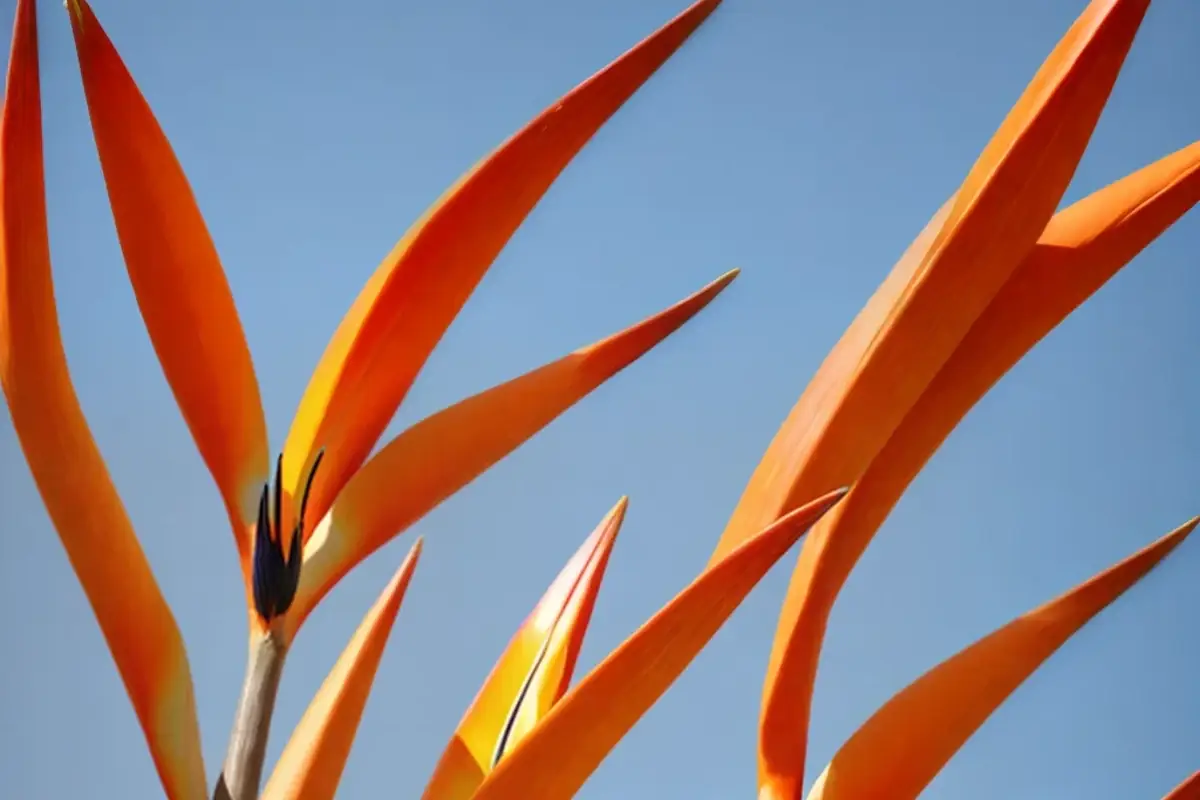
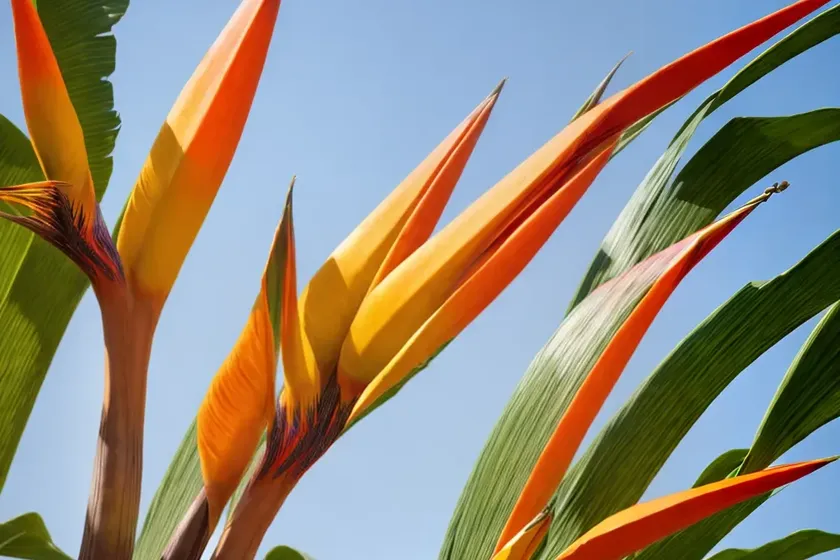
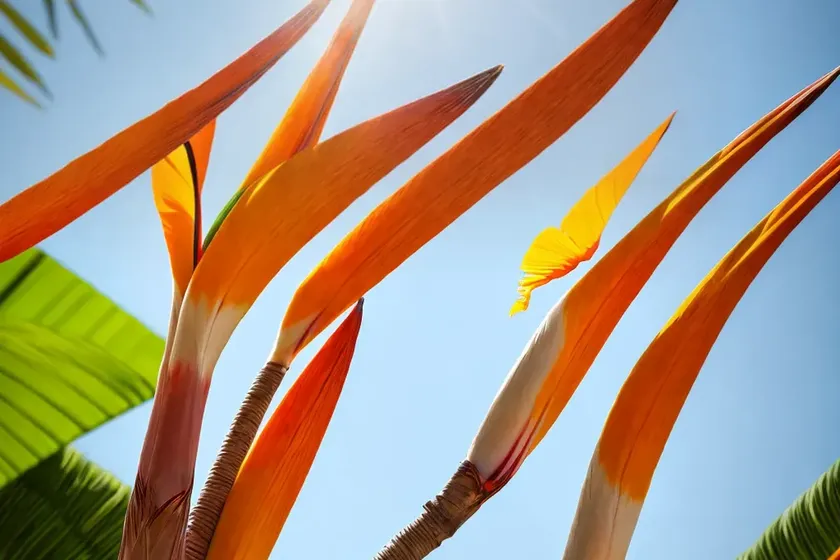
The Bird of Paradise plant, also referred to as Crane Flower, is a herbaceous perennial that belongs to the Strelitziaceae family. It is renowned for its distinctive, bird-shaped flowers that bloom amidst long, pointed leaves, evoking the image of the avian paradise. The vibrant hues of the flowers and the elegance of the foliage make it a sought-after choice for both indoor and outdoor ornamental planting.
Key Takeaways – Bird of Paradise (Strelitzia reginae)
Before delving deeper into the various aspects of the Bird of Paradise plant, let’s take a quick look at some key takeaways:
- Scientific Name: Strelitzia reginae
- Common Names: Bird of Paradise, Crane Flower
- Origin: Native to South Africa
- Popularity: Widely sought after for its striking flowers and foliage
- Care Level: Moderately easy to maintain
- Uses: Ornamental planting for both indoor and outdoor settings
- Notable Features: Unique, birdlike flowers and large, paddle-shaped leaves
- Growth Habit: Clump-forming rhizomatous perennial
- Hardiness: Suitable for USDA hardiness zones 10-12
Now, let’s explore the various aspects of this captivating plant in more detail.
Culture
The culture of the Bird of Paradise plant encompasses its growth habits, natural habitat, and overall environmental requirements. Understanding its cultural needs is crucial for ensuring optimal growth and flowering.
-
Growth Habit: Bird of Paradise plants typically exhibit a clump-forming growth habit, with multiple stems emerging from the rhizomatous root system. The foliage is predominantly evergreen, providing an enduring ornamental presence.
-
Natural Habitat: In its native South Africa, Strelitzia reginae thrives in subtropical and tropical regions, often along riverbanks and other moist, sunny locations. The plant’s adaptability to a range of environmental conditions is reflected in its resilience as an ornamental specimen in various parts of the world.
Uses
The Bird of Paradise plant has a multitude of uses, ranging from ornamental landscaping to interior décor and even medicinal applications in some cultures.
-
Ornamental Planting: The stunning flowers and bold foliage make Strelitzia reginae a favored choice for ornamental planting in tropical and subtropical landscapes. Its upright growth habit and impressive size add architectural interest to garden landscapes.
-
Interior Décor: Bird of Paradise flowers are often used in floral arrangements, adding a touch of exotic beauty to indoor spaces. The large, glossy leaves also serve as dramatic foliage in interior décor settings.
-
Medicinal Applications: In traditional medicine practices in its native South Africa, Bird of Paradise plants have been utilized for their purported medicinal properties. Various parts of the plant are believed to possess healing properties and have been used to address certain health concerns.
Water
Proper watering is essential for the health and vitality of the Bird of Paradise plant. Understanding its water requirements and implementing appropriate watering practices is fundamental to its care.
-
Watering Frequency: Bird of Paradise plants thrive with regular watering, especially during the growing season. It is essential to ensure that the soil remains consistently moist, but not waterlogged, to support healthy growth and flowering.
-
Watering Method: When watering the plant, it is recommended to water the soil directly and avoid wetting the foliage to minimize the risk of fungal diseases.
-
Moisture Needs: While the plant appreciates consistent moisture, it is important to allow the soil to dry slightly between watering sessions to prevent issues associated with waterlogged conditions.
Sunlight
Adequate exposure to sunlight is crucial for sustaining the growth and blooming potential of the Bird of Paradise plant. Understanding its sunlight requirements and providing suitable light conditions is integral to its care regimen.
-
Light Needs: Bird of Paradise plants thrive in bright, indirect light. In their native habitat, they are accustomed to receiving ample sunlight, and replicating similar light conditions in cultivation facilitates optimal growth and flowering.
-
Outdoor Light: When grown outdoors, these plants prefer a location with partial shade, especially during the intense afternoon sun, to shield the foliage from potential scorching.
-
Indoor Light: For indoor cultivation, placing the plant near a bright, sunlit window or supplementing with artificial lighting if natural light is limited can ensure its light requirements are adequately met.
Fertilizer
Proper fertilization is instrumental in nurturing the Bird of Paradise plant and promoting robust growth and prolific flowering. A balanced approach to fertilizing can significantly impact its overall health and ornamental value.
-
Fertilizer Type: A well-balanced, water-soluble fertilizer formulated for flowering plants is usually suitable for the Bird of Paradise. The fertilizer should contain an appropriate ratio of essential nutrients, including nitrogen, phosphorus, and potassium, to support healthy growth and flowering.
-
Fertilization Frequency: During the growing season, from spring through summer, regular fertilization every two weeks is typically beneficial for sustaining the plant’s nutrient requirements.
-
Reduced Winter Feeding: In the winter months, when the plant’s growth rate diminishes, it is advisable to reduce or cease fertilization to align with its reduced metabolic demands.
Soil
The soil composition directly influences the plant’s ability to thrive and flourish. Understanding the soil requirements of the Bird of Paradise plant is crucial for implementing suitable planting and maintenance practices.
-
Well-Draining Soil: Bird of Paradise plants prefer a well-draining, fertile soil mix that allows excess moisture to permeate through the root zone without causing waterlogged conditions.
-
Soil pH: A slightly acidic to neutral soil pH range of 6.0-6.5 is generally favorable for optimal nutrient uptake and overall plant health.
-
Organic Matter: Incorporating organic matter, such as compost or well-rotted manure, into the soil mix can enhance its fertility and structure, providing a conducive environment for the plant’s root development.
Pruning
Pruning is a valuable cultural practice that can help manage the growth and appearance of the Bird of Paradise plant. Strategic pruning can promote tidiness, encourage new growth, and remove damaged or aging foliage.
-
Blooming Stems: After the plant has finished flowering, spent or withered flower stems can be pruned back to maintain the plant’s aesthetic appeal and direct its energy towards new growth and future flowering.
-
Dead or Damaged Foliage: Regular assessment of the foliage for signs of damage, disease, or senescence is essential. Pruning off dead or damaged leaves and stems can help uphold the plant’s overall health and vitality.
-
Rhizome Management: As Bird of Paradise plants spread through their rhizomatous root system, occasional management to remove overcrowded rhizomes can prevent congestion and ensure the plant’s continued vigor.
Propagation
Propagating the Bird of Paradise plant allows enthusiasts to expand their collection or share its beauty with others. Several methods can be employed to propagate Strelitzia reginae successfully.
-
Division: Dividing mature clumps of Bird of Paradise plants is a common and effective method of propagation. This entails carefully separating the rhizomatous clumps into individual sections, each with viable roots and growing points.
-
Offshoots: In some instances, the plant may produce offshoots or suckers at the base, which can be carefully separated and transplanted to establish new individuals.
-
Rhizome Cuttings: Taking stem cuttings that include a portion of the rhizome can also be successful for propagating Bird of Paradise plants. The cuttings can be rooted in a suitable growing medium to initiate new growth.
Container Popularity
The Bird of Paradise plant’s adaptability and ornamental allure make it a popular choice for container gardening, enabling enthusiasts to enjoy its beauty on patios, balconies, and other confined spaces.
-
Compact Growth: The plant’s upright growth habit and relatively compact size make it well-suited for container cultivation, adding a tropical touch to urban gardens and smaller outdoor areas.
-
Versatile Placement: Containers of Bird of Paradise plants can be positioned to serve as focal points in landscape design, creating dramatic visual impact and lending a touch of exotic elegance to the surroundings.
-
Portable Aesthetics: The portability of container-grown specimens allows for flexibility in arranging and rearranging the plants to achieve desired aesthetic compositions.
Common Diseases
Like all plants, the Bird of Paradise is susceptible to certain diseases that can impact its growth and overall vitality. Understanding the common diseases that affect Strelitzia reginae is crucial for implementing preventive measures and prompt interventions if necessary.
-
Leaf Spot: Fungal leaf spot diseases can affect the foliage, causing unsightly blemishes and potential defoliation. Proper airflow and moisture management can help mitigate the risk of leaf spot diseases.
-
Root Rot: Overly wet or poorly draining soil can predispose the plant to root rot, leading to wilting, decline, and potential collapse. Avoiding waterlogged conditions and ensuring well-draining soil is essential for preventing root rot.
-
Powdery Mildew: Powdery mildew, characterized by the presence of powdery white fungal growth on the foliage, can occur under conditions of high humidity and poor air circulation. Maintaining suitable environmental conditions can help deter powdery mildew.
Disease Diagnosis
Prompt identification of potential diseases is crucial for implementing targeted management strategies. Visual symptoms and careful assessment can aid in diagnosing diseases that may affect the Bird of Paradise plant.
-
Foliage Assessment: Regular inspection of the foliage for signs of discoloration, spotting, wilting, or abnormal growth can provide early indications of potential disease issues.
-
Root Examination: Carefully inspecting the root system for signs of decay, discoloration, or foul odors can help identify issues such as root rot early and prevent further spread.
-
Professional Consultation: If there is uncertainty regarding the diagnosis or management of a disease affecting the Bird of Paradise plant, seeking guidance from a qualified plant professional or local agricultural extension services can provide valuable insight.
Common Pests
Several common pests can pose a threat to the health and aesthetics of the Bird of Paradise plant. Familiarizing oneself with these pests and implementing preventive measures is essential for safeguarding the plant from potential infestations.
-
Aphids: These soft-bodied insects can congregate on the foliage and stems, sucking plant sap and causing distortion or yellowing of the affected plant parts. Regular monitoring and employing natural predators or insecticidal solutions can help manage aphid populations.
-
Spider Mites: Infestations of spider mites can cause stippling and webbing on the foliage, leading to diminished plant vigor. Maintaining adequate humidity levels and employing suitable miticides can help control spider mite populations.
-
Mealybugs: Mealybugs are another common pest that can affect the Bird of Paradise plant, causing honeydew secretion, leaf distortion, and overall decline. Prompt intervention with horticultural oils or insecticidal soaps can aid in managing mealybug infestations.
Botanist’s Tips
Drawing from insights and expertise in plant science, botanists offer valuable tips and recommendations for cultivating and caring for the Bird of Paradise plant.
-
Environmental Mimicry: Creating an environment that mirrors the plant’s native habitat, including suitable light, moisture, and temperature conditions, can promote optimal growth and flowering.
-
Moderate Restriction: When grown in containers, providing the plant with a slightly root-bound environment can encourage flowering and minimize excessive vegetative growth.
-
Careful Watering: To prevent water-related issues such as root rot, it is crucial to strike a balance in watering, allowing the soil to partially dry between watering sessions.
Fun Facts
Uncovering interesting and intriguing facts about plants adds an element of fascination and appreciation for their unique attributes. Let’s explore some fun facts about the Bird of Paradise plant:
- The name “Strelitzia” pays homage to Queen Charlotte of Mecklenburg-Strelitz, the wife of King George III, who reigned in the late 18th century.
- The vibrant, birdlike flowers of the plant are renowned for their resemblance to the avian species, particularly the exotic bird of paradise.
- Strelitzia reginae is cultivated not only for its aesthetic appeal but also for its potential as a tropical garden focal point and indoor statement plant.
Links to External Resources
To further enrich your understanding and knowledge of the Bird of Paradise (Strelitzia reginae), explore the following external resources:
Conclusion
The Bird of Paradise plant (Strelitzia reginae) captivates plant enthusiasts and gardening aficionados with its distinctively ornate flowers and bold, tropical foliage. Whether cultivated as a commanding centerpiece in garden landscapes or as an enchanting indoor specimen, this plant continues to garner admiration for its enduring appeal and relatively manageable care requirements. By understanding its culture, water, sunlight, fertilizer, soil, pruning, propagation, common diseases, and pests, enthusiasts can successfully nurture and enjoy the splendor of the Bird of Paradise plant in a variety of settings. Embracing the botanical charm and unique character of the Bird of Paradise introduces a touch of paradise into our living spaces and outdoor sanctuaries, eliciting a spirit of tropical exuberance and natural elegance.
Plant enthusiasts and horticulturalists alike are continually drawn to the allure of the Bird of Paradise plant, finding endless fascination in its captivating beauty and botanical allure. Whether adorning tropical landscapes, interior settings, or outdoor sanctuaries, the Bird of Paradise stands as a magnificent testament to the remarkable diversity and ornamental wonder of the plant kingdom. With its striking flowers and stately elegance, the Bird of Paradise (Strelitzia reginae) embodies a tropical tapestry of allure and botanical marvel, blessing our living spaces with the timeless essence of natural grandeur.