Domino Peace Lily (Spathiphyllum ‘Domino’) Care Guide
Care for the variegated Domino peace lily: low to medium light, even moisture, humidity, repotting, division and keeping the variegation.
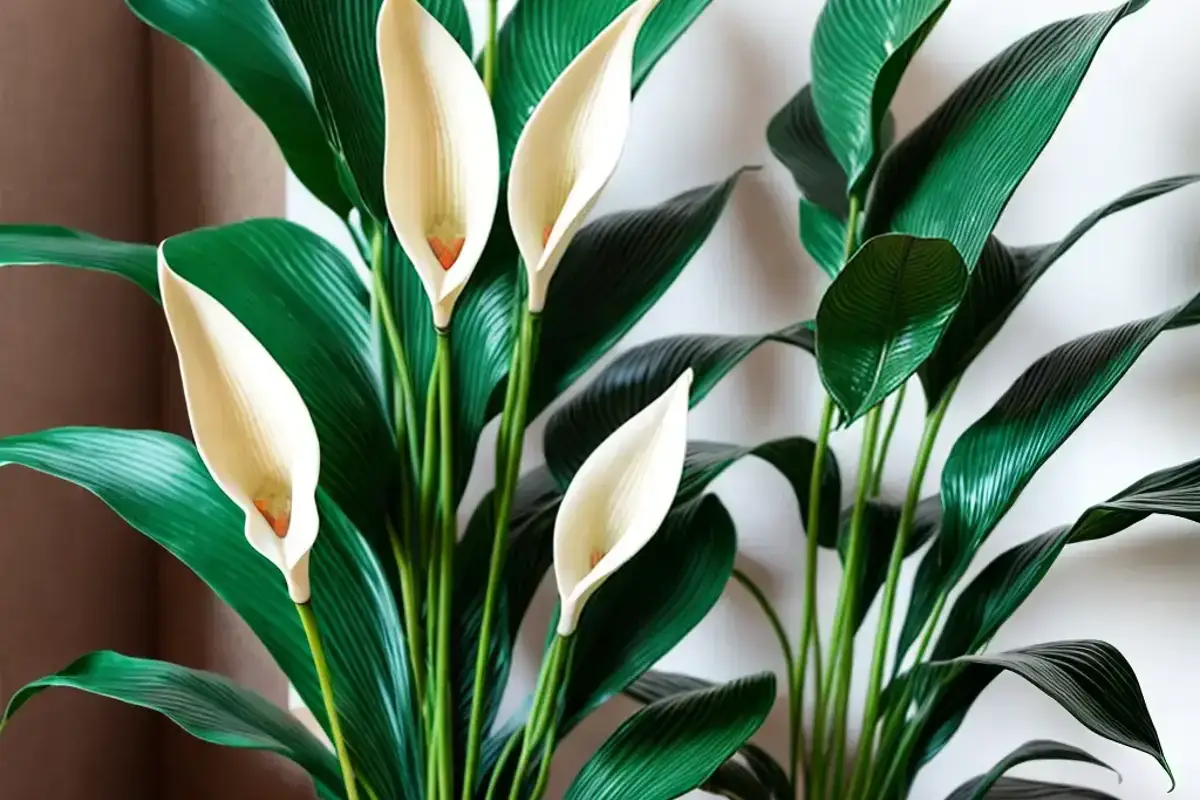
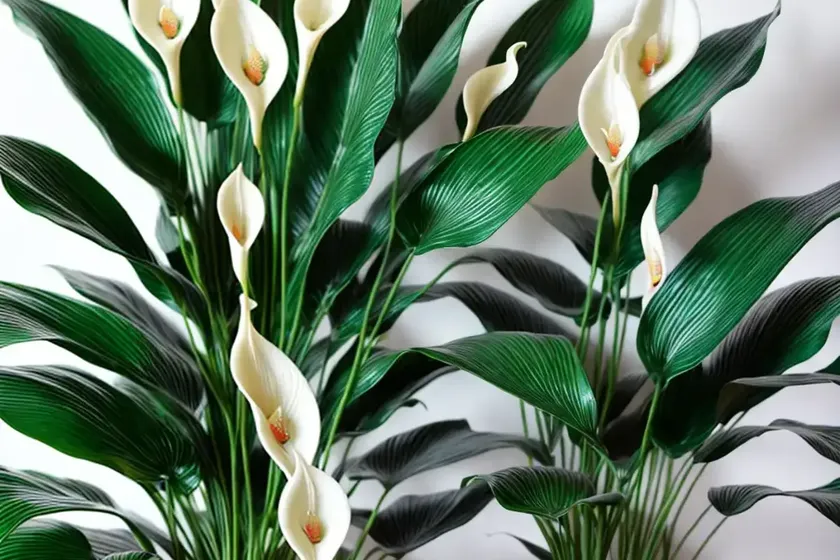

When it comes to indoor plants, there are a vast array of options to choose from. From succulents to tropical plants, each type has its own unique features and care requirements. One such popular indoor plant is the Peace Lily, specifically the Domino Peace Lily (Spathiphyllum ‘Domino’). This variety is highly sought after for its striking foliage and unique patterns, making it a great addition to any indoor space. In this article, we will explore the key aspects of the Domino Peace Lily plant, including its culture, uses, care requirements, common diseases, and more. So, let’s dive into the world of the Domino Peace Lily and uncover the secrets to successfully cultivating and caring for this stunning plant.
What is a Peace Lily?
Before we delve into the specifics of the Domino Peace Lily, it’s important to understand what a Peace Lily is. The Peace Lily, scientifically known as Spathiphyllum, is a genus of about 47 species of flowering plants in the family Araceae, native to the tropical regions of the Americas and southeastern Asia. These plants are known for their lush, green foliage and characteristic white flowers. The name “Peace Lily” is derived from the plant’s association with peace and tranquility, making it a popular choice for indoor spaces such as homes and offices.
Key Takeaways – Domino Peace Lily Plant (Spathiphyllum ‘Domino’)
Before we dive deep into the specifics of the Domino Peace Lily, let’s take a look at the key takeaways regarding this stunning plant.
- Plant Name: Domino Peace Lily (Spathiphyllum ‘Domino’)
- Family: Araceae
- Genus: Spathiphyllum
- Common Names: Domino Peace Lily, Variegated Peace Lily
- Foliage: Lush, green leaves with striking white variegation
- Flowers: Characteristic white spathes
- Uses: Indoor decoration, air purification
- Care Level: Moderate
- Toxicity: Moderate to high (ingestion may cause discomfort)
- Propagation: Rhizome division, division of offset shoots
- Special Features: Unique variegation pattern, air-purifying properties
Now that we have an overview of the Domino Peace Lily, let’s explore its culture, uses, and care requirements in more detail.
Culture
The cultural requirements of the Domino Peace Lily play a crucial role in determining its overall health and appearance. Understanding the ideal conditions for this plant is essential for fostering its growth and ensuring it thrives in an indoor environment.
Uses
The Domino Peace Lily serves several purposes, making it a versatile addition to any indoor space. Some of its primary uses include:
-
Indoor Decoration: The lush, variegated foliage of the Domino Peace Lily makes it an attractive decorative plant for homes, offices, and indoor spaces. Its distinctive white pattern adds visual interest and can complement various interior design styles.
-
Air Purification: Like other Peace Lily varieties, the Domino Peace Lily is hailed for its air-purifying properties. It effectively removes common indoor pollutants such as formaldehyde, benzene, and carbon monoxide, contributing to a healthier indoor environment.
Water
Proper watering is crucial for the health and vitality of the Domino Peace Lily. Maintaining a balance between hydration and avoiding waterlogged conditions is essential for preventing issues such as root rot and leaf yellowing.
-
Watering Frequency: The Domino Peace Lily thrives in consistently moist, but not soggy, soil. It’s important to water the plant when the top inch of the soil feels dry to the touch. Avoid overwatering, as this can lead to root rot.
-
Water Quality: The use of distilled or filtered water is recommended, as the plant is sensitive to chemicals and impurities found in tap water. Clean, chlorine-free water contributes to the plant’s overall well-being.
Sunlight
Proper sunlight exposure is a key factor in the growth and development of the Domino Peace Lily. While it is known for its tolerance of low-light conditions, providing adequate light is essential for encouraging healthy foliage and occasional flowering.
-
Light Requirements: The Domino Peace Lily thrives in bright, indirect light. Avoid exposing it to direct sunlight, as this can lead to leaf scorching and reduced overall health. Low-light conditions can be tolerated, but may result in slower growth.
-
Lighting Considerations: Placing the plant near a north-facing window or in an area with filtered sunlight is ideal. This allows for sufficient light exposure without the risk of direct sun exposure.
Fertilizer
Feeding the Domino Peace Lily with appropriate fertilizers ensures that it receives essential nutrients for robust growth and development. However, it’s important to undertake fertilization with care to prevent potential damage to the plant’s delicate roots.
-
Fertilization Frequency: During the growing season, which typically spans from spring to early fall, feed the Domino Peace Lily with a balanced, water-soluble fertilizer once a month. During the winter months, reduce fertilization to once every 6-8 weeks.
-
Fertilizer Choice: Opt for a mild, all-purpose fertilizer specifically formulated for indoor plants. Dilute the fertilizer to half or quarter strength to prevent overfeeding, which can result in fertilizer burn.
Soil
Selecting the right growing medium is essential for providing a suitable environment for the Domino Peace Lily’s roots to thrive. A well-draining, nutrient-rich soil mixture forms the foundation for healthy growth and prevents issues related to waterlogging and compaction.
-
Soil Composition: Choose a high-quality, well-aerated potting mix with good drainage capabilities. A mix containing peat, perlite, and sphagnum moss is ideal for retaining moisture while allowing excess water to drain freely.
-
pH Level: The ideal soil pH for the Domino Peace Lily ranges from slightly acidic to neutral (pH 6.0-7.0). Maintaining an appropriate pH level promotes nutrient uptake and overall plant health.
Pruning
Regular pruning is an essential aspect of caring for the Domino Peace Lily, enabling the removal of dead or yellowing foliage and promoting a tidy appearance. Proper pruning practices contribute to the plant’s overall vigor and aesthetics.
-
Pruning Frequency: As needed, remove spent flowers, yellowing leaves, and any damaged or diseased foliage to maintain the plant’s appearance. Use clean, sharp scissors or pruning shears to prevent unnecessary damage to the plant.
-
Pruning Technique: Cut foliage at the base of the stem, ensuring a clean, angled cut to promote optimal healing and prevent disease entry points.
Propagation
Propagating the Domino Peace Lily allows for the expansion of your plant collection and the rejuvenation of older, established specimens. Utilizing effective propagation methods ensures successful reproduction and the development of new plants.
-
Propagation Methods: The Domino Peace Lily can be propagated through division, utilizing the division of rhizomes or offset shoots. When repotting the plant, carefully divide the root ball, ensuring that each section contains viable roots and foliage.
-
Propagation Environment: Provide the new divisions with a warm, humid environment to encourage root establishment and new growth. Keep the soil consistently moist to support the development of the newly propagated plants.
Container Popularity
The Domino Peace Lily is commonly grown in containers due to its suitability as an indoor plant. Choosing the right container is essential for providing adequate space for the plant’s roots and promoting healthy growth.
-
Container Selection: Opt for a well-draining, appropriately sized container with drainage holes to prevent waterlogging and promote aeration. Select a container that accommodates the plant’s current size, with minimal additional space to prevent overly moist conditions.
-
Container Materials: Choose a container made of materials such as plastic, ceramic, or terra cotta. Consider the aesthetic appeal of the container while prioritizing functionality and plant health.
Common Diseases
Peace Lilies, including the Domino variety, are susceptible to certain diseases that can impact their overall health and appearance. Understanding these common diseases and their diagnosis is essential for effective management and prevention.
Disease Diagnosis
Identifying potential diseases in the Domino Peace Lily involves observing the plant’s foliage, growth patterns, and overall appearance. Common diseases may manifest in specific symptoms, aiding in accurate diagnosis and targeted treatment.
-
Common Diseases: The Domino Peace Lily is prone to issues such as leaf yellowing, root rot, and fungal diseases. These conditions can arise due to overwatering, poor soil drainage, and insufficient air circulation.
-
Symptoms: Watch for symptoms such as wilting, yellowing of leaves, and brown, mushy roots. Fungal issues may appear as powdery white spots on the foliage or stem. Leaf discoloration and stunted growth are indicators of potential disease.
Disease Management
Managing diseases in the Domino Peace Lily involves implementing appropriate cultural practices and targeted treatments to address specific issues. By incorporating preventive measures and timely interventions, it is possible to safeguard the plant against common diseases.
-
Preventive Measures: Ensure proper watering practices, maintain good air circulation, and provide suitable lighting to prevent the onset of common diseases. Avoid overwatering and minimize moisture on foliage to inhibit fungal growth.
-
Treatment Options: If disease symptoms are identified, consider adjusting watering practices and improving soil drainage. For fungal diseases, use appropriate fungicidal treatments to control and prevent further spread.
Common Pests
In addition to diseases, the Domino Peace Lily is vulnerable to infestations by common pests. These pests can impact the plant’s overall health and vitality, making early detection and intervention crucial for effective pest management.
-
Common Pests: The Domino Peace Lily may attract pests such as aphids, spider mites, and mealybugs. These pests can cause damage to the foliage, weaken the plant, and hinder its growth.
-
Pest Identification: Monitor the plant for signs of pest activity, including stippling on the leaves, webbing, and the presence of small, crawling insects. These indicators can aid in the early detection of pest-related issues.
-
Pest Control: Utilize natural predators, such as ladybugs, to control aphid populations. For mealybugs and spider mites, gently remove them from the plant using a soft, damp cloth, or use insecticidal soap as a targeted treatment.
Botanist’s Tips
To ensure the healthy growth and well-being of the Domino Peace Lily, consider implementing the following botanist’s tips. These recommendations are based on sound botanical principles and practical experience in caring for indoor plants.
-
Hydration Monitoring: Regularly check the moisture level of the soil to prevent overwatering or under watering. Use a moisture meter or perform the fingertip test to gauge soil moisture.
-
Humidity Enhancement: Create a humid environment for the Domino Peace Lily by utilizing a pebble tray or a room humidifier. Adequate humidity levels promote healthier foliage and mitigate issues related to dry indoor air.
-
Adequate Air Circulation: Ensure that the plant is placed in an area with sufficient air circulation to prevent stagnant air and reduce the risk of fungal infections. Gentle air movement supports the plant’s overall health.
-
Occasional Cleaning: Wipe the plant’s foliage with a soft, damp cloth on a regular basis to remove dust and debris. This practice enhances the plant’s aesthetic appeal and allows for better light absorption.
-
Regular Inspections: Conduct routine inspections of the plant for signs of disease, pests, and overall health. Prompt detection of issues enables timely intervention and prevents the escalation of problems.
Fun Facts
To further appreciate the uniqueness of the Domino Peace Lily, consider these interesting and lesser-known facts about this captivating indoor plant.
-
The Domino Peace Lily is a variegated cultivar of the classic Spathiphyllum, characterized by its distinct white patterning on the leaves.
-
Peace Lilies, including the Domino variety, are considered among the top air-purifying plants, effectively removing toxins such as formaldehyde, benzene, and trichloroethylene from the air.
-
The Peace Lily, in general, is known for its resilience and ability to recover from periods of neglect, making it a forgiving plant for novice indoor gardeners.
-
The characteristic white spathes of the Peace Lily are often mistaken for flowers, but are actually modified leaves known as spathes that surround the true flowers.
-
The variegated foliage of the Domino Peace Lily adds a captivating visual element to interior settings and complements a wide range of home decor styles.
Links to External Resources
For further information on the Domino Peace Lily and related topics, explore the following external resources:
- Peace Lily Plant Care Guide – The Spruce
- Indoor Plant Care Tips – House Plants Expert
- Air-Purifying Indoor Plants – Better Homes & Gardens
- Spathiphyllum ‘Domino’: A Variegated Peace Lily – Bloomscape
In conclusion, the Domino Peace Lily, with its distinctive variegated foliage and air-purifying qualities, stands as a charming addition to indoor spaces. By understanding and implementing the recommended care guidelines, enthusiasts can enjoy the beauty and benefits that this unique plant has to offer. Incorporating the Domino Peace Lily into interior settings not only enhances the aesthetic appeal of a space but also contributes to a healthier and more vibrant indoor environment.
Remember, while the Domino Peace Lily is a resilient plant, attentive care and a nurturing touch will ensure its enduring beauty and vitality in your home or office. Whether you are a seasoned indoor gardener or just beginning your journey with houseplants, the Domino Peace Lily is sure to captivate and inspire with its striking appearance and graceful presence.