Olive Tree (Olea europaea) Care Guide
How to grow an olive tree in the garden or a container: sun, drainage, watering, feeding, pruning, overwintering and common pests and diseases.
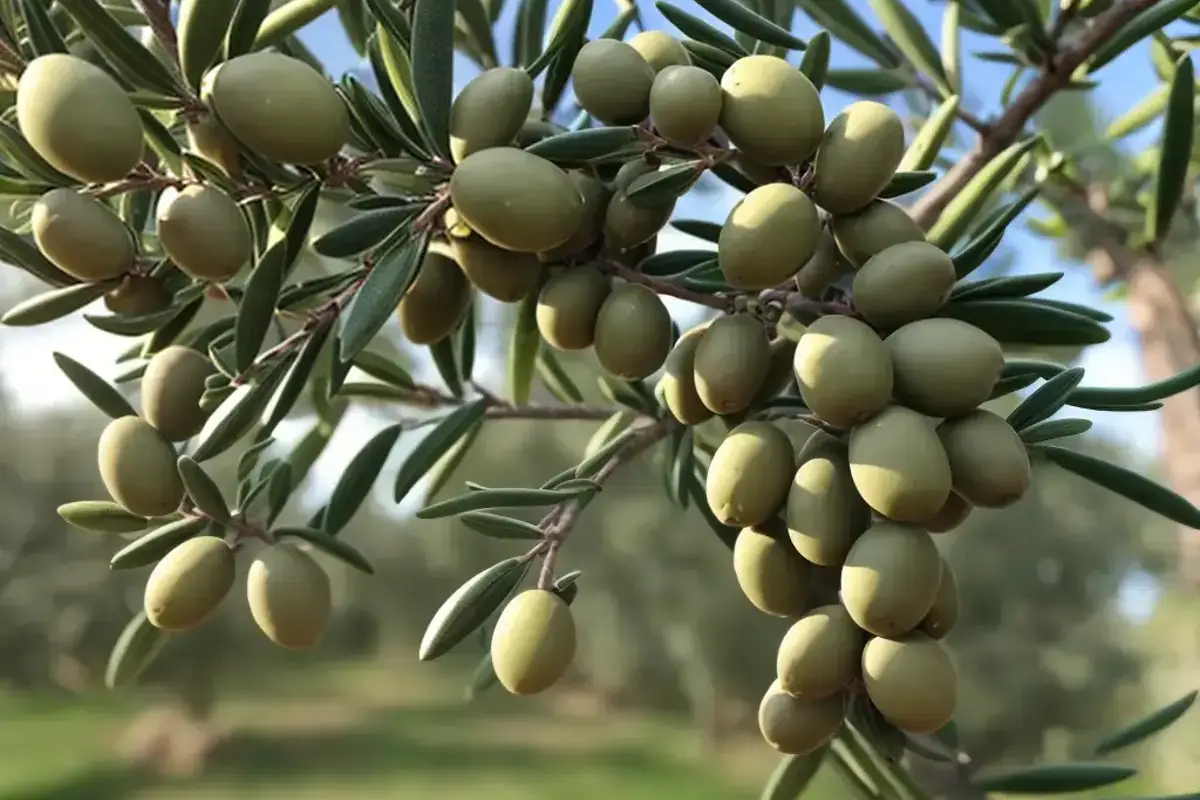
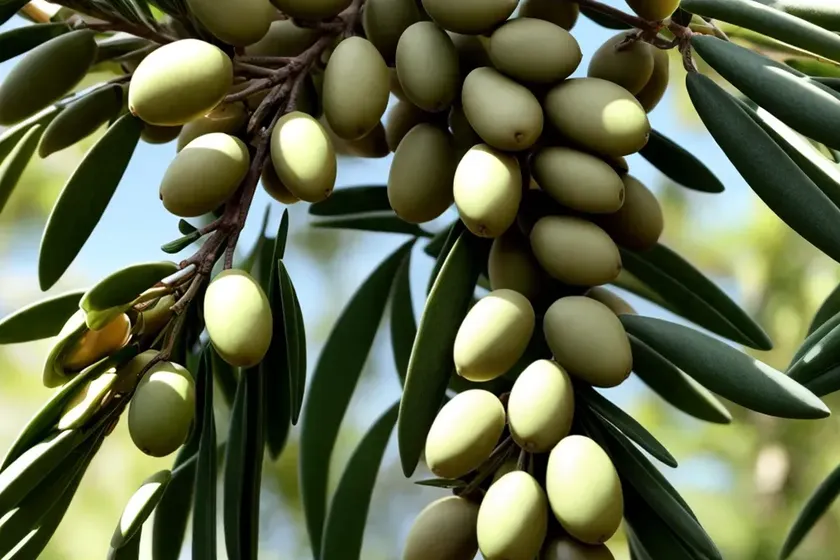
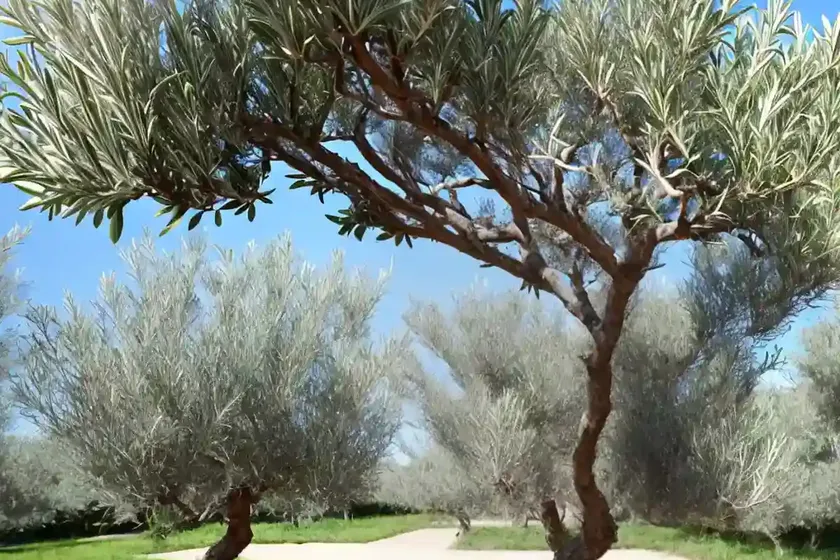
The olive tree, scientifically known as Olea europaea, is a plant steeped in cultural significance and cherished for its numerous practical uses. Residing predominantly in the Mediterranean region, the olive tree has been cultivated for millennia, symbolizing peace, prosperity, and fertility in ancient civilizations. Its branches bear small, oblong-shaped fruits, renowned for the production of olive oil. With its evergreen foliage, the olive tree not only holds significance in agriculture and cuisine but also shines as an ornamental symbol of endurance and resilience.
In this comprehensive guide, we delve into the multifaceted dimensions of the olive tree, covering its cultural, practical, and horticultural aspects. From its cultivation and care to the myriad uses and potential challenges, we explore the world of Olea europaea in all its glory, drawing from botanical expertise and real-life insights. Let’s embark on a journey through the enchanting realm of the olive tree, discovering its secrets and potential for enriching diverse aspects of human life.
Key Takeaways – Olive (Olea europaea)
Before we delve into the intricacies of cultivating and caring for Olive (Olea europaea), let’s capture the essential points that define this iconic plant:
- The olive tree, known as Olea europaea in botanical terms, is an evergreen species cherished for its versatile uses, particularly for the production of olive oil from its small fruits.
- Cultivated primarily in the Mediterranean region, Olea europaea holds cultural and historical significance, symbolizing peace, well-being, and fertility.
- The olive tree is an excellent candidate for drought-tolerant landscaping, with the capacity to thrive in arid environments and rocky soils.
- Its characteristic evergreen foliage, small stature, and fruit-bearing nature make Olea europaea a popular choice for ornamental and agricultural purposes alike.
- From olive oil production and culinary applications to its presence in traditional medicine and folklore, the olive tree epitomizes a plant deeply interwoven with human culture and heritage.
Now, let’s embark on a detailed exploration of the various facets of Olive (Olea europaea), from its cultivation and care to its diverse applications and potential challenges.
Culture
Uses
The olive tree encompasses a myriad of practical and cultural uses, enshrining it as a cherished natural resource and an emblem of sustainable living. Across the Mediterranean and beyond, Olive (Olea europaea) serves the following purposes:
- Olive Oil Production: The small, oil-rich fruits of the olive tree form the backbone of olive oil production, a primary culinary and commercial commodity in many regions. From the traditional stone-pressing methods to modern mechanical extraction, olive oil represents a cornerstone of the Mediterranean diet and an integral component of global cuisine.
- Culinary Applications: Beyond olive oil, the fruits of Olea europaea find their way into a diverse array of culinary creations. Whether pickled, stuffed, or pureed into spreads, olives offer a rich and savory addition to numerous dishes, embodying the essence of Mediterranean cuisine.
- Traditional Medicine: In various cultures, olive leaves and olive oil have featured prominently in traditional medicine. With purported antioxidant and anti-inflammatory properties, products derived from Olea europaea have been utilized for treating ailments and promoting overall well-being.
- Wood and Handicrafts: The dense, durable wood of the olive tree has lent itself to an array of woodcrafts and furniture. Additionally, the distinctive grain and texture of olive wood have made it a sought-after material for artistic and decorative objects, perpetuating the tree’s legacy in artisanal pursuits.
The all-encompassing utility of the olive tree reflects its enduring significance as a pillar of sustainability, health, and craftsmanship.
Water
Olive (Olea europaea) is renowned for its capacity to thrive in arid and semi-arid climates, requiring minimal water once established. This makes it a particularly suitable choice for regions characterized by limited water availability. While young olive trees benefit from regular watering to promote establishment and growth, mature trees can withstand prolonged periods of drought without compromising their vitality. When irrigated, it is important to ensure proper drainage to prevent waterlogging, which can adversely affect the tree’s health.
Sunlight
As a sun-loving species, Olive (Olea europaea) flourishes in full sunlight, requiring at least six to eight hours of direct sun exposure per day. Adequate sunlight not only sustains the tree’s photosynthetic processes but also contributes to robust fruit production and overall vigor. Planting olive trees in open, well-lit locations ensures their optimal development and the fulfillment of their fruit-bearing potential.
Fertilizer
Olive trees exhibit a remarkable resilience to nutrient-poor soils, often thriving without regular fertilizer applications. However, in cases where soil deficiencies are identified, especially in nitrogen, phosphorus, or potassium, targeted fertilization may be beneficial to support healthy growth and fruit production. When applying fertilizers, it is essential to perform soil tests to ascertain the specific nutrient requirements of the olive tree and avoid over-fertilization, which can lead to imbalanced growth and environmental issues.
Soil
The adaptability of Olive (Olea europaea) extends to its tolerance of diverse soil types, including sandy, loamy, and rocky substrates. Well-drained soils are critical for preventing waterlogging and ensuring the optimal development of the tree’s extensive root system. In regions with heavy clay soils, incorporating organic matter and implementing soil amendments can enhance soil structure and fertility, fostering an environment conducive to the thriving of olive trees.
Pruning
Pruning constitutes an integral aspect of olive tree care, contributing to the tree’s health, productivity, and aesthetic appeal. Through strategic pruning, the following goals can be achieved:
- Enhancing Fruit Production: By selectively pruning to thin branch density and promote air circulation, the tree’s fruit-bearing capacity can be optimized, leading to improved yields and fruit quality.
- Managing Tree Structure: Pruning allows for the shaping and maintenance of the olive tree’s canopy, promoting a balanced, open structure that facilitates sunlight penetration and effective management of vegetative growth.
- Rejuvenating Old Wood: Periodic pruning serves to revitalize aging branches and stimulate the growth of new, productive wood, ensuring the sustained productivity of the tree over its lifespan.
Pruning practices should be tailored to the specific growth habits and fruiting characteristics of Olive (Olea europaea) and closely aligned with the tree’s natural rhythm and growth cycle.
Propagation
The propagation of Olive (Olea europaea) can be accomplished through various methods, each serving distinct purposes and offering unique advantages. The primary propagation techniques for olive trees include:
- Seed Propagation: While viable and easily accessible, propagation from seeds often results in significant genetic variability, leading to unpredictable traits in the resulting trees. As a result, this method is less commonly employed for commercial olive production and varieties with specific desirable attributes.
- Cutting Propagation: Utilizing hardwood or semi-hardwood cuttings, this method enables the propagation of olive trees while preserving the genetic characteristics of the parent plant. By providing optimal conditions for rooting and establishment, cuttings offer a reliable means of reproducing desired cultivars and ensuring genetic uniformity in the resulting plants.
- Grafting: Grafting techniques, such as budding and cleft grafting, enable the incorporation of specific olive cultivars onto compatible rootstocks, facilitating the propagation of superior varieties with desirable traits, such as high fruit quality, disease resistance, or adaptability to specific environmental conditions.
The choice of propagation method is influenced by factors such as the desired traits of the resulting plants, the availability of genetic material, and the intended scale of propagation, underscoring the significance of tailored approaches to fulfill distinct horticultural objectives.
Container Popularity
While olive trees are traditionally grown in orchards and groves, their adaptability to container cultivation has garnered increasing popularity among enthusiasts and urban gardeners. Container-grown olive trees offer several advantages, including:
- Space Efficiency: Container cultivation allows for the integration of olive trees into smaller outdoor spaces, patios, and balconies, making the possibilities of growing Olea europaea accessible to a broader spectrum of gardening enthusiasts.
- Mobility: Containers enable the flexibility of relocating olive trees to optimal sun exposure and protection from adverse weather conditions, ensuring their well-being in variable environments.
- Horticultural Experimentation: For individuals interested in exploring the horticultural potential of olive trees or cultivating specific cultivars, container gardening provides a manageable and controlled setting for nurturing these endeavors.
The rising trend of cultivating olive trees in containers not only aligns with the principles of urban horticulture and space-conscious gardening but also reflects the enduring allure of this esteemed Mediterranean plant.
Container Common Diseases
Container cultivation of olive trees necessitates vigilance against potential diseases that may arise in this distinct growing environment. Common diseases that can affect olive trees in containers include:
- Root Rot: Poor drainage and overwatering in containers can predispose olive trees to root rot, caused by soilborne pathogens such as Phytophthora spp. and Fusarium spp. Symptoms include wilted foliage, stunted growth, and discolored, decaying roots.
- Powdery Mildew: Under conditions of high humidity and limited air circulation, containers may become conducive to powdery mildew infections, characterized by the development of white, powdery fungal growth on leaves and shoots.
- Anthracnose: This fungal disease can afflict olive trees in containers, causing dark lesions on leaves and fruit, potentially leading to defoliation and reduced fruit quality if left unmanaged.
Vigilant monitoring, proper irrigation practices, and prompt intervention are essential for mitigating the impact of these diseases on container-grown olive trees.
Common Pests
Olive trees, like many plants, are susceptible to various pests that can compromise their growth and vitality. Understanding the common pests that afflict Olea europaea is crucial for implementing effective pest management strategies. Some prevalent pests that can affect olive trees include:
- Olive Fruit Fly (Bactrocera oleae): This notorious pest targets the fruits of olive trees, laying eggs within the fruit, which leads to larvae infestation and spoilage. The resulting damage can significantly impact fruit yield and quality.
- Scale Insects: Scale insects, such as the olive scale (Parlatoria oleae), can infest the twigs, branches, and leaves of olive trees, sapping their sap and weakening the tree’s overall health. These pests often manifest as small, immobile bumps on the plant surface.
- Olive Psyllid (Euphyllura olivina): The olive psyllid can cause damage to olive trees through the feeding activities of its nymphs, resulting in distorted growth, discoloration, and stunted development of new foliage.
Implementing integrated pest management practices, which may involve cultural, biological, and chemical control methods, is crucial for preventing pest infestations and minimizing their impact on olive tree health.
Botanist’s Tips
As seasoned botanists and gardening enthusiasts can attest, the successful cultivation and care of Olive (Olea europaea) hinge on a blend of horticultural knowledge and hands-on experience. Harnessing the wisdom distilled from botanical expertise and practical insights, the following tips serve as guiding principles for nurturing healthy and robust olive trees:
- Understand Soil Requirements: Familiarize yourself with the specific soil composition and drainage preferences of olive trees, ensuring that the soil medium provides an optimal environment for root growth and nutrient uptake.
- Embrace Pruning as an Art: Pruning should be approached as a meticulous art form, harmonizing the tree’s natural architecture with the objectives of encouraging fruit production, managing vegetative growth, and maintaining structural integrity.
- Observe Watering Cues: Pay close attention to the moisture levels in the soil and the tree’s response to watering, adapting irrigation practices to correspond with the tree’s growth stage, seasonal variations, and prevailing weather conditions.
- Prioritize Pest and Disease Monitoring: Regularly inspect olive trees for signs of pest activity, disease symptoms, and physiological anomalies, intervening promptly to address emerging issues and safeguard the tree’s well-being.
These tips, combined with a genuine passion for horticulture and a willingness to engage in the ongoing learning process, lay the foundation for fostering thriving and bountiful olive trees.
Fun Facts
Exploring the captivating universe of Olive (Olea europaea) unlocks a treasury of intriguing and inspiring facts that add nuance to the tree’s storied legacy and botanical allure. Here are a few captivating fun facts about the olive tree:
- Longevity: Olive trees are renowned for their longevity, with some individuals displaying astonishing lifespans reaching several centuries. The existence of ancient olive trees bearing witness to millennia of human history adds an aura of timelessness to these remarkable plants.
- Symbolism of Peace: Embracing the olive branch as a symbol of peace, the olive tree has become an enduring emblem of concord and harmony in diverse cultural and religious traditions. Its association with peace amplifies the tree’s symbolic resonance beyond its utilitarian and ornamental dimensions.
- Wine and Oil: In ancient Greece, the cultivation of olive trees and the production of olive oil were integral components of agricultural prosperity, often converging harmoniously with viticulture and winemaking, illuminating the interconnectedness of these enduring cultural pursuits.
- Craftsmanship and Artistry: The dense and richly grained wood of olive trees has been harnessed for centuries by artisans and craftsmen, yielding decorative items, sculptures, and furniture prized for their unique beauty, durability, and historical resonance.
These fun facts animate the narrative of the olive tree, enriching our appreciation for its role as a living testament to humanity’s enduring connection to the natural world.
Links to External Resources
For readers eager to deepen their knowledge of Olive (Olea europaea) and explore additional insights from authoritative sources, the following external resources offer a wealth of information and guidance:
- International Olive Council
- University of California Integrated Pest Management Program – Olive
- Mediterranean Garden Society
- Olive Oil Times
- Botanical Online – Olea europaea
By delving into these reputable resources, enthusiasts and practitioners alike can expand their understanding of olive tree cultivation, care, and the manifold dimensions of its cultural and practical significance.
In conclusion, Olive (Olea europaea) stands as a testament to the enduring harmony between humanity and the natural world, embodying the timeless allure of the Mediterranean landscape while offering a wealth of practical and cultural contributions. From its esteemed position in the culinary arts and traditional medicine to its resilience in arid environments and symbolism of peace, the olive tree continues to captivate and inspire across generations. As we delve into the wondrous realm of Olea europaea, we are reminded not only of its botanical prowess but also of the profound bonds between history, culture, and the ceaseless tapestry of life.
Would you like to explore specific aspects of Olive (Olea europaea) in further detail, such as its historical significance or culinary applications? Let’s continue our journey into the captivating world of this venerable Mediterranean tree.