The Fascinating World of Lifelong Saxifrage (Saxifraga paniculata subsp. paniculata)
Plants are an integral part of our world, providing beauty, oxygen, and sustenance for life. Among the vast array of plant species, the lifelong saxifrage (Saxifraga paniculata subsp. paniculata) stands out as a striking and versatile plant. Its unique characteristics, graceful beauty, and adaptability make it a favorite among gardening enthusiasts and plant lovers.
In this comprehensive guide, we delve into the world of lifelong saxifrage, exploring its culture, uses, care requirements, propagation, common diseases, and more. Whether you’re a seasoned gardener or just starting with your green thumb, this guide will equip you with the knowledge needed to nurture and appreciate the lifelong saxifrage in all its splendor.
Key Takeaways
Before we dive into the specifics of lifelong saxifrage, let’s touch upon some key takeaways to pique your interest and provide an overview of what lies ahead.
- Lifelong saxifrage (Saxifraga paniculata subsp. paniculata) is a captivating plant with a rich history of cultural and medicinal uses.
- Cultivating lifelong saxifrage requires a balance of attentive care, suitable growing conditions, and an understanding of its unique characteristics.
- This resilient plant thrives in various environments, making it a versatile choice for gardens, landscapes, and even indoor settings.
- Lifelong saxifrage boasts stunning blooms, making it an enchanting addition to rock gardens, containers, and mixed perennial beds.
- By familiarizing yourself with its growth habits, maintenance needs, and interactions with pests and diseases, you can ensure the continued health and vibrancy of the lifelong saxifrage in your care.
Now, let’s embark on a journey into the world of lifelong saxifrage, beginning with its fundamental nature and cultural significance.
What is Lifelong Saxifrage (Saxifraga paniculata subsp. paniculata)?
Lifelong saxifrage, scientifically known as Saxifraga paniculata subsp. paniculata, belongs to the Saxifragaceae family and is native to Europe and Asia. This perennial herbaceous plant is renowned for its delicate, star-shaped flowers that adorn its compact foliage. The name “saxifrage” is derived from the Latin words “saxum” (rock) and “frangere” (to break), reflecting the plant’s natural habitat among rocky or stony environments.
Characteristics of Lifelong Saxifrage
Understanding the essential characteristics of lifelong saxifrage is crucial for its successful cultivation and appreciation. Let’s explore some of its key features:
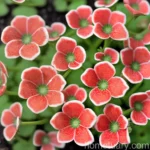
- Foliage: The evergreen or semi-evergreen foliage of lifelong saxifrage forms compact rosettes of spoon-shaped or lobed leaves. The leaves are often leathery and can exhibit varying shades of green, sometimes with a tinge of red or bronze.
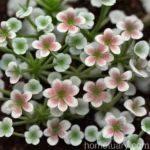
- Flowers: Lifelong saxifrage produces eye-catching clusters of star-shaped flowers held aloft on slender stems. The blooms can range in color from white and pale pink to deep rose, creating a striking visual display.
- Habit: This plant typically forms low mounds or clumps, with a spreading, mat-forming growth habit. It is well-suited for ground cover and rock garden settings.
- Hardiness: Lifelong saxifrage is known for its resilience, demonstrating good cold hardiness and adaptability to diverse climates.
Cultural and Medicinal Uses of Lifelong Saxifrage
Historically, lifelong saxifrage has held several cultural and medicinal roles, finding use in traditional herbal practices. Some of its reported uses include:
- Traditional Medicine: In certain cultures, lifelong saxifrage has been used in herbal medicine to address various ailments, such as digestive issues and skin conditions. It has also been employed for its astringent properties.
- Culinary Interest: While not as prevalent as its medicinal usage, there have been instances of the plant’s leaves being used as a source of sustenance in culinary preparations.
Culture of Lifelong Saxifrage
To care for lifelong saxifrage successfully, it’s essential to understand its requirements regarding water, sunlight, fertilizer, soil, and pruning. Additionally, knowing the best practices for propagation and the plant’s container preferences can help you create an optimal environment for its growth and development.
Water
Lifelong saxifrage thrives in well-drained soil and does not tolerate waterlogged conditions. As such, it is essential to strike a balance in watering to maintain healthy growth without subjecting the plant to excessive moisture. Some key points to consider when watering lifelong saxifrage include:
- Frequency: Water the plant when the soil begins to dry out, typically aiming for a moderate level of soil moisture. Avoid overwatering, as this can lead to root rot and other issues.
- Avoiding Mulch: Refrain from heavy organic mulching around the base of the plant, as this can contribute to excessive moisture retention.
Sunlight
Lifelong saxifrage exhibits a preference for partial shade to full sun, making it adaptable to a range of light conditions. When considering sunlight for the plant, keep the following in mind:
- Partial Shade: In regions with intense sunlight and heat, providing partial shade during the hottest part of the day can help prevent leaf scorch while still allowing for sufficient light exposure.
- Full Sun: In cooler climates, lifelong saxifrage can thrive in full sun settings, promoting robust growth and prolific flowering.
Fertilizer
When it comes to fertilizing lifelong saxifrage, a balanced approach is essential. While the plant does not have high nutritional demands, judicious use of fertilizer can support its overall health and vigor. Considerations for fertilizing the plant include:
- Minimal Fertilization: Lifelong saxifrage generally does not require frequent or heavy fertilization. Utilize a well-balanced, diluted liquid fertilizer during the growing season, applying it sparingly to avoid excessive nutrient levels in the soil.
- Avoiding Excess: Refrain from over-fertilization, as this can lead to rapid, weak growth and may compromise the plant’s natural resilience.
Soil
The soil requirements of lifelong saxifrage center on providing a well-draining, nutrient-rich substrate that mirrors the plant’s native rocky habitats. When preparing the soil for this plant, consider the following guidelines:
- Well-Drained Soil: Ensure that the soil provides excellent drainage, avoiding heavy, compacted substrates that retain excess moisture.
- Sandy or Gravelly Soil: Incorporating sand or gravel into the soil mix can enhance drainage and mimic the gritty conditions favored by lifelong saxifrage.
Pruning
Pruning and maintenance of lifelong saxifrage primarily focus on removing spent blooms and maintaining the plant’s compact form. To effectively prune the plant, keep in mind the following:
- Deadheading: Regularly remove faded flowers to encourage continued blooming and prevent the plant from expending energy on seed production.
- Trimming Spent Foliage: Periodically trim back any damaged or unsightly foliage to promote a tidy appearance and new growth.
Propagation
The propagation of lifelong saxifrage allows for the expansion and renewal of plantings, offering the opportunity to create new displays and share the plant’s beauty with others. Common methods of propagating this species include:
- Division: Lifelong saxifrage can be propagated through division, with established clumps being carefully separated into smaller sections and replanted in suitable locations.
- Seeding: While the plant does produce seed, propagation via seeds may take longer to yield mature plants and is less commonly practiced compared to division.
Container Popularity
The versatile nature of lifelong saxifrage has led to its popularity as a container plant, particularly for individuals seeking to bring its elegance and charm to patios, balconies, and other confined spaces. To cultivate lifelong saxifrage in containers, consider the following factors:
- Container Size: Opt for containers of a suitable size that provide ample room for the plant’s growth while allowing for effective drainage.
- Well-Draining Medium: Use a well-draining potting mix, potentially incorporating perlite or coarse sand, to ensure optimal growing conditions within the container.
Common Diseases of Lifelong Saxifrage
While lifelong saxifrage is generally robust and resilient, it can be susceptible to certain diseases under unfavorable conditions. Familiarizing yourself with these potential ailments and their preventive measures can contribute to the plant’s long-term health and vitality.
Disease Diagnosis
Key diseases that may affect lifelong saxifrage include fungal infections and bacterial diseases, often associated with excessive moisture and poor air circulation. Common diseases to watch for include:
- Powdery Mildew: This fungal disease presents as a powdery, white coating on the leaves and stems, potentially leading to reduced vigor and defoliation.
- Rot Diseases: Various rot pathogens can affect the roots, stems, and foliage of lifelong saxifrage, causing wilting, discoloration, and decay.
Prevention and Management
Implementing proactive measures to prevent disease in lifelong saxifrage is critical to maintaining its health. Some strategies to safeguard the plant against diseases include:
- Adequate Air Circulation: Ensure that the plant is not overcrowded and has sufficient airflow to discourage the development and spread of fungal diseases.
- Monitoring Moisture Levels: Avoid overwatering and excessive moisture on the foliage, as this can create conditions favorable for disease development.
Common Pests Affecting Lifelong Saxifrage
Lifelong saxifrage is generally not heavily targeted by pests, but certain insects and arachnids may occasionally pose a threat to its well-being. Knowing how to identify and address these potential pests is integral to preserving the plant’s vitality.
Pest Identification
Some of the common pests that may affect lifelong saxifrage include:
- Aphids: These small, sap-sucking insects can congregate on the plant’s tender new growth, causing distortion and stunting of the foliage.
- Spider Mites: These tiny arachnids can inflict damage by feeding on the plant’s cell contents, leading to yellowing, stippling, and webbing on the leaves.
Pest Control Measures
Applying targeted pest control methods can help mitigate the impact of infestations and safeguard lifelong saxifrage from pest-related damage. Control measures to consider include:
- Hose Spraying: Using a strong stream of water to dislodge and remove pests such as aphids and spider mites from the plant.
- Horticultural Oils: Applying horticultural oils can help suffocate and control certain pests, including aphids and spider mites, while being relatively safe for beneficial insects.
Botanist’s Tips for Thriving Lifelong Saxifrage
To ensure the successful cultivation of lifelong saxifrage and appreciate its ornamental and environmental value to the fullest, consider the following expert tips and insights from seasoned botanists and plant enthusiasts.
- Selecting Ideal Growing Locations: When choosing locations for planting lifelong saxifrage, prioritize sites with well-drained soil, partial shade, and good air circulation to promote the plant’s health and vitality.
- Balanced Watering: Maintain a balanced approach to watering, allowing the soil to partially dry out between waterings to prevent waterlogging and associated issues.
- Prudent Pruning Practices: Regularly deadhead spent blooms and trim back unsightly foliage to encourage continued flowering and maintain the plant’s attractive appearance.
- Vigilance for Pests and Diseases: Stay attentive to signs of pest activity and disease development, promptly addressing any issues to prevent widespread damage to the plant.
Fun Facts About Lifelong Saxifrage
Exploring the unique and intriguing aspects of lifelong saxifrage adds an extra layer of fascination to this captivating plant. Here are some fun facts to enrich your understanding and appreciation of lifelong saxifrage:
- Alpine Adaptation: Lifelong saxifrage is well-suited for alpine and rock garden settings, thriving in the rugged conditions reminiscent of its native habitats.
- Longevity: True to its name, lifelong saxifrage can endure for many years when provided with suitable growing conditions and care, making it a stalwart component of perennial plantings.
Links to External Resources
For further in-depth exploration of lifelong saxifrage and related topics, the following links to external resources offer valuable insights and specialized knowledge:
- Royal Horticultural Society – Saxifraga paniculata subsp. paniculata
- Missouri Botanical Garden – Saxifraga paniculata
- BBC Gardening Guides – Growing Saxifrage
- American Horticultural Society – Saxifraga paniculata: A Versatile Perennial for Challenging Sites
- The Alpine Garden Society – Saxifraga paniculata subsp. paniculata
Conclusion
Lifelong saxifrage, with its enduring beauty, adaptability, and historical significance, holds a special place in the world of plants. Understanding its nature, culture, care requirements, and interaction with pests and diseases equips us to cultivate and appreciate this remarkable species to the fullest.
As you embark on your journey with lifelong saxifrage, may this comprehensive guide serve as a valuable resource, providing the knowledge and inspiration needed to foster a thriving and enchanting display of this captivating plant in your garden or landscape.
Remember to explore the unique opportunities for landscape and container gardening, sharing the timeless allure of lifelong saxifrage with fellow enthusiasts and creating an enduring legacy of natural beauty.
Plant Name: “lifelong saxifrage (Saxifraga paniculata subsp. paniculata)”