Understanding Nipplefruit (Solanum mammosum)
Introduction
Nipplefruit, scientifically known as Solanum mammosum, is a captivating and intriguing plant that has been captivating plant enthusiasts for centuries. The unique appearance and potential uses of the nipplefruit plant have garnered significant interest, and rightly so. In this comprehensive article, we will delve into the rich tapestry of knowledge surrounding Solanum mammosum, exploring its characteristics, uses, cultivation, and much more.
What is Nipplefruit (Solanum mammosum)?
Nipplefruit, or Solanum mammosum, is a tropical perennial plant that belongs to the Solanaceae family, which also includes popular cultivars such as tomatoes, potatoes, and eggplants. This plant is known for its ornamental fruits that bear a striking resemblance to human nipples, hence its colloquial name “nipplefruit.” The unique and eye-catching appearance of its fruits has made it a subject of fascination and curiosity for botanists, horticulturists, and gardeners alike.
Nipplefruit (Solanum mammosum) Facts
Nipplefruit, or Solanum mammosum, boasts a host of intriguing facts and characteristics that make it a standout in the botanical realm. Here are some essential facts about this captivating plant:
- Scientific Name: Solanum mammosum
- Common Name: Nipplefruit
- Family: Solanaceae
- Native Habitat: Tropical regions of South America and Central America
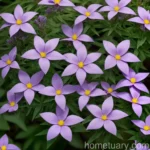
- Appearance: The plant features attractive, star-shaped, lavender flowers and striking, rounded fruits that resemble human nipples, hence the name “nipplefruit.”
- Cultural Uses: In some cultures, the fruits of Solanum mammosum are incorporated into traditional folklore, medicine, and rituals.
With our foundational understanding of Solanum mammosum in place, let’s explore the essential aspects of nurturing and harnessing the potential of this intriguing plant.
Key Takeaways – Nipplefruit (Solanum mammosum)
Before diving into the finer details of growing and caring for nipplefruit, let’s examine the key takeaways that encapsulate its essential traits and potential uses.
Culture
- Origin: Nipplefruit, or Solanum mammosum, originates from the tropical regions of South America and Central America.
- Cultural Significance: The plant holds cultural significance in some regions, often featuring in traditional medicine, folklore, and rituals.
- Ornamental Value: Its unique appearance makes it a cherished ornamental plant in gardens and landscapes.
Uses
- Ornamental: Nipplefruit is primarily grown for its extraordinary ornamental value, with its distinctive fruits adding a captivating touch to gardens and landscapes.
- Cultural and Medicinal: In some cultures, the plant’s fruits have traditional uses in folk medicine and cultural rituals.
With these key takeaways in mind, we will now delve into the critical factors for successfully nurturing Solanum mammosum, including its water, sunlight, fertilizer, soil, pruning, propagation, and its popularity as a container plant.
Water
Ensuring adequate water supply is crucial for the health and vitality of Solanum mammosum. Proper watering practices form the cornerstone of successful cultivation.
Watering Guidelines for Nipplefruit (Solanum mammosum)
- Moisture Requirements: Nipplefruit thrives in moderately moist soil, and it’s essential to maintain consistent moisture levels without waterlogging the roots.
- Watering Frequency: During the growing season, aim to water the plant regularly, ensuring that the soil does not completely dry out between waterings.
- Avoid Overwatering: While maintaining consistent moisture is crucial, it’s equally important to avoid overwatering, as this can lead to root rot and other water-related issues.
- Observation: Regularly monitor the soil moisture levels and adjust the watering frequency based on the environmental conditions and the plant’s specific needs.
Sunlight
Just like water, sunlight plays a pivotal role in the growth and overall well-being of nipplefruit plants. Understanding the plant’s sunlight requirements is imperative for optimal cultivation.
Sunlight Requirements for Nipplefruit (Solanum mammosum)
- Light Exposure: Nipplefruit plants thrive in full sunlight, requiring at least six hours of direct sunlight per day for robust growth and fruit development.
- Optimal Orientation: When selecting a planting location, prioritize spots that receive ample sunlight throughout the day, ensuring the plant’s energy needs are met.
- Shade Considerations: While nipplefruit benefits from abundant sunlight, it’s important to provide some protection from intense midday sun in exceptionally hot climates to prevent potential sunburn and stress.
Fertilizer
Providing the appropriate nutrients is essential for nurturing healthy and vibrant nipplefruit plants. A balanced approach to fertilization can significantly contribute to the plant’s overall vigor and fruit production.
Fertilization Tips for Nipplefruit (Solanum mammosum)
- Nutrient-Rich Soil: Begin with a nutrient-rich soil to provide a solid foundation for the plant’s growth. Incorporate organic matter and compost during soil preparation to bolster the soil’s fertility.
- Fertilizer Selection: Opt for a balanced, all-purpose fertilizer with a formulation such as 10-10-10 or similar, applying it according to the recommended dosage on the packaging.
- Application Timing: Commence fertilization in the early stages of growth, and continue with regular, light applications throughout the growing season to sustain the plant’s nutritional needs.
- Caution Against Overfertilization: Exercise caution to avoid overfertilization, which can lead to excessive foliage growth at the expense of fruit development and may also cause nutrient imbalances.
Soil
Understanding the soil preferences of nipplefruit is pivotal for creating an environment conducive to healthy growth and fruitful yields. The right soil composition can optimize the plant’s performance and resilience.
Soil Requirements for Nipplefruit (Solanum mammosum)
- Well-Draining Soil: Nipplefruit thrives in well-draining, loamy soil that promotes healthy root development and prevents waterlogging.
- Soil pH: Aim for a slightly acidic to neutral soil pH range of 6.0 to 7.0, as this provides an optimal environment for nutrient uptake and overall plant health.
- Soil Amendments: Prior to planting, enrich the soil with organic matter such as compost or well-rotted manure to enhance its structure and fertility.
- Container Cultivation: For container-grown nipplefruit, select a high-quality potting mix that provides excellent drainage and is formulated for the specific requirements of tropical plants.
Pruning
Pruning is a valuable practice for shaping and maintaining the vigor of nipplefruit plants. Strategic pruning can enhance the plant’s aesthetic appeal, promote air circulation, and facilitate robust growth.
Pruning Guidelines for Nipplefruit (Solanum mammosum)
- Deadheading Faded Flowers: Regularly remove spent flowers to encourage continuous blooming and prevent the formation of seeds, redirecting the plant’s energy towards new growth and fruit development.
- Shaping and Size Control: Prune the plant to maintain a desired shape and size, strategically removing any unruly or excessively dense growth to promote an open, balanced structure.
- Disease Management: Promptly prune any diseased or damaged foliage to mitigate the spread of pathogens and safeguard the plant’s overall health.
- Timing: Conduct routine pruning during the plant’s dormant phase or immediately after the flowering season to minimize stress and disruption.
Propagation
The propagation of nipplefruit offers an opportunity to expand and share the beauty of this captivating plant. Understanding the various propagation methods equips enthusiasts with the tools to grow new plants successfully.
Propagation Methods for Nipplefruit (Solanum mammosum)
- Seeds: Nipplefruit can be propagated from seeds, which are typically obtained from ripe fruits. Sow the seeds in a well-draining seed-starting mix, maintaining consistent moisture and warmth to encourage germination.
- Stem Cuttings: Propagation via stem cuttings is also a viable method for creating new plants. Collect a healthy, non-flowering stem cutting and root it in a suitable potting medium under controlled, humid conditions.
- Division: In some cases, mature nipplefruit plants can be divided by carefully separating the root system, creating multiple new plants for propagation.
Container Popularity
The allure of nipplefruit as a container plant has sparked keen interest among gardening enthusiasts and horticulturists. Its unique aesthetics and manageable size make it an ideal candidate for container cultivation.
Nipplefruit as a Container Plant
- Compact Growth: Nipplefruit’s moderate size and controlled growth habits render it well-suited for container planting, allowing enthusiasts to enjoy its ornamental fruits in limited spaces such as patios, balconies, and small gardens.
- Portability: Container-grown nipplefruit plants offer the flexibility to be moved and positioned as desired, making them a versatile addition to outdoor and indoor settings.
- Cultural Significance: Container planting enables individuals to showcase and nurture the captivating beauty of nipplefruit, allowing for closer observation and appreciation of its unique characteristics.
With our foundational knowledge of nurturing and cultivating nipplefruit firmly established, we will now explore the plant’s popularity, common diseases, and essential tips from botanists to ensure its successful growth.
Popularity of Nipplefruit (Solanum mammosum)
The unique appearance and cultural significance of nipplefruit have garnered notable popularity among plant enthusiasts and aficionados. Its characteristic fruits and ornamental appeal have contributed to its recognition as a prized addition to gardens and landscapes.
Factors Contributing to Nipplefruit’s Popularity
- Ornamental Charm: The striking, nipple-shaped fruits and attractive lavender flowers lend a captivating charm to the plant, capturing the attention of gardening enthusiasts and botanists alike.
- Cultural Intrigue: Nipplefruit’s cultural significance and traditional uses in certain regions have contributed to its allure, fostering curiosity and interest in its unique properties and potential benefits.
- Adaptability: The plant’s adaptability to container cultivation, coupled with its compact size and ornamental value, has made it a sought-after choice for individuals seeking distinctive and visually appealing botanical specimens.
Common Diseases of Nipplefruit (Solanum mammosum)
While nipplefruit is generally resilient when provided with optimal growing conditions, it is important to be aware of potential diseases that may affect the plant to effectively manage and mitigate any issues that may arise.
Disease Diagnosis and Management
- Powdery Mildew: A common issue in humid conditions, powdery mildew can affect nipplefruit, manifesting as a powdery white substance on the leaves and stems. Providing adequate air circulation and applying appropriate fungicidal treatments can help manage this fungal disease.
- Verticillium Wilt: This soil-borne fungal disease can affect the plant’s vascular system, leading to wilting, yellowing foliage, and overall decline. Planting in well-draining soil and practicing proper sanitation can help prevent and manage Verticillium wilt.
- Bacterial Leaf Spot: Characterized by dark, water-soaked lesions on the foliage, bacterial leaf spot can impact nipplefruit plants. Employing good watering practices and applying copper-based fungicides may aid in managing this bacterial disease.
Common Pests
Nipplefruit, like many plants, may face challenges from various pests that can compromise its vitality and appearance. Vigilance in pest management is critical for safeguarding the plant’s well-being.
Pests Affecting Nipplefruit (Solanum mammosum)
- Aphids: These small, sap-sucking insects can congregate on the plant’s tender growth, leading to distortion and stunted development. Employing natural predators, such as ladybugs, and using horticultural oils can help control aphid populations.
- Spider Mites: Spider mites are tiny arachnids that can cause stippling and webbing on the foliage, impacting the plant’s health. Regularly rinsing the plant with water and using predatory mites can assist in managing spider mite infestations.
- Whiteflies: These small, white, winged insects can gather on the undersides of leaves, feeding on plant sap and potentially spreading viral diseases. Encouraging natural predators and employing sticky traps can aid in controlling whitefly populations.
Botanist’s Tips for Nipplefruit (Solanum mammosum)
Drawing on the insights and expertise of botanists, horticulturists, and plant scientists, we can glean valuable tips and guidelines for successful cultivation and care of nipplefruit.
Botanist’s Insights and Recommendations
- Cultural Considerations: Understanding the plant’s cultural significance and traditional uses can provide valuable context for appreciating and nurturing nipplefruit.
- Observation and Monitoring: Regularly observing the plant for signs of growth, flowering, and potential issues empowers enthusiasts to provide timely care and intervention when needed.
- Cultural Exchange: Engaging with fellow enthusiasts and experts can facilitate the exchange of knowledge, experiences, and best practices for nipplefruit cultivation and appreciation.
Fun Facts about Nipplefruit (Solanum mammosum)
Uncovering the unique and fascinating aspects of nipplefruit can enhance our appreciation for this captivating plant. Let’s explore some fun and intriguing facts about Solanum mammosum.
Engaging Tidbits about Nipplefruit
- Cultural Symbolism: In certain regions, nipplefruit holds symbolic connotations in traditional folklore, rites, and cultural practices, reflecting the plant’s significance beyond its ornamental allure.
- Botanical Rarity: The distinctive appearance and characteristics of nipplefruit set it apart as a visually striking and uncommon addition to botanical collections and landscapes.
With our exploration of nipplefruit’s traits, care requirements, and cultural significance, we aim to foster a deep understanding and appreciation for Solanum mammosum, embracing its unique beauty and potential uses.
Links to External Resources
To expand your knowledge and delve deeper into the realm of nipplefruit, we recommend exploring the following external resources for valuable insights and comprehensive information:
- Royal Horticultural Society – Nipplefruit (Solanum mammosum)
- Botanical Society of America – Solanaceae Family
- American Society for Horticultural Science
- International Society for Horticultural Science
- Google Scholar – Research Articles on Solanum mammosum
Conclusion
Nipplefruit, or Solanum mammosum, stands as an exceptional and captivating plant that commands attention with its unique fruits, cultural significance, and ornamental allure. By understanding its water, sunlight, fertilizer, soil, pruning, propagation, and the challenges it may face, we equip ourselves to nurture and appreciate this extraordinary plant to the fullest. By weaving together knowledge, cultural appreciation, and passionate care, we can celebrate and honor the intriguing beauty and potential uses of nipplefruit, inviting others to partake in this enchanting botanical journey.
NLP LSI Keywords:
Solanum mammosum fruit, Nipplefruit plant, Nipplefruit tree, Nipplefruit information, Solanum mammosum facts, Nipplefruit benefits, Nipplefruit characteristics, Solanum mammosum uses, Nipplefruit description, Nipplefruit cultivation, Nipplefruit seeds, Nipplefruit plant care, Nipplefruit species, Solanum mammosum cultivation tips, Nipplefruit health benefits, Solanum mammosum plant family, Nipplefruit medicinal uses, Nipplefruit habitat, Nipplefruit leaves, Solanum mammosum toxicity, Nipplefruit growth habits, Nipplefruit flowering season, Nipplefruit plant structure, Solanum mammosum life cycle, Nipplefruit nutrition facts, Nipplefruit soil requirements, Solanum mammosum propagation methods, Nipplefruit potential side effects, Nipplefruit natural habitat, Nipplefruit varieties, Solanum mammosum plant morphology, Nipplefruit culinary uses, Nipplefruit traditional medicine, Nipplefruit folklore, Solanum mammosum evolution, Nipplefruit pollination methods, Nipplefruit flower anatomy, Nipplefruit pests and diseases, Solanum mammosum breeding techniques, Nipplefruit garden cultivation, Nipplefruit climate requirements, Solanum mammosum ecological role, Nipplefruit endangered status, Nipplefruit folklore and legends, Nipplefruit nutritional value, Solanum mammosum mythological references, Nipplefruit in traditional medicine, Nipplefruit wildlife interactions, Nipplefruit adaptations, Solanum mammosum conservation efforts.