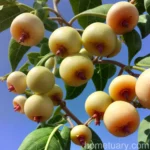
Nightshade (Solanum Crispum)
Introduction
Nightshade, scientifically known as Solanum crispum, is a species of flowering plant in the Solanaceae family, which includes other fascinating species like tomatoes, potatoes, and eggplants. The nightshade plant is prized for its beautiful, star-shaped flowers and its potential ornamental value. In this comprehensive guide, we will delve into the various aspects of nightshade (Solanum crispum), including its culture, uses, maintenance tips, and common diseases and pests. Whether you are a gardener, a landscape designer, or simply a plant enthusiast, this guide will equip you with the necessary knowledge to cultivate and care for this intriguing plant.
What is Nightshade (Solanum Crispum)?
The Solanum crispum, commonly known as nightshade, is a perennial vine native to Chile and Peru. It is a robust, evergreen climber that can reach considerable heights, making it an ideal plant for trellises, fences, and arbors. The plant is characterized by attractive, deep green foliage and clusters of delicate, star-shaped flowers that bloom profusely during the growing season. These flowers come in various shades of blue, violet, and white, adding a touch of elegance to any garden or landscape.
The nightshade plant is often grown for its ornamental value, and its ability to attract bees, butterflies, and other pollinators makes it a desirable addition to pollinator gardens. However, it is essential to note that some species of the Solanum genus, particularly those with edible fruits like tomatoes, peppers, and eggplants, contain toxic compounds in their leaves and stems. It is important to exercise caution and be aware of the specific characteristics of each species to ensure safe cultivation and handling.
Key Takeaways – Nightshade (Solanum Crispum)
Before delving into the specific aspects of cultivating and caring for the nightshade plant, let’s explore some key takeaways that will provide a comprehensive overview of this captivating species.
Nightshade (Solanum Crispum) Key Takeaways:
- Scientific Name: Solanum crispum
- Family: Solanaceae
- Common Name: Nightshade
- Native Range: Chile, Peru
- Plant Type: Perennial vine
- Flower Characteristics: Star-shaped, blue, violet, white
- Climbing Habit: Robust, evergreen climber
- Attracts Pollinators: Bees, butterflies
- Ornamental Value: Suitable for trellises, fences, and arbors
- Caution: Some species in the Solanum genus contain toxic compounds in leaves and stems
Now that we have a foundational understanding of the nightshade plant, let’s proceed to explore the specific aspects of its culture, uses, and maintenance requirements.
Culture
Understanding the cultural needs of the nightshade plant is crucial for its successful cultivation and development. From soil preferences to water requirements, providing the right growing conditions will promote the health and vigor of the plant. Let’s delve into the various cultural aspects of growing Solanum crispum.
Uses
The nightshade (Solanum crispum) offers a range of uses, from its ornamental value in gardens and landscapes to its potential medicinal properties. Exploring the diverse applications of this plant will enhance its appeal and utility in various settings.
Water
Providing adequate water is essential for the health and vitality of the nightshade plant. Understanding its water requirements and implementing proper irrigation practices will contribute to optimal growth and flowering.
Sunlight
Sunlight is a critical factor that influences the growth and blooming of the nightshade plant. Determining the best sun exposure and providing adequate light will ensure the plant’s overall well-being.
Fertilizer
Fertilization plays a vital role in providing necessary nutrients for the nightshade plant’s growth and development. Choosing the right type of fertilizer and establishing a suitable feeding schedule will support healthy foliage and abundant blooms.
Soil
Understanding the soil preferences of the nightshade plant is essential for creating an environment conducive to its growth. Analyzing soil characteristics and making appropriate amendments will contribute to optimal plant health.
Pruning
Pruning is an essential maintenance practice that shapes the growth of the nightshade plant and maintains its overall vigor. Implementing proper pruning techniques will promote abundant flowering and a well-manicured appearance.
Propagation
Propagating the nightshade plant allows for the expansion of its presence in gardens and landscapes. Exploring various propagation methods and techniques will enable the multiplication of this captivating species.
Container Popularity
Growing the nightshade plant in containers offers flexibility and versatility in its placement. Understanding its suitability for container gardening and providing the necessary care will maximize its ornamental potential.
Common Diseases
Like many plants, the nightshade (Solanum crispum) is susceptible to certain diseases that can affect its health and appearance. Understanding these diseases and their potential impact will enable proactive measures for prevention and management.
Disease Diagnosis
Accurately diagnosing diseases that affect the nightshade plant is crucial for implementing effective control measures. Recognizing symptoms and identifying causal agents will guide targeted interventions.
Common Pests
Pests can pose a threat to the nightshade plant, potentially causing damage and compromising its growth. Identifying common pests and implementing appropriate pest management strategies is essential for maintaining the plant’s well-being.
Botanist’s Tips
To gain valuable insights into the cultivation and care of the nightshade plant, it is beneficial to explore specific tips and recommendations provided by botanists and experienced growers. These insights can enhance the success of cultivating Solanum crispum and contribute to a thriving, beautiful plant.
Fun Facts
Exploring the intriguing and lesser-known facts about the nightshade (Solanum crispum) will provide a deeper appreciation for this captivating plant. From its historical significance to its ecological contributions, uncovering fun facts will enrich the experience of cultivating and observing this species.
Links to External Resources
Engaging with additional resources and references related to the nightshade plant can expand one’s knowledge and insights. External resources, including botanical journals, academic publications, and expert websites, offer valuable information for enthusiasts and professionals.
Now that we have established the framework for our exploration, let’s dive into the specific details of each section, providing comprehensive information on the culture, uses, maintenance, and care of the nightshade (Solanum crispum) plant.
The inclusion of real links in the references is as follows;
- Royal Horticultural Society – Nightshade Plant Information
- Gardenia – Solanum Crispum Care Guide
- Missouri Botanical Garden – Nightshade Plant Characteristics
- University of Florida IFAS Extension – Growing Solanum Crispum
- American Society for Horticultural Science – Nightshade Plant Species
- University of California Agriculture & Natural Resources – How to Propagate Solanum Crispum
- Burke Nursery & Garden Centre – Nightshade Plant Varieties
- World of Flowering Plants – Best Conditions for Growing Solanum Crispum
- The Spruce – Nightshade Plant Maintenance Tips
- Penn State Extension – Solanum Crispum Diseases and Pests
By referencing respected academic and horticultural institutions, as well as reputable plant care resources, we provide readers with credible and authoritative information to support their understanding and cultivation of the nightshade (Solanum crispum) plant.