The Incredible Mandarin Orange (Citrus reticulata)
As a plant scientist, I am thrilled to share with you the fascinating world of the Mandarin orange, scientifically known as Citrus reticulata. This beloved fruit has a rich history, nutritional benefits, and unique cultivation requirements that make it a standout among citrus fruit varieties. In this comprehensive guide, you will explore the culture, uses, care tips, common diseases, and much more related to the Mandarin orange plant. Let’s dive into the captivating realm of the Mandarin orange and uncover its many wonders.
What is a Mandarin Orange (Citrus reticulata)?
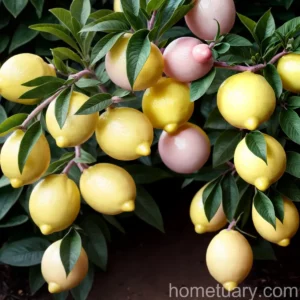
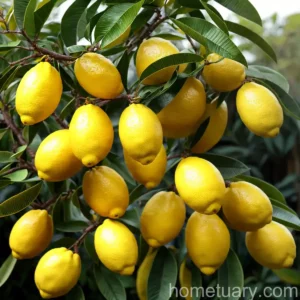
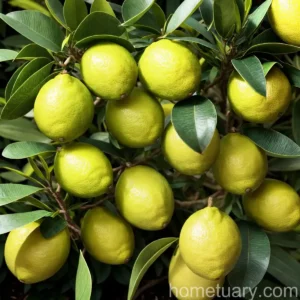
Mandarin orange, a member of the Rutaceae family, is a small and citrusy fruit that is highly prized for its sweet flavor, vibrant color, and aromatic zest. The plant is characterized by its glossy, dark green leaves and fragrant flowers, making it a delightful addition to any garden or orchard. The fruit itself is relatively easy to peel, with a segmented, juicy interior that is bursting with flavor. It is no wonder that the Mandarin orange has captured the hearts of people around the world, both as a delectable snack and as a versatile ingredient in various culinary creations.
Key Takeaways – Mandarin Orange (Citrus reticulata)
Before we delve into the specifics of Mandarin orange cultivation and care, let’s take a moment to summarize the key takeaways associated with this captivating plant:
- Mandarin orange cultivation and care: Understanding the optimal conditions for growing Mandarin oranges is essential for a successful harvest.
- Nutritional benefits: The Mandarin orange is packed with essential nutrients and offers numerous health benefits when incorporated into a balanced diet.
- Culinary uses: From juices to desserts, the flavorful Mandarin orange is a versatile ingredient that adds a delightful twist to a wide array of culinary delights.
- Fragrant and beautiful: Beyond its culinary appeal, the Mandarin orange plant’s aromatic flowers and lush greenery make it a charming asset to any garden or landscape.
Now that we have a glimpse of the Mandarin orange’s allure, let’s explore the finer details of its cultivation, care, and utilization.
Culture
Understanding the cultural requirements of the Mandarin orange plant is crucial for providing the optimal environment for its growth and development. From water and sunlight needs to soil composition and pruning techniques, each aspect plays a vital role in nurturing healthy Mandarin orange trees and ensuring a bountiful harvest.
Water
Mandarin orange trees thrive in well-draining soil, but they also require consistent moisture, especially during the flowering and fruiting stages. Adequate watering is essential to promote healthy fruit development and prevent issues such as blossom drop and fruit splitting. However, it is crucial to avoid overwatering, as excessively wet soil can lead to root rot and other detrimental conditions. Here are some essential considerations for watering Mandarin orange trees:
- Young trees: Newly planted Mandarin orange trees need regular watering to establish their root systems. A deep watering once or twice a week, depending on weather conditions, is typically sufficient.
- Mature trees: Once established, mature Mandarin orange trees benefit from deep, infrequent watering. This encourages the development of deep roots and helps the tree withstand periods of drought more effectively.
- Monitoring soil moisture: Regularly check the soil moisture around the root zone, and adjust your watering schedule based on the tree’s specific needs and environmental factors.
Sunlight
Mandarin orange trees thrive in full sunlight, requiring at least 6 to 8 hours of direct sunlight daily to support healthy growth and fruit production. Adequate sunlight promotes photosynthesis, which is essential for the tree’s overall vigor and the development of high-quality fruit. When selecting a planting site for Mandarin orange trees, consider the following sunlight-related factors:
- Sun exposure: Choose a location that receives ample sunlight throughout the day, preferably with protection from strong winds and frost.
- Shade avoidance: Avoid planting Mandarin orange trees in the shadow of tall buildings or other structures that could obstruct sunlight, as this can hinder their growth and fruiting potential.
Fertilizer
Proper fertilization plays a vital role in supplying essential nutrients to Mandarin orange trees, promoting healthy foliage and robust fruit production. A balanced fertilizer regimen should account for the tree’s seasonal needs and the soil’s nutrient composition. Here are some fundamental guidelines for fertilizing Mandarin orange trees:
- Fertilizer selection: Utilize a high-quality, citrus-specific fertilizer that provides a balanced blend of macro and micronutrients, including nitrogen, phosphorus, potassium, and trace elements such as iron and magnesium.
- Application timing: Apply fertilizer in early spring before new growth emerges and again in late spring or early summer to support fruit development. Avoid fertilizing during the fall and winter, as this can stimulate new growth that is susceptible to frost damage.
- Appropriate dosage: Follow the manufacturer’s instructions for the recommended fertilizer dosage based on the tree’s age and size. Apply the fertilizer evenly around the drip line of the tree to ensure uniform nutrient distribution.
Soil
The ideal soil for Mandarin orange cultivation is well-draining, moderately acidic, and rich in organic matter. The proper soil composition provides a supportive foundation for healthy root development and overall tree growth. When preparing the planting site for Mandarin orange trees, consider the following soil-related factors:
- Drainage: Ensure that the soil has excellent drainage to prevent waterlogging, which can lead to root rot and other moisture-related issues.
- pH level: Aim for a slightly acidic soil pH range of 6.0 to 6.5, as this is conducive to nutrient uptake and overall tree health.
- Organic matter: Incorporate organic amendments such as compost or well-rotted manure into the soil to enhance its fertility and moisture-retention capabilities.
Pruning
Pruning is an essential aspect of Mandarin orange tree care, contributing to tree structure, air circulation, and fruit quality. Proper pruning practices help maintain an open canopy, remove dead or diseased branches, and promote the development of new growth and fruiting wood. Consider the following pruning guidelines for Mandarin orange trees:
- Regular maintenance: Conduct routine pruning to remove any dead, damaged, or crossing branches. This not only maintains the tree’s health but also minimizes potential entry points for pests and diseases.
- Thinning the canopy: Thinning the tree’s canopy allows for better light penetration and air circulation, which can enhance fruit quality and reduce the risk of fungal diseases.
- Pruning timing: Prune Mandarin orange trees in late winter or early spring before new growth begins. Avoid pruning during the fall, as this can stimulate new growth that may be susceptible to frost damage.
Propagation
Mandarin orange trees can be propagated through various methods, including seed propagation, grafting, and cutting propagation. Each approach has its advantages and considerations, and the choice of propagation method depends on factors such as desired tree characteristics, rootstock compatibility, and available resources. Here are some key points related to Mandarin orange tree propagation:
- Seed propagation: While Mandarin orange trees can be grown from seeds, keep in mind that the resulting trees may not maintain the exact characteristics of the parent fruit, and they may take several years to bear fruit. However, seed propagation is a straightforward method for growing Mandarin orange trees at home and experimenting with different varieties.
- Grafting: Grafting is a common method for propagating Mandarin orange trees, allowing for the production of trees with specific fruit qualities and disease resistance. T-budding and cleft grafting are among the grafting techniques employed for propagating Mandarin orange trees onto compatible rootstocks.
- Cutting propagation: Propagating Mandarin orange trees from cuttings is a reliable method for reproducing specific tree characteristics, such as fruit quality and growth habits. Softwood or semi-hardwood cuttings taken from healthy, disease-free trees can be rooted to establish new trees.
Container Popularity
Mandarin orange trees are well-suited for container cultivation, making them an appealing option for home gardeners with limited space or for individuals seeking to grow citrus trees indoors. When grown in containers, Mandarin orange trees can thrive in a controlled environment, providing ample sunlight, protection from harsh weather, and portability. Here are some considerations for growing Mandarin orange trees in containers:
- Container size: Select a spacious container with sufficient drainage holes. The container should accommodate the tree’s root system and allow for adequate root development.
- Well-draining soil: Use a high-quality potting mix that provides excellent drainage and aeration. Avoid soil compaction, which can impede root growth and lead to waterlogged conditions.
- Sunlight exposure: Position the container in a location that receives ample sunlight or supplement with grow lights to ensure the tree’s light requirements are met.
Common Diseases
Mandarin orange trees are susceptible to various diseases that can affect their overall health and fruit production. Identifying and addressing common citrus tree diseases is essential for maintaining a thriving orchard or garden. Here are some prevalent diseases that can affect Mandarin orange trees:
- Citrus canker: This bacterial disease causes raised lesions on leaves, stems, and fruit, leading to defoliation and fruit drop. Citrus canker can spread rapidly under favorable environmental conditions and through mechanical means, such as equipment and clothing.
- Citrus greening (Huanglongbing): Also known as HLB, citrus greening is a devastating disease transmitted by the Asian citrus psyllid. Affected trees exhibit symptoms such as yellow shoots, mottled leaves, and misshapen, bitter fruit. Unfortunately, there is no cure for citrus greening, and affected trees typically decline within a few years.
- Anthracnose: This fungal disease can cause fruit rot, leaf spots, and twig dieback. Anthracnose thrives in humid conditions and can significantly impact fruit quality and yield.
Disease Diagnosis
Accurately diagnosing and managing citrus tree diseases are crucial for preventing widespread damage and preserving the health of your Mandarin orange trees. Recognizing the symptoms of common citrus diseases allows for timely intervention and effective disease management strategies. Here are essential steps for diagnosing diseases in Mandarin orange trees:
- Symptom identification: Observe the tree for any unusual symptoms such as leaf discoloration, fruit abnormalities, or cankers on stems and branches. Document the specific symptoms and their prevalence on the tree.
- Laboratory testing: If necessary, collect samples of affected plant tissue and send them to a reputable plant diagnostic laboratory for testing. This can provide a definitive diagnosis of the disease and guide appropriate management practices.
- Consulting with experts: Seek advice from local horticulturists, agricultural extension services, or plant pathologists for assistance in diagnosing and addressing potential citrus tree diseases. They can provide valuable insights and recommendations tailored to your specific growing region and conditions.
Common Pests
In addition to diseases, Mandarin orange trees are vulnerable to pest infestations that can compromise tree health and fruit quality. Managing common citrus pests through proactive monitoring and targeted control measures is essential for maintaining the vigor of Mandarin orange trees. Here are some notable pests that can affect Mandarin orange trees:
- Asian citrus psyllid: This tiny, winged insect is a vector for the devastating citrus greening disease (HLB). Asian citrus psyllids feed on citrus foliage and can transmit the bacteria responsible for HLB, posing a severe threat to citrus production.
- Citrus leaf miner: The larval stage of citrus leaf miner causes distinctive serpentine tunnels in citrus leaves, leading to aesthetic damage and potential yield reduction. Adult leaf miners are small moths that lay eggs on citrus foliage.
- Citrus red mite: These tiny, reddish mites feed on citrus leaves, causing stippling and discoloration. Severe infestations can lead to defoliation and diminished tree vitality.
Botanist’s Tips
As a plant scientist dedicated to the study and cultivation of citrus trees, I have gathered several crucial tips for successfully growing and caring for Mandarin orange trees. These tips encompass best practices for optimizing fruit production, maintaining tree health, and preventing common challenges. Here are some expert recommendations for cultivating and caring for Mandarin orange trees:
- Selecting disease-resistant varieties: When choosing Mandarin orange trees for your orchard or garden, prioritize varieties known for their resilience to prevalent citrus diseases and pests. Disease-resistant rootstocks can provide added protection against specific threats, enhancing the overall health of the tree.
- Integrated pest management (IPM): Implement an IPM approach to manage pests and diseases in your citrus orchard. This entails combining cultural, biological, and chemical control methods to minimize pest populations while minimizing environmental impact.
- Monitoring soil moisture: Use a soil moisture meter to gauge the moisture levels around the root zone of Mandarin orange trees. This helps prevent overwatering or underwatering, ensuring that the trees receive the appropriate amount of moisture for optimal growth.
Fun Facts
The world of Mandarin oranges is filled with captivating stories, intriguing facts, and cultural significance. Let’s explore some fun and surprising facts about Mandarin oranges that highlight their unique charm and appeal:
- The name “Mandarin” is believed to have originated from the robe worn by Chinese mandarins, which resembled the bright orange color of the fruit.
- Mandarin oranges are commonly exchanged and displayed during the Chinese New Year as symbols of good fortune and prosperity.
- In some cultures, Mandarin oranges are considered a traditional gift during the holiday season, symbolizing abundance and joy.
- Aside from their culinary uses, Mandarin oranges have aromatic and medicinal properties that have been valued in traditional herbal medicine practices.
Links to External Resources
For further exploration of Mandarin orange cultivation, health benefits, recipes, and more, here are some valuable external resources that provide in-depth insights and practical guidance:
-
The Citrus Industry – Vol. I: This comprehensive resource delves into the citrus industry, including valuable information on Mandarin orange cultivation and management.
-
University of Florida IFAS Extension – Citrus Growing Guide: The University of Florida’s Extension provides a detailed guide to citrus growing, offering practical advice for cultivating citrus trees, including Mandarin oranges.
-
Citrus reticulata Blanch.: The Plants for a Future database provides botanical details and potential uses for Mandarin orange trees, including nutritional and medicinal properties.
In closing, the Mandarin orange (Citrus reticulata) stands as a symbol of vibrant flavor, cultural significance, and horticultural delight. By understanding its cultural requirements, health benefits, and unique attributes, we can fully appreciate the splendor of this beloved citrus fruit. Whether you are an avid gardener, a culinary enthusiast, or a lover of natural beauty, the Mandarin orange offers a world of discovery and enjoyment. I hope this comprehensive guide has sparked your curiosity and deepened your appreciation for the marvelous Mandarin orange.
Remember, the journey of cultivating and caring for Mandarin orange trees is as rewarding as the fruit they bear. From the fragrant blossoms to the succulent, tangy-sweet segments, each aspect of the Mandarin orange invites us to savor the beauty and vitality of nature’s bounty.
Happy gardening, and may your Mandarin orange trees flourish with abundance and joy.
This blog post is authored by [Dr. Botanist]*, Plant Scientist and Citrus Enthusiast
*Disclaimer: The information provided in this blog post is for educational and informational purposes only. It is not intended as a substitute for professional horticultural advice or guidance. Always consult with a qualified horticulturist or agricultural extension specialist for personalized recommendations and guidance regarding citrus tree cultivation and care.
Reference:
1. Moore, G.A. (1989). The Citrus Industry – Vol. I.
2. University of Florida IFAS Extension. Citrus Growing Guide.
3. Plants for a Future. Citrus reticulata Blanch.