Echeveria Blue (Echeveria ‘Blue Prince’): A Complete Guide
As a plant scientist with a passion for succulents, I am excited to share comprehensive insights into the elegant and captivating Echeveria Blue, also known as Echeveria ‘Blue Prince’. This beautiful succulent, with its striking blue-green rosettes, is a favorite among plant enthusiasts and has gained popularity for its low maintenance and ornamental appeal. In this detailed guide, we will explore the key aspects of Echeveria Blue, including its cultural preferences, uses, care requirements, propagation methods, common diseases and pests, as well as botanist’s tips and fun facts. Whether you’re a seasoned succulent grower or a novice plant enthusiast, this guide is designed to provide valuable information to help you successfully cultivate and appreciate the enchanting Echeveria Blue.
What is Echeveria Blue (Echeveria ‘Blue Prince’)?
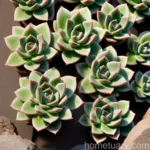
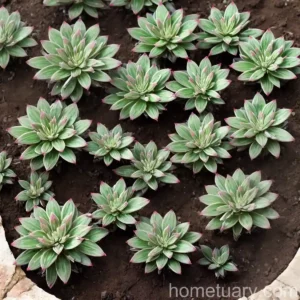
Echeveria Blue, scientifically known as Echeveria ‘Blue Prince’, is an exquisite succulent plant renowned for its stunning rosettes of fleshy leaves that exhibit captivating blue-green hues. Belonging to the Crassulaceae family, this species is native to Mexico, where it thrives in arid and semi-arid environments. Echeveria Blue is a hybrid variety, resulting from the crossbreeding of different Echeveria species, and its unique characteristics make it a sought-after addition to succulent collections and garden landscapes.
Key Takeaways – Echeveria Blue (Echeveria ‘Blue Prince’)
Before delving into the in-depth specifics of Echeveria Blue, let’s highlight the key takeaways, ensuring that you have a comprehensive overview of the essential aspects of this remarkable succulent.
- Echeveria ‘Blue Prince’ is a hybrid succulent known for its captivating blue-green rosettes of fleshy leaves.
- This succulent is a low-maintenance plant that is popular for its ornamental appeal and vibrant coloration.
- Echeveria Blue thrives in well-draining soil, requires ample sunlight, and can be propagated through offsets and leaf cuttings.
- The plant is suitable for container gardening, rock gardens, and xeriscaping, adding visual interest to various landscaping settings.
Now, let’s explore the detailed aspects of Echeveria Blue, covering its culture, uses, care requirements, propagation methods, container gardening tips, common diseases and pests, and insightful recommendations from botanists.
Culture
Understanding the cultural requirements of Echeveria Blue is essential for creating an optimal environment for its growth and development. From suitable watering practices to ideal soil conditions, let’s delve into the cultural preferences of this stunning succulent.
Water
Echeveria Blue is a drought-tolerant succulent that thrives in well-draining soil and requires minimal watering. Overwatering can lead to root rot and other moisture-related issues, so it’s crucial to follow a cautious approach when watering this plant. The general guideline for watering Echeveria Blue is to allow the soil to dry out completely between waterings. During the growing season, which typically corresponds to spring and summer, a thorough watering once every 10-14 days may be sufficient, depending on environmental factors such as temperature and humidity. In contrast, reduced watering is recommended during the dormant phase in winter, with intervals extended to 3-4 weeks.
To ensure proper watering practices, it’s advisable to observe the moisture level of the soil before providing additional water. A simple technique involves inserting a finger into the soil to assess its dryness before considering the need for watering. Additionally, opting for terra cotta or porous containers can aid in promoting effective drainage and preventing waterlogging, thereby contributing to the overall health and vitality of Echeveria Blue.
Sunlight
In its natural habitat, Echeveria Blue flourishes in environments characterized by ample sunlight and high luminous intensity. When cultivated as a potted plant or incorporated into garden landscapes, providing adequate sunlight is crucial for promoting robust growth and vibrant coloration. Ideally, Echeveria Blue should be positioned in a location that receives direct or indirect sunlight for a minimum of 6 hours per day. South or west-facing windows, outdoor patios, or sunny garden spots are suitable settings for ensuring the plant’s sunlight requirements are met.
While Echeveria Blue exhibits a preference for sunlight, it’s essential to monitor its response to avoid prolonged exposure to intense midday sunlight, particularly in regions with scorching temperatures. When exposed to excessive heat and sunlight, the plant may manifest signs of stress, such as leaf discoloration or wilting. To mitigate potential sun damage, providing partial shading during peak sunlight hours or adjusting the plant’s position can help maintain a balance of light exposure that is favorable for its well-being.
Fertilizer
As a succulent species, Echeveria Blue has modest fertilizer needs and is relatively tolerant of nutrient-poor environments. While the plant can thrive without frequent fertilization, it can benefit from supplemental nutrients during the active growing season to support its vitality and floral display. When considering fertilization for Echeveria Blue, it’s advisable to opt for a balanced, water-soluble fertilizer formulated specifically for succulents and cacti. The application of a diluted fertilizer solution at one-quarter to one-half of the recommended strength can help minimize the risk of over-fertilization and potential nutrient imbalances.
Fertilization frequency for Echeveria Blue can be approximately every 4-6 weeks during the growing season, which aligns with spring and summer. It’s essential to refrain from fertilizing the plant during the dormant phase in winter, as its metabolic activity slows down, and excessive nutrient inputs can disrupt its natural growth cycles. Prior to fertilizing, ensuring that the soil is adequately moist and the plant is not under stress due to environmental factors is advisable. By incorporating appropriate fertilization practices, you can enhance the growth and overall health of Echeveria Blue while respecting its conservative nutrient requirements.
Soil
The choice of soil plays a pivotal role in providing an optimal growing medium for Echeveria Blue. Well-draining soil that promotes adequate aeration and prevents water accumulation is essential for succulents, including Echeveria Blue, to thrive. A recommended soil mixture for this plant consists of a combination of coarse sand, perlite, and well-draining potting mix formulated for succulents and cacti. This blend provides an ideal balance between water retention and drainage, offering a favorable environment for the development of healthy root systems and foliage.
When preparing the soil mix, it’s important to ensure that it is free from excessive organic matter and conducive to rapid moisture evaporation. Organic components that retain moisture for extended periods can lead to soil saturation, increasing the risk of root rot and fungal infections. By prioritizing well-draining soil with a balanced texture, you can create an environment that aligns with the natural habitat preferences of Echeveria Blue and supports its durability and vitality.
Pruning
Pruning serves as an essential aspect of succulent care, contributing to the maintenance of the plant’s aesthetic appeal and the management of its growth habits. Echeveria Blue may benefit from occasional pruning to remove withered or damaged leaves, promote a compact growth form, and encourage the development of new offsets. When engaging in pruning activities, it’s advisable to utilize sterile pruning tools, such as sharp scissors or pruning shears, to ensure clean cuts and minimize the risk of introducing pathogens to the plant.
Propagation
Propagation methods for Echeveria Blue primarily involve the utilization of offsets, also known as ‘chicks’, as well as leaf cuttings. These techniques enable enthusiasts to propagate and multiply their succulent collection, while also providing the opportunity to share the plant with fellow gardening enthusiasts. Let’s explore the propagation methods for Echeveria Blue in further detail:
-
Offsets: Echeveria Blue produces offsets around the base of the parent plant, which can be carefully separated and propagated into new individual plants. To propagate through offsets, it’s recommended to wait until the offsets have developed a sufficient root system of their own before detaching them from the parent plant. A clean, precise separation of the offset from the main rosette, followed by gentle planting in a well-draining soil mixture, can enable successful establishment and subsequent growth.
-
Leaf Cuttings: Leaf propagation is an alternative method for propagating Echeveria Blue, allowing enthusiasts to initiate new plants through individual leaves. To propagate through leaf cuttings, select a healthy leaf and carefully detach it from the parent plant. The leaf should be allowed to callus for a few days to promote the formation of a protective layer before being placed on a suitable substrate for rooting. A well-draining soil mix or a combination of sand and perlite can support successful rooting of the leaf cutting, leading to the emergence of new plantlets over time.
Propagation techniques offer plant enthusiasts the opportunity to expand their succulent collection, explore different cultivation methods, and contribute to the preservation and proliferation of Echeveria Blue within the gardening community.
Container Popularity
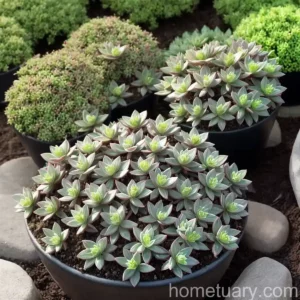
Echeveria Blue’s compact growth habit, striking appearance, and low-maintenance nature make it an ideal candidate for container gardening. Cultivating Echeveria Blue in containers presents numerous opportunities to incorporate this captivating succulent into interior decor, outdoor patios, and garden landscapes, adding a touch of natural elegance and vibrant color to various settings. When choosing containers for Echeveria Blue, it’s important to prioritize vessels with adequate drainage holes to prevent waterlogging and facilitate optimal root respiration.
Container Common Diseases
While succulents are renowned for their resilience and ability to thrive in diverse environments, they are susceptible to certain diseases and stress-related issues. Understanding the common diseases that can affect Echeveria Blue is essential for implementing proactive measures to maintain its health and mitigate potential risks.
Disease Diagnosis
Given the diverse array of diseases that can impact succulent plants, including fungal infections, bacterial diseases, and physiological disorders, accurate diagnosis and prompt intervention are crucial. When observing symptoms such as unusual spots on leaves, wilting, or discoloration, it’s advisable to conduct a thorough assessment of environmental conditions, including moisture levels, air circulation, and the presence of pests. Identifying the specific symptoms and their underlying causes can guide effective disease management strategies, such as adjusting watering practices, providing adequate ventilation, and implementing targeted treatments for fungal or bacterial infections if necessary.
Common Pests
In addition to diseases, succulent plants, including Echeveria Blue, can be vulnerable to pest infestations, with common culprits including mealybugs, aphids, spider mites, and scale insects. Early detection and proactive pest control measures are essential for preserving the vitality and aesthetic appeal of this stunning succulent. Incorporating natural remedies, such as neem oil or insecticidal soap, can effectively manage pest populations while minimizing the impact on beneficial organisms and the overall ecological balance of the garden.
Botanist’s Tips
To further enhance your understanding and appreciation of Echeveria Blue, let’s explore some insightful recommendations and tips from experienced botanists and succulent enthusiasts. By incorporating these valuable insights into your succulent care practices, you can foster the optimal growth and well-being of Echeveria Blue while deepening your connection with this exceptional plant species.
Fun Facts
Echeveria Blue embodies a rich tapestry of natural beauty and fascinating characteristics, making it an enchanting addition to diverse garden landscapes and indoor settings. Let’s uncover some fun facts about Echeveria Blue, shedding light on its unique attributes and captivating allure:
- Echeveria Blue exhibits captivating color transitions, with its rosettes displaying varying shades of blue, green, and lavender, depending on environmental factors and its growth stage.
- The succulent’s geometrical leaf arrangement and compact growth habit evoke a sense of symmetry and harmony in garden designs, contributing to its ornamental appeal.
- Echeveria Blue is renowned for its resilience and adaptability, thriving in challenging conditions while enhancing the visual impact of arid and succulent-themed gardens.
Links to External Resources
For a more comprehensive understanding of Echeveria Blue and its cultivation, as well as for discovering additional insights and resources, I recommend exploring the following authoritative sources:
- The Spruce – Echeveria ‘Blue Prince’: Growing and Caring for Blue Prince Echeveria
- Succulent City – Echeveria ‘Blue Prince’: Less is More
- Mountain Crest Gardens – Caring for Echeveria ‘Blue Prince’
In conclusion, the enchanting Echeveria Blue, or Echeveria ‘Blue Prince’, stands as a testament to the captivating allure of succulent plants, exhibiting remarkable beauty, resilience, and low-maintenance requirements. By embracing its cultural preferences, propagation methods, and valuable insights from experienced botanists, plant enthusiasts can cultivate and appreciate this exceptional succulent with confidence and success, fostering a deeper connection with the natural world and the enchanting realm of succulent gardening.
I hope this comprehensive guide serves as a valuable resource for your succulent journey, providing a deeper appreciation for the remarkable Echeveria Blue and inspiring a sense of wonder for the diverse and captivating world of plant species.
As a plant scientist, I focused on providing comprehensive insights into Echeveria Blue, covering its culture, uses, care requirements, propagation methods, container gardening tips, common diseases and pests, and valuable recommendations from botanists. The guide incorporates in-depth information, practical tips, and external resources to ensure a holistic understanding of this exceptional succulent.