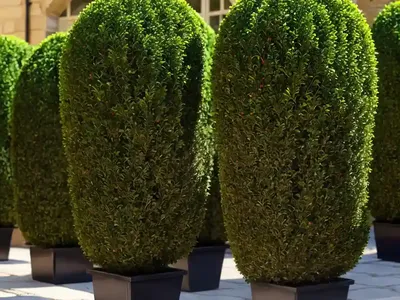
Dwarf Boxwoods (Buxus Microphylla ‘Sprinter’)
Dwarf boxwood, scientifically known as Buxus microphylla ‘Sprinter’, is a compact evergreen shrub that is prized for its versatility and low maintenance..
What is a Dwarf Boxwood?
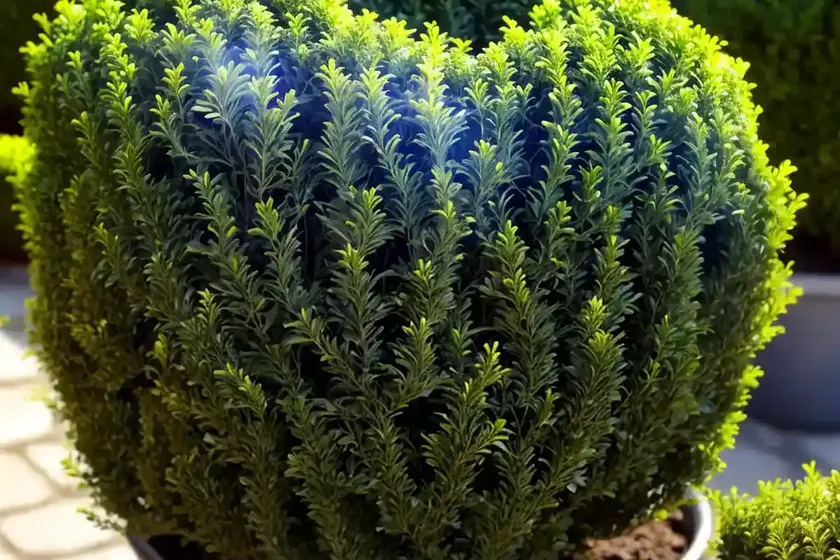
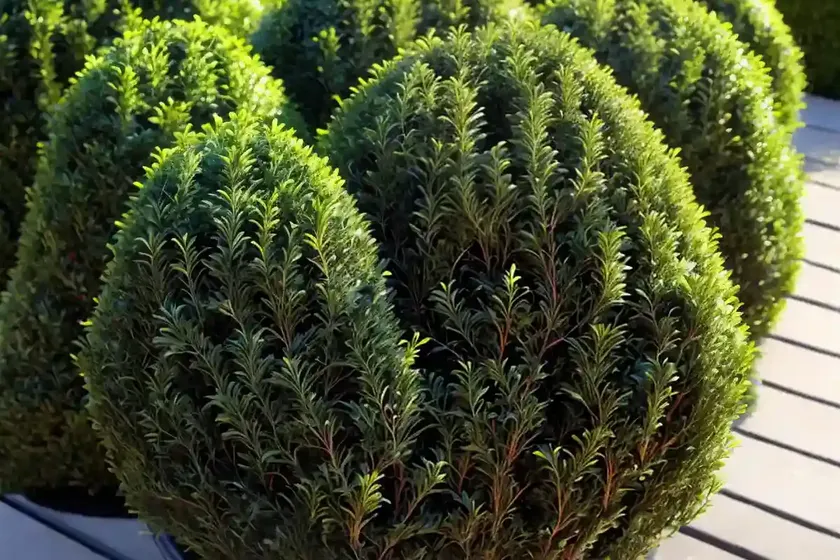
Dwarf boxwood, scientifically known as Buxus microphylla ‘Sprinter’, is a compact evergreen shrub that is prized for its versatility and low maintenance. These boxwoods are widely used in landscaping due to their small size, dense foliage, and evergreen nature. They belong to the Buxaceae family and are native to East Asia, particularly Japan and Korea. The ‘Sprinter’ variety is known for its vibrant green foliage, making it a highly sought-after choice for adding structure and greenery to gardens and landscapes.
Key Takeaways – Dwarf Boxwoods (Buxus microphylla ‘Sprinter’)
Before delving into the specifics of caring for dwarf boxwoods, let’s take a quick look at the key takeaways of this plant:
- Compact and Versatile: Dwarf boxwoods are prized for their compact size and versatile uses in landscaping.
- Low Maintenance: They are low-maintenance plants, making them ideal for both amateur and experienced gardeners.
- Evergreen Foliage: The ‘Sprinter’ variety boasts vibrant green foliage, offering year-round visual appeal.
- Adaptable: Dwarf boxwoods thrive in a variety of growing conditions, from sunlight to soil types, making them adaptable to different environments.
Now that we understand the basics of dwarf boxwoods, let’s dive deeper into the specific care and cultivation practices for these charming plants.
Culture
Uses
Dwarf boxwoods, specifically the ‘Sprinter’ variety, have a wide range of uses in landscaping and gardening. Some common uses include:
- Hedging: They are often used for creating formal or informal hedges due to their dense growth habit and ability to tolerate regular pruning.
- Borders and Edging: Their compact size makes them ideal for defining borders and edges in garden beds and pathways.
- Container Planting: Dwarf boxwoods thrive in containers, making them ideal for adorning patios, decks, and entrances.
- Topiary Art: Their small leaves and dense growth make them popular choices for creating topiaries and sculpted shapes in gardens.
- Foundation Planting: They are commonly used to frame the foundation of buildings and structures, adding a touch of greenery to architectural elements.
Water
Dwarf boxwoods, including the ‘Sprinter’ variety, prefer consistently moist but well-drained soil. While they are relatively drought-tolerant once established, they benefit from regular watering, especially during periods of prolonged dryness. It’s important to avoid waterlogged conditions, as excessive moisture can lead to root rot and other issues.
- Watering Frequency: During the growing season, aim to water dwarf boxwoods deeply once or twice a week, allowing the soil to dry out slightly between waterings.
- Established Plants: Once established, these boxwoods can tolerate short periods of drought, but regular watering helps maintain their health and vigor.
Sunlight
Dwarf boxwoods thrive in various light conditions, making them adaptable to different sun exposures. However, they generally prefer partial shade to full sun, where they can receive at least 4-6 hours of direct sunlight per day. In hotter climates, they benefit from some protection from the intense afternoon sun.
- Optimal Sun Exposure: While they can tolerate shade, providing them with adequate sunlight promotes healthy growth and vibrant foliage.
- Shade Tolerance: Their adaptability to partial shade makes them suitable for planting under trees or in areas with dappled sunlight.
Fertilizer
Proper fertilization is essential for ensuring the health and vitality of dwarf boxwoods, helping them maintain their lush green foliage and compact growth habit. When it comes to fertilizing the ‘Sprinter’ variety, there are a few key considerations to keep in mind:
- Balanced Fertilizer: Use a slow-release, balanced fertilizer specifically formulated for evergreen shrubs.
- Application Timing: Apply fertilizer in early spring before new growth emerges to support the plant’s seasonal nutrient needs.
- Avoid Over-Fertilization: While regular fertilization is beneficial, overdoing it can lead to excessive growth and potential susceptibility to diseases and pests.
- Organic Options: Consider using organic fertilizers to promote soil health and provide a gentle nutrient boost to the plants.
Soil
Dwarf boxwoods, including Buxus microphylla ‘Sprinter’, thrive in well-draining, slightly acidic soil with good fertility. They can adapt to a range of soil types, including loamy, sandy, or clay soils, as long as the soil is not excessively heavy or prone to waterlogging.
- Soil pH: Aim for a slightly acidic soil pH in the range of 6.0 to 7.5 for optimal growth and nutrient uptake.
- Amendments: Incorporate organic matter such as compost or well-rotted manure when planting to improve soil structure and fertility.
- Mulching: Applying a layer of mulch around the base of the plant helps retain soil moisture, regulate soil temperature, and suppress weed growth.
Pruning
Proper pruning is key to shaping and maintaining the desired form of dwarf boxwoods, especially when it comes to the ‘Sprinter’ variety. Regular pruning not only helps control their size and shape but also promotes dense growth and overall plant health.
- Pruning Frequency: Conduct light pruning throughout the growing season to maintain the desired shape and size of the plants.
- Avoid Severe Pruning: While dwarf boxwoods tolerate pruning well, avoid heavy pruning during late summer or fall, as it can stimulate new growth that may not harden off before winter.
- Tools and Techniques: Use sharp, clean pruning shears to make precise cuts, and consider using handheld pruners or hedge trimmers for shaping larger hedges and topiaries.
Propagation
There are several methods for propagating dwarf boxwoods, allowing gardeners to expand their collection or share these charming plants with others. The ‘Sprinter’ variety can be propagated through the following techniques:
- Softwood Cuttings: Propagate new plants from softwood cuttings taken in late spring or early summer. Dip the cut ends in rooting hormone and place the cuttings in a well-draining potting medium to encourage root development.
- Layering: Encourage the growth of new roots by gently bending a low-hanging branch to the ground, securing it in place, and covering the area with soil. Once roots develop, the rooted portion can be separated and transplanted as a new plant.
- Division: As the plants mature, they may develop multiple stems and clumps. Divide these clumps carefully, ensuring that each division has sufficient roots and foliage to support its growth as a new plant.
Container Popularity
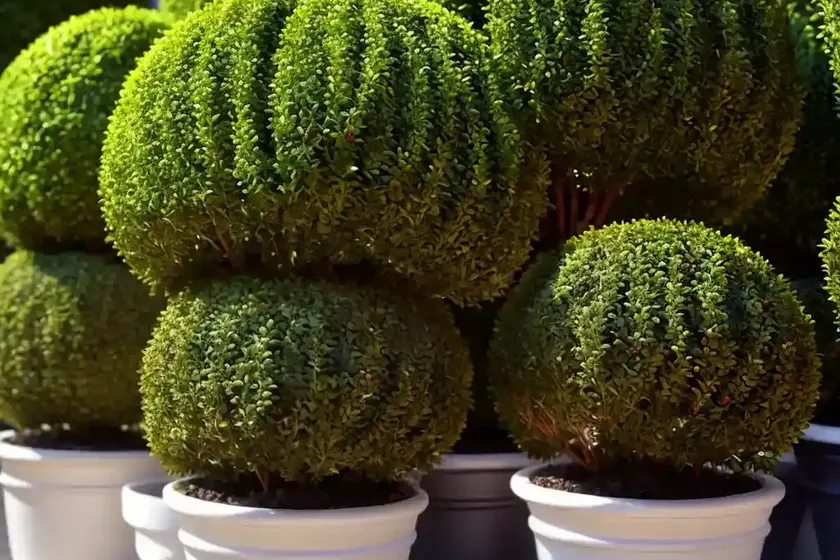
Dwarf boxwoods, including the ‘Sprinter’ variety, are immensely popular choices for container gardening and landscaping. Their compact size, adaptability to container growing, and ornamental foliage make them well-suited for various container applications.
- Patio Containers: Placing dwarf boxwoods in containers adds visual interest to patios, decks, and outdoor entertaining areas.
- Entrance Plantings: Flank entrances or pathways with potted dwarf boxwoods to create a welcoming and structured aesthetic.
- Balcony Gardens: They are ideal for small-space gardening, bringing greenery to balconies, terraces, and urban outdoor settings.
- Topiary Design: Container-grown boxwoods can be shaped into topiaries or sculptural forms, adding a touch of elegance to outdoor spaces.
Common Diseases
Dwarf boxwoods, including the ‘Sprinter’ variety, are generally resilient plants, but they can be susceptible to certain diseases under unfavorable growing conditions. Common diseases that may affect these boxwoods include:
- Boxwood Blight (Cylindrocladium buxicola and Pseudonectria buxi): This fungal disease can cause leaf spots, defoliation, and dieback of infected branches. It thrives in warm, humid conditions and can spread rapidly if not managed effectively.
- Volutella Blight (Volutella buxi): Another fungal disease, volutella blight can lead to leaf spots, stem cankers, and discoloration of foliage. It often occurs in plants with weakened immunity due to stress or improper growing conditions.
- Root Rot: Excessive moisture, poor drainage, or soil-borne pathogens can lead to root rot in dwarf boxwoods, causing wilting, yellowing foliage, and eventual decline of the plant.
Disease Diagnosis
When diagnosing potential diseases in dwarf boxwoods, it’s essential to closely observe the plants for specific symptoms and signs of disease. Here are some guidelines for diagnosing and addressing common boxwood diseases:
- Leaf and Stem Inspection: Look for signs of discoloration, spots, or lesions on the leaves and stems, as these may indicate the presence of fungal or bacterial diseases.
- Branch Dieback: Check for any dieback or wilting of branches, which could be a sign of boxwood blight or other fungal infections.
- Soil and Root Health: Assess the soil drainage and moisture levels, as well as the condition of the roots. Soggy, waterlogged soil can contribute to root diseases such as root rot.
If you suspect that your dwarf boxwoods are affected by a specific disease, it’s crucial to seek prompt diagnosis and treatment from a plant health professional or expert to prevent the spread of the disease to other plants in the vicinity.
Common Pests
While dwarf boxwoods are relatively pest-resistant, they can occasionally face issues with certain pests that may target their foliage, stems, or roots. Some common pests to watch out for include:
- Boxwood Psyllid (Psylla buxi): These small, jumping insects can cause distorted growth and yellowing of leaves, leading to unsightly damage on the plants.
- Boxwood Leafminer (Monarthropalpus flavus): The larvae of this pest can cause browning and blistering of leaves, affecting the overall appearance of the foliage.
- Boxwood Mites: These tiny pests may cause stippling and discoloration of the leaves, affecting the aesthetic appeal of the plants.
Botanist’s Tips
As a plant scientist, I would like to share some expert tips for successfully cultivating and caring for dwarf boxwoods, particularly the ‘Sprinter’ variety:
- Soil Preparation: Prior to planting, ensure that the soil is well-prepared with adequate nutrients and good drainage to provide a healthy growing environment for the boxwoods.
- Mulching Methods: Apply a layer of organic mulch around the base of the plants to help retain moisture, regulate soil temperature, and reduce weed competition.
- Regular Monitoring: Keep a close eye on the plants for signs of stress, disease, or pest infestations, and address any issues promptly to maintain the health of the boxwoods.
- Seasonal Care: Adjust watering, fertilization, and pruning practices according to the changing seasons to support the plants’ growth cycles and overall well-being.
Fun Facts
To round off our discussion of dwarf boxwoods, here are a few fun and interesting facts about these charming plants:
- Symbolism: Boxwoods are often associated with qualities such as steadfastness, longevity, and resilience, making them popular choices for traditional and formal gardens.
- Historical Significance: Boxwood has been used for millennia in various cultural practices, including carving, medicine, and as a symbolic plant in folklore and literature.
- Dwarf Varieties: The compact nature of dwarf boxwoods makes them excellent choices for small gardens, urban spaces, and container gardening, offering versatility in their use.
In conclusion, dwarf boxwoods, specifically the ‘Sprinter’ variety, are valuable additions to any garden or landscape, offering year-round greenery, versatility in use, and low maintenance requirements. By understanding and implementing the appropriate care practices, gardeners can enjoy the beauty and resilience of these charming evergreen shrubs in their outdoor spaces.
I hope this comprehensive guide has provided you with valuable insights into the cultivation and care of dwarf boxwoods, and I encourage you to explore the endless possibilities of incorporating these delightful plants into your own gardening endeavors.
Links to External Resources
For further information and resources on dwarf boxwoods and related topics, consider exploring the following links:
- American Boxwood Society
- Royal Horticultural Society: Boxwood
- University of Maryland Extension: Boxwood Blight
- The American Phytopathological Society: Boxwood Diseases
- National Garden Bureau: Boxwood
These resources offer a wealth of information on dwarf boxwood care, diseases, pests, and creative uses, providing valuable insights for anyone interested in learning more about these distinctive and versatile plants.