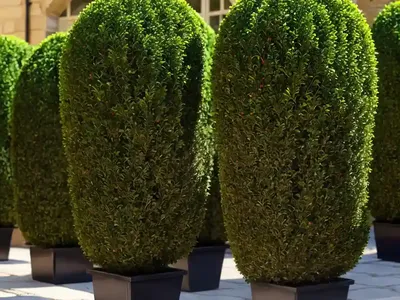
Buxus Microphylla ‘Faulkner’ (Small-Leaved Boxwood)
Buxus microphylla ‘Faulkner’, commonly known as Small-Leaved Boxwood, is a versatile and popular evergreen shrub that is valued for its compact size.
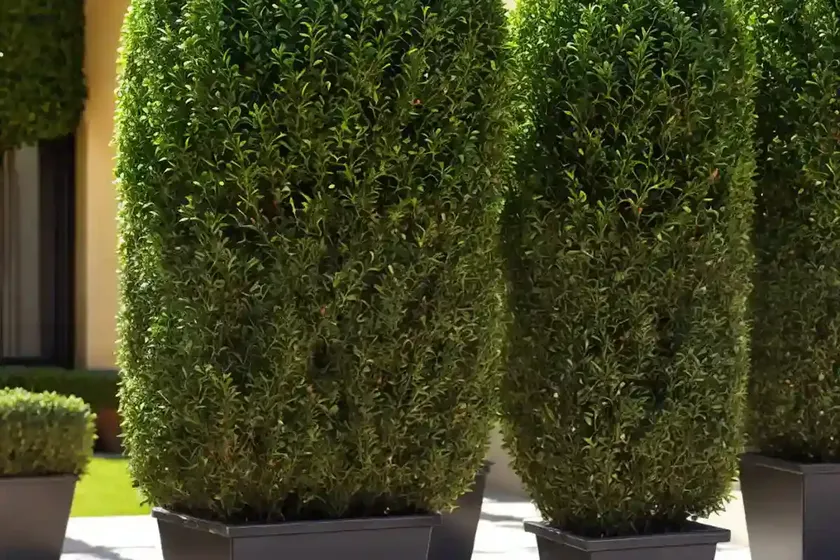
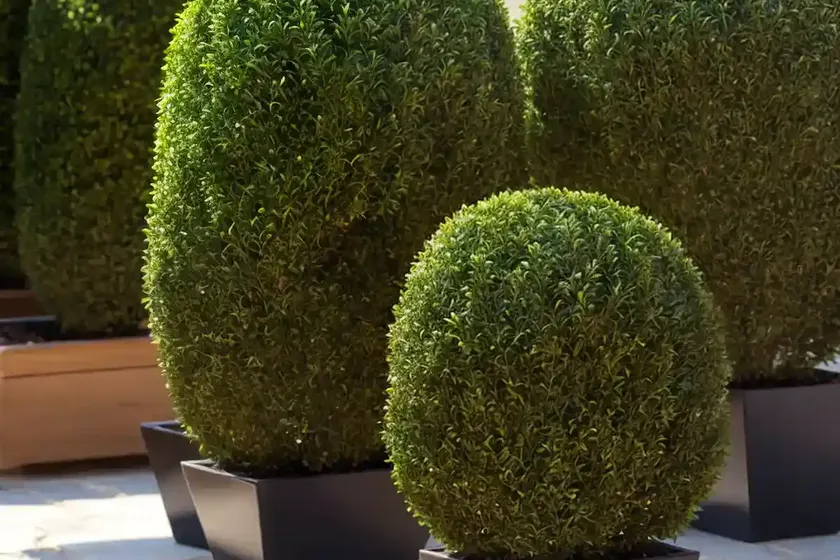
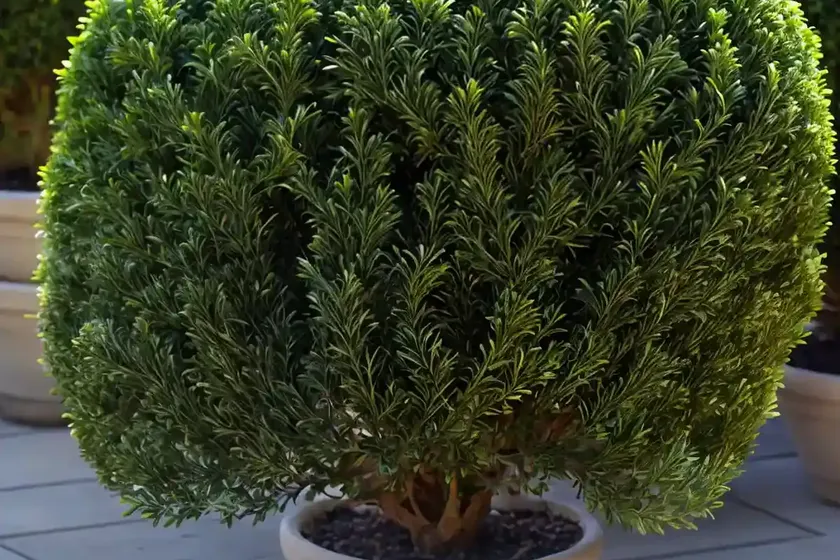
Buxus microphylla ‘Faulkner’, commonly known as Small-Leaved Boxwood, is a versatile and popular evergreen shrub that is valued for its compact size, glossy foliage, and ease of maintenance. This plant is widely utilized in landscapes and gardens, making it an essential addition to any plant enthusiast’s collection. In this comprehensive guide, we will delve into the various aspects of Buxus microphylla ‘Faulkner’, including its culture, uses, care requirements, common diseases and pests, propagation techniques, and much more.
What is Buxus microphylla ‘Faulkner’?
Buxus microphylla ‘Faulkner’ is a cultivar of the species Buxus microphylla, which belongs to the Buxaceae family. This slow-growing, compact evergreen shrub is native to Japan and parts of East Asia. It typically features small, glossy, dark green leaves that densely clothe its branches. Small-Leaved Boxwood is renowned for its versatility and resilience, making it a popular choice for hedging, topiary, and container gardening.
Key Takeaways – Buxus microphylla ‘Faulkner’ (Small-Leaved Boxwood)
Before we dive into the specific care requirements and other aspects of Buxus microphylla ‘Faulkner’, let’s highlight some key takeaways about this remarkable plant:
- Scientific Name: Buxus microphylla ‘Faulkner’
- Common Name: Small-Leaved Boxwood
- Plant Type: Evergreen shrub
- Mature Height: 2-3 feet
- Mature Spread: 3-4 feet
- Growth Rate: Slow
- Exposure: Full sun to partial shade
- Hardiness Zone: 5-9
- Uses: Hedging, topiary, containers, border edging, foundation planting
With these key points in mind, let’s explore the various aspects of growing and caring for Buxus microphylla ‘Faulkner’ in more detail.
Culture
Water
Proper watering is essential for the health and vigor of Buxus microphylla ‘Faulkner’. While these plants are relatively drought-tolerant once established, they thrive when provided with consistent moisture, especially during hot and dry periods. When watering Small-Leaved Boxwood, it’s crucial to ensure that the soil is evenly moist but not waterlogged.
Watering Tips:
– Water deeply but infrequently, allowing the soil to dry out slightly between waterings.
– Apply water at the base of the plant to minimize wetting the foliage, which can help prevent disease issues.
– Mulching around the base of the plant can help retain soil moisture and reduce the frequency of watering.
Sunlight
Small-Leaved Boxwood performs best when grown in a location that receives ample sunlight, although it can tolerate partial shade. For optimal growth and density of foliage, aim to provide at least 4-6 hours of direct sunlight daily.
Sunlight Guidelines:
– Plant in a location with full sun to partial shade, especially in warmer climates.
– Ensure that the plant receives adequate air circulation to prevent diseases, especially in shaded areas.
Fertilizer
Proper fertilization can enhance the growth and overall health of Buxus microphylla ‘Faulkner’. A balanced, slow-release fertilizer formulated for acid-loving plants is ideal for Small-Leaved Boxwood. Fertilize in early spring before new growth emerges, and avoid excessive application of nitrogen, which can result in lush, susceptible foliage.
Fertilization Recommendations:
– Apply a balanced, slow-release fertilizer in early spring.
– Use a fertilizer specifically designed for acid-loving plants, as Small-Leaved Boxwood prefers slightly acidic soil conditions.
– Avoid excessive nitrogen, as it can make the plant more susceptible to certain pests and diseases.
Soil
Buxus microphylla ‘Faulkner’ thrives in well-draining, slightly acidic soil rich in organic matter. The ideal soil for Small-Leaved Boxwood should retain moisture without becoming waterlogged, providing a healthy environment for root development and overall plant growth.
Soil Requirements:
– Plant in well-draining soil with a slightly acidic pH (5.5-6.5).
– Incorporate organic matter such as compost or peat moss into the soil to improve its structure and fertility.
– Avoid heavy clay soils that retain water, as they can lead to root rot and other issues.
Pruning
Proper pruning is crucial for maintaining the desired shape and size of Buxus microphylla ‘Faulkner’, whether it’s used as a hedge, topiary, or individual specimen. Regular pruning also helps promote dense growth and a tidy appearance.
Pruning Guidelines:
– Prune Small-Leaved Boxwood in late spring or early summer after the new growth has hardened off.
– Avoid pruning in late summer or fall, as new growth may be susceptible to frost damage.
– Use sharp, sanitized pruning shears to make clean cuts and minimize the risk of introducing disease.
Propagation
Small-Leaved Boxwood can be propagated through several methods, including semi-hardwood cuttings, division, and layering. When propagating Buxus microphylla ‘Faulkner’, it’s important to ensure that the new plants are genetically identical to the parent plant to preserve their desirable characteristics.
Propagation Techniques:
– Take semi-hardwood cuttings in late summer and root them in a well-draining rooting medium such as perlite or vermiculite.
– Division can be performed when dividing an established plant to create new specimens.
– Layering involves bending a low branch to the ground, wounding the stem, and covering it with soil to encourage root formation.
Container Popularity
Small-Leaved Boxwood is highly esteemed for its suitability in container gardening. Its compact size, slow growth, and attractive foliage make it a popular choice for adding greenery to patios, decks, and small outdoor spaces.
Container Gardening Tips:
– Select a container with adequate drainage holes to prevent waterlogging.
– Use a well-draining potting mix formulated for container plants, and ensure that the container is large enough to accommodate the root system.
– Position the container in an area that receives sufficient sunlight, and water the plant as needed to maintain consistent moisture.
Common Diseases
While Buxus microphylla ‘Faulkner’ is generally resilient, it is susceptible to certain diseases that can impact its growth and appearance. Being aware of these common diseases and their symptoms can help in early detection and prompt intervention.
Disease Diagnosis
Common Diseases Affecting Small-Leaved Boxwood:
1. Boxwood Blight (Cylindrocladium buxicola and Pseudonectria buxi): This fungal disease can cause rapid defoliation, black stem lesions, and dieback of branches.
2. Root Rot (Phytophthora spp.): Overly wet soil conditions can lead to root rot, characterized by wilting, yellowing foliage, and eventual collapse of the plant.
3. Leaf Spot Diseases: Various fungal pathogens can cause leaf spots, leading to unsightly foliage and reduced plant vigor.
Common Pests
In addition to diseases, Small-Leaved Boxwood can be affected by certain pests that may feed on the foliage, sap, or roots of the plant. Vigilance and early intervention are essential for managing pest infestations effectively.
Botanist’s Tips
As a botanist and plant enthusiast, I have some valuable tips for cultivating and caring for Small-Leaved Boxwood:
- Regular monitoring: Keep a close eye on the plant for any signs of stress, disease, or pest activity.
- Proper sanitation: Clean and sterilize pruning tools between uses to prevent the spread of diseases.
- Adequate spacing: When planting Small-Leaved Boxwood as a hedge, provide sufficient spacing to promote air circulation and reduce the risk of disease.
Fun Facts
- Small-Leaved Boxwood has been historically used for creating intricate topiary designs, showcasing its versatility as a landscaping plant.
- The wood of the Boxwood plant is known for its fine grain and has been used for carving, engraving, and making musical instruments.
- Small-Leaved Boxwood is known to live for several decades, making it a long-lasting and reliable addition to the garden.
Links to External Resources
For further information on Buxus microphylla ‘Faulkner’ and related topics, the following links can be valuable resources:
– American Boxwood Society
– University of Florida IFAS Extension – Boxwood Blight
– The American Phytopathological Society – Boxwood Blight
With its adaptability, timeless appeal, and various uses, Buxus microphylla ‘Faulkner’ continues to be a cherished plant in horticulture and gardening. Whether it’s adorning a formal garden, serving as a low hedge, or gracing a container on a patio, Small-Leaved Boxwood adds a touch of elegance and structure to any landscape.
As we conclude this comprehensive guide, I hope that the insights shared here will inspire you to appreciate and cultivate Small-Leaved Boxwood in your own gardening endeavors.
Note: The content in this blog post is for informational purposes only and should not be considered as professional gardening advice. For specific guidance on the care of plants, it’s recommended to consult with a horticulturist or local extension service.