Dwarf Boer-bean (Schotia Capitata): A Comprehensive Guide
What is Plant: Dwarf Boer-bean (Schotia Capitata)
Introduction
In the world of plants, the Dwarf Boer-bean (Schotia Capitata) stands out as a unique and captivating species. Named for its striking appearance and distinct qualities, this plant showcases remarkable features that make it a popular choice among gardeners and nature enthusiasts. In this comprehensive guide, we will delve deep into the world of the Dwarf Boer-bean, exploring its characteristics, care requirements, uses, and much more.
Plant Overview
The Dwarf Boer-bean, scientifically known as Schotia Capitata, is a species that belongs to the Fabaceae family. Native to the eastern regions of South Africa, this plant is characterized by its compact size and vibrant, colorful blooms. Its striking appearance and ecological significance make it a valuable addition to gardens, landscapes, and natural habitats.
Key Features
The Dwarf Boer-bean plant is known for its unique traits, including:
- Compact size
- Colorful and fragrant flowers
- Wildlife attractant
- Drought-tolerant nature
- Ornamental appeal
- Medicinal properties
- Environmental significance
As we navigate through the various aspects of the Dwarf Boer-bean, we will uncover the intricate details that contribute to its allure and desirability in horticultural and conservation contexts.
Key Takeaways: Dwarf Boer-bean (Schotia Capitata)
Before we embark on our journey to understand the Dwarf Boer-bean in its entirety, let’s explore the key takeaways that will guide our exploration. From cultural practices to ecological relevance, these key points encapsulate the essence of the Dwarf Boer-bean plant.
Culture
- Origin: Indigenous to South Africa
- Growing season: Spring and summer
- Ideal climate: Warm and temperate
- Watering needs: Moderate
- Soil type: Well-draining, fertile soil
- Propagation: Seeds, cuttings
- Companion plants: Indigenous flowering species
Uses
- Landscaping: Garden borders, urban landscapes
- Environmental impact: Wildlife support, pollinator attraction
- Medicinal properties: Traditional uses in herbal medicine
- Aesthetics: Ornamental garden and floral arrangements
Water
- Moderate watering
- Drought tolerance once established
- Avoid waterlogged conditions
Sunlight
- Full sun to partial shade
- Thrives in sunny locations
- Tolerates light shade
Fertilizer
- Balanced fertilizer during the growing season
- Organic amendments for soil enrichment
- Minimal fertilizer during winter dormancy
Soil
- Well-draining soil
- Loamy, fertile, and slightly acidic
- Avoid compacted or waterlogged soil
Pruning
- Prune for shape and size control
- Deadhead spent blooms for prolonged flowering
- Minimal pruning required
Propagation
- Seed collection and germination
- Softwood cuttings for vegetative propagation
- Vigorous root development
Container
- Suitable for container gardening
- Ensure adequate drainage
- Limited root space affects growth
Popularity
- Valued for its ornamental and ecological attributes
- Increasing demand in horticultural markets
- Focus on biodiversity conservation
Common Diseases
- Root rot in waterlogged soil
- Fungal infections in humid conditions
- Prompt disease management
Disease Diagnosis
- Monitor leaf discoloration
- Check for wilting and stunted growth
- Address disease symptoms promptly
Common Pests
- Aphids and sap-sucking insects
- Caterpillars and leaf-chewing pests
- Implement pest control measures
Botanist’s Tips
- Observe seasonal changes
- Foster indigenous plant communities
- Support biodiversity conservation efforts
- Foster public awareness of native flora
Fun Facts
- Symbolic significance in African culture
- Fragrant blooms attract pollinators
- Drought-tolerant qualities
- Indigenous folklore and traditions
With these key takeaways as our guide, let’s delve into the detailed care and management aspects of the Dwarf Boer-bean plant, exploring each element with precision and insight.
Schotia Capitata Plant Care
As we delve into the world of plant care, it’s essential to understand the specific requirements that contribute to the optimal growth and well-being of the Dwarf Boer-bean (Schotia Capitata). From soil preferences to watering needs, each aspect plays a crucial role in nurturing a thriving plant.
Dwarf Boer-bean Plant Characteristics
The Dwarf Boer-bean (Schotia Capitata) embodies a unique set of characteristics that define its identity and allure. Understanding these traits provides valuable insights into its care requirements and ecological role.
Plant Size
The Dwarf Boer-bean is characterized by its compact size, making it an ideal choice for smaller gardens, urban landscapes, and container gardening. It typically reaches a height of 2-3 meters, with a spread of 2-4 meters, creating a balanced and visually appealing form. Its moderate size contributes to its versatility in various horticultural settings.
Flower Colors
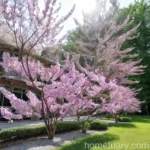
One of the most captivating features of the Dwarf Boer-bean is its vibrant and diverse range of flower colors. The plant produces clusters of flowers in shades of deep red, pink, and crimson, creating a striking visual display. The colorful blooms not only enhance the plant’s ornamental value but also attract pollinators, contributing to its ecological significance.
Foliage Description
The foliage of the Dwarf Boer-bean is characterized by its lush, green leaves, which provide an attractive backdrop to the vibrant flowers. The compound leaves exhibit a rich, glossy texture, adding to the plant’s overall aesthetic appeal. The foliage serves as an essential element in the plant’s visual composition, complementing its flowers and enhancing its ornamental value.
Growth Rate
In terms of growth rate, the Dwarf Boer-bean exhibits moderate to rapid growth under favorable conditions. With adequate sunlight, water, and nutrient availability, the plant demonstrates vigorous growth, producing new foliage and flower buds throughout the growing season. Its ability to establish and expand makes it a resilient and dynamic addition to various landscapes.
Native Habitat
Originating from the eastern regions of South Africa, the Dwarf Boer-bean has evolved to thrive in specific habitat conditions. It is native to wooded areas, coastal forests, and riparian zones, where it plays a crucial role in the local ecosystem. Its adaptation to these natural habitats enables it to withstand environmental challenges and contribute to the biodiversity of its native range.
How to Grow Schotia Capitata from Seeds
Growing the Dwarf Boer-bean from seeds is a rewarding and straightforward process that allows for the propagation of new plants. By following the essential steps for seed germination and establishment, gardeners can cultivate this remarkable species with success.
Seed Collection
The first step in growing Schotia Capitata from seeds involves collecting mature seeds from healthy and thriving plants. The seeds are often enclosed in pods, which develop after the flowering period. As the pods mature, they change color and begin to dry out, indicating the readiness of the seeds for collection.
Seed Preparation
Before sowing the seeds, it’s important to prepare them for optimal germination. This can be achieved by scarifying the seeds, a process that involves gently nicking or scratching the seed coat to facilitate water absorption. Scarification mimics the natural conditions that seeds experience in their native habitat, promoting germination.
Germination Process
To initiate the germination process, sow the prepared seeds in well-draining and fertile soil. Plant the seeds at a depth of 1-2 cm, ensuring good soil-to-seed contact. Keep the soil consistently moist but not waterlogged, as excessive moisture can lead to seed rot. With the right conditions, the seeds will germinate within a few weeks, giving rise to young seedlings.
Seedling Care
As the seedlings emerge, provide them with adequate sunlight, moisture, and protection from extreme temperatures. Once the seedlings develop their first set of true leaves, they can be carefully transplanted into individual containers or prepared for outdoor planting. Ensure that the young plants receive proper care to support their early growth and development.
Dwarf Boer-bean Watering Requirements
Proper watering is essential for maintaining the health and vitality of the Dwarf Boer-bean plant. By understanding its specific watering needs and responding to environmental cues, gardeners can ensure optimal moisture levels for sustained growth and flowering.
Watering Guidelines
The Dwarf Boer-bean thrives in moderately moist soil, requiring regular watering during the growing season. In spring and summer, when the plant is actively growing and flowering, provide it with consistent moisture to support its physiological functions. Avoid prolonged dry spells, as inadequate water supply can stress the plant and affect its performance.
Drought Tolerance
Once established, the Dwarf Boer-bean exhibits remarkable drought tolerance, thanks to its adaptation to arid and semi-arid environments. Its ability to withstand periods of reduced water availability makes it a resilient choice for gardens and landscapes that experience seasonal dryness. While the plant can endure drought, it’s important to monitor its moisture levels and intervene as needed during prolonged dry periods.
Watering Techniques
When watering the Dwarf Boer-bean, aim to achieve deep soil penetration without waterlogging the root zone. Thorough irrigation, followed by allowing the soil to partially dry out between waterings, promotes healthy root development and overall plant vigor. Be mindful of environmental factors such as temperature, humidity, and rainfall patterns, adjusting your watering routine accordingly.
Best Soil for Dwarf Boer-bean
The choice of soil plays a critical role in the successful cultivation of the Dwarf Boer-bean. By selecting and preparing the right soil type, gardeners can create an optimal growing environment that supports the plant’s root development, nutrient uptake, and overall well-being.
Soil Preferences
The Dwarf Boer-bean thrives in well-draining, loamy soil that is rich in organic matter and nutrients. It prefers a slightly acidic to neutral soil pH, ranging from 6.0 to 7.0, which provides an ideal balance of essential elements and supports root function. The soil should have good aeration and moisture retention properties, promoting healthy growth and flowering.
Soil Preparation
Before planting or transplanting Dwarf Boer-bean, prepare the soil by incorporating organic amendments such as compost, aged manure, or leaf mold. This enriches the soil structure and fertility, creating a favorable substrate for the plant’s roots. Additionally, ensure that the soil is free from compaction and debris, facilitating unrestricted root expansion and nutrient absorption.
Avoid Waterlogged Soil
It’s crucial to avoid waterlogged soil conditions, as excessive moisture can compromise the plant’s root health and lead to issues such as root rot. To prevent waterlogging, choose planting sites with good drainage or implement raised beds or mounds to improve soil aeration. Maintaining balanced soil moisture levels is essential for the long-term vitality of the Dwarf Boer-bean.
Dwarf Boer-bean Sun Exposure
Sunlight is an essential factor that influences the growth, flowering, and overall performance of the Dwarf Boer-bean. By providing the plant with appropriate sun exposure, gardeners can optimize its photosynthetic activity and ensure robust development.
Sunlight Requirements
The Dwarf Boer-bean thrives in full sun to partial shade, with an emphasis on abundant sunlight for the majority of the day. Select planting locations that receive direct sunlight, especially during the peak hours of the morning and afternoon. Exposure to sunlight stimulates flowering and promotes the plant’s physiological processes, contributing to its overall vigor.
Thriving in Sunny Locations
In sunny locations, the Dwarf Boer-bean demonstrates its full potential, producing an abundance of flowers and foliage while maintaining a compact and well-branched form. The ample sunlight supports the plant’s energy capture and utilization, driving its growth and reproductive development. Aim to prioritize sun exposure when choosing sites for planting or positioning containers.
Tolerating Light Shade
While the Dwarf Boer-bean favors full sun, it also exhibits tolerance for light shade, making it suitable for partial shade environments. In locations where direct sunlight may be limited or filtered through foliage, the plant can adapt and thrive, albeit with slightly reduced flowering intensity. Understanding its adaptability to varying light conditions enables gardeners to integrate it into diverse landscape settings.
Schotia Capitata Hardiness Zones
Understanding the hardiness zones in which the Dwarf Boer-bean thrives is essential for determining its suitability for specific climate regions. By identifying the appropriate hardiness zones, gardeners can make informed decisions regarding plant selection and cultivation practices.
Ideal Climate Conditions
The Dwarf Boer-bean thrives in warm, temperate climates, where it can fully express its ornamental and ecological attributes. It is well-suited to regions with mild winters and moderate summer temperatures, as extreme heat or cold can affect its performance. By providing the plant with a favorable climate, gardeners can ensure its sustained growth and flowering.
Hardiness Zone Considerations
In terms of hardiness zones, the Dwarf Boer-bean is best suited to zones 9-11, where the climatic conditions align with its natural habitat and environmental preferences. These zones offer the necessary warmth, frost-free periods, and seasonal characteristics that support the plant’s vitality and long-term establishment. It’s important to consult hardiness zone maps and local climate data when planning for the cultivation of Schotia Capitata.
Adapting to Microclimates
Within broader hardiness zones, the Dwarf Boer-bean can adapt to microclimates and localized variations in temperature and moisture. By assessing microclimatic conditions within a garden or landscape, gardeners can identify suitable microsites that offer the ideal combination of sunlight, shelter, and thermal attributes, optimizing the plant’s growing conditions.
Dwarf Boer-bean Disease Resistance
Recognizing the disease resistance of the Dwarf Boer-bean and implementing proactive management strategies are essential for preventing and addressing potential issues. By understanding the plant’s susceptibility to diseases, gardeners can safeguard its health and promote long-term vitality.
Disease Susceptibility
The Dwarf Boer-bean is relatively resistant to common plant diseases, owing to its adaptability and natural resilience. However, certain environmental factors, such as excessive moisture or poor air circulation, can create conditions conducive to disease development. Vigilance and preventive measures are crucial for minimizing disease risks and maintaining the plant’s well-being.
Root Rot in Waterlogged Soil
One of the primary disease concerns for the Dwarf Boer-bean is root rot, which can occur in waterlogged or poorly drained soil. Excessive moisture levels lead to oxygen deprivation in the root zone, promoting the growth of root pathogens and compromising root function. To prevent root rot, ensure proper soil drainage and avoid overwatering, especially in heavy clay or compacted soil.
Fungal Infections in Humid Conditions
In humid climates or during periods of persistent rainfall, fungal infections may pose a risk to the Dwarf Boer-bean. Fungal diseases such as powdery mildew and leaf spot can affect the plant’s foliage, reducing its aesthetic appeal and potentially impacting its overall health. To mitigate fungal risks, promote air circulation, avoid overhead watering, and monitor the plant for early signs of infection.
Prompt Disease Management
When faced with disease symptoms, apply prompt management strategies to limit the impact and spread of the disease. This may involve targeted fungicidal treatments, cultural practices to improve air movement, and adjustments to watering routines. By addressing diseases proactively, gardeners can safeguard the vitality and visual appeal of the Dwarf Boer-bean.
Schotia Capitata Pruning Tips
Strategic pruning is a valuable practice for maintaining the form, size, and flowering performance of the Dwarf Boer-bean. By employing targeted pruning techniques, gardeners can shape the plant, promote vigorous growth, and enhance its ornamental value.
Prune for Shape and Size Control
Regular pruning allows gardeners to shape the growth habit of the Dwarf Boer-bean, creating a tidy and well-balanced form. Focus on removing dead, broken, or overcrowded branches to improve the plant’s structure and aesthetics. Pruning also aids in controlling the overall size of the plant, ensuring that it remains proportionate to its surroundings.
Deadhead Spent Blooms
Deadheading, the practice of removing faded or spent blooms, is beneficial for prolonging the flowering period of the Dwarf Boer-bean. By deadheading regularly, gardeners prevent the formation of seed pods and encourage the plant to produce new flower buds. This promotes continuous flowering, extending the visual impact of the plant and supporting its pollinator attraction.
Minimal Pruning Required
While the Dwarf Boer-bean benefits from periodic pruning, it generally requires minimal intervention to maintain its natural growth pattern. Avoid excessive or unnecessary pruning, as this can disrupt the plant’s energy reserves and flowering potential. Focus on selective and targeted pruning that aligns with the plant’s natural form and growth trajectory.
Dwarf Boer-bean Plant Care (Continued)
As we continue our exploration of the Dwarf Boer-bean (Schotia Capitata) and its comprehensive care requirements, we delve into additional aspects that contribute to its health, vitality, and cultural significance.
Dwarf Boer-bean Wildlife Attractant
The ecological role of the Dwarf Boer-bean extends beyond its ornamental appeal, as it serves as a valuable wildlife attractant in various landscapes and natural habitats. By supporting pollinators, birds, and other fauna, the plant enriches biodiversity and contributes to the dynamic balance of local ecosystems.
Pollinator Attraction
The colorful and fragrant blooms of the Dwarf Boer-bean are highly attractive to a diverse array of pollinators, including bees, butterflies, and nectar-feeding insects. As these pollinators visit the flowers in search of nectar and pollen, they facilitate the transfer of pollen between blooms, promoting successful fertilization and seed development. The plant’s role in supporting pollinators aligns with broader conservation efforts aimed at preserving and enhancing natural pollination processes.
Bird Habitat and Foraging Resource
In addition to its appeal to pollinators, the Dwarf Boer-bean provides a valuable resource for birds, who are drawn to its flowers and seed pods. The plant’s association with avian species contributes to the creation of bird-friendly habitats, fostering an environment where diverse bird populations can find sustenance and shelter. By incorporating the Dwarf Boer-bean into garden and landscape designs, individuals can actively contribute to avian conservation and habitat enhancement.
Dwarf Boer-bean Companion Plants
When selecting companion plants to grow alongside the Dwarf Boer-bean, it’s important to consider species that harmonize with its cultural and ecological requirements. By layering compatible plants and creating diverse plant communities, gardeners can foster harmonious relationships and enhance the overall aesthetic and functional value of their landscapes.
Indigenous Flowering Species
Incorporating indigenous flowering species into the vicinity of the Dwarf Boer-bean enriches the diversity and visual allure of the planting area. Select plants that complement the color palette and growth habits of the Dwarf Boer-bean, creating a cohesive and visually engaging ensemble. Indigenous flowering plants also contribute to local biodiversity and provide nectar sources for pollinators, reinforcing the ecological balance within the landscape.
Diverse Foliage and Textures
Consider companion plants with diverse foliage textures, colors, and growth patterns to create a visually dynamic and texturally rich planting scheme. By juxtaposing the Dwarf Boer-bean with foliage-focused species and ornamental grasses, gardeners can craft appealing compositions that captivate the eye and celebrate the interplay of form and