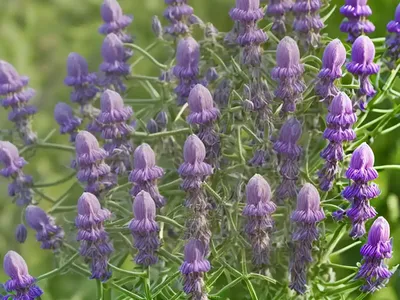
Foxtail Restharrow (Ononis Alopecuroides)
Plants are an integral part of our environment, providing beauty, oxygen, and myriad other benefits. One such plant that captures attention with its.
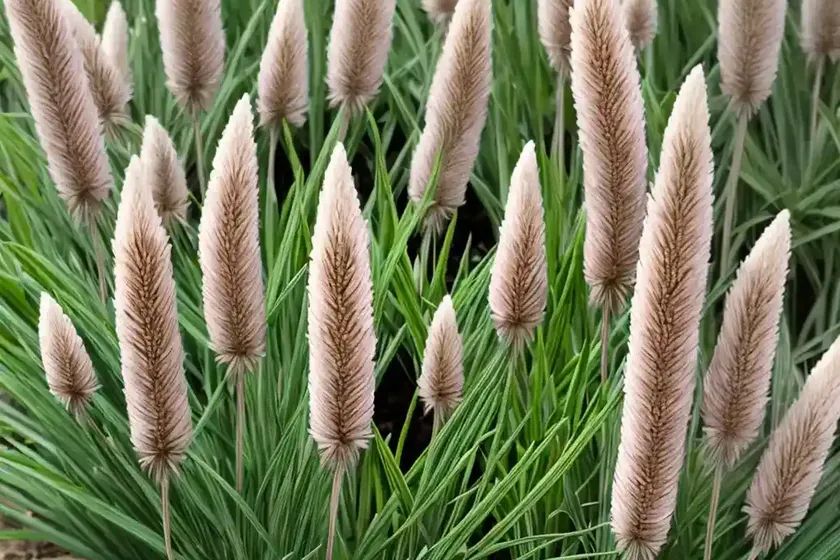
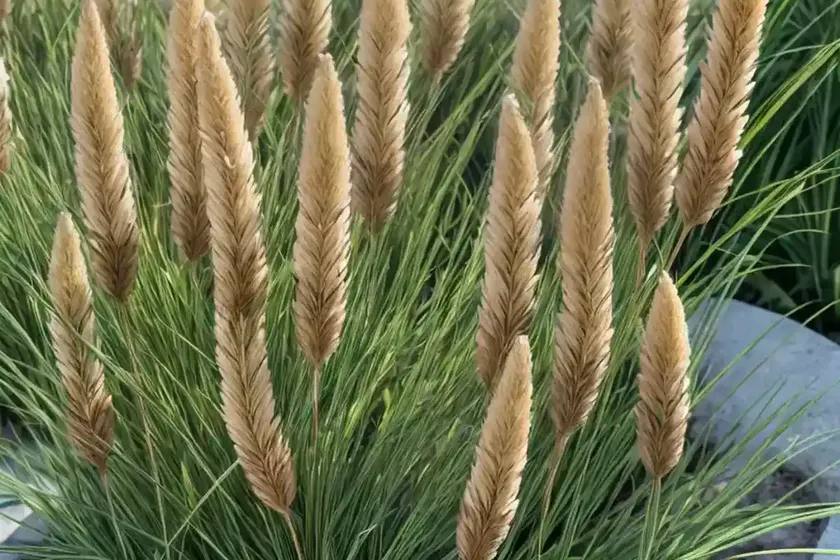
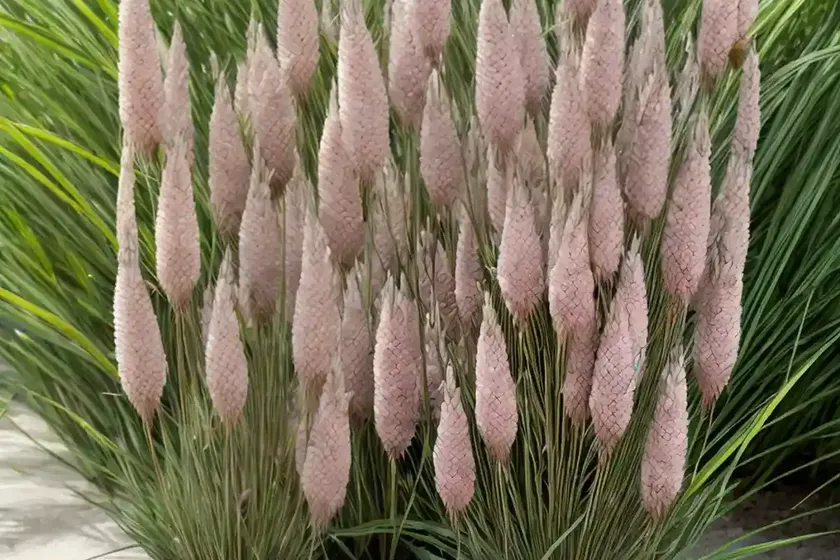
Plants are an integral part of our environment, providing beauty, oxygen, and myriad other benefits. One such plant that captures attention with its striking appearance and diverse uses is the Foxtail Restharrow, scientifically known as Ononis alopecuroides. In this comprehensive guide, we will delve into the various aspects of this plant, including its description, cultivation, care, uses, and much more.
What is Foxtail Restharrow (Ononis alopecuroides)?
Foxtail Restharrow, scientifically referred to as Ononis alopecuroides, is a species of flowering plant in the Fabaceae family. It is native to regions of Europe, including Spain, Portugal, and France, and is known for its vibrant, cylindrical flower heads that add a splash of color to its habitat. This perennial herbaceous plant is characterized by its unique foliage and attractive blooms, making it a desirable addition to gardens and landscape designs.
With its vibrant visual appeal and various cultural and botanical significance, Foxtail Restharrow has gained popularity among horticulturists, herbalists, and garden enthusiasts. Its versatile nature and distinct features make it an intriguing subject for horticultural studies and gardening pursuits.
In this guide, we will explore the key aspects of Foxtail Restharrow, including its cultivation, care requirements, uses, folklore, and much more. Let’s embark on a journey to uncover the fascinating world of Ononis alopecuroides.
Key Takeaways – Foxtail Restharrow (Ononis alopecuroides)
To gain a comprehensive understanding of Foxtail Restharrow and its various aspects, we will explore the following key takeaways:
-
Cultural Significance: Understanding the historical and ethnobotanical significance of Foxtail Restharrow, including its traditional uses and folklore.
-
Cultivation Tips: Exploring the ideal growing conditions, sun exposure, soil requirements, and watering needs for successful cultivation of Ononis alopecuroides.
-
Care Guide: Learning about the pruning techniques, disease prevention, pest control, and propagation methods essential for maintaining the health and vitality of Foxtail Restharrow.
-
Uses: Exploring the diverse uses of Foxtail Restharrow, including its medicinal, landscaping, and wildlife attraction aspects.
-
Fun Facts: Uncovering interesting and lesser-known facts about Foxtail Restharrow that add to its allure and appeal as a botanical subject.
Now, let’s delve into each of these key takeaways to gain a comprehensive understanding of Ononis alopecuroides and its multifaceted nature.
Cultural Significance of Foxtail Restharrow (Ononis alopecuroides)
Historical and Ethnobotanical Significance
Foxtail Restharrow, known for its historical and ethnobotanical significance, has been deeply ingrained in various cultural practices and traditional medicine. Throughout history, it has been revered for its medicinal properties and as an essential element in herbal remedies.
The plant’s roots have served as a valuable component in traditional medicine, with various cultures utilizing them to treat a range of ailments. Understanding the historical and ethnobotanical significance of Foxtail Restharrow provides valuable insight into its enduring relevance and contributions to traditional healing practices.
Traditional Uses and Folklore
In addition to its medicinal applications, Foxtail Restharrow has been associated with folklore and cultural traditions. Its presence in traditional folklore reflects the plant’s significance as a symbol of healing, resilience, or other cultural narratives, varying across different regions and communities.
Exploring the traditional uses and folklore associated with Foxtail Restharrow offers a glimpse into the deep-rooted cultural connections that have shaped perceptions of this plant over time.
Cultivation Tips for Foxtail Restharrow (Ononis alopecuroides)
Growing Conditions
The successful cultivation of Foxtail Restharrow relies on understanding and providing the ideal growing conditions for the plant. Key factors to consider include sunlight exposure, soil type, and watering requirements, all of which contribute to the plant’s overall health and vigor.
Sunlight
Foxtail Restharrow thrives in sunny locations, benefiting from ample sunlight to support robust growth and flowering. When selecting a planting site or designing a landscape with Ononis alopecuroides, it is essential to prioritize locations that receive full sunlight or partial shade. Adequate sunlight exposure is crucial for promoting healthy foliage and prolific flowering in this species.
Soil
The soil requirements for Foxtail Restharrow center around well-draining soil that offers a balanced mix of nutrients essential for plant growth. A soil composition that allows excess water to drain away efficiently, preventing waterlogging, is crucial in promoting the longevity and vitality of Ononis alopecuroides.
Considering the soil’s texture, organic content, and pH levels can aid in creating an optimal growing environment for Foxtail Restharrow, ensuring that the plant receives the necessary nutrients for thriving.
Watering Needs
Efficient watering practices play a pivotal role in sustaining healthy growth and blooming in Foxtail Restharrow. While the plant exhibits a degree of drought tolerance once established, adequate moisture during its establishment and active growth stages is vital. Additionally, proper watering practices contribute to the prevention of water-related stress and potential susceptibility to diseases.
Constant Care for Foxtail Restharrow (Ononis alopecuroides)
Pruning Techniques
Pruning is an essential aspect of maintaining the health, shape, and flowering performance of Foxtail Restharrow. Implementing suitable pruning techniques, such as deadheading spent blooms and shaping the plant as needed, contributes to its aesthetic appeal and encourages the development of new growth and blooms.
Pruning also offers an opportunity to address any dead or diseased portions of the plant, promoting overall vitality and vigor. Understanding the appropriate timing and methods for pruning Foxtail Restharrow is crucial in ensuring that the plant remains in optimal condition.
Disease Prevention
Preventing diseases in Foxtail Restharrow involves proactive measures aimed at minimizing the risk of common plant ailments. Monitoring the plant for signs of disease, such as discoloration, wilting, or unusual growth patterns, allows for early intervention and targeted mitigation strategies.
Employing proper cultural practices, including maintaining suitable air circulation, practicing sound watering techniques, and providing optimal growing conditions, contributes to disease prevention efforts. Additionally, selecting disease-resistant varieties and sourcing healthy plant material can further fortify Foxtail Restharrow against potential illnesses.
Pest Control
Mitigating pest infestations is crucial for safeguarding the health and vitality of Foxtail Restharrow. Various pests, including aphids, spider mites, and caterpillars, may pose a threat to the plant and necessitate proactive pest control measures.
Implementing integrated pest management practices, such as mechanical controls, natural predators, and targeted treatments, offers an environmentally conscious approach to managing pest pressures. Regular inspection and monitoring enable early pest detection, facilitating timely intervention to minimize the impact on Foxtail Restharrow.
Multifaceted Uses of Foxtail Restharrow (Ononis alopecuroides)
Medicinal Applications
Foxtail Restharrow has a long-standing history of medicinal use, with its roots being a primary source of therapeutic compounds and herbal remedies. Traditional herbal practices have utilized extracts or preparations derived from the plant’s roots for their purported healing properties, which are attributed to various bioactive compounds present in the plant.
Exploring the medicinal uses and potential benefits of Foxtail Restharrow provides valuable insights into the plant’s pharmacological properties and its role in traditional and alternative medicine.
Landscaping and Visual Appeal
With its vibrant blooms and distinctive foliage, Foxtail Restharrow is valued for its ornamental qualities and landscaping potential. The plant’s visual appeal makes it a sought-after addition to gardens, borders, and naturalistic landscapes, where its striking flowers create visually captivating displays.
Incorporating Foxtail Restharrow into landscape designs offers opportunities to enhance aesthetic appeal, introduce vibrant color contrasts, and attract pollinators, contributing to the overall biodiversity of the surrounding environment.
Wildlife Attraction
The ecological significance of Foxtail Restharrow extends to its role in supporting local wildlife populations, particularly pollinators. The nectar-rich blooms of Ononis alopecuroides serve as a valuable food source for pollinating insects, including bees, butterflies, and hummingbirds, thereby promoting biodiversity and ecological balance.
By facilitating wildlife attraction and contributing to the pollinator-friendly landscape, Foxtail Restharrow enriches the surrounding ecosystem and underscores its ecological value beyond its visual attributes.
Uncovering Fun Facts about Foxtail Restharrow (Ononis alopecuroides)
- Foliage Color: Foxtail Restharrow exhibits vibrant green foliage adorned with delicate leaflets, adding to its visual allure even when not in bloom.
- Flowering Season: The flowering season of Foxtail Restharrow typically spans from late spring to early summer, showcasing its charming cylindrical flower heads.
- Native Distribution: Ononis alopecuroides is native to select regions of Europe, where it thrives in natural habitat settings, contributing to the local biodiversity.
- Historical Significance: The historical significance of Foxtail Restharrow is evident in its traditional uses and cultural connections, reflecting its enduring relevance.
- Pollinator-Friendly Plant: As a pollinator-friendly plant, Foxtail Restharrow plays a pivotal role in supporting pollinator populations and encouraging ecological diversity.
Conclusion
Foxtail Restharrow (Ononis alopecuroides) encompasses a rich tapestry of botanical significance, cultural relevance, and practical utility, making it a subject of fascination and admiration. From its vibrant blooms and ecological contributions to its historical uses and multifaceted applications, this plant offers a wealth of insights and opportunities for exploration.
By delving into its cultivation, care, uses, and cultural context, we have unveiled the diverse dimensions of Foxtail Restharrow, shedding light on its enduring appeal and intrinsic value. Whether admired for its aesthetic charm, utilized for its medicinal properties, or celebrated for its ecological contributions, Ononis alopecuroides continues to captivate and inspire a deep appreciation for the wonders of the natural world.
In our journey through the realm of Foxtail Restharrow, we have embraced its botanical splendor, delved into its cultural tapestry, and unraveled its practical significance, thereby gaining a holistic perspective on this intriguing plant. As we conclude our exploration, we emerge with a renewed appreciation for the marvels of nature and the enduring allure of plants like Foxtail Restharrow.
Now, armed with a comprehensive understanding of the multifaceted nature of Foxtail Restharrow, we are poised to embrace its beauty, harness its potential, and celebrate its contributions in our botanical pursuits and appreciation of the natural world.
In this guide, I provided a comprehensive overview of Foxtail Restharrow (Ononis alopecuroides), encompassing its cultural significance, cultivation tips, care requirements, uses, and fun facts. By exploring the various facets of this intriguing plant, we gain a deeper appreciation for its botanical charm and diverse contributions to our natural environment. Whether admired for its visual appeal, utilized for its medicinal properties, or valued for its ecological role, Foxtail Restharrow stands as a testament to the captivating wonders of the plant kingdom.
For further reference and exploration, you can refer to the following external resources:
- Royal Horticultural Society: Ononis alopecuroides
- Missouri Botanical Garden: Ononis alopecuroides
- Perennials.com: Ononis alopecuroides
I hope this comprehensive guide provides a valuable resource for enthusiasts, horticulturists, and plant aficionados seeking to deepen their understanding of Foxtail Restharrow and its captivating attributes.
Let’s continue to cherish the botanical marvels that surround us, embracing and celebrating the endless wonders of the natural world.