Common Pitcherplant (Sarracenia Purpurea)
Plants are multicellular organisms in the kingdom Plantae. They are autotrophic, meaning they produce their own food through the process of photosynthesis..
What is a Plant?
Plants are multicellular organisms in the kingdom Plantae. They are autotrophic, meaning they produce their own food through the process of photosynthesis. This process involves the conversion of light energy, water, and carbon dioxide into glucose and oxygen, fueling the plant’s growth and providing oxygen for other organisms. Plants play a crucial role in the Earth’s ecosystem by serving as primary producers and providing habitat, food, and oxygen for other organisms.
Common Pitcherplant (Sarracenia Purpurea)
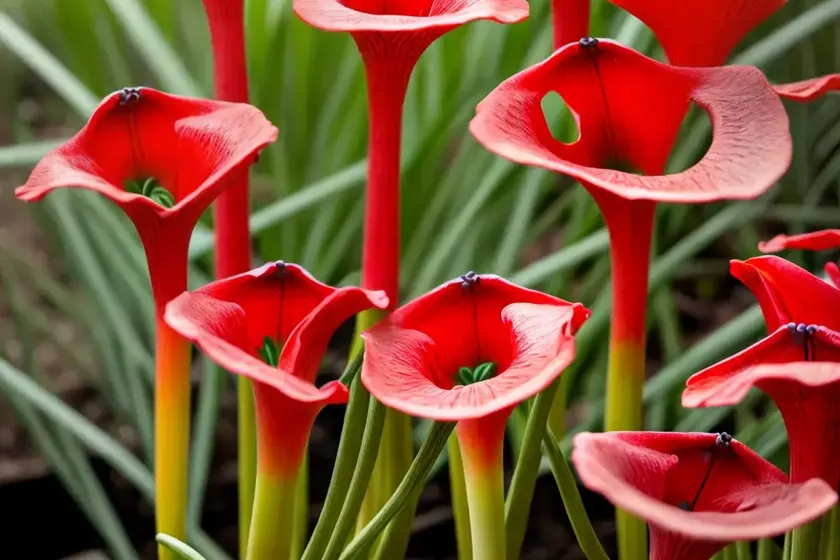
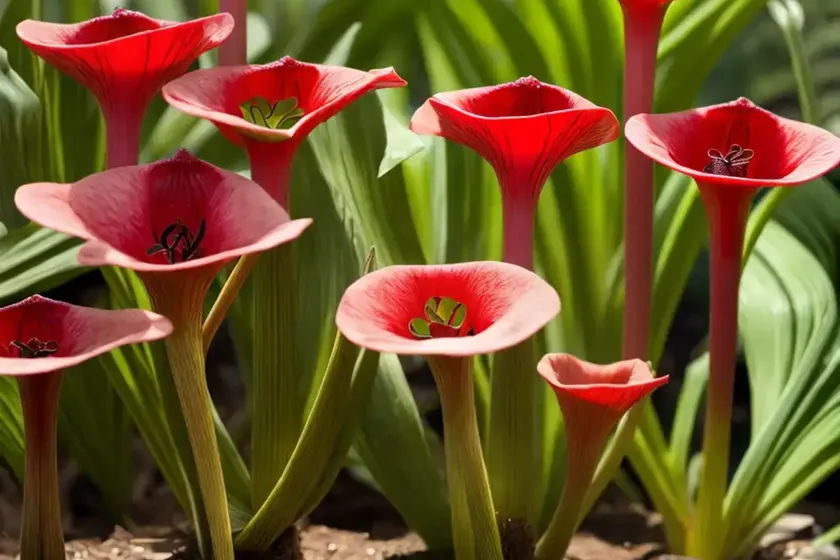
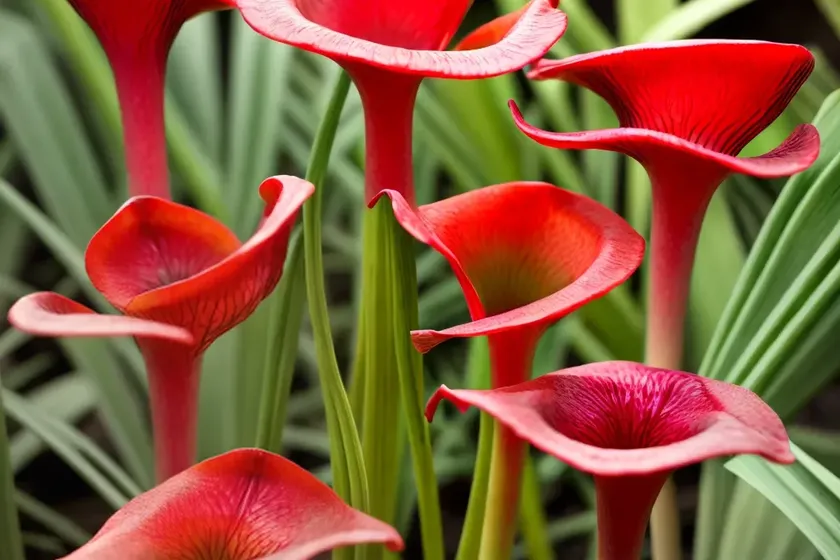
The Common Pitcherplant, scientifically known as Sarracenia Purpurea, is a remarkable species that belongs to the Sarraceniaceae family. It is highly recognized for its carnivorous nature, employing specialized pitcher-shaped leaves to capture and digest prey. Native to North America, particularly in boggy areas, this unique plant has garnered attention from botanists, horticulturists, and nature enthusiasts due to its intriguing adaptations and complex physiology.
Key Takeaways – Common Pitcherplant (Sarracenia Purpurea)
- Scientific Name: Sarracenia Purpurea
- Family: Sarraceniaceae
- Common Name: Common Pitcherplant
- Native Habitat: Boggy areas of North America
- Type: Carnivorous plant
Culture
Cultivating Common Pitcherplants requires a keen understanding of their natural habitat and unique requirements. Here are essential cultural considerations for successfully nurturing these captivating plants:
Uses
-
Conservation Efforts: Common Pitcherplants play a vital role in their natural ecosystems, contributing to the balance of local biodiversity. Efforts to conserve and protect their habitats are essential to ensure their survival.
-
Educational Purposes: Due to their intriguing adaptations and carnivorous nature, Common Pitcherplants are often used for educational purposes to showcase the diversity of plant life and the intricate relationships between plants and their environment.
-
Horticultural Interest: Common Pitcherplants are also cultivated for their ornamental value, captivating gardeners and collectors with their unique pitcher-shaped leaves and colorful floral displays.
Water
Common Pitcherplants thrive in consistently moist conditions, simulating their native boggy habitats. Adequate water is crucial for their growth and health, and they are often cultivated in specialized bog gardens or containers with water trays to maintain high humidity levels.
Sunlight
These plants prefer bright, indirect light. In their natural habitat, they often thrive in areas with partial shade, so replicating this environment in a cultivated setting is essential for their well-being. While they should be exposed to adequate light, excessive direct sunlight can cause damage to their delicate foliage.
Soil
The soil requirements of Common Pitcherplants are unique, as they prefer nutrient-poor, acidic soils. A mixture of peat moss and perlite or sand provides an ideal growing medium, mimicking the conditions of their native bog habitats.
Fertilizer
As carnivorous plants, Common Pitcherplants do not require traditional fertilization. In fact, they are highly sensitive to the presence of nutrients in their growing medium, which can lead to adverse effects on their health. Nutrient-rich soil can be detrimental to these plants, so it is crucial to avoid fertilization altogether.
Pruning
Pruning requirements for Common Pitcherplants are minimal, mainly involving the removal of any damaged or withered pitchers to maintain the plant’s overall aesthetics. Dead pitchers should be carefully trimmed to prevent disease and maintain the vitality of the plant.
Propagation
Common Pitcherplants can be propagated through division or by harvesting seeds. Division involves carefully separating mature plants into smaller sections and replanting them in appropriate growing conditions. Seed propagation requires careful attention to soil and moisture conditions, as well as an understanding of the germination process specific to Sarracenia Purpurea.
Container Popularity
Given their specialized soil and water requirements, Common Pitcherplants are frequently cultivated in containers, particularly in bog gardens or terrariums. The use of containers allows for precise control over the plant’s growing conditions and enables enthusiasts to create captivating miniature bog habitats.
Common Diseases
While Common Pitcherplants are relatively resilient when provided with suitable growing conditions, they can be susceptible to certain diseases that can impact their overall health and vigor. Understanding these potential ailments is crucial for maintaining the well-being of these captivating plants.
Disease Diagnosis
-
Anthracnose: This fungal disease can manifest as dark, sunken lesions on the foliage of Common Pitcherplants, potentially leading to the deterioration of the affected pitchers. Proper air circulation and the avoidance of overhead watering can help prevent the occurrence of Anthracnose.
-
Botrytis Blight: Also known as gray mold, this fungal disease can lead to the development of fuzzy grey or brown patches on the plant’s foliage. Maintaining optimal humidity levels and promptly removing any affected foliage can help prevent the spread of Botrytis Blight.
-
Root Rot: Excessive moisture and poor drainage can create favorable conditions for root rot in Common Pitcherplants. Affected plants may exhibit wilting, yellowing foliage, and a general decline in health. Improving soil drainage and refraining from overwatering can mitigate the risk of root rot.
Common Pests
Common Pitcherplants, despite their carnivorous nature, can still fall victim to certain pests that may compromise their health and vitality. Vigilance and proactive pest management strategies are crucial for protecting these unique plants from potential infestations.
-
Aphids: These small, sap-sucking insects can target the tender foliage of Common Pitcherplants, potentially causing distortion and yellowing of the leaves. Regular inspection and the use of natural predators can help manage aphid populations without the need for chemical interventions.
-
Spider Mites: These tiny arachnids can infest Common Pitcherplants, leading to the development of fine webbing and stippling on the foliage. Maintaining adequate humidity levels and employing methods such as gentle hosing can help deter and control spider mite infestations.
-
Fungus Gnats: These small flies can be attracted to the moist growing conditions favored by Common Pitcherplants. The use of yellow sticky traps and the moderation of watering can help minimize the presence of fungus gnats in the plant’s vicinity.
Botanist’s Tips
As a plant scientist deeply fascinated by the intricacies of Common Pitcherplants, it is essential to share valuable insights and tips for enthusiasts and aspiring horticulturists who are captivated by these unique carnivorous plants:
-
Native Habitat Emulation: Replicating the specific environmental conditions of Common Pitcherplants’ native bog habitats is crucial for their long-term health and well-being. This includes maintaining adequate humidity, providing suitable lighting, and employing appropriate soil compositions.
-
Avoiding Nutrient-Rich Substrates: Given their carnivorous nature, Common Pitcherplants cannot tolerate nutrient-rich soils. It is vital to use media that are low in nutrients, such as peat moss and sand, to prevent adverse effects on the plant’s delicate physiology.
-
Hygiene and Maintenance: Regular cleaning and maintenance of the pitchers are essential for preventing the buildup of debris and the potential growth of harmful pathogens. Pruning and removing dead or decaying pitchers can help maintain the plant’s vitality.
-
Conservation and Ethical Collection: Due to their ecological significance and potential vulnerability, it is crucial to support conservation efforts and ethical sourcing practices when acquiring Common Pitcherplants for cultivation. Sustainable propagation and responsible collection practices are crucial for preserving this species in the wild.
Fun Facts
As an enthusiast of Common Pitcherplants, it is always a delight to uncover fascinating and captivating details about these unique plants that showcase their extraordinary adaptations and ecological significance:
- Intriguing Morphology: The pitcher-shaped leaves of Common Pitcherplants are specialized adaptations that aid in the capture and digestion of prey, setting them apart from conventional plant structures.
- Carnivorous Nature: Common Pitcherplants employ a combination of nectar, visual lures, and slippery surfaces to attract, capture, and digest insects, highlighting their remarkable carnivorous behaviors.
- Biodiversity Hotspots: The bog habitats where Common Pitcherplants thrive are rich in diverse plant and animal species, underscoring the significance of these unique ecosystems in supporting a wide array of life forms.
Links to External Resources
- International Carnivorous Plant Society
- The American Pitcher Plant – Sarracenia Purpurea
- Carnivorous Plant Resource
- North American Sarracenia Conservancy
In conclusion, the Common Pitcherplant (Sarracenia Purpurea) stands as a captivating testament to the diverse and intricate world of carnivorous plants. Its unique adaptations, ecological significance, and horticultural allure make it a subject of enduring fascination and admiration for botanists, conservationists, and plant enthusiasts alike. Understanding and appreciating the cultural, physiological, and ecological traits of this remarkable species is essential for fostering its conservation and promoting its role as a captivating representative of biodiversity and botanical wonder.


