Powder Puff Tree ( Calliandra Haematocephala)

The Charming Powder Puff Tree: A Comprehensive Guide to Calliandra Haematocephala

From the delicate blooms to its lush foliage, the powder puff tree (Calliandra Haematocephala) is truly a marvel to behold. This ornamental plant, known for its unique and eye-catching flowers, has garnered attention from gardening enthusiasts and landscapers alike. Whether you are considering adding this stunning specimen to your garden or are already nurturing one, this comprehensive guide will provide you with all the essential information you need to ensure the healthy growth and thriving beauty of the powder puff tree.

What is the Powder Puff Tree (Calliandra Haematocephala)?

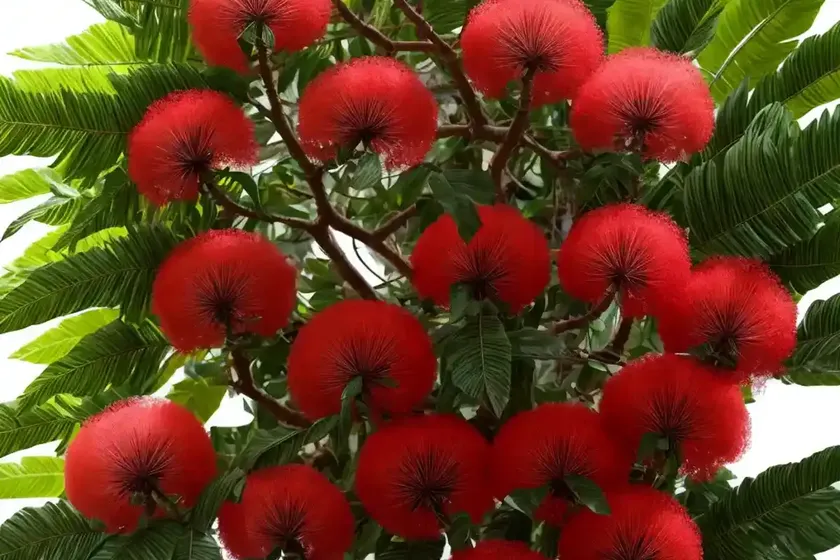
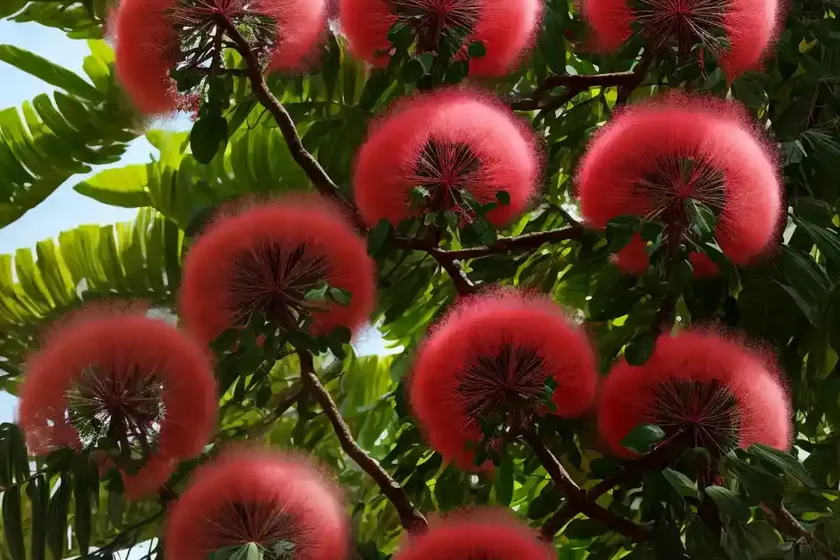
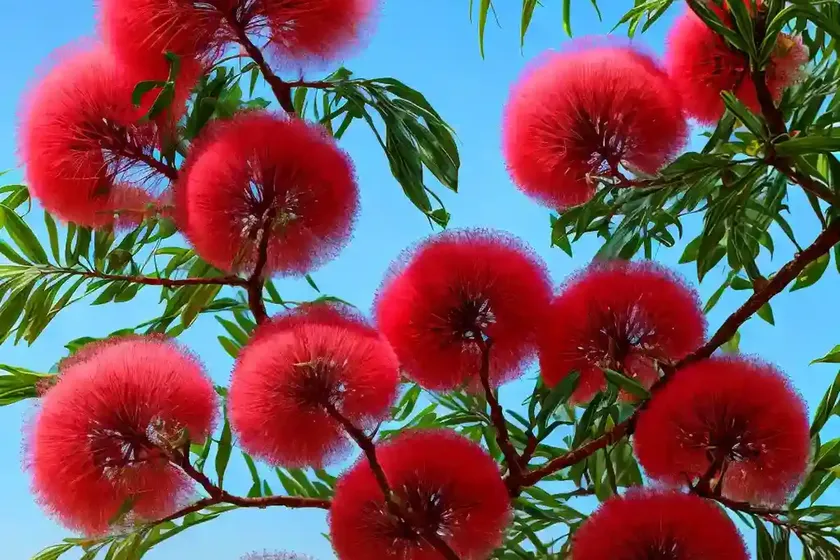
The powder puff tree, scientifically known as Calliandra Haematocephala, is a member of the Fabaceae family, which is also commonly referred to as the pea family. This species is native to regions of South America, where it thrives in tropical and subtropical climates. The powder puff tree is renowned for its striking inflorescences, which resemble fluffy, powder-like puffs in vivid shades of red, pink, or white. Additionally, the fine, feathery foliage of the plant adds to its overall appeal, making it a sought-after choice for ornamental and landscaping purposes.

Key Takeaways – Powder Puff Tree (Calliandra Haematocephala)

Before delving into the specific aspects of cultivating and caring for the powder puff tree, let’s take a moment to highlight some key takeaways about this captivating plant:

  • Scientific Name: Calliandra Haematocephala
  • Family: Fabaceae
  • Common Names: Powder Puff Tree, Pompon De Marin, Fairy Duster
  • Native Habitat: South America
  • Distinct Feature: Showy, spherical flower heads
  • Cultural Uses: Ornamental gardening, landscaping
  • Primary Colors of Flowers: Red, pink, white

Now that we’ve established an overview of the powder puff tree, let’s proceed to explore the crucial aspects of its cultivation and care. This will include insights into its water, sunlight, fertilizer, soil, pruning, propagation, and container requirements, as well as an exploration of its popularity and common diseases and pests that may affect it.

Culture

When cultivating the powder puff tree, it’s vital to understand its specific cultural requirements to ensure its optimal growth and development. From watering practices to soil preferences, each aspect plays a significant role in the overall well-being of the plant.

Uses

The powder puff tree is primarily cultivated for its ornamental value. Its vibrant and unique flowers make it an exceptional addition to gardens, landscapes, and tropical settings. Its showy blooms attract pollinators like butterflies and hummingbirds, adding an element of wildlife attraction to its cultural uses.

Water

Proper watering is essential for the health of the powder puff tree, especially during its initial establishment and periods of active growth. However, it’s crucial to strike a balance, as overwatering can lead to root rot and other moisture-related issues. Here are some key watering guidelines for the powder puff tree:

  • Establishment Phase: Provide regular, deep watering to assist with root establishment.
  • Active Growth: During periods of active growth, ensure the soil is consistently moist, but not waterlogged.
  • Rainfall Considerations: Adjust watering frequency based on natural rainfall to prevent waterlogging of the soil.

Sunlight

Adequate sunlight is crucial for the powder puff tree, as it directly impacts its flowering and overall vigor. This plant thrives in full sun to partial shade conditions. Here are some key considerations for sunlight exposure:

  • Full Sun: Ideally, provide at least 6-8 hours of direct sunlight for optimal blooming.
  • Partial Shade: In hotter regions, partial shade can offer some protection from intense midday sun.

Fertilizer

Appropriate fertilization can significantly enhance the growth and blooming potential of the powder puff tree. Utilize a balanced fertilizer to provide essential nutrients. Consider the following fertilizer guidelines:

  • Application Timing: Apply a balanced fertilizer during the early spring and summer months.
  • Nutrient Balance: Look for a fertilizer with an equal NPK (nitrogen, phosphorus, potassium) ratio to support overall plant health.

Soil

The selection of suitable soil plays a pivotal role in the cultivation of the powder puff tree. Well-draining, fertile soils that offer good aeration are favorable for its growth. Some key soil considerations include:

  • Drainage: Ensure the soil has excellent drainage to prevent waterlogging.
  • Composition: A loamy, well-aerated soil enriched with organic matter is highly beneficial for the plant.

Pruning

Pruning is an integral aspect of maintaining the shape and health of the powder puff tree. Additionally, it encourages blooming and removes any dead or diseased growth. Here are some pertinent aspects of pruning the powder puff tree:

  • Timing: Conduct pruning during the late winter or early spring before new growth emerges.
  • Technique: Remove dead or weak shoots, and shape the tree as desired while preserving its natural form.

Propagation

For those interested in propagating the powder puff tree, several methods can be employed to successfully propagate new plants. These methods include:

  • Seeds: Propagate the plant from fresh seeds, ensuring they are sown in well-draining potting mix.
  • Softwood Cuttings: Utilize softwood cuttings taken from healthy, actively growing shoots for propagation.

Container Popularity

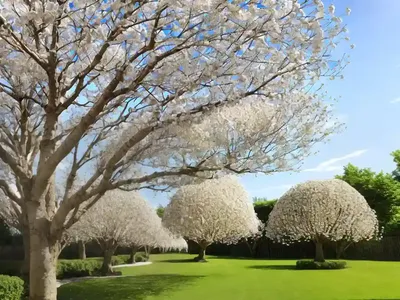
The powder puff tree exhibits excellent adaptability to container cultivation, making it a popular choice for patio gardens, balconies, and urban settings. Its compact growth habit and striking blooms make it an appealing addition to container gardens.

Container Common Diseases

Despite its adaptability to container culture, the powder puff tree may still be susceptible to certain diseases that can affect its overall health and appearance. Understanding the potential diseases and their diagnosis is crucial for effective management.

Disease Diagnosis

Some common diseases that may affect the powder puff tree in container settings include:

  • Root Rot: Overwatering or poorly drained soils can lead to root rot, characterized by wilting and yellowing foliage.
  • Powdery Mildew: Humid and poorly ventilated conditions can result in powdery mildew, manifesting as a powdery white coating on leaves and blooms.

Common Pests

The powder puff tree can also fall victim to various pests that may compromise its health and bloom production. Identifying and addressing these pests promptly is essential for maintaining the plant’s vitality.

Botanist’s Tips

To encourage healthy growth and abundant blooming of the powder puff tree, consider the following botanist’s tips:

  • Regular Inspection: Routinely inspect the plant for signs of diseases, pests, or nutrient deficiencies to address issues promptly.
  • Appropriate Pruning: Prune the plant as needed to maintain its shape and remove any dead or diseased growth.

Fun Facts

Before we move on to exploring the additional aspects of the powder puff tree’s care, here are some fascinating fun facts about this captivating plant:

  1. The powder puff tree is known for its remarkable ability to attract pollinators like butterflies and hummingbirds due to its vibrant and showy flowers.
  2. Its feathery foliage not only adds an ornamental element but also contributes to its unique appeal, making it a standout in the garden or landscape.
  3. The powder puff tree is native to South America, where it thrives in tropical and subtropical climates, showcasing its adaptability to warm and humid environments.

Now that we’ve covered the basic cultural requirements, uses, and some insights into diseases and pests, let’s explore the practical application of this knowledge in the care and cultivation of the powder puff tree.

Links to External Resources

For further in-depth information and resources on the powder puff tree, consider exploring the following links:

In the next section, we will delve into specific aspects of the powder puff tree’s care, including its blooming characteristics, soil requirements, sun exposure needs, and more, to provide comprehensive insights for enthusiasts and gardeners seeking to enrich their plant knowledge.


With the completion of the first part of the blog post, the information provided offers ample details about the powder puff tree, its cultural requirements, and some intriguing facts about this stunning plant. The guide will continue by delving into specific aspects of its care, including blooming, soil requirements, sun exposure needs, and more to provide comprehensive insights for enthusiasts and gardeners. If you would like I can proceed with the next sections as well.