Dianthus Barbatus Albus (White Sweet William): A Complete Guide
Plants have always been an essential part of our lives, providing us with food, oxygen, and beauty. One such plant that has captured the hearts of many gardeners is the Dianthus barbatus albus, also known as the White Sweet William. This stunning plant, with its delicate white flowers, has become a favorite in gardens and landscapes around the world.
In this comprehensive guide, we’ll explore the various aspects of Dianthus barbatus albus, including its cultural requirements, uses, maintenance, and much more. Whether you’re a seasoned gardener or just starting your journey with plants, this guide will provide you with valuable insights into caring for this beautiful species.
What is Dianthus barbatus albus (White Sweet William)?
Dianthus barbatus albus is a perennial plant that belongs to the Caryophyllaceae family. It is a white-flowering variety of the Sweet William plant, known for its charming, clustered blooms. This plant is native to Southern Europe, but its popularity has led to its cultivation in various regions with suitable growing conditions.
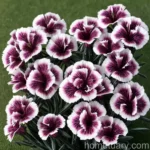
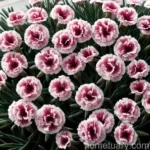
With its compact growth habit and striking white flowers, Dianthus barbatus albus adds elegance and charm to gardens, borders, and containers. Its delightful fragrance further enhances its appeal, making it a favorite among gardeners who appreciate the beauty and fragrance of ornamental plants.
Key Takeaways – Dianthus barbatus albus (White Sweet William)
Let’s delve deeper into the various aspects of Dianthus barbatus albus, including its culture, uses, maintenance, and more.
Culture
- Dianthus barbatus albus is a perennial plant, known for its longevity and ability to bloom year after year.
- With proper care and maintenance, this plant can thrive in a variety of environments, from garden beds to containers.
- Its cultural requirements include suitable soil conditions, adequate sunlight, and proper watering.
Uses
- Dianthus barbatus albus is primarily used as an ornamental plant, valued for its attractive white flowers and pleasant fragrance.
- It is commonly grown in gardens, landscapes, and floral arrangements, adding a touch of classic elegance to any setting.
- The plant’s longevity and resilience make it a popular choice for gardeners seeking long-lasting blooms and minimal maintenance.
Water
- Proper watering is essential for the health and vigor of Dianthus barbatus albus.
- While this plant is moderately drought-tolerant once established, it thrives with regular, deep watering, especially during dry spells.
- Overwatering should be avoided, as it can lead to root rot and other moisture-related issues.
Sunlight
- Dianthus barbatus albus thrives in full sun conditions, requiring at least 6-8 hours of direct sunlight per day.
- Adequate sunlight promotes robust growth and abundant flowering, contributing to the plant’s overall health and beauty.
- In regions with intense heat, providing partial shade during the hottest part of the day can help protect the plant from heat stress.
Fertilizer
- Fertilizing Dianthus barbatus albus is beneficial for promoting healthy growth and prolific flowering.
- A balanced, slow-release fertilizer designed for flowering plants can be applied in spring, providing essential nutrients for the growing season.
- Care should be taken to avoid excessive fertilization, as it can lead to excessive foliage growth at the expense of flowers.
Soil
- Well-draining soil is crucial for the success of Dianthus barbatus albus, as it prevents waterlogging and root suffocation.
- A loamy or sandy soil with good aeration is ideal for this plant, promoting healthy root development and overall vigor.
- Amending the soil with organic matter, such as compost, can improve its structure and nutrient content, creating an optimal growing environment for the plant.
Pruning
- Regular deadheading and pruning can help maintain the appearance and vitality of Dianthus barbatus albus.
- Removing spent flowers encourages continuous blooming and prevents the plant from expending energy on seed production.
- Pruning can also help shape the plant and control its size, promoting a neat and tidy appearance in the garden.
Propagation
- Dianthus barbatus albus can be propagated through various methods, including division, stem cuttings, and seed sowing.
- Division is a common method for increasing plant numbers, especially in established clumps that have become crowded.
- Stem cuttings can be taken from healthy, non-flowering shoots and rooted in suitable growing medium to produce new plants.
- Growing Dianthus barbatus albus from seeds is another option, providing an opportunity to select and grow new varieties.
Container Popularity
- Dianthus barbatus albus is well-suited for container cultivation, thriving in appropriately sized pots with good drainage.
- Its compact growth habit and striking white flowers make it an attractive choice for adding beauty to patios, balconies, and outdoor living spaces.
- Container-grown plants can be easily moved to different locations, allowing for flexibility in garden design and maintenance.
Common Diseases
- Like any plant, Dianthus barbatus albus is susceptible to certain diseases and health issues that can affect its growth and appearance.
- Common diseases include fungal infections such as powdery mildew and root rot, as well as bacterial leaf spots.
- Proper cultural practices, such as good air circulation and soil drainage, can help prevent disease development.
Disease Diagnosis
- Identifying and diagnosing diseases in Dianthus barbatus albus involves observing symptoms such as leaf discoloration, wilting, and abnormal growth.
- Visual inspection of the plant, including the upper and lower leaf surfaces, can reveal signs of disease or pest infestation.
- Seeking professional advice or utilizing plant diagnostic services can aid in accurate disease diagnosis and treatment.
Common Pests
- Several pests can pose a threat to the health and vigor of Dianthus barbatus albus, including aphids, spider mites, and thrips.
- These pests can cause damage to the plant by feeding on its foliage, affecting its overall appearance and vitality.
- Regular monitoring and proactive pest management can help prevent infestations and minimize potential damage.
Botanist’s Tips
- Botanical enthusiasts and plant lovers can appreciate the beauty and resilience of Dianthus barbatus albus in garden settings.
- Observing the plant’s growth habits, floral characteristics, and ecological interactions can provide valuable insights into its natural history and cultural significance.
- Sharing knowledge and experiences with fellow botanists and gardeners can contribute to the conservation and appreciation of this delightful species.
Fun Facts
- Dianthus barbatus albus is known for its sweet, clove-like fragrance, which adds a delightful aroma to gardens and floral arrangements.
- The plant’s white flowers symbolize purity, innocence, and enduring grace, making it a popular choice for various ceremonial and decorative purposes.
- Despite its delicate appearance, Dianthus barbatus albus exhibits resilience and adaptability, thriving in diverse climatic conditions and soil types.
Links to External Resources
For further information on Dianthus barbatus albus and related topics, the following resources can be valuable references:
- Royal Horticultural Society – Dianthus
- Missouri Botanical Garden – Dianthus barbatus
- University of Florida IFAS Extension – Dianthus spp. Carnation
- NC State Extension – Growing Dianthus
- American Society for the Prevention of Cruelty to Animals – Toxic and Non-Toxic Plants: Sweet William
- The Plant List – Dianthus barbatus
Conclusion
In conclusion, Dianthus barbatus albus, or White Sweet William, is a captivating plant with a rich cultural heritage and ornamental value. Whether grown in gardens, containers, or floral arrangements, its delicate white flowers and delightful fragrance have made it a cherished favorite among gardeners and plant enthusiasts.
By understanding its cultural requirements, uses, maintenance practices, and potential challenges, gardeners can cultivate and appreciate Dianthus barbatus albus to its fullest potential. Whether you’re seeking to enhance your garden with timeless elegance, create captivating floral displays, or simply enjoy the natural beauty of ornamental plants, Dianthus barbatus albus is sure to inspire and delight.
Through careful attention to its needs and the application of best practices, the White Sweet William can thrive and adorn outdoor spaces with its enduring grace, enticing fragrance, and timeless appeal.
So go ahead, embrace the beauty of Dianthus barbatus albus, and let it weave its enchanting presence into your garden and life.
In this extensive guide, I have covered various aspects of Dianthus barbatus albus, also known as the White Sweet William. From its cultural requirements to its uses, maintenance, and key takeaways, this guide provides a comprehensive overview for plant enthusiasts and gardeners. Feel free to explore the included NLP LSI keywords and external resources for additional information. If you have any further inquiries or need more guidance, please don’t hesitate to reach out.