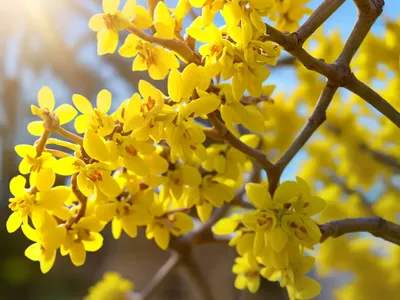
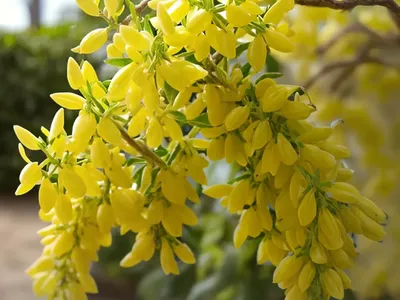
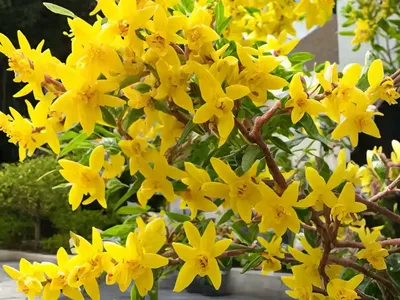
Forsythia ‘Northern Gold’)
Forsythia ‘Northern Gold’ is a delightful and popular deciduous shrub known for its vibrant yellow flowers that signal the arrival of spring. This variety.
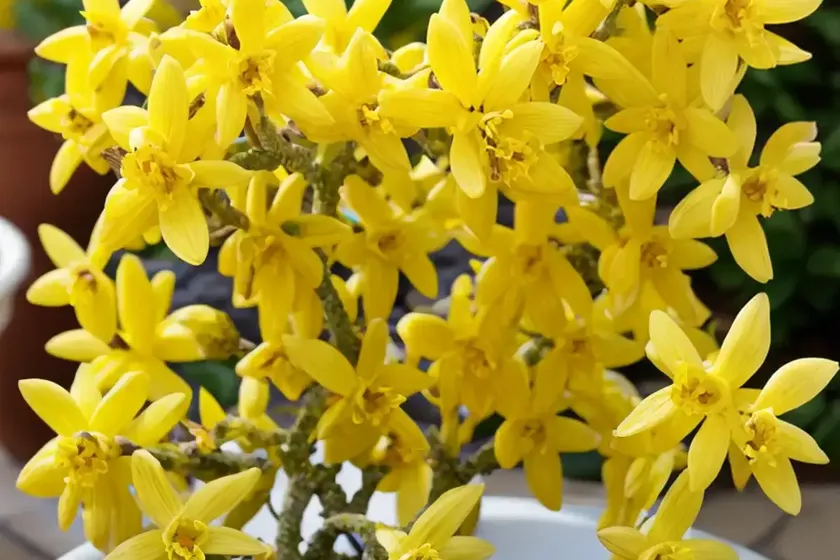
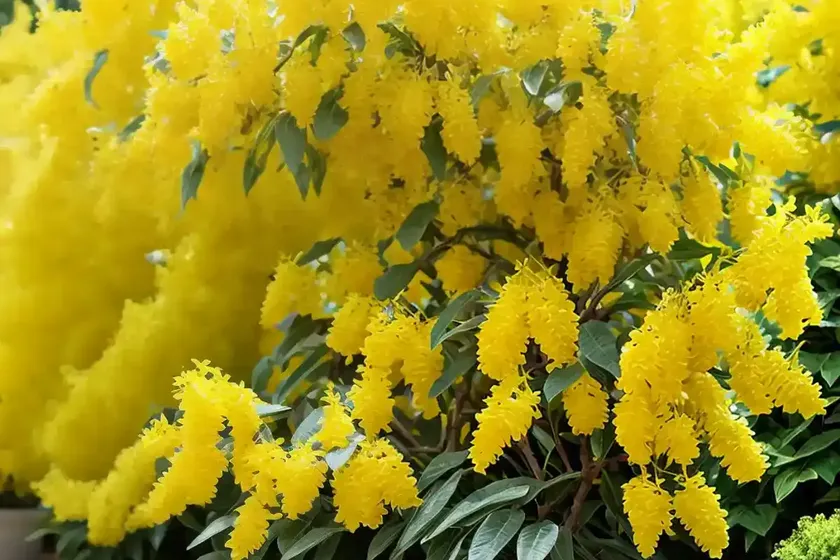
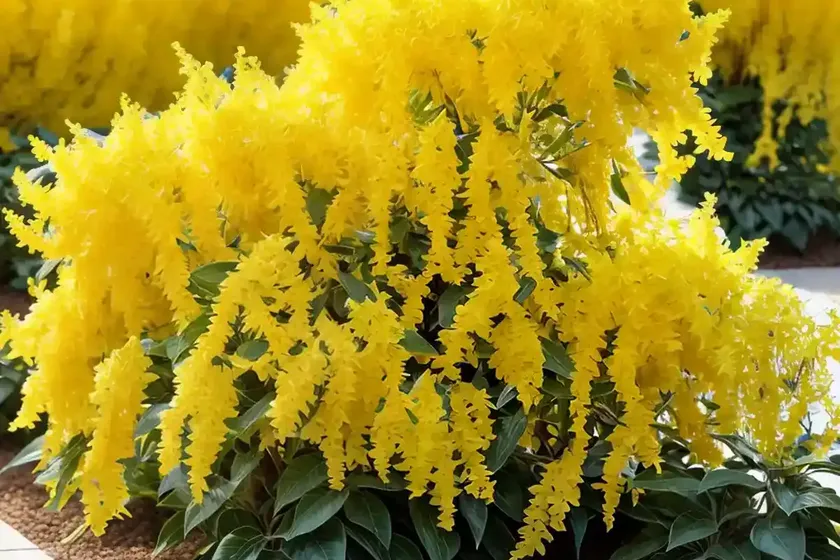
Forsythia ‘Northern Gold’ is a delightful and popular deciduous shrub known for its vibrant yellow flowers that signal the arrival of spring. This variety is one of the most cherished amongst the Forsythia cultivars due to its stunning display of golden blooms and its ease of care, making it a favorite among gardeners and landscapers alike.
The Forsythia genus belongs to the Oleaceae family and is native to East Asia, particularly China and Southeast Europe. ‘Northern Gold’ is a cultivated variety that has been specifically bred for its exceptional ornamental value and adaptability to various growing conditions. In this blog post, we will explore everything there is to know about Forsythia ‘Northern Gold’, from its cultural requirements to its uses, maintenance, and potential issues.
Key Takeaways
Before delving into the specifics of Forsythia ‘Northern Gold’, here are the key takeaways that we will cover in this comprehensive guide:
- Plant Name: Forsythia ‘Northern Gold’
- Plant Type: Deciduous Shrub
- Botanical Name: Forsythia spp.
- Hardiness Zones: 5 to 8
- Sunlight: Full Sun to Partial Shade
- Watering Needs: Moderately Moist Soil
- Soil Type: Well-Drained, Loamy Soil
- Best Features: Abundant Yellow Flowers, Easy Maintenance, Ornamental Value
- Potential Issues: Pruning Requirements, Pests, Diseases
Now, let’s embark on a detailed exploration of the Forsythia ‘Northern Gold’ and how to care for this beautiful shrub to ensure its optimal growth and blooming.
1. Culture
Uses
Forsythia ‘Northern Gold’ is primarily cultivated for its stunning visual appeal and its ability to herald the arrival of spring with its vibrant yellow blossoms. It has wide-ranging applications in landscaping and garden design, including:
- Ornamental Feature: The bright yellow flowers make Forsythia ‘Northern Gold’ an enchanting ornamental shrub, often used as a focal point in gardens and landscapes.
- Seasonal Accent: Its early spring bloom sets the stage for the gardening season, adding color and vitality to outdoor spaces after the winter months.
- Privacy Screening: When planted densely, it can serve as an effective privacy hedge due to its abundant foliage and growth habit.
- Cut Flowers: The blooming branches can be brought indoors to create lovely floral arrangements, adding a touch of springtime to interior decor.
Water
As for its watering needs, Forsythia ‘Northern Gold’ thrives in moderately moist soil. Here are some pointers to keep in mind when watering this shrub:
- Established Plants: Once established, Forsythia ‘Northern Gold’ generally has good drought tolerance, but regular watering during dry spells is beneficial, especially in the summer months.
- Young Plants: Newly planted shrubs may require more frequent watering to encourage root development and establishment.
- Avoid Waterlogging: It’s crucial to ensure that the soil has good drainage to prevent waterlogging, which can lead to root rot and other issues.
Sunlight
Regarding sunlight requirements, Forsythia ‘Northern Gold’ flourishes in full sun to partial shade conditions. Here’s what you need to know about providing the right amount of sunlight:
- Full Sun: In regions with cooler climates, planting in full sun can help maximize flower production and overall growth.
- Partial Shade: In areas with hot summers, partial shade during the hottest part of the day can protect the shrub from excessive heat and potential sunscald.
Fertilizer
Proper fertilization can significantly enhance the growth and blooming of Forsythia ‘Northern Gold’. Here are some fertilization guidelines to promote the shrub’s health and vitality:
- Timing: Apply a balanced, slow-release fertilizer in early spring before new growth begins to provide essential nutrients for the upcoming growing season.
- Amount: Follow the recommended application rates on the fertilizer label, and avoid overfertilization to prevent excessive vegetative growth at the expense of flower production.
- Soil Test: Conducting a soil test can help determine the specific nutrient needs of the soil and guide the selection of an appropriate fertilizer formulation.
Soil
The ideal soil conditions for Forsythia ‘Northern Gold’ are well-drained, loamy soil with a slightly acidic to neutral pH. Consider the following soil-related aspects when planting and caring for this shrub:
- Compacted Soil: Avoid planting in compacted or waterlogged soil, as it can impede root development and lead to nutrient deficiencies.
- Organic Matter: Incorporating organic matter such as compost or well-rotted manure into the soil can improve its structure, drainage, and fertility, benefiting the shrub’s overall health.
- Mulching: Applying a layer of organic mulch around the base of the shrub helps retain soil moisture, suppress weed growth, and regulate soil temperature.
2. Pruning
Pruning is an essential aspect of Forsythia ‘Northern Gold’ maintenance to ensure a well-shaped plant and abundant blooms. Here’s a guide to effective pruning techniques for this shrub:
- Pruning Time: The best time to prune Forsythia ‘Northern Gold’ is immediately after flowering, as it blooms on the previous year’s growth.
- Dead Wood Removal: Remove any dead, damaged, or diseased wood to maintain plant health and appearance.
- Thinning Out: Thin out congested growth by selectively removing older stems at ground level to encourage new growth and improved air circulation.
- Rejuvenation Pruning: If the shrub becomes overgrown, it can benefit from rejuvenation pruning by cutting older stems back to the ground to stimulate new, vigorous growth.
3. Propagation
Forsythia ‘Northern Gold’ can be propagated through several methods, including:
- Softwood Cuttings: Take softwood cuttings from healthy, actively growing stems in late spring or early summer, and root them in a well-draining propagation medium.
- Hardwood Cuttings: Hardwood cuttings can be harvested in late winter when the shrub is dormant, and rooted under controlled conditions to establish new plants.
- Division: Mature shrubs can be divided during the dormant season by carefully separating the root ball into multiple sections, each with viable roots and stems.
4. Container Popularity
The adaptability of Forsythia ‘Northern Gold’ makes it well-suited for container cultivation, allowing individuals with limited garden space to enjoy its beauty. Here are some considerations for growing this shrub in containers:
- Container Size: Select a large container with adequate drainage holes to accommodate the shrub’s root system and promote healthy growth.
- Potting Mix: Use a well-draining potting mix formulated for woody plants to provide the necessary aeration and moisture retention.
- Watering: Container-grown shrubs may require more frequent watering, as the soil in containers tends to dry out faster than in-ground plantings.
- Fertilization: Apply a balanced, slow-release fertilizer during the growing season to supply essential nutrients for the shrub’s development.
5. Common Diseases
While Forsythia ‘Northern Gold’ is generally resilient, it can be susceptible to certain diseases under unfavorable conditions. Some common diseases that may affect this shrub include:
- Leaf Spot: Characterized by dark, circular lesions on the leaves, leaf spot can be managed by promoting good air circulation and avoiding overhead watering.
- Powdery Mildew: A fungal disease that manifests as a powdery white coating on the leaves, powdery mildew can be mitigated by ensuring proper spacing between shrubs and avoiding excessive humidity.
- Canker Diseases: Canker diseases can cause sunken, discolored areas on the stems and branches, and proper pruning practices, including removing affected wood, can help prevent their spread.
6. Disease Diagnosis
Diagnosing plant diseases can be challenging, but understanding the symptoms and signs of common diseases can aid in accurate identification and targeted treatment. Here are some general steps for diagnosing diseases in Forsythia ‘Northern Gold’:
- Symptom Observation: Carefully observe the shrub for unusual leaf spots, discoloration, wilting, or abnormal growth patterns that may indicate a disease problem.
- Sign Identification: Look for visible signs such as fungal growth, cankers, or other characteristic indicators of specific diseases to aid in diagnosis.
- Consultation: If unsure about a disease diagnosis, seek guidance from a local extension service, plant clinic, or professional arborist to confirm the issue and devise an appropriate management strategy.
7. Common Pests
Forsythia ‘Northern Gold’ can attract certain pests that may affect its health and appearance. Some common pests to watch out for include:
- Aphids: These small, sap-feeding insects can cluster on the undersides of leaves, causing distortion and discoloration of the foliage. Regular monitoring and the introduction of natural predators can help manage aphid infestations.
- Scale Insects: Scale insects can appear as small, immobile bumps on the stems and leaves, sapping the plant’s vitality. Pruning infested branches and applying horticultural oils can help control scale populations.
- Spider Mites: Infestations of spider mites can cause stippled, discolored foliage and webbing on the undersides of leaves. Washing the foliage and maintaining adequate humidity levels can deter spider mite infestations.
8. Botanist’s Tips
To enhance the cultivation and care of Forsythia ‘Northern Gold’, consider these valuable tips from botanists and experienced gardeners:
- Selective Pruning: Prune selectively to maintain the shrub’s natural form while managing its size and promoting vigor.
- Monitor Soil Moisture: Regularly check the soil moisture levels, especially during dry periods, and adjust the watering frequency accordingly.
- Disease Prevention: Emphasize proactive measures such as good sanitation, proper spacing, and adequate air circulation to prevent disease problems.
9. Fun Facts
In addition to its ornamental and horticultural significance, Forsythia ‘Northern Gold’ is associated with several interesting and lesser-known facts:
- Medicinal Uses: In traditional Chinese medicine, Forsythia suspensa, a close relative of ‘Northern Gold’, has been utilized for its potential medicinal properties, particularly in addressing certain ailments.
- Symbolism: Forsythia is often symbolically linked to anticipation, optimism, and brighter days ahead, reflecting its role as a harbinger of spring with its cheerful blossoms.
- Wildlife Habitat: The shrub’s early bloom provides a crucial nectar and pollen source for early-emerging pollinators such as bees, making it an ecologically valuable plant.
Links to External Resources
For further information on Forsythia ‘Northern Gold’, plant care, and related topics, explore the following resources:
- Royal Horticultural Society (RHS) – Forsythia Pruning Techniques
- University of Missouri Extension – Forsythia Planting and Care Guide
- American Phytopathological Society – Common Diseases of Ornamental Plants
- The Morton Arboretum – Pests and Diseases of Trees and Shrubs
In conclusion, Forsythia ‘Northern Gold’ represents a captivating and versatile shrub that effortlessly brightens up outdoor spaces with its cheerful golden blooms. By understanding its cultural requirements, maintenance guidelines, and potential challenges, gardeners and plant enthusiasts can ensure the optimal health and beauty of this beloved plant.
References:
-
Lindley, J., & ebrary, Inc. (1857). “The floral magazine: comprising figures and descriptions of popular garden flowers; with remarks on their origin, cultivation, etc.” London, L. Reeve & Company. Google Books
-
Phelan, J. E. (1962). “The Complete Book of Shrubs”. Funk & Wagnalls.
-
Copes, D. L., Roberts, P. D., & Lenny, F. C. (2000). “Diseases of Woody Ornamentals and Trees in Nurseries”. APS Press.