Greater Stitchwort (Stellaria Holostea)
Plants have always been an essential part of our ecosystem and have been utilized for various purposes throughout history. The Greater Stitchwort.
Plants have always been an essential part of our ecosystem and have been utilized for various purposes throughout history. The Greater Stitchwort (Stellaria holostea) is a particularly fascinating plant that holds cultural significance, as well as practical uses. In this comprehensive guide, we will explore all aspects of the Greater Stitchwort, including its cultural importance, uses, growth requirements, and much more.
What is Greater Stitchwort (Stellaria holostea)?
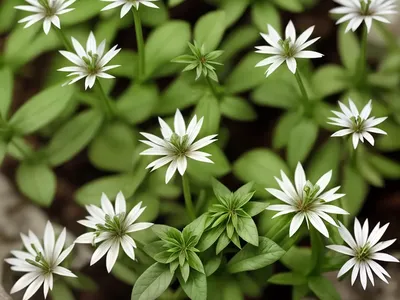
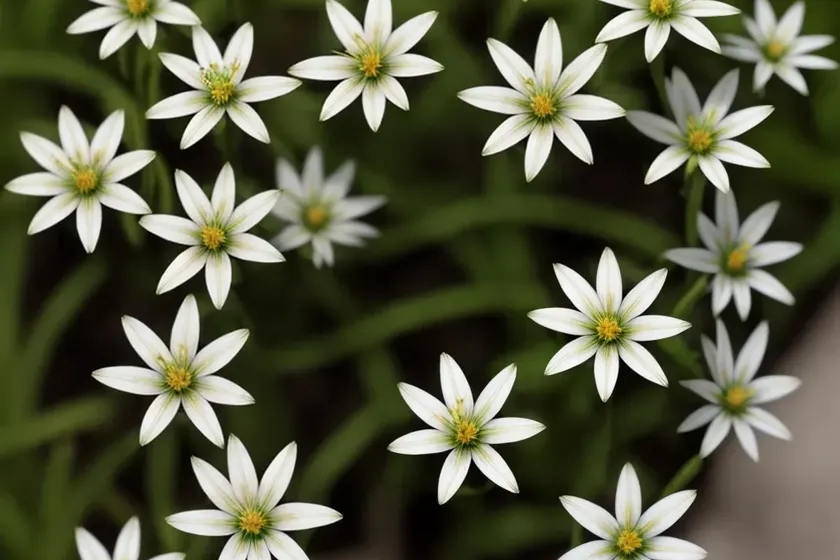
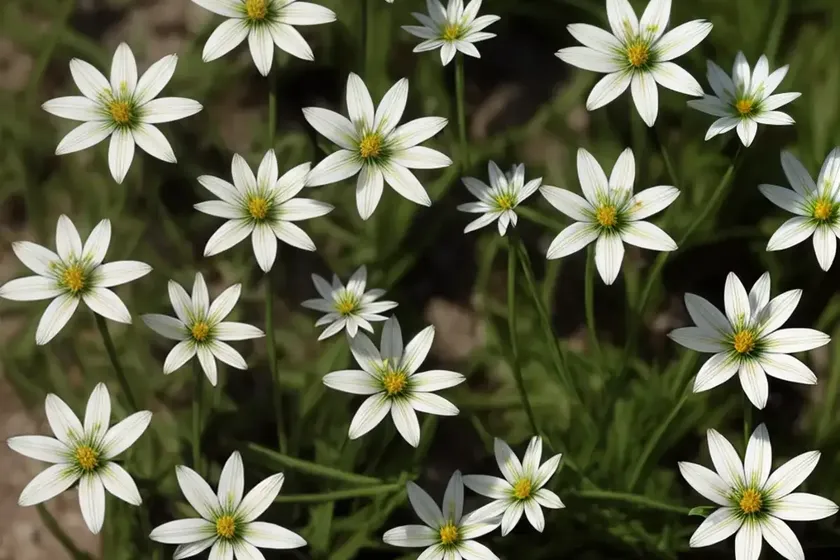
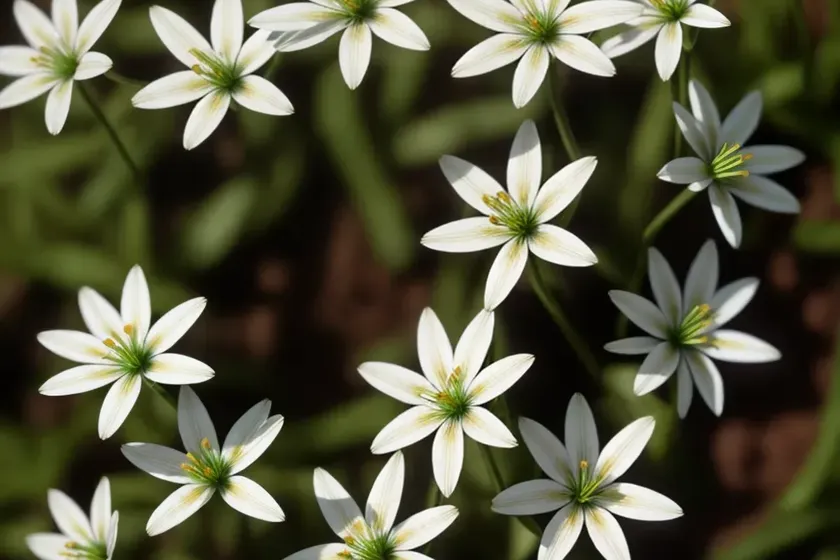
Greater Stitchwort, scientifically known as Stellaria holostea, is a flowering plant belonging to the Caryophyllaceae family. This delicate perennial herb is native to Europe and Western Asia. The plant is characterized by its star-shaped white flowers and its slender, branching stems that can grow up to 12-24 inches in height.
Plant Classification
- Kingdom: Plantae
- Order: Caryophyllales
- Family: Caryophyllaceae
- Genus: Stellaria
- Species: Stellaria holostea
The plant is also commonly referred to as Addersmeat, Starwort, and Star-of-Bethlehem.
Key Takeaways – Greater Stitchwort (Stellaria holostea)
Before delving into the detailed aspects of Stellaria holostea, let’s overview the key takeaways about the plant.
- Common Name: Greater Stitchwort
- Scientific Name: Stellaria holostea
- Family: Caryophyllaceae
- Native Range: Europe and Western Asia
- Characteristics: Star-shaped white flowers, slender branching stems
Now, let’s explore the different aspects of the Greater Stitchwort in detail.
Culture
Understanding the cultural significance of the Greater Stitchwort is essential to appreciate its historical and contemporary relevance. The plant has been part of folklore, traditional medicine, and even ceremonies and rituals. Let’s explore some noteworthy cultural aspects associated with Greater Stitchwort.
- The Greater Stitchwort has been traditionally associated with healing properties and was used in various herbal remedies and folk medicines.
- In folklore and mythology, the plant holds symbolic significance and has been attributed to various superstitions and beliefs.
- Greater Stitchwort has also found its place in traditional crafts and artwork, showcasing its cultural importance across different mediums.
Uses
The uses of Greater Stitchwort are diverse and have been utilized for various purposes. From medicinal properties to its role in landscaping, the plant offers a range of applications.
Medicinal Uses
Greater Stitchwort has been historically used for its medicinal properties. The plant has been recognized for its:
– Anti-inflammatory properties
– Antioxidant effects
– Ability to support skin health
– Traditional healing practices and remedies
Landscaping and Gardening
In addition to its medicinal uses, Greater Stitchwort is valued for its role in landscaping and gardening:
– Ground cover in gardens and natural areas
– Ornamental plant in floral arrangements and landscape designs
– Wildlife attractor, promoting biodiversity and pollinator interactions
Growth Requirements
For the successful cultivation of the Greater Stitchwort, understanding its growth requirements is crucial. From sunlight exposure to soil preferences, each factor plays a significant role in the plant’s development.
Water
Greater Stitchwort thrives in well-drained soil and prefers moderate moisture levels. The plant should not be overwatered, as excessive moisture can lead to root rot and other issues. Watering the plant when the top inch of soil is dry is typically sufficient, but this can vary based on environmental conditions.
Sunlight
In terms of sunlight requirements, Greater Stitchwort prefers partial shade to full shade. While it can tolerate some direct sunlight, providing dappled or filtered light is ideal for its growth. In hotter climates, providing afternoon shade can prevent stress on the plant.
Fertilizer
When it comes to fertilizer, the Greater Stitchwort generally does not require heavy feeding. Applying a balanced, slow-release fertilizer in the spring can support its growth. However, it’s important not to over-fertilize, as this can lead to excessive foliage growth at the expense of flower production.
Soil
The Greater Stitchwort favors moist, well-drained soil that is rich in organic matter. A neutral to slightly acidic soil with good fertility is ideal for its growth. Incorporating organic compost or peat moss can improve the soil structure and provide essential nutrients.
Pruning
Pruning the Greater Stitchwort is relatively straightforward and primarily focuses on maintaining the plant’s shape and controlling its spread. Deadheading the plant after the blooming period can promote additional flower production and prevent self-seeding.
Pruning should also involve the removal of any damaged or diseased stems to maintain the plant’s overall health. Additionally, thinning out dense areas can enhance air circulation and minimize the risk of fungal infections.
Propagation
Greater Stitchwort can be propagated through various methods, including seeds and division. Understanding these propagation techniques can enable gardeners to expand their plant collection and propagate healthy specimens.
Seed Propagation
Collecting seeds from mature Greater Stitchwort plants can be a cost-effective way to propagate new individuals. Sowing the seeds in a seed-starting mix in the fall or early spring can initiate germination. While the seeds can take some time to develop into mature plants, this method allows for a greater number of new plants.
Division
Division involves separating mature Greater Stitchwort plants into smaller sections, each with their own roots and shoots. This method is particularly effective for rejuvenating crowded clumps and promoting the growth of new plants. Spring or early fall is generally an optimal time for division.
Container Popularity
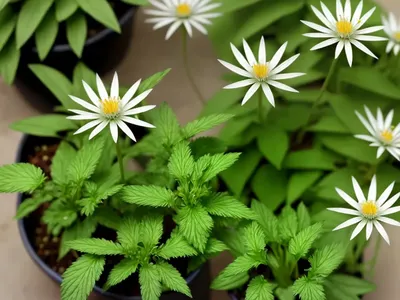
The Greater Stitchwort’s adaptability makes it suitable for container growth, offering gardeners the flexibility to incorporate it into various settings, such as patios, balconies, and small gardens.
Container Requirements
When growing Greater Stitchwort in containers, it’s essential to consider the following aspects:
- Pot Size: Select a container that provides ample space for the plant’s roots to grow and doesn’t restrict its development.
- Drainage: Ensure that the container has proper drainage holes to prevent waterlogged soil, which can adversely affect the plant’s health.
- Soil Mix: Use a well-draining potting mix that provides adequate moisture retention without becoming waterlogged.
By meeting these container requirements, gardeners can successfully grow Greater Stitchwort in containers and enjoy its aesthetic and ecological benefits.
Common Diseases
While Greater Stitchwort is generally resistant to many common plant diseases, it can occasionally encounter specific issues that affect its health and appearance.
Leaf Spot
Leaf spot, caused by various fungi, can manifest as dark, water-soaked lesions on the plant’s leaves. These lesions can lead to the deterioration of leaf tissue and result in reduced plant vigor. Practices such as proper air circulation, adequate spacing, and avoiding overhead watering can help prevent leaf spot.
Powdery Mildew
Powdery mildew is characterized by a white, powdery growth on the plant’s leaves and stems. This fungal disease can weaken the plant and impede its growth. Reducing humidity levels and providing proper air circulation can mitigate powdery mildew issues.
Root Rot
Excessive soil moisture and poor drainage can lead to root rot in Greater Stitchwort. This condition can cause the plant’s roots to decay, resulting in stunted growth and wilting foliage. Ensuring well-drained soil and avoiding overwatering are crucial for preventing root rot.
Disease Diagnosis
Diagnosing and addressing diseases affecting Greater Stitchwort requires careful observation and prompt intervention. By recognizing the symptoms and understanding the underlying causes, gardeners can implement effective solutions.
Symptom Observation
- Leaf Lesions: Check for the presence of water-soaked lesions or yellowing spots on the plant’s leaves.
- Powdery Growth: Inspect the plant for any powdery white substance on the leaves and stems.
- Root Health: Assess the plant’s root system for signs of decay, including dark, mushy roots.
Underlying Causes
- Moisture Levels: Evaluate the soil moisture and drainage conditions to determine potential issues.
- Air Circulation: Consider the airflow around the plant and identify any areas with poor ventilation.
- Growing Conditions: Review the plant’s overall growing environment, including light exposure and humidity levels.
Common Pests
While Greater Stitchwort is relatively resistant to pest infestations, it can still encounter certain pests that pose a threat to its health.
Aphids
Aphids are small, soft-bodied insects that feed on plant sap, causing leaf distortion and the secretion of sticky honeydew. Regularly inspecting the plant for aphid colonies and using insecticidal soap or neem oil can help manage aphid populations.
Slugs and Snails
Slugs and snails can feed on the foliage and tender shoots of Greater Stitchwort, leading to unsightly damage. Employing physical barriers, such as copper tape or diatomaceous earth, can deter slugs and snails from accessing the plant.
Spider Mites
Spider mites are tiny arachnids that can infest the undersides of the plant’s leaves, causing stippling and webbing. Introducing predatory insects, such as ladybugs or lacewings, can help control spider mite populations and prevent widespread damage.
Botanist’s Tips
When cultivating Greater Stitchwort, incorporating botanist’s tips can enhance the plant’s overall health and appearance. These expert recommendations are based on scientific understanding and practical experience, offering valuable insights for successful cultivation.
Plant in Moderation
Avoid overplanting Greater Stitchwort and overcrowding its growing area. Providing adequate spacing between individual plants can promote healthier growth and reduce the risk of diseases.
Monitor Moisture Levels
Regularly monitor the soil moisture and adjust the watering frequency based on the plant’s specific requirements. Balancing moisture levels can prevent issues such as root rot and leaf diseases.
Provide Partial Sun
While Greater Stitchwort can tolerate some direct sunlight, providing partial shade or dappled light can contribute to its overall well-being. Pay attention to the plant’s response to sunlight exposure and adjust as needed.
Encourage Pollinators
Emphasize the importance of Greater Stitchwort as a pollinator attractor and establish plantings that support pollinator diversity. By promoting pollinator interactions, the plant can contribute to local ecosystem health.
Fun Facts
Exploring fun and intriguing facts about the Greater Stitchwort adds an element of fascination to its overall profile. These facts shed light on the plant’s unique characteristics and historical significance.
- The name “Stitchwort” is believed to originate from the plant’s historical association with treating stitching pains and related conditions.
- Greater Stitchwort has been linked to various folklore and superstitions, contributing to its cultural allure and significance.
- The plant’s delicate white flowers and slender stems make it a charming addition to woodland settings and naturalistic gardens.
Links to External Resources
For further exploration of the Greater Stitchwort and related topics, the following external resources provide valuable insights and information:
- RHS Gardening: Stellaria holostea
- Wildflower Field Guide: Greater Stitchwort
- USDA Plants Database: Stellaria holostea
Conclusion
The Greater Stitchwort (Stellaria holostea) offers a captivating blend of cultural significance, practical uses, and ecological value. From its historical association with traditional medicine to its role as an ornamental plant, the diverse attributes of Greater Stitchwort make it a cherished component of natural landscapes and gardens. By understanding its growth requirements, cultural importance, and potential uses, individuals can appreciate and harness the unique qualities of this remarkable plant.
Through cultivation, observation, and conservation efforts, the timeless allure of Greater Stitchwort continues to enrich our connection to nature and its intrinsic beauty.
By delving into the intricate details of the Greater Stitchwort, this comprehensive guide provides an immersive exploration of the plant’s diverse attributes and cultural significance. From its traditional uses to its role in contemporary gardens, the Greater Stitchwort offers a multitude of opportunities for appreciation and engagement.