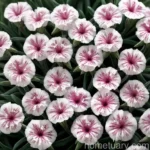
Plant Scientist Blog: Unveiling the Cheddar Pink (Dianthus gratianopolitanus ‘Grandiflorus’)
Introduction to the Cheddar Pink (Dianthus gratianopolitanus ‘Grandiflorus’)
As a passionate plant scientist, I am thrilled to delve into the wonderful world of the cheddar pink, scientifically known as Dianthus gratianopolitanus ‘Grandiflorus’. This beautiful perennial plant boasts stunning pink flowers and holds a special place in the hearts of gardeners and nature enthusiasts alike. Throughout this article, we will explore the culture, uses, care, and maintenance of the cheddar pink, providing comprehensive insights to help you cultivate and appreciate this captivating plant.
Key Takeaways – Cheddar Pink (Dianthus gratianopolitanus ‘Grandiflorus’)
- Common Name: Cheddar Pink
- Scientific Name: Dianthus gratianopolitanus ‘Grandiflorus’
- Type: Perennial
- Flower Color: Pink
- Native Habitat: Europe
- Growth Habits: Ground-hugging, forms a dense mat
- Fragrance: Sweet and pleasant
Culture of Cheddar Pink (Dianthus gratianopolitanus ‘Grandiflorus’)
The culture of the cheddar pink encompasses its growth habits, native habitat, and landscape uses. Understanding the plant’s cultural preferences is fundamental to successfully nurturing this graceful perennial.
Native Habitat and Landscape Uses
The cheddar pink (Dianthus gratianopolitanus ‘Grandiflorus’) is native to Europe, where it thrives in rocky and well-drained soils. This natural habitat reflects the plant’s preference for dry and nutrient-poor conditions, making it an excellent choice for rock gardens, borders, and edging in landscapes. Its ability to form a dense mat also makes it a popular ground cover, adding a touch of elegance to various outdoor settings.
Growth Habits
Dianthus gratianopolitanus ‘Grandiflorus’ is a ground-hugging perennial, with a spread of around 12-18 inches, and a height of 6-8 inches. It forms dense cushions of narrow green leaves, blanketed by delightful pink flowers during the blooming season.
Winter Care
In regions with harsh winters, providing adequate protection to cheddar pinks is crucial. Applying a layer of mulch around the base of the plant before the onset of winter helps in insulating the roots and safeguarding them from frost damage. Additionally, it is essential to ensure good air circulation around the plant to prevent the development of mold and mildew during the cold months.
Uses of Cheddar Pink (Dianthus gratianopolitanus ‘Grandiflorus’)
The cheddar pink offers a multitude of uses, ranging from ornamental purposes to its contribution to the ecosystem as a pollinator attractant.
Ornamental Beauty
One of the most prominent uses of cheddar pink is its ornamental value. The delicate and aromatic pink flowers add a charming touch to any garden or landscape. They are often used as edging plants, border accents, and in rock gardens, contributing to an enchanting and visually appealing outdoor space.
Pollinator Plant
Cheddar pinks serve as a valuable resource for pollinators, attracting bees, butterflies, and other beneficial insects to the garden. Their vibrant and sweet-smelling flowers provide essential nectar and pollen, supporting the health and diversity of local pollinator populations.
Cheddar Pink (Dianthus gratianopolitanus ‘Grandiflorus’) Care Guide
Cultivating cheddar pink (Dianthus gratianopolitanus ‘Grandiflorus’) is a rewarding endeavor, provided the plant’s specific requirements for water, sunlight, soil, and maintenance are met. Let’s delve into the essential aspects of caring for this delightful perennial.
Water
Cheddar pink plants require moderate watering, with a preference for well-drained soils. Overwatering should be avoided, as this may lead to root rot and other moisture-related issues. During the growing season, regular watering is recommended, ensuring the soil is allowed to dry slightly between waterings. In prolonged dry spells, it is important to provide supplemental irrigation to maintain optimal soil moisture levels.
Sunlight
Cheddar pinks thrive in full sunlight, displaying the best growth and flowering performance when provided with at least 6-8 hours of direct sunlight per day. While the plant can tolerate some partial shade, it may result in reduced flowering and compactness of the foliage. Therefore, selecting a sunny spot for planting cheddar pinks is ideal for maximizing their ornamental value.
Soil
The cheddar pink (Dianthus gratianopolitanus ‘Grandiflorus’) flourishes in well-drained, alkaline to slightly acidic soils. It is important to avoid waterlogged or compacted soils, as they can lead to root damage and poor growth. Amending the soil with organic matter, such as compost or well-rotted manure, can enhance its texture and nutrient content, providing an ideal growing medium for cheddar pinks.
Fertilizer
Cheddar pinks have relatively low fertilizer requirements and can thrive in nutrient-poor conditions. However, a light application of balanced fertilizer in early spring can promote healthy growth and abundant flowering. Using a slow-release fertilizer or a dilute liquid fertilizer can provide the necessary nutrients without risking overfertilization, which may lead to excessive foliage at the expense of flowers.
Pruning
Pruning cheddar pink plants is relatively minimal, primarily focusing on deadheading spent flowers to encourage continuous blooming. This process also prevents the plant from expending energy on seed production, redirecting its resources towards vigorous growth and the development of new flowers. In addition, removing any diseased or damaged foliage helps maintain the overall health and appearance of the plant.
Propagation
Cheddar pinks can be propagated through division or by taking stem cuttings. Division is typically carried out in early spring or late summer, separating the plant into smaller sections with healthy roots and shoots. Stem cuttings, taken from non-flowering shoots, can be rooted in a well-draining propagation medium to establish new plants. Both methods offer effective means of propagating cheddar pinks, allowing for the expansion of their presence in the garden or landscape.
Container Planting
The compact and trailing nature of cheddar pinks makes them well-suited for container gardening. When planting in containers, it is essential to use well-draining potting mix and ensure adequate drainage holes to prevent waterlogging. Positioning the containers in a sunny location and providing regular watering and occasional fertilization can result in stunning displays of cheddar pink flowers, enhancing balconies, patios, and other outdoor living spaces.
Common Diseases and Pest Control for Cheddar Pink (Dianthus gratianopolitanus ‘Grandiflorus’)
While cheddar pinks are relatively resilient, they are susceptible to certain diseases and pest infestations. Understanding and promptly addressing these challenges are key to maintaining the health and vigor of the plants.
Common Diseases
Crown Rot
Crown rot, caused by soil-borne pathogens, can manifest as a darkening and decay of the plant’s crown and roots. This disease thrives in waterlogged and poorly draining soils, making prevention through proper cultural practices essential. To mitigate the risk of crown rot, ensure adequate soil drainage and avoid overwatering, especially during the dormant season.
Powdery Mildew
Powdery mildew is a common fungal disease that can affect the foliage of cheddar pinks, appearing as a powdery white coating on the leaves. This condition is favored by high humidity and poor air circulation. To prevent powdery mildew, provide ample spacing between plants to promote air flow and avoid overhead watering, which can create a humid environment conducive to fungal growth.
Disease Diagnosis
Diagnosing diseases in cheddar pinks involves careful observation of the plant’s foliage, stems, and overall growth. Symptoms such as wilting, discoloration, and abnormal growth patterns can indicate potential diseases, prompting a thorough examination to identify the underlying cause. Consulting with local horticultural extension services or plant health professionals can provide valuable insights into accurate disease diagnosis and effective treatment methods.
Common Pests
Aphids
Aphids are small, sap-sucking insects that can infest cheddar pink plants, causing damage to the foliage and transmitting viral diseases. Controlling aphid populations can be achieved through natural predators, such as ladybugs or lacewings, or through the use of insecticidal soaps and horticultural oils. Regular inspection of the plants for aphid presence enables early intervention and effective pest management.
Slugs and Snails
Slugs and snails are notorious for consuming tender plant tissues, including the leaves and flowers of cheddar pinks. To deter these pests, implementing physical barriers, such as copper tape or diatomaceous earth, around the base of the plants can be effective. Handpicking slugs and snails during evening hours when they are most active also serves as a manual control method.
Botanist’s Tips for Cultivating Cheddar Pink (Dianthus gratianopolitanus ‘Grandiflorus’)
To support the successful growth and maintenance of cheddar pinks, here are some expert tips and suggestions from botanists and experienced gardeners:
- Good Drainage: Ensuring optimal soil drainage is paramount for healthy cheddar pink plants, safeguarding them against root rot and other moisture-related issues.
- Adequate Sunlight: Positioning cheddar pinks in a sunny location facilitates robust growth and profuse flowering, enhancing their ornamental appeal.
- Natural Mulching: Utilizing organic mulches, such as shredded leaves or wood chips, contributes to soil moisture regulation and weed suppression, benefiting the overall health of the plants.
- Periodic Deadheading: Regular deadheading of spent flowers promotes continuous blooming and maintains the plant’s aesthetic appearance throughout the growing season.
- Integrated Pest Management: Implementing a diverse and balanced approach to pest control, including natural predators and cultural practices, reduces the reliance on chemical interventions, fostering a more sustainable gardening ethos.
Fun Facts About Cheddar Pink (Dianthus gratianopolitanus ‘Grandiflorus’)
Delving into the delightful world of cheddar pinks unveils several intriguing and captivating aspects that add to the enchantment of these charming plants:
- Fragrant Blooms: The flowers of cheddar pinks exude a sweet and pleasant fragrance, attracting pollinators and offering a delightful olfactory experience to garden enthusiasts.
- Rock Garden Favorite: Cheddar pinks are highly sought after for rock gardens due to their low-growing habit and drought tolerance, making them ideal candidates for creating captivating and resilient displays.
- Historical Significance: The cheddar pink holds historical significance, being the county flower of Somerset in England, where it is celebrated for its cultural and botanical importance.
Links to External Resources
For further exploration and valuable insights on cheddar pink (Dianthus gratianopolitanus ‘Grandiflorus’) and related topics, the following external resources are recommended:
- Royal Horticultural Society – Dianthus gratianopolitanus ‘Grandiflorus’
- Missouri Botanical Garden – Dianthus gratianopolitanus
- University of Minnesota Extension – Growing Perennials: Dianthus
- American Horticultural Society – Cheddar Pinks
- The National Gardening Association – Cheddar Pink Care Guide
In conclusion, the cheddar pink (Dianthus gratianopolitanus ‘Grandiflorus’) stands as a captivating and versatile perennial, adorning gardens, landscapes, and containers with its charming pink flowers and delightful fragrance. By embracing its cultural preferences, employing effective care practices, and addressing potential challenges, enthusiasts can enjoy the beauty and resilience of this remarkable plant. Whether used as a ground cover, border accent, or pollinator attractant, the cheddar pink continues to inspire and enrich outdoor spaces with its enduring allure and natural grace.
As scientific understanding evolves and gardening practices continue to thrive, the timeless charm of the cheddar pink serves as a testament to the enduring appeal of horticulture and the enduring bond between humans and plants.
Thank you for joining me on this botanical journey, and may your gardening endeavors be filled with joy, discovery, and the beauty of nature.