Common Starwort (Stellaria Graminea)
Plants have always been an integral part of our environment, adding beauty to landscapes and providing numerous benefits to ecosystems. One such plant that.
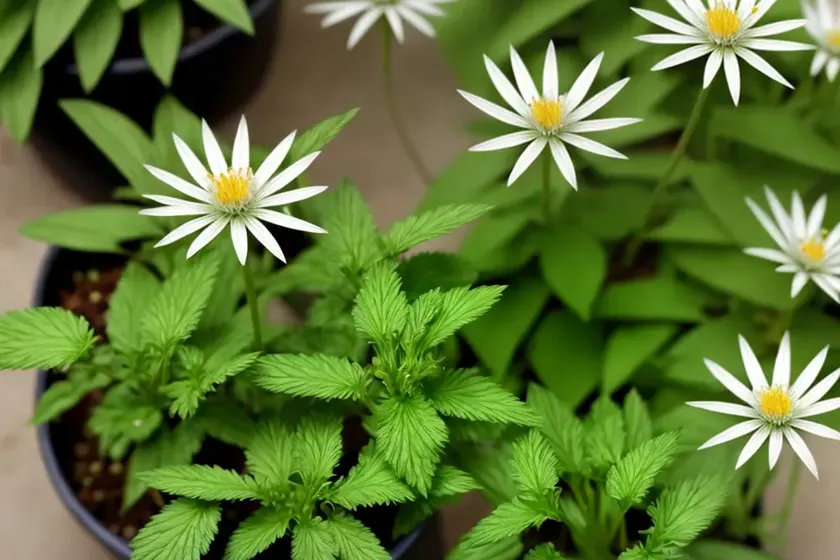
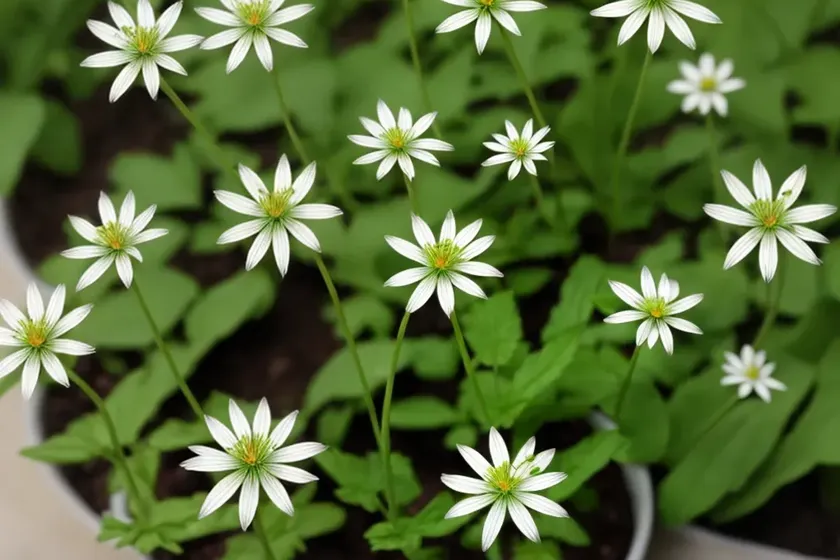
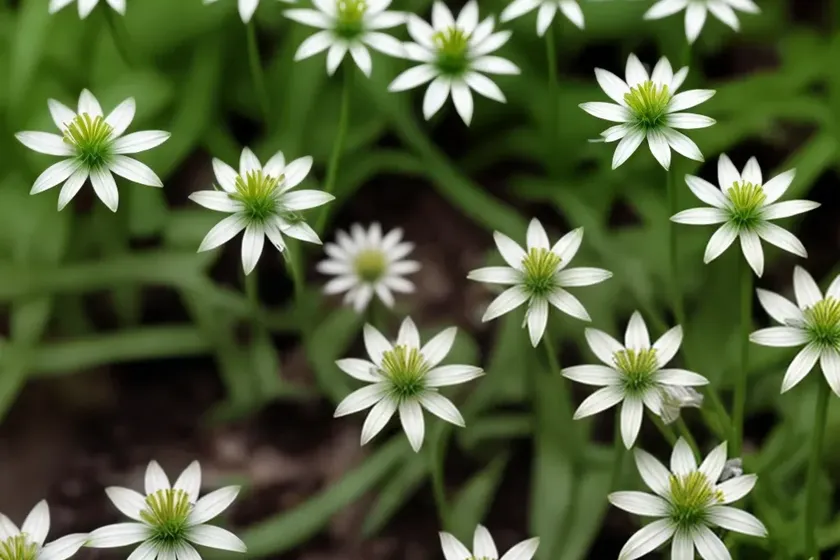
Plants have always been an integral part of our environment, adding beauty to landscapes and providing numerous benefits to ecosystems. One such plant that has gained popularity among gardeners and plant enthusiasts is the Common Starwort (Stellaria graminea). This article aims to provide a comprehensive guide to understanding, cultivating, and appreciating the unique characteristics and uses of this fascinating plant.
What is Common Starwort (Stellaria graminea)?
Common Starwort, scientifically known as Stellaria graminea, is a perennial plant species belonging to the Caryophyllaceae family. Also commonly known as Grass-leaved Starwort, this plant thrives in various habitats, including grasslands, meadows, and woodland edges. It is native to Europe and Western Asia and has made its way into gardening and landscaping due to its delicate appearance and versatile uses.
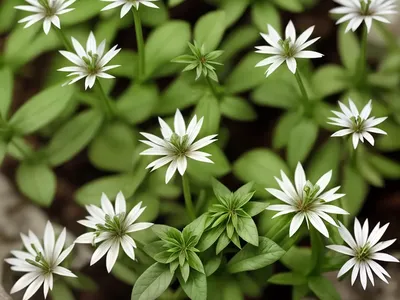
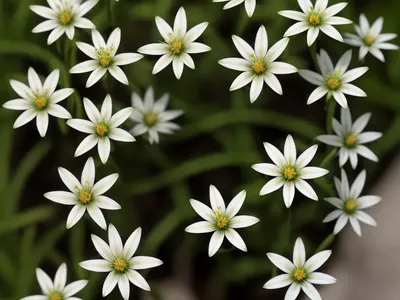
The genus name “Stellaria” is derived from the Latin word “stella,” which means star, depicting the star-like appearance of its petite flowers. The specific epithet “graminea” refers to the grass-like leaves of the plant, further highlighting its distinctive features.
Key Takeaways – Common Starwort (Stellaria graminea)
Before delving into the specifics of cultivating and caring for Common Starwort, it is essential to understand its basic characteristics and key takeaways. Here are some fundamental aspects of this plant:
- Scientific Name: Stellaria graminea
- Common Names: Common Starwort, Grass-leaved Starwort
- Family: Caryophyllaceae
- Native Range: Europe and Western Asia
- Habitat: Grasslands, meadows, woodland edges
- Growth Habit: Perennial
- Distinctive Features: Star-shaped flowers, grass-like leaves
Now that we have established an overview of Common Starwort, let’s explore the various aspects of cultivating and caring for this plant.
Cultivation and Maintenance
Cultivating Common Starwort involves paying attention to various factors such as water requirements, sunlight exposure, soil type, and pruning. Additionally, understanding its growth habits and propagation methods is crucial for maintaining healthy and thriving plants. Let’s delve into each of these aspects in detail:
Water
Common Starwort thrives in moist soil conditions and benefits from regular watering, especially during dry periods. However, it is essential to avoid waterlogging, as excessively wet soil can lead to root rot. When establishing Common Starwort in a garden or container, it’s important to maintain consistent moisture levels to support healthy growth.
Sunlight
In its natural habitat, Common Starwort often grows in partial shade or dappled sunlight, making it well-suited for woodland and meadow settings. When grown in garden settings, providing partial shade or filtered sunlight can help maintain its lush green foliage and promote abundant flowering. However, it is important to avoid prolonged exposure to intense, direct sunlight, as it can cause leaf scorching.
Fertilizer
Common Starwort generally does not require heavy fertilization and can thrive in moderately fertile soil. When planting in garden beds, incorporating organic matter such as compost during initial soil preparation can provide the necessary nutrients for healthy growth. Additionally, a balanced, slow-release fertilizer applied in early spring can support the plant’s growth and blooming.
Soil
The ideal soil for Common Starwort is well-draining and rich in organic matter. It prefers slightly acidic to neutral soil pH and can thrive in various soil types, including loamy and sandy soils. When growing in containers, using a high-quality potting mix that retains moisture while preventing waterlogging is essential for promoting robust growth.
Pruning
Pruning Common Starwort primarily involves removing spent flowers to encourage continuous blooming and prevent the plant from self-seeding excessively. Deadheading, or the removal of faded flowers, can prolong the flowering period and maintain a neat appearance. Additionally, trimming back any damaged or straggly growth can help rejuvenate the plant and promote bushier growth.
Propagation and Container Growing
Common Starwort can be propagated through several methods, including division, seed sowing, and stem cuttings. Each of these techniques offers unique advantages and can be employed based on the gardener’s preferences and the availability of plant material. Moreover, Common Starwort’s adaptability to container growing makes it a versatile choice for urban and small-space gardens.
Propagation Methods
-
Division: Propagating Common Starwort through division involves separating established clumps of the plant into smaller sections, each containing roots and shoots. This method is best carried out in early spring or early autumn when the plant is not actively blooming.
-
Seed Sowing: Collecting and sowing seeds from mature Common Starwort plants allows for the establishment of new individuals. Sowing seeds in well-prepared seedbeds or containers in spring or autumn can facilitate germination and seedling growth.
-
Stem Cuttings: Taking stem cuttings from healthy, non-flowering shoots in late spring or early summer presents another effective propagation method. By placing the cuttings in a rooting medium and providing appropriate conditions, new plants can be successfully generated.
Container Popularity
The adaptable nature of Common Starwort makes it a popular choice for container gardening. Its compact growth habit and attractive foliage and flowers contribute to its appeal as a container plant. When selecting containers for Common Starwort, it is crucial to choose well-draining pots that allow excess water to escape and prevent moisture-related issues.
The versatility of Common Starwort makes it suitable for various container arrangements, ranging from mixed planters to standalone potted displays. The plant’s ability to thrive in partial shade further enhances its suitability for indoor and outdoor container gardens.
Now that we have explored the cultivation and propagation aspects of Common Starwort, let’s delve into its uses and applications.
Uses and Significance
Medicinal Uses
Common Starwort has a history of medicinal use, with traditional herbal practitioners employing it for various purposes. The plant has been associated with properties that support digestive health and overall wellbeing. Additionally, its astringent qualities have led to its use in topical applications for minor skin irritations.
While modern medical research on its medicinal properties is limited, the historical and cultural significance of Common Starwort in traditional medicine adds to its botanical importance.
Landscaping
In garden and landscape settings, Common Starwort serves as a versatile and attractive plant for various design applications. Its low-growing, mat-forming habit makes it well-suited for ground cover, particularly in shaded or partially shaded areas. When mass-planted, it creates a carpet of delicate foliage and flowers, adding a charming and naturalistic touch to the landscape.
Furthermore, the plant’s adaptability to container gardening extends its landscaping potential, allowing for creative combinations in mixed planters and decorative arrangements.
Culinary and Ethnobotanical Uses
While not widely recognized for culinary applications, certain traditional practices have incorporated Common Starwort into culinary preparations. Its tender leaves and shoots have been used in recipes to add a mild, fresh flavor to salads and soups, contributing to its potential as an edible wild plant.
Culturally, Common Starwort holds significance in various folklore and ethnobotanical traditions, with historical references to its symbolic and ritualistic roles. Exploring its ethnobotanical uses provides insights into the cultural connections and symbolic representations associated with this plant throughout history.
As we’ve examined the uses and significance of Common Starwort, it’s essential to address potential challenges in maintaining its health and vitality.
Common Diseases and Pests
Like many plants, Common Starwort is susceptible to certain diseases and pests that can impact its overall vigor and appearance. Recognizing and addressing these issues is crucial for preserving the plant’s health and preventing widespread infestations. Let’s examine common diseases and pests that can affect Common Starwort:
Common Diseases
-
Powdery Mildew: Under humid conditions, Common Starwort may be prone to powdery mildew, characterized by a white, powdery growth on the leaves. Proper spacing, adequate airflow, and fungicidal treatments can help manage this fungal disease.
-
Leaf Spot: Fungal leaf spot diseases can cause dark, irregular spots to develop on the foliage, potentially leading to leaf yellowing and defoliation. Addressing moisture-related issues and applying appropriate fungicidal treatments can aid in preventing and managing leaf spot diseases.
Common Pests
-
Aphids: These small, sap-sucking insects can gather on the tender shoot tips and undersides of leaves, potentially causing stunted growth and distortion of plant tissues. Natural predators and insecticidal treatments can help control aphid populations and minimize their impact on Common Starwort.
-
Slugs and Snails: These mollusks are known to feed on the tender foliage and flowers of Common Starwort, leaving behind characteristic feeding damage and slime trails. Implementing cultural and chemical control measures can aid in protecting the plant from slug and snail damage.
By recognizing these potential diseases and pests, gardeners and plant enthusiasts can take proactive measures to maintain the health and vitality of Common Starwort. Timely intervention and appropriate cultural practices play a significant role in preventing and addressing these challenges.
Botanist’s Tips for Growing Common Starwort
As a plant enthusiast or gardener looking to cultivate Common Starwort, incorporating expert tips and best practices can enhance the success of growing this unique plant. Here are some botanist’s tips for growing and caring for Common Starwort:
-
Mulching: Applying a layer of organic mulch around Common Starwort plants can help conserve soil moisture, suppress weed growth, and maintain a stable root environment.
-
Companion Planting: Pairing Common Starwort with compatible companion plants such as shade-tolerant perennials and ground covers can create visually appealing and ecologically beneficial garden combinations.
-
Regular Monitoring: Routine observation of Common Starwort for signs of pests, diseases, and overall growth performance allows for timely interventions and adjustments in care.
-
Seasonal Maintenance: Conducting seasonal maintenance tasks such as pruning, fertilizing, and soil amending according to the plant’s growth cycles supports its long-term health and productivity.
Implementing these botanist’s tips can contribute to the successful cultivation and maintenance of Common Starwort, fostering thriving and visually appealing plants in garden and landscape settings.
Fun Facts About Common Starwort
As we appreciate the beauty and unique qualities of Common Starwort, here are some fascinating fun facts about this remarkable plant:
- The delicate white flowers of Common Starwort often have five deeply notched petals, giving them a star-shaped appearance and adding to the plant’s charm.
- In certain regions, Common Starwort is considered an indicator of high-quality or well-drained soil, reflecting its ecological significance and adaptability.
- The plant’s ability to form dense mats of foliage has led to its use in erosion control and stabilizing soil in natural habitats.
These fun facts offer insights into the captivating attributes and ecological value of Common Starwort, further enhancing its allure in gardening and conservation efforts.
Links to External Resources
For additional information on Common Starwort, its characteristics, and cultural significance, explore the following external resources:
- The Wildlife Trusts – Common Starwort
- Royal Horticultural Society – Stellaria graminea
- Botanical Society of Britain & Ireland – Grass-leaved Starwort
- USDA Plants Database – Stellaria graminea
By delving into these resources, you can gain a deeper understanding of Common Starwort and its ecological, horticultural, and conservation significance.
In conclusion, Common Starwort (Stellaria graminea) stands out as a valuable addition to gardens, landscapes, and natural habitats, offering aesthetic appeal, ecological benefits, and cultural significance. By embracing the comprehensive guide provided in this article and harnessing the wealth of knowledge available through external resources, plant enthusiasts and conservationists can appreciate, cultivate, and conserve this enchanting plant species.
Remember, the beauty and importance of Common Starwort lie not only in its delicate flowers and foliage but also in its contributions to biodiversity and sustainable gardening practices. As we continue to explore and cherish the diverse flora around us, let’s celebrate the significance of plants like Common Starwort and their invaluable role in our natural world.
As a plant scientist, I hope this comprehensive guide to Common Starwort has provided valuable insights and practical tips for understanding and cultivating this remarkable plant. If you have any further questions or would like to explore specific aspects of Common Starwort in greater detail, feel free to engage in further discussions and inquiries on the subject!
Thank you for joining me on this journey through the captivating world of Common Starwort, and may your future botanical endeavors be filled with joy and discovery.