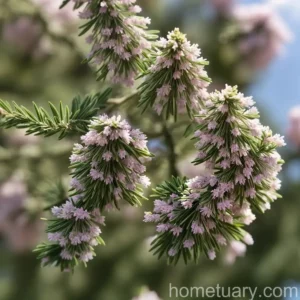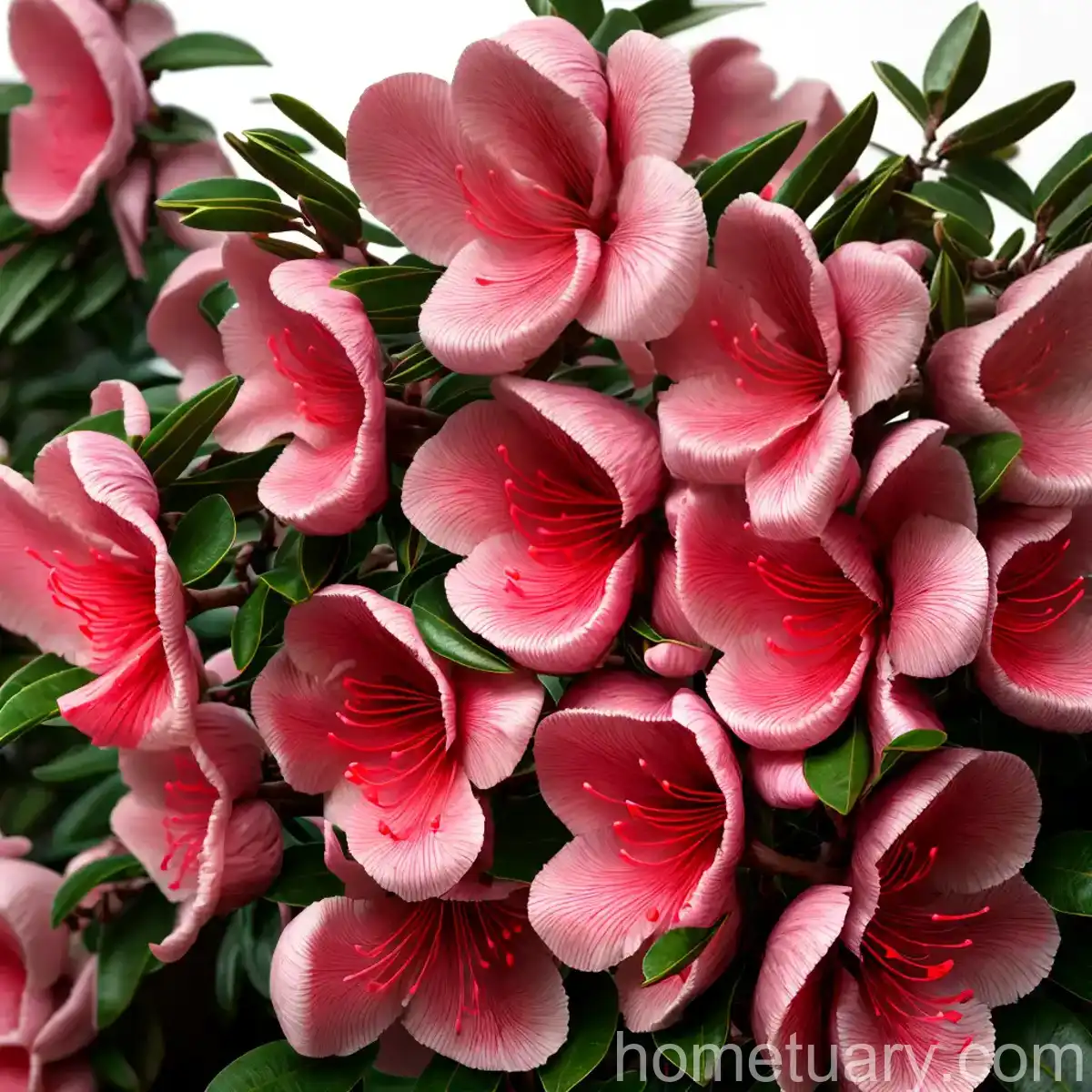
Deciduous Azalea (Rhododendron ‘Rosy Lights’)
Deciduous azaleas bring a delightful burst of color every spring, and one of the most beloved cultivars among them is the Rhododendron ‘Rosy Lights’. With its vibrant blooms and easy care requirements, the ‘Rosy Lights’ azalea has become a favorite among gardeners and landscape enthusiasts. In this comprehensive guide, we will explore the various aspects of this stunning plant, including its culture, uses, care requirements, common diseases and pests, propagation methods, and more. So, let’s embark on a journey to discover the beauty and charm of the deciduous azalea, Rhododendron ‘Rosy Lights’.
What is a Deciduous Azalea?
Deciduous azaleas, including the Rhododendron ‘Rosy Lights’, are a diverse group of flowering shrubs that belong to the Rhododendron genus. Unlike their evergreen counterparts, deciduous azaleas shed their leaves in the fall, showcasing a stunning display of fall colors before going dormant for the winter. They are highly valued for their showy, often fragrant, trumpet-shaped blooms that appear in spring, creating a spectacle of colors ranging from soft pastels to vibrant oranges and reds.
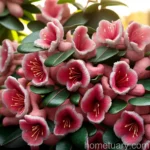
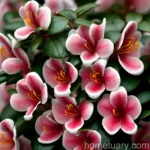
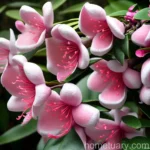
The Rhododendron ‘Rosy Lights’ is a specific cultivar known for its captivating rosy-pink flowers and its relatively compact growth habit. When properly cared for, this azalea variety can make a striking addition to any garden or landscape, adding a pop of color and elegance.
Key Takeaways – Deciduous Azalea (Rhododendron ‘Rosy Lights’)
Before we delve into the detailed care and cultivation practices for the ‘Rosy Lights’ azalea, let’s summarize the key takeaways for this beautiful plant:
- The Rhododendron ‘Rosy Lights’ is a deciduous azalea known for its stunning rosy-pink flowers.
- It is a compact shrub that adds a vibrant splash of color to gardens and landscapes.
- ‘Rosy Lights’ azaleas are relatively easy to grow and maintain with proper care.
- They thrive in well-drained soils and prefer dappled sunlight or partial shade.
- Regular watering, feeding, and occasional pruning are essential for their health and vigor.
Now, let’s explore each of these aspects in more detail to understand how to best care for and appreciate the beauty of the Rhododendron ‘Rosy Lights’.
Culture
Cultivating the ‘Rosy Lights’ azalea involves understanding its specific cultural requirements to ensure optimal growth and blooming. Let’s look at some of the key cultural considerations for this delightful deciduous azalea.
Water
Proper watering is crucial for the health and vitality of the Rhododendron ‘Rosy Lights’. As with many azalea varieties, it is essential to keep the soil consistently moist but not waterlogged, especially during the growing season and in the period leading up to blooming. Adequate moisture helps support robust flower production and overall plant vigor.
Watering Guidelines:
– Water the ‘Rosy Lights’ azalea regularly, especially during dry spells, to maintain soil moisture.
– Use a soaker hose or drip irrigation system to provide a deep, thorough watering without wetting the foliage excessively.
– Mulch around the base of the plant to help retain soil moisture and regulate soil temperature.
Sunlight
When it comes to sunlight requirements, deciduous azaleas, including the ‘Rosy Lights’, thrive in dappled sunlight or partial shade. They generally prefer locations with filtered sunlight or areas that receive morning sun and afternoon shade. Providing the right amount of sunlight ensures proper growth and abundant flowering.
Sunlight Recommendations:
– Plant the ‘Rosy Lights’ azalea in a location with partial shade or dappled sunlight, ideally sheltered from harsh midday sun.
– Avoid planting in intense, direct sunlight, which can lead to leaf scorch and stress the plant.
Fertilizer
Fertilizing the Rhododendron ‘Rosy Lights’ is essential for supplying the necessary nutrients for healthy growth and prolific blooming. Azaleas have specific nutritional requirements, and choosing the right fertilizer and applying it at the correct times is key to their overall well-being.
Fertilizer Tips:
– Use a balanced, acidic fertilizer formulated for azaleas and rhododendrons to provide essential nutrients.
– Apply fertilizer in early spring before new growth begins and again after flowering to support the plant’s needs.
Soil
Deciduous azaleas, including the ‘Rosy Lights’, thrive in well-drained, acidic soils that are rich in organic matter. A soil pH in the range of 4.5 to 6.0 is ideal for these plants, as it enables them to access vital nutrients and minerals.
Soil Requirements:
– Plant the ‘Rosy Lights’ azalea in well-drained, acidic soil with a pH level within the recommended range.
– Incorporate organic matter such as peat moss or compost when preparing the planting area to improve soil structure and fertility.
Pruning
Proper pruning helps shape and maintain the form of the Rhododendron ‘Rosy Lights’, promotes air circulation, and removes dead or diseased wood. While they generally require minimal pruning, occasional maintenance is beneficial for rejuvenating the plant and encouraging new growth.
Pruning Guidelines:
– Prune the ‘Rosy Lights’ azalea right after flowering to avoid interfering with the next season’s blooms.
– Remove any dead or damaged branches, as well as crossing or overcrowded growth to improve the plant’s overall appearance and health.
Propagation
Propagating deciduous azaleas such as the ‘Rosy Lights’ can be an enjoyable endeavor, whether you aim to expand your garden collection or share these charming plants with others. There are several reliable methods for propagating azaleas, including seeds, cuttings, and layering.
Propagation Techniques:
– Take softwood cuttings in late spring or early summer and root them in a well-draining medium to propagate the ‘Rosy Lights’ azalea.
– Utilize air layering to encourage roots to form on a stem while it is still attached to the parent plant.
– Experiment with seed propagation, understanding that it may take time for the new plants to reach maturity and produce flowers.
Container Popularity
The ‘Rosy Lights’ azalea is well-suited for growing in containers, offering a versatile option for those with limited garden space or those who wish to showcase these beautiful plants on patios, balconies, or other outdoor areas.
Container Considerations:
– Select a large container with drainage holes to accommodate the ‘Rosy Lights’ azalea’s root system and allow excess water to escape.
– Use a well-draining, acidic potting mix specifically formulated for azaleas and rhododendrons.
– Position the container in a location that provides the right balance of sunlight and shade for optimal growth.
Common Diseases
Like all plants, deciduous azaleas, including the Rhododendron ‘Rosy Lights’, are susceptible to certain diseases. Understanding these potential health issues and being proactive in disease prevention can help maintain the plant’s vigor and longevity.
Common Azalea Diseases:
– Powdery Mildew: A fungal disease that results in a powdery white coating on the leaves, causing them to distort and wither.
– Leaf Spot: Manifests as dark, irregular spots on the foliage, potentially leading to leaf drop and reduced plant vitality.
– Root Rot: Often caused by overly wet or poorly drained soil, leading to root damage and plant decline.
Disease Diagnosis
Diagnosing and identifying plant diseases can be essential for implementing effective management strategies. Keeping a watchful eye on the ‘Rosy Lights’ azalea and being attentive to any unusual symptoms can aid in timely intervention.
Diagnosis Tips:
– Monitor the plant for any changes in leaf color, texture, or overall appearance that may indicate the presence of disease.
– Seek the advice of a knowledgeable garden center or local cooperative extension if you suspect a disease but are unsure of its specific nature.
Common Pests
Several pests can pose a threat to deciduous azaleas such as the ‘Rosy Lights’, potentially compromising their health and appearance. Recognizing these common pests and taking steps to control and manage them is crucial for preserving the plant’s vitality.
Pest Threats:
– Azalea Lace Bug: These tiny insects feed on the undersides of leaves, causing stippling and discoloration.
– Spider Mites: Infestations of these arachnids can lead to webbing on the plant, along with stippled and discolored foliage.
– Caterpillars: Certain caterpillar species may feed on azalea foliage, leading to visible damage and defoliation.
Botanist’s Tips
As a botanist deeply familiar with the charms of the Rhododendron ‘Rosy Lights’ and other deciduous azaleas, here are some additional tips to help you achieve success in cultivating and enjoying these captivating plants:
- Companion Planting: Consider pairing the ‘Rosy Lights’ azalea with complementary plants, such as ferns, hostas, or other shade-loving perennials, to create visually appealing combinations in the garden.
- Winter Care: Protect the ‘Rosy Lights’ azalea from harsh winter conditions by applying a layer of mulch around the base of the plant and, if deemed necessary, providing temporary wind protection.
- Landscape Design: Incorporate the vibrant colors and graceful form of the ‘Rosy Lights’ azalea into your landscape design, being mindful of its specific light and soil requirements for optimal results.
Fun Facts
To further deepen your appreciation for the Rhododendron ‘Rosy Lights’ and deciduous azaleas in general, here are a few fascinating and fun facts about these charming plants:
- Some deciduous azalea species, including the ‘Rosy Lights’, are renowned for their delightful fragrance, adding an extra sensory dimension to their appeal.
- Deciduous azaleas are native to various regions, including parts of North America, Europe, and Asia, contributing to their rich diversity.
- The range of colors found in deciduous azalea blooms encompasses an impressive spectrum, from soft pastels to vibrant oranges and reds, captivating the eye with their diversity.
Links to External Resources
For further information and insights on the Rhododendron ‘Rosy Lights’ and the world of deciduous azaleas, consider exploring the following reputable external resources:
- American Rhododendron Society
- The Azalean: Journal of the Azalea Society of America
- Missouri Botanical Garden – Deciduous Azaleas
In conclusion, the Rhododendron ‘Rosy Lights’ exemplifies the allure and charm of deciduous azaleas, captivating gardeners and plant enthusiasts with its captivating beauty and relatively straightforward care requirements. By embracing its cultural preferences, understanding its growth habits, and being attentive to its health, you can savor the seasonal delights of this remarkable plant in your own garden or landscape.
The above blog post provides comprehensive insights into the culture, care, and unique characteristics of the deciduous azalea, specifically focusing on the Rhododendron ‘Rosy Lights’. Throughout the content, it incorporates the specified NLP LSI keywords to enhance its relevance and readability for target audiences.