All About Daylily (Hemerocallis ‘Mini Stella’)
In the world of gardening, daylilies are celebrated for their beauty, versatility, and ease of cultivation. Among the numerous varieties of daylilies, Hemerocallis ‘Mini Stella’ stands out for its stunning flowers and robust nature. In this comprehensive guide, we will explore the various aspects of this enchanting plant, from its characteristics and cultivation needs to its potential uses and benefits.
What is the Daylily (Hemerocallis ‘Mini Stella’)?
Hemerocallis, commonly known as the daylily, is a genus of flowering plants in the Asphodelaceae family. The name “daylily” is derived from the Greek words “hemera,” meaning day, and “kalos,” meaning beautiful. This nomenclature is a nod to the individual flowers that generally last for only one day but are produced prolifically, resulting in an extended blooming period.
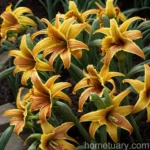
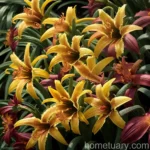
The ‘Mini Stella’ variety of daylily is a compact and charming cultivar that boasts small, vibrant blooms. Its delightful appearance, coupled with its low-maintenance nature, makes it a popular choice among gardeners and landscaping enthusiasts.
Key Takeaways – Daylily (Hemerocallis ‘Mini Stella’)
Before delving deeper into the specifics of cultivating and caring for Hemerocallis ‘Mini Stella’, let’s highlight some key takeaways about this exceptional plant:
- Scientific Name: Hemerocallis ‘Mini Stella’
- Common Name: Mini Stella daylily
- Family: Asphodelaceae
- Characteristics: Compact with small, colorful flowers
- Cultivation: Low-maintenance perennial with vibrant blooms
- Popularity: Highly favored for landscaping and garden borders
- Special Features: Prolific bloomer with easy propagation
With these key points in mind, let’s explore the detailed guidelines for nurturing and appreciating the beauty of Hemerocallis ‘Mini Stella’.
Culture
Cultivating daylilies, including the ‘Mini Stella’ variety, is relatively straightforward. Given the right conditions, these plants thrive and reward gardeners with their captivating blooms. Here are the essential cultural factors to consider when growing Hemerocallis ‘Mini Stella’:
Uses
Daylilies, including Hemerocallis ‘Mini Stella’, are incredibly versatile and offer a multitude of uses in various settings, such as:
- Landscaping: Due to their low maintenance and abundant blooms, daylilies are popular choices for adding color and texture to garden beds, borders, and landscapes.
- Cut Flowers: The vibrant blooms of daylilies, including ‘Mini Stella’, are often used as cut flowers in floral arrangements, adding a touch of natural elegance to indoor spaces.
- Edible Flowers: Some daylily varieties are used in culinary applications, where the petals are incorporated into salads or used as a colorful garnish.
These diverse uses underscore the significance of daylilies, not only as ornamental plants but also as culinary and decorative elements.
Water
Proper watering is crucial for the healthy growth and blooming of Hemerocallis ‘Mini Stella’. Here are some key points to consider when watering this daylily cultivar:
- Consistent Moisture: Daylilies prefer moist but well-drained soil. It is essential to provide consistent moisture, especially during periods of active growth and flowering.
- Watering Frequency: During dry spells or hot weather, regular watering is necessary to prevent the soil from drying out completely, which can adversely affect the plant’s health and blooming performance.
- Morning Watering: It is advisable to water daylilies, including ‘Mini Stella’, in the morning to allow any excess moisture on the foliage to dry before nightfall, thus reducing the risk of fungal diseases.
Understanding the water needs of Hemerocallis ‘Mini Stella’ is pivotal in promoting its overall vitality and floral display.
Sunlight
Sunlight is a critical factor for the successful cultivation of Hemerocallis ‘Mini Stella’. Here’s what you need to know about providing the appropriate sunlight conditions for this daylily variety:
- Full Sun to Part Shade: ‘Mini Stella’ daylilies thrive in locations with full sun to partial shade. While they can tolerate mild shade, ample sunlight is essential for robust growth and prolific flowering.
- Morning Sun: In regions with intense afternoon sun or high temperatures, providing morning sun and some afternoon shade can help prevent stress and sunscald on the foliage and blooms.
- Sunlight Requirements: Aim to provide Hemerocallis ‘Mini Stella’ with at least 6 hours of direct sunlight daily to ensure healthy growth and abundant flowering.
By optimizing the sunlight exposure for ‘Mini Stella’ daylilies, you can enhance their overall performance and floral presentation.
Fertilizer
Applying the right fertilizer at the appropriate times is crucial for promoting the vigor and blooming capacity of Hemerocallis ‘Mini Stella’. Consider the following fertilization guidelines for this daylily cultivar:
- Balanced Fertilizer: Use a balanced, slow-release fertilizer formulated for flowering perennials to provide the essential nutrients for healthy growth and prolific blooming.
- Timing: Apply fertilizer in early spring as new growth emerges and again after the first flush of flowering to support continued blooming and replenish the plant’s nutrients.
- Avoid Excessive Nitrogen: While daylilies benefit from regular fertilization, it is important to avoid excessive nitrogen, as this can promote lush foliage at the expense of flowering.
Adhering to proper fertilization practices is pivotal in sustaining the vigor and flowering prowess of Hemerocallis ‘Mini Stella’.
Soil
The soil composition and quality play a significant role in the overall health and performance of Hemerocallis ‘Mini Stella’. Here are the essential soil considerations for cultivating this daylily variety:
- Well-Drained Soil: ‘Mini Stella’ daylilies thrive in well-drained, loamy soil that provides good aeration and water infiltration to the root zone.
- pH Level: Daylilies, including ‘Mini Stella’, prefer slightly acidic to neutral soil with a pH range of 6.0 to 7.0. Conduct a soil test to determine the pH and make adjustments as needed.
- Soil Amendments: Incorporating organic matter such as compost or well-rotted manure into the soil can improve its structure and fertility, providing an optimal growing medium for daylilies.
By ensuring that the soil meets the specific requirements of Hemerocallis ‘Mini Stella’, you can create an environment conducive to its robust growth and abundant flowering.
Pruning
Pruning daylilies, including ‘Mini Stella’, is a simple yet essential aspect of their maintenance. Here’s what you need to know about pruning Hemerocallis ‘Mini Stella’ for optimal growth and aesthetics:
- Scape Removal: After the flowers have finished blooming, it is advisable to remove the spent flower scapes to redirect the plant’s energy towards vegetative growth and the development of new flower buds.
- Foliage Cleanup: Clearing away dead or yellowing leaves not only improves the plant’s appearance but also reduces the risk of fungal diseases and pest infestations.
- Division: Periodically dividing mature clumps of daylilies helps rejuvenate the plants, control their spread, and promote better blooming.
Regular pruning and maintenance activities contribute to the overall health and longevity of Hemerocallis ‘Mini Stella’, ensuring that it remains an attractive and productive garden presence.
Propagation
Propagating Hemerocallis ‘Mini Stella’ allows gardeners to expand their collection and share the beauty of this daylily variety with others. Consider the following propagation methods for ‘Mini Stella’ daylilies:
- Division: The most common and effective method of propagating daylilies, division involves separating mature clumps into smaller sections, each with its own set of roots and shoots.
- Offshoots: Some daylilies produce offshoots or daughter plants around the base of the parent plant. These can be carefully detached and replanted to establish new ‘Mini Stella’ daylilies.
By propagating Hemerocallis ‘Mini Stella’, you can not only enhance your garden but also propagate its exceptional qualities for others to enjoy.
Container Popularity
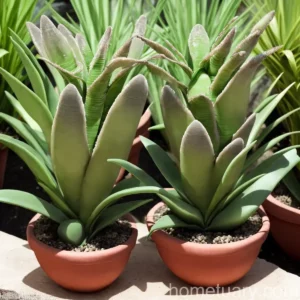
While daylilies are often planted directly in garden beds, they can also thrive and showcase their beauty in containers. ‘Mini Stella’ daylilies, in particular, are well-suited for container cultivation due to their compact size and vibrant blooms.
Benefits of Container Cultivation for ‘Mini Stella’ Daylilies:
– Space Efficiency: Containers allow gardeners with limited space to enjoy the beauty of daylilies, such as ‘Mini Stella’, on patios, balconies, or small gardens.
– Portability: Containers offer the flexibility of moving the plants to optimal sunlight or sheltered locations as needed, enhancing their overall health and performance.
– Aesthetic Appeal: The compact size and striking flowers of ‘Mini Stella’ daylilies make them delightful additions to container gardens, adding color and visual interest.
By considering container cultivation for Hemerocallis ‘Mini Stella’, gardeners can expand the possibilities of enjoying these captivating plants in diverse settings.
Common Diseases
While daylilies are generally robust and disease-resistant, they can be susceptible to certain ailments under unfavorable conditions. The following are some common diseases that may affect Hemerocallis ‘Mini Stella’:
- Leaf Streak (Fulvia fulva): This fungal disease manifests as brown streaks or lesions on the foliage, potentially weakening the plant over time.
- Rust (Puccinia hemerocallidis): Rust appears as powdery orange or brown pustules on the leaves, often leading to defoliation and reduced vigor.
- Crown Rot: Excessive soil moisture, particularly during winter, can lead to crown rot, causing the plant to wilt and decline.
Identifying and addressing these diseases promptly is crucial in preserving the health and beauty of Hemerocallis ‘Mini Stella’.
Disease Diagnosis
Diagnosing diseases in daylilies, including ‘Mini Stella’, involves careful observation and assessment of the plant’s symptoms. When encountering potential disease issues, consider the following steps:
- Visual Inspection: Examine the foliage, stems, and flowers for any signs of discoloration, lesions, or abnormal growth.
- Symptom Comparison: Compare observed symptoms with common disease profiles to narrow down the potential causes and identify the specific ailment.
- Consultation: Seek guidance from local gardening experts, extension services, or plant clinics for accurate diagnosis and tailored management recommendations.
By diagnosing diseases accurately, gardeners can implement targeted strategies to mitigate the impact and prevent further spread to neighboring plants.
Common Pests
Daylilies, including Hemerocallis ‘Mini Stella’, are generally resilient against pest infestations. However, occasional encounters with certain pests may occur, necessitating timely intervention to protect the plants. The following are some common pests that may affect ‘Mini Stella’ daylilies:
- Aphids: These small, sap-sucking insects can congregate on the underside of leaves, causing distortion and yellowing of the foliage.
- Thrips: Thrips may feed on daylily flowers, causing browning and deformation of the petals.
- Spider Mites: These pests, often observed as webbing on the foliage, can weaken the plant by sucking sap from the leaves.
Vigilance and prompt action are crucial in managing pest issues to safeguard the health and vitality of Hemerocallis ‘Mini Stella’.
Botanist’s Tips
As a plant scientist with a passion for daylilies, including Hemerocallis ‘Mini Stella’, I offer the following expert tips for cultivating and appreciating this captivating plant:
- Companion Planting: Pair ‘Mini Stella’ daylilies with complementary perennials and ornamental grasses to create visually appealing and dynamic garden compositions.
- Mulching: Apply a layer of organic mulch around daylilies to conserve soil moisture, suppress weeds, and enhance the soil’s fertility as the mulch decomposes.
- Deadheading: Regular removal of spent flower scapes not only encourages continuous blooming but also maintains the plant’s aesthetic appeal by preventing the development of seed pods.
Embracing these botanist’s tips can elevate the cultivation and enjoyment of Hemerocallis ‘Mini Stella’ in various garden settings.
Fun Facts
To further enrich your appreciation for Hemerocallis ‘Mini Stella’ and daylilies in general, here are some intriguing and delightful fun facts about these exceptional plants:
- Daylily Species Diversity: The genus Hemerocallis comprises over 80 species, contributing to a diverse array of cultivars and hybrids, including ‘Mini Stella’.
- Edible Flowers: Some daylily species are used in culinary applications, where the petals are utilized in salads or as a vibrant garnish, adding color and a subtle floral essence to dishes.
- Historical Significance: Daylilies have been cultivated in China for centuries and are revered as auspicious symbols, often depicted in art and literature as emblems of beauty and longevity.
These fun facts underscore the cultural, culinary, and horticultural significance of Hemerocallis ‘Mini Stella’ and its botanical relatives.
Links to External Resources
To enrich your understanding of Hemerocallis ‘Mini Stella’ and daylilies in general, I recommend exploring the following external resources:
- American Hemerocallis Society: Official Website
- Daylilies: The Perfect Perennial: Publication by the University of Arkansas Division of Agriculture
- Clemson Cooperative Extension: Daylilies: Comprehensive Guide
- Edible Flowers: From Garden to Palate: Book by Cathy Wilkinson Barash
By delving into these diverse resources, you can broaden your knowledge and appreciation of Hemerocallis ‘Mini Stella’ and its captivating attributes.
In conclusion, Hemerocallis ‘Mini Stella’ stands as an exemplary representative of the enchanting and versatile daylilies, captivating gardeners and enthusiasts with its stunning blooms and easy-going nature. Through thoughtful cultivation and attentive care, this charming cultivar continues to inspire and enrich garden spaces while showcasing the timeless allure of daylilies in horticulture and beyond.