Daylily (Hemerocallis ‘Double Doodah’)
The daylily, scientifically known as Hemerocallis ‘Double Doodah’, is a perennial flowering plant that belongs to the Hemerocallidaceae family. This.
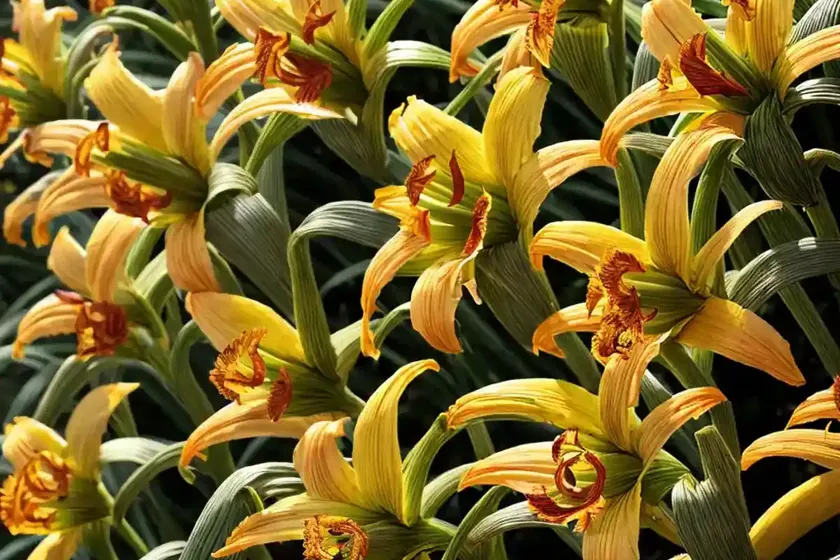
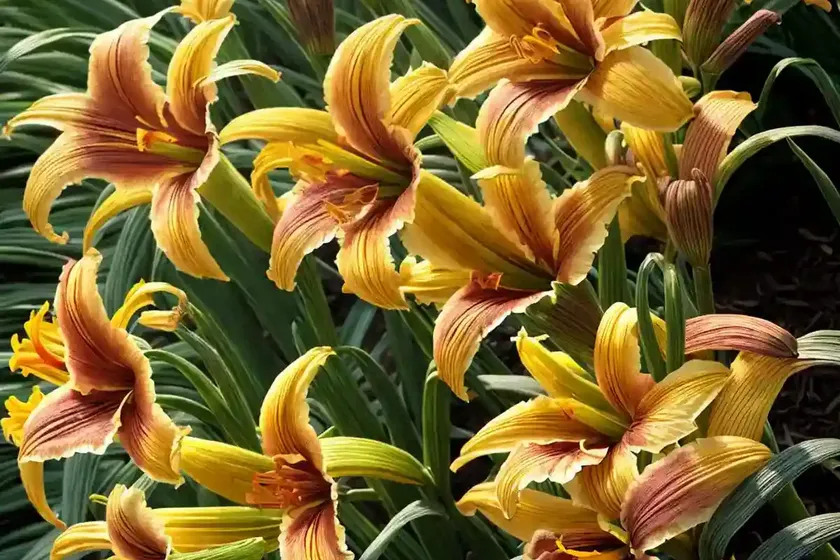
The daylily, scientifically known as Hemerocallis ‘Double Doodah’, is a perennial flowering plant that belongs to the Hemerocallidaceae family. This beautiful plant is beloved by gardeners for its ease of care, wide range of colors, and ability to thrive in various climates and soil conditions. In this comprehensive guide, I will delve into the various aspects of the daylily, including its culture, uses, care requirements, propagation, common diseases, and much more.
What is a Daylily (Hemerocallis ‘Double Doodah’)?
The daylily is a flowering plant renowned for its stunning, trumpet-shaped blooms that exhibit a wide array of colors, ranging from vibrant oranges and reds to soft pinks and whites. The scientific name Hemerocallis is derived from the Greek words “hēmera,” which means day, and “kalos,” which means beautiful, alluding to the ephemeral beauty of each flower, which typically lasts for just one day.
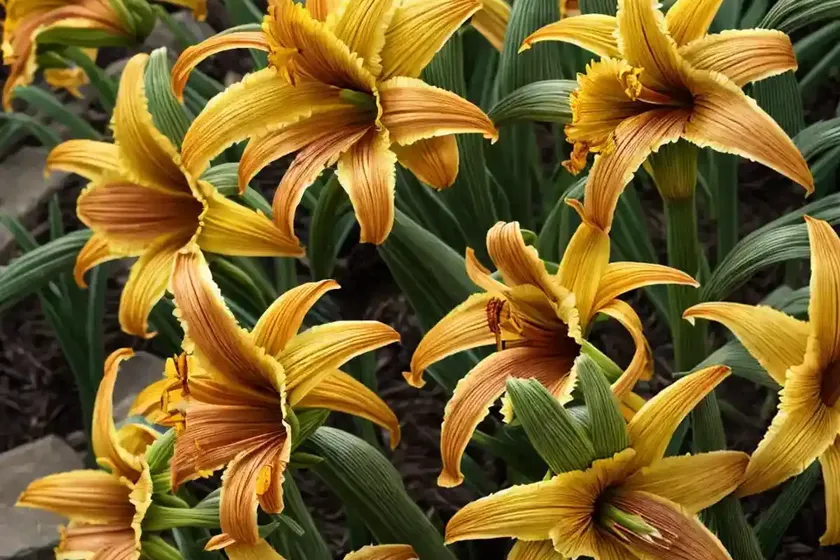
‘Hemerocallis ‘Double Doodah’ is a specific cultivar of the daylily that is cherished for its frilly, double blooms and its striking coloration. This variety features ruffled petals in a captivating blend of warm apricot tones, making it an enchanting addition to any garden or landscape.
Key Takeaways – Daylily (Hemerocallis ‘Double Doodah’)
Before delving into the specifics of daylily care and cultivation, here are the key takeaways regarding the Hemerocallis ‘Double Doodah’:
- Plant Name: Hemerocallis ‘Double Doodah’
- Plant Type: Perennial flowering plant
- Foliage: Herbaceous
- Flower Color: Apricot tones
- Growth Habit: Clumping
- Bloom Time: Mid to late summer
- Hardiness Zones: 3 to 9
- Mature Height: 18 to 24 inches
- Uses: Landscaping, borders, containers
Now, let’s explore the various aspects of caring for and growing the daylily ‘Double Doodah’.
Culture
Uses
The daylily ‘Double Doodah’ is a versatile plant with a multitude of uses in landscaping and gardening. Some common uses include:
- Landscaping: Daylilies are commonly used as ornamental plants in landscapes, adding vibrant hues and diverse shapes to garden beds and borders.
- Borders: Their clumping habit and showy blooms make daylilies ideal for creating borders along walkways, fences, and garden beds.
- Containers: Due to its compact growth habit, Hemerocallis ‘Double Doodah’ can thrive in containers, adding a pop of color to patios, balconies, and deck spaces.
Water
Daylilies are relatively drought-tolerant plants, making them suitable for various climate conditions. However, regular watering is essential during the initial establishment and flowering periods. As a general guideline, water the plants deeply once a week, ensuring the soil is moist but not waterlogged. In exceptionally dry or hot climates, additional watering may be necessary to maintain optimal growth and flowering.
Sunlight
Hemerocallis ‘Double Doodah’ thrives in full sun to partial shade conditions. To ensure vigorous growth and prolific flowering, provide the plant with at least six hours of direct sunlight daily. In warmer regions, some afternoon shade can help protect the plant from excessive heat and prolong the longevity of its blooms.
Fertilizer
Proper fertilization is key to supporting the growth and blooming of daylilies. Use a balanced, slow-release fertilizer formulated for flowering perennials in early spring, before new growth emerges. Additionally, a light application of balanced fertilizer in midsummer can help sustain the plant’s vitality and promote consistent blooming throughout the season.
Soil
Daylilies are adaptable to a wide range of soil types, but they truly thrive in well-draining, loamy soils with a slightly acidic to neutral pH range (6.0 to 7.0). Prior to planting, amend the soil with organic matter, such as compost or aged manure, to enhance its fertility and structure. Good soil preparation plays a crucial role in establishing healthy daylily plants with robust root systems.
Pruning
Pruning daylilies, including the ‘Double Doodah’ variety, is relatively low-maintenance. Deadheading, or the removal of spent blooms, is beneficial for promoting continuous flowering and preventing the plant from directing its energy into seed production. Additionally, as the flowering period comes to an end, trimming back the foliage to ground level can tidy up the plant and prepare it for the dormant season.
Propagation
Propagating daylilies can be accomplished through various methods, such as division, seed starting, and tissue culture. However, the most common and efficient means of propagation is through division, which involves separating the plant’s crown and rhizomes to create new, individual plants. Here’s a simple guide to propagating daylilies through division:
- Timing: The ideal time for division is during the early spring or in the fall, after the flowering season.
- Preparation: Water the daylily thoroughly a day before division to ensure the soil is adequately moist. Prepare the new planting site with well-amended soil.
- Division: Using a sharp, clean knife or garden spade, carefully lift the clump of daylilies from the ground. Gently shake off excess soil to expose the rhizomes and roots. Identify natural divisions within the clump, and using the knife, separate them into individual sections, ensuring each division has several healthy shoots and a intact root system.
- Planting: Replant the divisions at the desired location, ensuring the crown is positioned at the soil level and the roots are spread outwards within the planting hole. Water the newly divided plants thoroughly to reduce transplant shock and encourage rapid establishment.
Container Popularity
The compact size and vibrant blooms of the daylily ‘Double Doodah’ make it a popular choice for container gardening. When selecting a container for this plant, opt for a medium-sized pot with adequate drainage holes to prevent waterlogging. Use a well-draining potting mix rich in organic matter for optimal growth and flowering. Additionally, containers allow for greater flexibility in showcasing the daylily’s beauty on patios, balconies, and other outdoor spaces.
Common Diseases
Daylilies are generally resistant to diseases, but they may occasionally encounter certain fungal and bacterial issues, particularly in humid and poorly ventilated conditions. Some common diseases affecting daylilies include:
- Foliar Nematodes: These microscopic pests can cause discoloration, distortion, and dieback of the foliage. To manage foliar nematodes, avoid overhead watering, promptly remove and destroy infected leaves, and consider incorporating beneficial nematode-resistant cultivars.
- Crown Rot: Excessive moisture and poor drainage can lead to crown rot, characterized by wilting, yellowing, and eventual collapse of the plant. To prevent crown rot, ensure proper soil drainage, keep the area around the plant free of debris, and avoid overwatering.
- Leaf Streak: This fungal disease manifests as brown, yellow, or gray streaks on the foliage, diminishing the plant’s aesthetic appeal. Minimize leaf streak by promoting good air circulation, spacing plants appropriately, and removing infected leaves to curb the spread of the disease.
Disease Diagnosis
Diagnosing diseases in daylilies involves careful observation of the plant’s symptoms, such as leaf discoloration, wilting, and abnormal growth patterns. If disease symptoms are observed, it’s essential to accurately identify the issue to implement targeted management strategies. Additionally, sending a sample to a diagnostic laboratory or seeking guidance from local agricultural extension services can provide expert assistance in disease diagnosis and management.
Common Pests
While daylilies are relatively resistant to pests, they may encounter occasional issues with aphids, thrips, and spider mites. These pests can cause damage to the foliage and blooms, leading to aesthetic degradation and reduced plant vigor. To manage common pests in daylilies, consider implementing the following strategies:
- Natural Predators: Encourage beneficial insects, such as ladybugs and lacewings, that feed on aphids and thrips, helping to naturally control pest populations.
- Spraying: Use a targeted insecticidal soap or neem oil spray to deter and manage small pest infestations. Ensure thorough coverage of the foliage, including the undersides of leaves where pests often congregate.
Botanist’s Tips
To ensure the successful cultivation of Hemerocallis ‘Double Doodah’ and other daylily varieties, consider the following expert tips:
- Mulching: Apply a layer of organic mulch, such as shredded bark or compost, around the base of the plant to conserve soil moisture, suppress weed growth, and moderate soil temperature.
- Dividing Regularly: Divide mature daylily clumps every three to four years to rejuvenate the plants, enhance blooming, and prevent overcrowding.
- Winter Protection: In regions with harsh winters, provide a layer of mulch or straw around the base of the plant to insulate the roots and protect them from freezing temperatures.
Fun Facts
- Daylilies are not true lilies; they belong to the genus Hemerocallis and are not directly related to the Lilium genus, which comprises true lilies.
- The name “daylily” is derived from the plant’s characteristic of flowering for just one day, with each bloom typically lasting from dawn until dusk.
- In addition to its ornamental value, daylilies have a history of culinary use, with certain species and cultivars being utilized in various cuisines, particularly in East Asian cooking.
Links to External Resources
For additional information on daylily care, varieties, and cultivation, explore the following external resources:
- American Hemerocallis Society – Daylily Cultivation Guide
- The Daylily Dictionary – Comprehensive Daylily Encyclopedia
- University of Missouri Extension – Growing Daylilies in Missouri
By providing insights into the culture, care, and propagation of Hemerocallis ‘Double Doodah’, this guide aims to empower both novice and experienced gardeners with the knowledge to cultivate and appreciate the timeless beauty of daylilies. Whether adorning garden beds or brightening up containers, the captivating blooms and resilient nature of these plants make them an indispensable addition to any garden landscape.