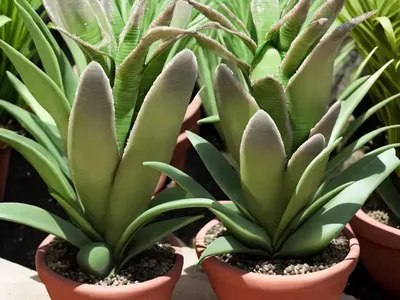
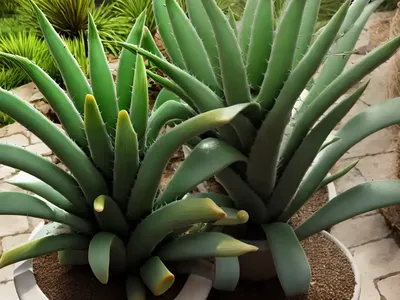
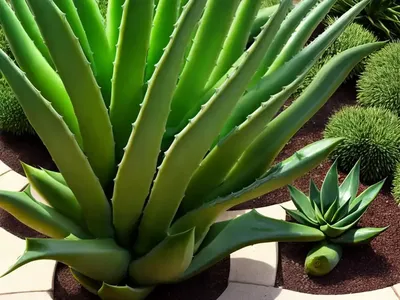
Daylily (Hemerocallis ‘Pink Lavender Appeal’)
The daylily, scientifically known as Hemerocallis, is a beloved perennial plant admired for its colorful and diverse array of flowers. The name “daylily”.
What is a Daylily?
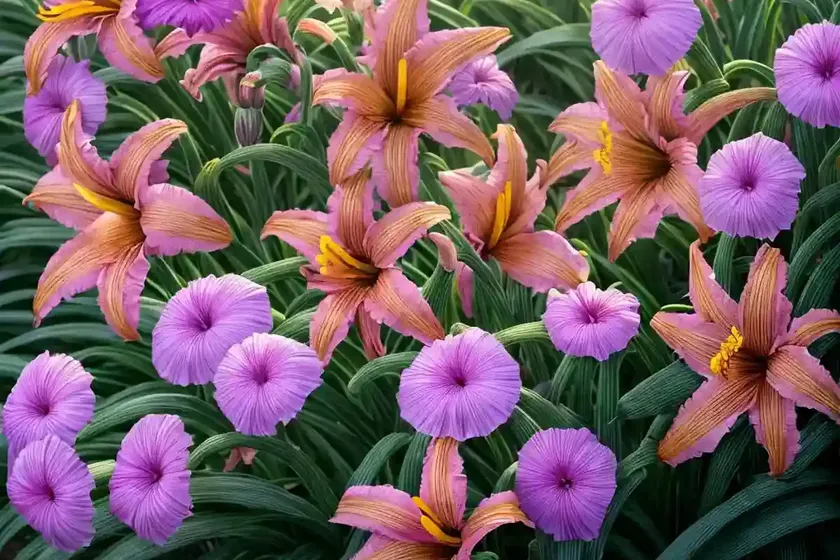
The daylily, scientifically known as Hemerocallis, is a beloved perennial plant admired for its colorful and diverse array of flowers. The name “daylily” is derived from the Greek words “hemera” meaning “day” and “kallos” meaning “beauty,” referring to the individual flowers that last for only one day. However, each daylily stem typically produces multiple flower buds, ensuring a prolonged and vibrant display of blooms during its flowering period.
Hemerocallis ‘Pink Lavender Appeal’
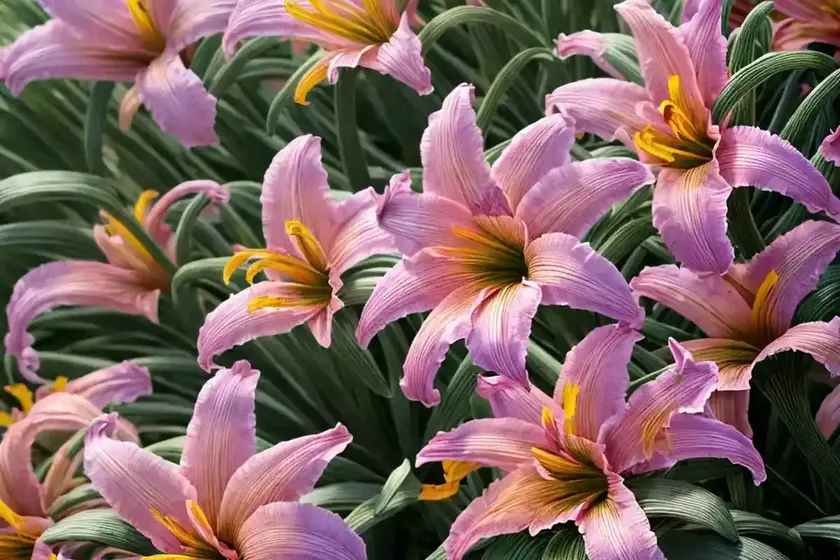
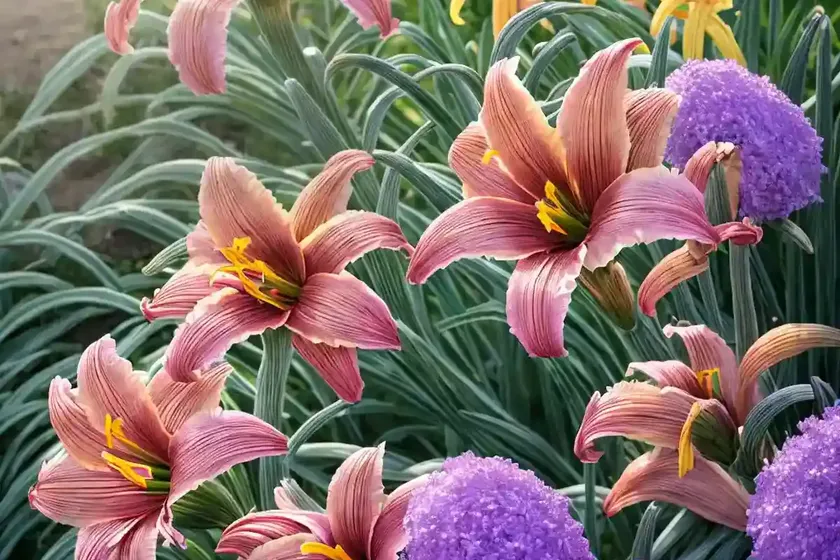
Hemerocallis ‘Pink Lavender Appeal’ is a specific cultivar known for its captivating and delicate pink and lavender-hued flowers. This daylily variety boasts stunning blooms that add a graceful charm to any garden or landscape. In this comprehensive guide, we will delve into the essential aspects of caring for and cultivating Hemerocallis ‘Pink Lavender Appeal’ and other daylily varieties.
Key Takeaways – Daylily (Hemerocallis ‘Pink Lavender Appeal’)
Before we dive into the specifics of care and cultivation, let’s highlight the key takeaways of cultivating daylilies, particularly the Hemerocallis ‘Pink Lavender Appeal’ variety.
-
Daylilies, including Hemerocallis ‘Pink Lavender Appeal’, are versatile and resilient perennial plants that thrive in various climates and soil conditions.
-
They are prized for their prolific and vibrant blooms, bringing an abundance of color to gardens and landscapes.
-
Daylilies are low-maintenance, making them an ideal choice for both novice and experienced gardeners.
Culture
Cultivating daylilies, including the enchanting Hemerocallis ‘Pink Lavender Appeal’, involves understanding their specific cultural requirements. This encompasses the plant’s preferred growing conditions, environmental needs, and overall care regimen.
Uses
Daylilies serve multiple purposes in garden settings, ranging from ornamental displays to culinary and medicinal uses. Let’s explore some common applications of daylilies beyond their aesthetic appeal:
-
Ornamental Use: Daylilies are primarily grown for their ornamental value, adorning gardens, borders, and landscapes with their vibrant flowers.
-
Culinary Delicacy: Certain daylily species, such as Hemerocallis fulva, are used in culinary preparations, where the edible flowers are incorporated into various dishes.
-
Medicinal and Herbal Applications: In traditional medicine, certain parts of the daylily plant are utilized for their perceived medicinal properties.
Water
Proper watering is critical to the health and vitality of daylilies, ensuring optimal growth and abundant blooming. Understanding the water requirements of Hemerocallis ‘Pink Lavender Appeal’ and other daylily varieties is essential for their well-being.
-
Consistent Moisture: Daylilies thrive in well-drained soil with consistent moisture levels. Adequate watering, especially during dry spells, is crucial for robust growth and prolific flowering.
-
Avoid Waterlogging: While daylilies require regular watering, it is important to prevent waterlogged conditions, which can lead to root rot and other detrimental issues.
Sunlight
Sunlight plays a pivotal role in the growth and blooming of daylilies. Understanding the sunlight preferences of Hemerocallis ‘Pink Lavender Appeal’ and other daylily varieties is essential for creating an optimal growing environment.
-
Full Sun to Partial Shade: Daylilies generally prefer full sun, thriving in locations with adequate sunlight. However, they can also tolerate partial shade, especially in regions with intense summer heat.
-
Morning Sun, Afternoon Shade: In warmer climates, providing morning sun and afternoon shade can help prevent sunscald and conserve moisture, promoting healthier foliage and blooms.
Fertilizer
Effective fertilization is key to promoting vigorous growth and prolific flowering in daylilies. Understanding the appropriate fertilization practices for Hemerocallis ‘Pink Lavender Appeal’ and other daylily varieties is essential for nurturing healthy plants.
-
Balanced Fertilizer: Applying a balanced, slow-release fertilizer in spring can provide essential nutrients for robust growth and abundant blooms. Opt for a formulation with a balanced NPK ratio, such as 10-10-10 or 20-20-20.
-
Avoid Excessive Nitrogen: While daylilies benefit from regular fertilization, excessive nitrogen can lead to lush foliage at the expense of blooming. Use fertilizers with a lower nitrogen content to avoid this issue.
Soil
The soil composition and quality significantly impact the growth and overall health of daylilies. Understanding the optimal soil requirements for Hemerocallis ‘Pink Lavender Appeal’ and other daylily varieties is crucial for successful cultivation.
-
Well-Drained Loamy Soil: Daylilies thrive in well-drained, loamy soil with a slightly acidic to neutral pH range (6.0-7.0). Good drainage is particularly important to prevent waterlogging and root rot.
-
Amendments and Organic Matter: Incorporating organic matter, such as compost or well-rotted manure, into the soil can enhance its fertility and structure, promoting favorable conditions for daylily growth.
Pruning
Pruning plays a vital role in maintaining the health, aesthetics, and blooming performance of daylilies. Understanding the proper pruning techniques for Hemerocallis ‘Pink Lavender Appeal’ and other daylily varieties is essential for fostering robust and attractive plants.
-
Deadheading Spent Blooms: Regular deadheading, the removal of spent blooms, encourages the production of new buds and prolongs the flowering period, enhancing the overall visual appeal of the plant.
-
Foliage Cleanup: Trimming yellowing or damaged foliage promotes a tidier appearance and reduces the risk of disease and pest infestations.
Propagation
Propagation allows for the expansion of daylily populations, whether for personal enjoyment or commercial purposes. Understanding the various propagation methods for Hemerocallis ‘Pink Lavender Appeal’ and other daylily varieties is essential for multiplying these exceptional plants.
-
Division: Division involves separating mature clumps of daylilies into smaller sections, each containing a portion of the roots and foliage. This method is typically carried out in early spring or after the flowering period.
-
Seed Propagation: While less commonly practiced due to the variability of seed-grown daylilies, seed propagation can yield unique and potentially valuable cultivars. Harvest ripe seeds from spent flower pods for sowing.
Container Popularity
Daylilies, including Hemerocallis ‘Pink Lavender Appeal’, are increasingly popular choices for container gardening due to their adaptability and stunning visual impact. Utilizing containers offers unique opportunities for showcasing and managing these captivating plants.
-
Versatile Display: Containers provide versatility in displaying daylilies, whether on patios, balconies, or garden spaces with limited ground planting areas.
-
Easy Maintenance: Container-grown daylilies generally require less maintenance than those grown directly in the ground, offering convenience for gardening enthusiasts.
Container Common Diseases
While container gardening can offer a degree of protection from certain soil-borne diseases, it is essential to remain vigilant about potential issues that may affect daylilies grown in containers.
-
Root Rot: Overly moist conditions can lead to root rot in container-grown daylilies. Ensure proper drainage and avoid overwatering to mitigate this risk.
-
Pest Infestations: Containers may be susceptible to pest infestations, including aphids, spider mites, and thrips. Regular monitoring and appropriate pest management measures are crucial.
Disease Diagnosis
Diagnosing and addressing diseases promptly is crucial for preserving the health and vitality of Hemerocallis ‘Pink Lavender Appeal’ and other daylily varieties. Familiarizing oneself with common daylily diseases and their symptoms is essential for effective disease management.
-
Leaf Streak: Leaf streak, caused by the fungus Aureobasidium microstictum, presents as elongated brown lesions on daylily foliage. Good airflow and preventative fungicidal treatments can help manage this issue.
-
Crown Rot: Crown rot, often attributed to Sclerotium rolfsii and Rhizoctonia solani fungi, results in the yellowing and wilting of foliage. Promptly remove affected plants and improve drainage to prevent the spread of this disease.
Common Pests
Pests can pose a threat to the health and aesthetics of daylilies, necessitating vigilant monitoring and appropriate pest management strategies to mitigate potential damage.
-
Aphids: These small, sap-sucking insects can distort new growth and transmit viral diseases. Insecticidal soap or horticultural oil applications offer effective control of aphid infestations.
-
Thrips: Thrips can cause stippling and distortion of daylily flowers and foliage. Consider using insecticidal treatments to manage thrips populations and prevent further damage.
Botanist’s Tips
Insightful tips from experienced botanists can provide valuable guidance for cultivating and caring for daylilies like Hemerocallis ‘Pink Lavender Appeal.’ Let’s explore some expert recommendations for successful daylily gardening.
-
Soil Preparation: Prior to planting daylilies, thoroughly prepare the soil by incorporating organic matter and ensuring proper drainage. A well-prepared planting site sets the stage for healthy growth.
-
Mulching Benefits: Applying a layer of organic mulch around daylilies helps conserve soil moisture, suppress weeds, and maintain more stable soil temperatures, promoting overall plant vigor.
-
Regular Monitoring: Regularly inspect daylilies for signs of pest infestations, diseases, or nutrient deficiencies. Early detection allows for prompt intervention and minimizes potential damage.
Fun Facts
Discovering intriguing and lesser-known facts about daylilies can deepen one’s appreciation for these captivating plants and their rich botanical heritage.
-
Cultural Significance: Daylilies hold cultural significance in various cultures, symbolizing themes such as renewal, rebirth, and the fleeting nature of beauty due to their ephemeral blooms.
-
Hybridization Innovation: Daylilies have been extensively hybridized, resulting in an astonishing range of flower colors, patterns, and forms, showcasing the ingenuity and artistry of plant breeders.
-
Edible Flowers: Certain daylily species, including Hemerocallis fulva, yield edible flowers that feature in culinary traditions, adding a touch of color and flavor to select dishes.
Links to External Resources
Expand your knowledge and delve deeper into the captivating world of daylilies and Hemerocallis ‘Pink Lavender Appeal’ with the following external resources:
-
The American Hemerocallis Society: Explore a wealth of information on daylilies, including cultivation tips, varieties, and regional clubs.
-
Plant Delights Nursery: Discover an extensive selection of daylily varieties, including Hemerocallis ‘Pink Lavender Appeal,’ and gain insights into their cultivation and landscape applications.
-
Daylily Hybridizers and Breeders: Connect with renowned hybridizers and breeders to access the latest developments in daylily cultivars, breeding techniques, and innovative selections.
In conclusion, Hemerocallis ‘Pink Lavender Appeal’ and other daylily varieties offer a captivating fusion of beauty, resilience, and versatility, making them prized additions to gardens, landscapes, and container displays. By understanding and implementing the essential aspects of daylily care and cultivation, enthusiasts can savor their enchanting blooms and enrich their horticultural pursuits.
By embracing the cultural, culinary, and ornamental dimensions of daylilies, individuals can celebrate these botanical wonders and contribute to the enduring legacy of these captivating plants.
Remember, in the realm of daylilies, each fleeting blossom tells a story of beauty, endurance, and the timeless allure of nature’s floral masterpiece.
Whether you are a seasoned daylily aficionado or embarking on a journey into the realm of Hemerocallis ‘Pink Lavender Appeal’ and its kin, may this comprehensive guide serve as a source of inspiration and knowledge, fostering a deeper appreciation for these remarkable perennial treasures.
Happy gardening!
This comprehensive guide has been crafted with the intention of providing a thorough and engaging resource for individuals interested in daylilies, particularly the captivating Hemerocallis ‘Pink Lavender Appeal.’ I trust that the detailed insights and practical recommendations outlined in this guide will enrich readers’ understanding of daylily care and cultivation, empowering them to embark on rewarding gardening endeavors centered around these beloved perennial plants.