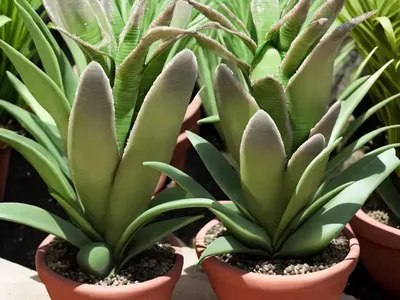
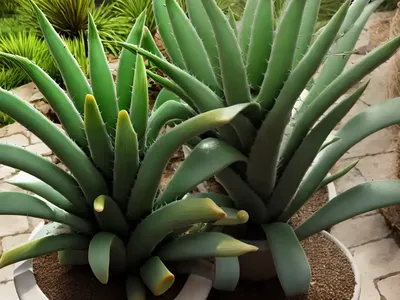
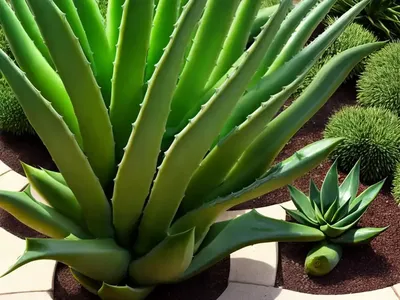
Daylily (Hemerocallis ‘Mission Moonlight’)
Daylilies (Hemerocallis) are beautiful and resilient herbaceous perennials that are a favorite among gardeners for their easy care and stunning blooms. The.
Introduction to Daylilies
Daylilies (Hemerocallis) are beautiful and resilient herbaceous perennials that are a favorite among gardeners for their easy care and stunning blooms. The name “daylily” comes from the Greek words “hemera,” meaning day, and “kallos,” meaning beauty, as each flower typically lasts for only one day. They belong to the family Liliaceae and are native to Eurasia, including China, Korea, and Japan.
With over 80,000 registered cultivars, daylilies are available in a wide range of colors, shapes, and sizes, making them valuable additions to landscapes and gardens. In this article, we will focus on one particular daylily variety, the Hemerocallis ‘Mission Moonlight.’ We will explore its characteristics, cultivation techniques, uses, and other important aspects for successfully growing and enjoying this beautiful plant.
Hemerocallis ‘Mission Moonlight’ Description
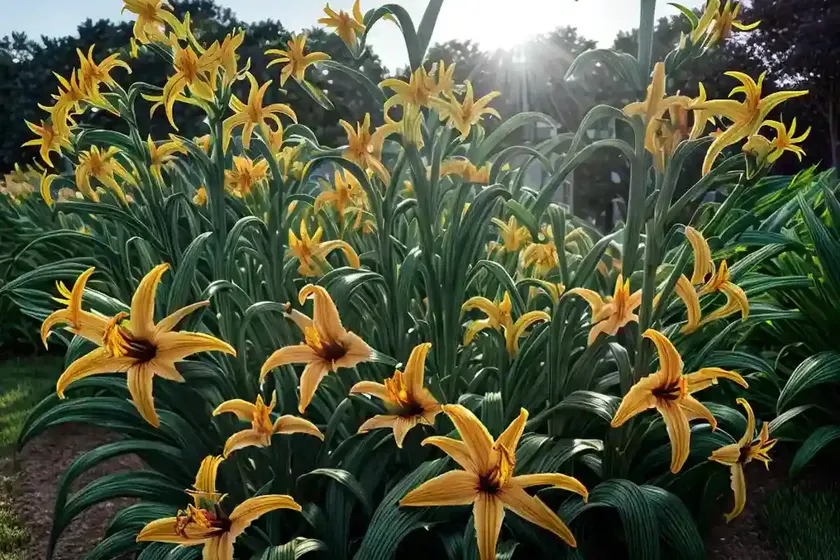
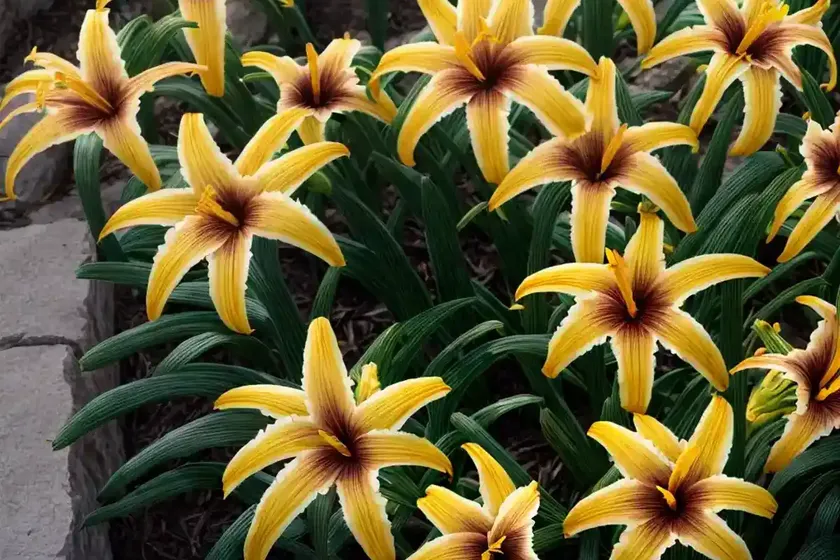
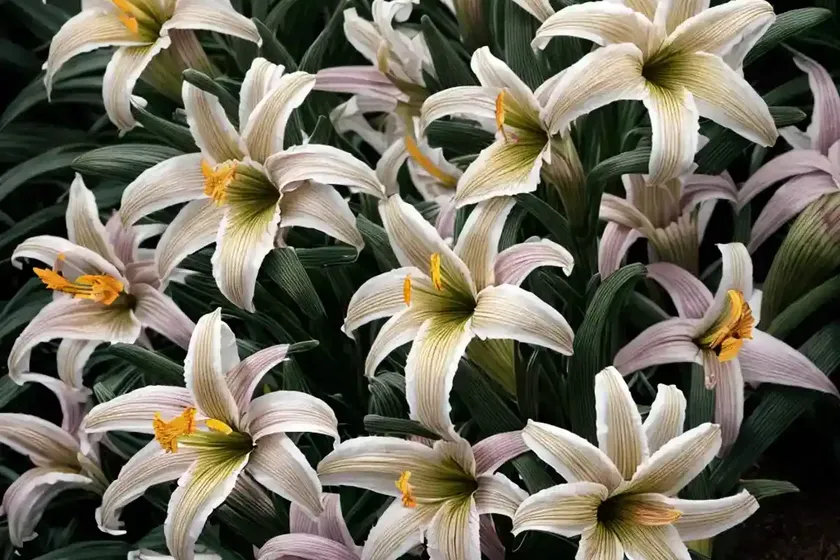
The Hemerocallis ‘Mission Moonlight’ is a stunning daylily cultivar known for its large, fragrant, cream-yellow flowers that boast a green throat. This variety typically blooms in midsummer and features sturdy stems that hold the blooms well above the foliage. The plant’s lush, arching green foliage forms an attractive clump and provides a beautiful backdrop for the enchanting flowers.
Key Takeaways – Daylily (Hemerocallis ‘Mission Moonlight’)
Culture
- Botanical Name: Hemerocallis ‘Mission Moonlight’
- Common Name: Daylily ‘Mission Moonlight’
- Plant Type: Herbaceous Perennial
- Mature Size: 24-30 inches in height, 18-24 inches in spread
- USDA Hardiness Zone: 3-9
Uses
- Garden Edging
- Mass Planting
- Mixed Borders
- Container Planting
Water
- Regular Watering: Adequate moisture during the growing season
- Drought Tolerance: Moderately Drought Tolerant Once Established
Sunlight
- Sun Exposure: Full Sun to Partial Shade
- Optimal Light: 6-8 hours of direct sunlight per day
Fertilizer
- Fertilization: Apply a Balanced Fertilizer in Spring
Soil
- Soil Type: Well-Draining, Loamy Soil
- Soil pH: Slightly Acidic to Neutral (6.0-7.0)
Pruning
- Pruning Requirement: Remove Spent Flower Stalks and Dead Foliage
- Dividing: Every 3-4 Years to Maintain Vigor
Propagation
- Propagation Methods: Division, Seed Propagation
Container Popularity
- Suitable for Containers: Yes
- Container Size: 12 inches or larger
Container Common Diseases
- Common Diseases: Crown Rot, Rust
Disease Diagnosis
- Symptoms: Yellowing Foliage, Lesions on Leaves
Common Pests
- Pest Issues: Aphids, Spider Mites
Botanist’s Tips
- Tip 1: To encourage prolific blooming, deadhead spent flowers regularly.
- Tip 2: Apply a layer of mulch around the base of the plant to retain moisture and suppress weed growth.
Fun Facts
- Daylilies are known for their edible flowers. The petals can be used to add color and a mild, sweet taste to salads and desserts.
- The name “daylily” is derived from the Greek words “hēmera,” meaning “day,” and “kalos,” meaning “beautiful.”
Hemerocallis ‘Mission Moonlight’ Care
Hemerocallis ‘Mission Moonlight’ Planting Guide
When cultivating the Hemerocallis ‘Mission Moonlight,’ it is essential to provide the right growing conditions to ensure its health and vitality. Here are the key care tips for successfully growing this stunning daylily cultivar:
- Location: Choose a planting site with well-draining soil and ample sunlight. Full sun to partial shade is ideal for robust growth and abundant flowering.
- Soil Preparation: Prepare the soil by incorporating organic matter, such as compost, to improve its texture and fertility. Daylilies thrive in loamy soil with a slightly acidic to neutral pH range.
- Planting Depth: Dig a hole that is wide and deep enough to accommodate the plant’s roots, and position the crown at soil level.
- Spacing: Space multiple plants approximately 18-24 inches apart to allow for adequate air circulation and prevent overcrowding.
Hemerocallis ‘Mission Moonlight’ Watering Needs
Proper watering is crucial for the well-being of Hemerocallis ‘Mission Moonlight.’ Here are some important considerations:
- Establishment Period: Water the newly planted daylilies regularly to support root establishment. Once established, they exhibit moderate drought tolerance and require less frequent watering.
- Moisture Level: Maintain even soil moisture during the growing season, especially during hot and dry periods. Mulching around the base of the plant can help retain soil moisture.
Hemerocallis ‘Mission Moonlight’ Fertilizing Tips
Fertilization plays a significant role in promoting healthy growth and vibrant blooms. Consider the following fertilizing guidelines:
- Timing: Apply a balanced, slow-release fertilizer in early spring as new growth emerges. Avoid excessive nitrogen, as it can lead to an abundance of foliage with fewer flowers.
- Application Rate: Follow the manufacturer’s recommendations regarding the application rate for the specific fertilizer being used.
Hemerocallis ‘Mission Moonlight’ Soil Preferences
The soil composition and pH level directly impact the plant’s nutrient uptake and overall health. Here are the soil preferences for Hemerocallis ‘Mission Moonlight’:
- Well-Draining Soil: It is essential to plant daylilies in well-draining soil to prevent waterlogged conditions, which can lead to root rot.
- Soil pH: Aim for a slightly acidic to neutral soil pH range of 6.0-7.0 for optimal nutrient availability and root development.
Hemerocallis ‘Mission Moonlight’ Sunlight Requirements
Daylilies thrive in locations with ample sunlight, but they can also tolerate partial shade. Consider the following sunlight requirements:
- Full Sun: Provide at least 6-8 hours of direct sunlight per day for robust growth and abundant flowering.
- Partial Shade: While daylilies prefer full sun, they can also thrive in locations with partial shade, especially in regions with intense afternoon sun.
Hemerocallis ‘Mission Moonlight’ Landscaping Ideas
The Hemerocallis ‘Mission Moonlight’ offers numerous opportunities for enhancing landscapes and gardens with its captivating flowers and lush foliage. Here are some exciting landscaping ideas and garden design concepts for incorporating this beautiful daylily cultivar:
- Mixed Border Planting: Combine Hemerocallis ‘Mission Moonlight’ with other perennials and ornamental grasses to create visually dynamic mixed borders, adding texture and color variation.
- Container Gardening: Showcase the stunning blooms of Hemerocallis ‘Mission Moonlight’ in containers and planters to bring color and elegance to patios, decks, and other outdoor spaces.
- Mass Plantings: Create impactful displays by mass planting Hemerocallis ‘Mission Moonlight’ in large drifts or groups, making a bold statement in garden beds or open landscapes.
Daylily ‘Mission Moonlight’ Flowering Season
The Hemerocallis ‘Mission Moonlight’ typically blooms in the midsummer months, producing an abundance of charming cream-yellow flowers with a delightful fragrance. The flowering season is a highlight for gardeners, and the striking blooms can serve as focal points in garden beds, borders, and other landscape settings. The long bloom period and vibrant flower colors make this daylily cultivar a valuable addition to any garden.
Hemerocallis ‘Mission Moonlight’ Foliage
The lush, arching foliage of Hemerocallis ‘Mission Moonlight’ forms an attractive clump that provides a verdant backdrop for the stunning flowers. The deep green leaves have a graceful appearance and contribute to the plant’s overall appeal throughout the growing season. Proper care, including adequate water and sunlight, is essential for maintaining healthy foliage and promoting robust growth.
Hemerocallis ‘Mission Moonlight’ Garden Benefits
In addition to their aesthetic appeal, daylilies offer several garden benefits, making them valuable additions to a wide range of landscapes and outdoor spaces:
- Pollinator Attraction: The vibrant flowers of Hemerocallis ‘Mission Moonlight’ attract pollinators such as bees, butterflies, and hummingbirds, contributing to the overall biodiversity of the garden.
- Low Maintenance: Daylilies are low-maintenance plants that require minimal care once established, making them ideal for busy gardeners and landscapes with varying levels of attention.
Hemerocallis ‘Mission Moonlight’ Cultivation
Successful cultivation of Hemerocallis ‘Mission Moonlight’ involves providing the right growing conditions and implementing proper care practices. When cultivated in the appropriate setting, this beautiful daylily cultivar can thrive and continually delight with its attractive foliage and enchanting flowers. Here are the key components of cultivating Hemerocallis ‘Mission Moonlight’ in a garden or landscape:
- Optimal Growing Conditions: Provide well-draining soil, ample sunlight, and sufficient moisture, as well as adequate spacing to allow for healthy growth and prolific flowering.
- Regular Maintenance: Maintain the plant by removing spent flower stalks, deadheading, and dividing clumps as needed to rejuvenate growth and prevent overcrowding.
Conclusion
In conclusion, Hemerocallis ‘Mission Moonlight’ is a captivating daylily cultivar that offers a wealth of beauty and charm to gardens and landscapes. Its stunning cream-yellow flowers and lush foliage make it a valuable addition to a wide range of outdoor settings, from mixed borders and garden beds to container plantings and mass displays. By understanding its specific care needs and cultivation requirements, gardeners can successfully grow and enjoy the captivating beauty of Hemerocallis ‘Mission Moonlight’ in their own outdoor spaces.
Hemerocallis ‘Mission Moonlight’ exemplifies the enduring appeal of daylilies, showcasing their resilience, versatility, and sheer beauty. Whether used as focal points, accent plants, or mass plantings, this enchanting daylily cultivar has the potential to enhance the visual appeal and ecological diversity of various landscapes, creating a lasting impact for garden enthusiasts and nature lovers alike.
References
- American Daylily Society. (n.d.). Daylilies 101. https://www.daylilies.org/daylilies-101/
- Missouri Botanical Garden. (n.d.). Hemerocallis ‘Mission Moonlight’. https://www.missouribotanicalgarden.org/PlantFinder/PlantFinderDetails.aspx?taxonid=262276&isprofile=0&
- University of Florida IFAS Extension. (2020, May 12). Daylilies for Florida. https://edis.ifas.ufl.edu/mg319