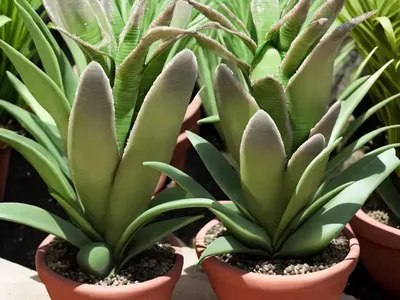
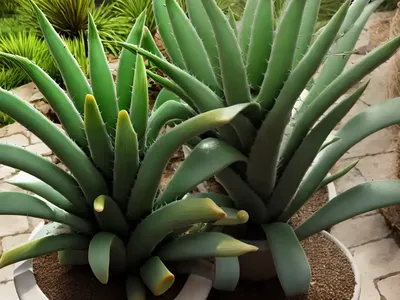
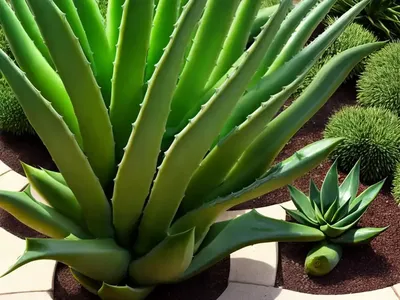
Daylily (Hemerocallis ‘Faith Nabor’)
Plants play a crucial role in nature, providing sustenance, beauty, and numerous other benefits. Among these plants, daylilies (Hemerocallis ‘Faith Nabor’).
Introduction to Daylilies
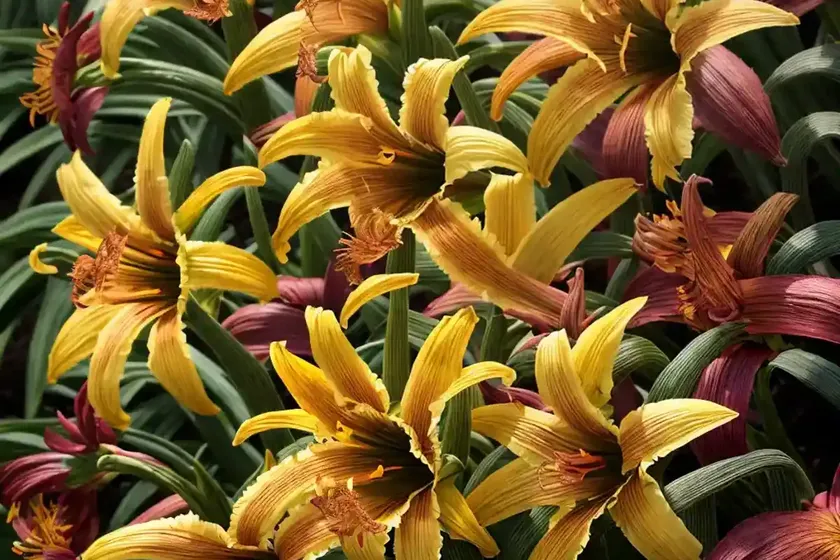
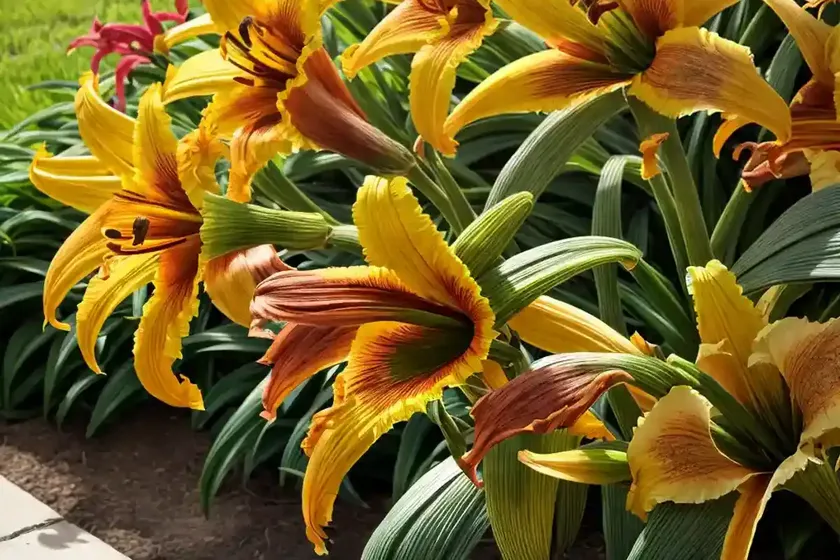
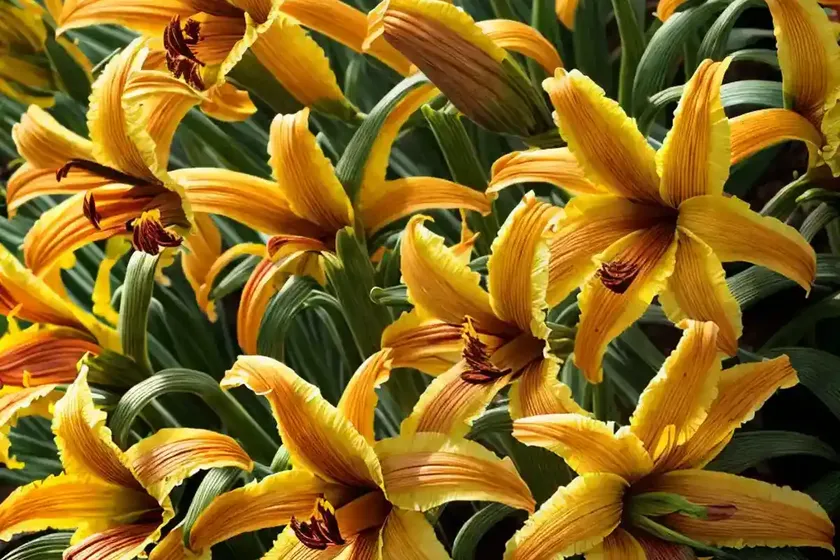
Plants play a crucial role in nature, providing sustenance, beauty, and numerous other benefits. Among these plants, daylilies (Hemerocallis ‘Faith Nabor’) stand out for their vibrant blooms and ease of care. In this blog post, we will delve into the world of daylilies, particularly focusing on the cultivar ‘Faith Nabor’, to understand their culture, uses, care requirements, and more.
What is a Daylily?
Daylilies are perennial plants belonging to the genus Hemerocallis, which is derived from Greek words meaning “beauty” and “day.” This is a fitting name for these plants, as each flower typically lasts only one day. However, each stem holds numerous buds, ensuring continuous blooming throughout the flowering season.
Daylilies are known for their adaptability and hardiness, making them popular choices among gardeners. They thrive in a variety of climates and soil conditions, adding a burst of color to landscapes. The ‘Faith Nabor’ cultivar, in particular, is cherished for its unique characteristics, including its striking blooms and low maintenance requirements.
Hemerocallis ‘Faith Nabor’: Key Takeaways
Before jumping into the details of daylily care and cultivation, let’s take a moment to skim through the key points that will be covered in this article.
- Culture
- Uses
- Water Requirements
- Sunlight Preferences
- Fertilization Needs
- Soil Conditions
- Pruning Techniques
- Propagation Methods
- Container Gardening
- Common Diseases
- Pest Management
- Botanist’s Tips
- Fun Facts
- Links to External Resources
Now, let’s explore each of these aspects in detail, unraveling the secrets of nurturing and enjoying the beauty of Hemerocallis ‘Faith Nabor’.
Culture
Cultivating Hemerocallis ‘Faith Nabor’ involves understanding its specific needs and growth patterns. Let’s take a closer look at the cultural requirements for this captivating daylily cultivar.
Uses
Daylilies, including the ‘Faith Nabor’ variety, are versatile plants that can be used in various settings. Some common uses include:
- Garden Borders: Their vibrant blooms and graceful foliage make daylilies an excellent choice for defining garden borders and pathways.
- Mass Plantings: Due to their ability to spread and form large clumps, daylilies are often used in mass plantings to create a striking visual impact.
- Erosion Control: Their dense root systems help prevent soil erosion, making them valuable in landscaping projects aimed at stabilizing slopes and embankments.
- Container Gardening: Compact daylily cultivars like ‘Faith Nabor’ are suitable for container gardening, adding color to patios, balconies, and other small spaces.
Water
Proper watering is essential for the health and vitality of Hemerocallis ‘Faith Nabor’. Understanding the water requirements of this daylily cultivar is crucial for ensuring its optimal growth and blooming.
Water Requirements
- Daylilies, including the ‘Faith Nabor’ variety, prefer moist, well-drained soil. They do not tolerate waterlogged conditions, which can lead to root rot and other issues.
- Established daylilies have moderate drought tolerance, but consistent watering during dry spells is beneficial for maintaining robust foliage and abundant blooming.
- Watering should be done at the base of the plant to avoid wetting the leaves, as this can contribute to fungal infections.
Sunlight
Like most daylilies, Hemerocallis ‘Faith Nabor’ thrives in sunny conditions, but it can also tolerate some shade. Understanding its sunlight preferences is essential for selecting the optimal planting location.
Sunlight Preferences
- Ideally, daylilies should receive at least 6 hours of direct sunlight daily for the best flowering performance.
- In hotter regions, providing some afternoon shade can help prevent sunscald and prolong the lifespan of the flowers.
- When grown in partial shade, daylilies may exhibit reduced blooming but will still maintain healthy foliage.
Fertilizer
Applying the right nutrients at the appropriate times is crucial for nourishing Hemerocallis ‘Faith Nabor’ and promoting vigorous growth and abundant flowering.
Fertilization Needs
- Daylilies benefit from a balanced, slow-release fertilizer applied in early spring as new growth emerges. A formulation such as 10-10-10 or 10-5-5 provides the necessary nutrients without promoting excessive foliage growth at the expense of flowers.
- Avoid over-fertilizing, as this can lead to lush greenery but sparse or delayed blooming.
Soil
Understanding the soil preferences of Hemerocallis ‘Faith Nabor’ is essential for creating an ideal growing environment and promoting its overall health and vigor.
Soil Conditions
- Daylilies thrive in well-draining, slightly acidic to slightly alkaline soil with a pH range of 6.0-7.5.
- Amending heavy clay soils with organic matter, such as compost or well-rotted manure, improves drainage and provides essential nutrients.
- Loose, fertile soils rich in organic matter support healthy root development and robust blooming in daylilies.
Pruning
Pruning is a straightforward but essential task in daylily care, ensuring tidy appearance and supporting the plant’s overall health and vitality.
Pruning Techniques
- Deadheading spent blooms regularly not only enhances the plant’s appearance but also encourages continuous flowering by redirecting its energy from seed production to new bud development.
- Removing yellowing or withered foliage promotes air circulation and reduces the risk of fungal diseases, contributing to a healthier plant overall.
Propagation
Propagating Hemerocallis ‘Faith Nabor’ allows gardeners to expand their stock of these beautiful daylilies and share them with other enthusiasts. Here are some common propagation methods for daylilies, including the ‘Faith Nabor’ cultivar.
Propagation Methods
- Division: Dividing mature clumps every 3-5 years in early spring or early fall rejuvenates the plants and produces new divisions for planting elsewhere.
- Seed Germination: While less commonly used due to variability in seedling traits, growing daylilies from seeds allows for the creation of new cultivars and genetic diversity within the Hemerocallis genus.
Container Gardening
For gardening enthusiasts with limited space or those looking to add colorful accents to their patios, balconies, or terraces, cultivating daylilies like Hemerocallis ‘Faith Nabor’ in containers is a fantastic option.
Container Gardening
- Choosing a well-draining potting mix and a spacious container with drainage holes ensures proper soil aeration and moisture management for potted daylilies.
- Regular watering and fertilizing are essential, as container-grown plants have limited access to soil nutrients and moisture.
- In regions with harsh winters, potted daylilies should be protected from freezing temperatures to prevent root damage.
Common Diseases
Despite their overall resilience, daylilies may be susceptible to certain diseases, and understanding the symptoms and management strategies is crucial for maintaining their health.
Disease Diagnosis
- Leaf Streak: This fungal disease manifests as elongated, sunken brown lesions on the foliage. Avoiding overhead watering and promptly removing infected leaves help prevent its spread.
- Crown Rot: Excessive moisture in poorly draining soils can lead to crown rot, characterized by wilting, yellowing, and dieback of the plant. Improving soil drainage and dividing overcrowded clumps can aid in preventing and managing this issue.
- Rust: This fungal infection causes reddish-brown pustules on the leaves, leading to defoliation and weakened plants. Fungicidal treatments and maintaining good air circulation minimize rust incidence.
Common Pests
While generally resistant to pests, daylilies may encounter occasional insect visitors, and being able to identify and address these pests promptly is essential for safeguarding the plants.
Pest Management
- Aphids: These small, soft-bodied insects congregate on the undersides of leaves, sucking sap and potentially transmitting viruses. Insecticidal soaps and horticultural oils effectively control aphid populations on daylilies.
- Thrips: Thrips cause silvery, stippled streaks on the foliage and buds, leading to distorted growth and reduced flowering. Neem oil and insecticidal sprays offer effective thrips management on daylilies.
Botanist’s Tips
Drawing from the expertise of experienced botanists and horticulturists, here are some valuable tips for successfully growing and enjoying Hemerocallis ‘Faith Nabor’ and other daylily varieties.
- Mulching: Applying a 2-3 inch layer of organic mulch around daylilies helps control weeds, conserve soil moisture, and moderate soil temperatures.
- Companion Planting: Pairing daylilies with companion plants like catmint, salvia, and coreopsis creates visually appealing combinations and attracts beneficial pollinators to the garden.
- Winter Protection: In colder climates, providing a layer of mulch or straw around the base of daylilies helps insulate the roots and protect them from winter frost.
Fun Facts
Exploring the fascinating world of daylilies uncovers several fun and interesting facts that add to the allure of these beautiful plants.
- Daylilies are not true lilies, belonging instead to the Hemerocallidaceae family and the Hemerocallis genus.
- In addition to their ornamental value, daylilies are edible and are utilized in various culinary preparations, particularly in Asian cuisine.
- The term “daylily” refers to the individual blooms lasting only a day, but each stem typically produces multiple flowers over an extended period.
Links to External Resources
For further exploration and in-depth information on daylilies, including the ‘Faith Nabor’ cultivar, the following external resources are highly recommended:
Now that we have delved into the intricacies of Hemerocallis ‘Faith Nabor’ and its cultivation, care, and characteristics, it is evident that these captivating daylilies are valuable additions to any garden or landscape. Their adaptability, stunning blooms, and low maintenance requirements make them beloved by gardeners and enthusiasts worldwide. With the knowledge gained from this comprehensive guide, you can confidently nurture and appreciate the timeless beauty of daylilies in general, and the unique qualities of Hemerocallis ‘Faith Nabor’ in particular.
In the words of Luther Burbank, the renowned botanist, and horticulturist, “Flowers always make people better, happier, and more helpful; they are sunshine, food, and medicine for the soul.” Embrace the joy and beauty of daylilies, and let the radiant blooms of Hemerocallis ‘Faith Nabor’ brighten your garden and your spirits.