What is Possumhaw (Ilex decidua)?
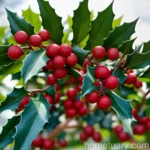
Possumhaw, scientifically known as Ilex decidua, is a deciduous holly native to the southeastern United States and neighboring areas of Mexico. This species is favored for its ornamental value, particularly its vibrant red berries that grace the landscape during the fall and winter. In addition to its aesthetic appeal, Possumhaw has garnered attention for its cultural significance, uses in landscaping, and environmental benefits.
In this comprehensive guide, we will delve into the various aspects of Possumhaw (Ilex decidua), including its culture, uses, environmental requirements, propagation, and common diseases and pests. By exploring the intricacies of this beautiful plant, you will gain valuable insights into how to care for and appreciate the Possumhaw in diverse settings.
Key Takeaways – Possumhaw (Ilex decidua)
Before we delve into the details of Possumhaw, let’s highlight some key takeaways about this captivating plant:
- Scientific Name: Ilex decidua
- Family: Aquifoliaceae
- Common Names: Deciduous Holly, Possumhaw Holly
- Native Range: Southeastern United States, Mexico
- Notable Feature: Brilliant red berries in the fall and winter
- Cultural Significance: Used in traditional ceremonies and crafts
- Environmental Benefits: Supports wildlife and adds seasonal interest to landscapes
Now, let’s explore the various aspects of Possumhaw in detail, from its cultural significance to its environmental requirements and practical uses in gardening and landscaping.
Culture
Understanding the cultural significance and traditional uses of Possumhaw sheds light on its historical and contemporary importance. This plant has been intertwined with cultural practices and local traditions, making it a cherished symbol in various communities.
Traditional and Cultural Uses
In many indigenous cultures, the Possumhaw holds ceremonial and practical significance. The vibrant red berries are often utilized in traditional crafts, ceremonies, and even herbal medicine. The berries symbolize vitality, renewal, and prosperity and are incorporated into rituals and celebrations during the fall and winter seasons.
Furthermore, the Possumhaw has been a source of inspiration for storytelling and folklore, with its striking appearance and seasonal cycles featuring in numerous cultural narratives. As a result, this plant has become deeply ingrained in the cultural fabric of the regions where it thrives, serving as a living connection to local traditions and customs.
Symbolism and Significance
The Possumhaw’s vibrant berries and deciduous nature have imbued it with symbolism related to transition, transformation, and the cyclical rhythms of nature. Its seasonal changes from lush green foliage to clusters of bright red berries signal the shifting of seasons and the abundance of life even in the quieter months. As a result, the Possumhaw embodies themes of resilience, adaptation, and the enduring beauty of the natural world.
Uses
Beyond its cultural and symbolic significance, the Possumhaw has found practical applications in various domains, including landscaping, environmental conservation, and wildlife support. The versatility of this plant makes it a valuable addition to diverse settings, enriching both natural and cultivated landscapes.
Landscaping and Ornamental Use
One of the primary uses of the Possumhaw is its role in landscaping and ornamental gardening. The plant’s striking red berries, which persist through fall and winter, make it a standout feature in gardens and public spaces. Whether planted as a focal point, hedge, or border shrub, the Possumhaw adds seasonal interest, attracting attention and admiration.
Moreover, landscaping with Possumhaw contributes to biodiversity and ecological balance, as it provides food and shelter for various wildlife species. Bird enthusiasts, in particular, appreciate the plant for attracting and sustaining diverse avian populations, creating vibrant and dynamic habitats.
Environmental Conservation
In addition to its ornamental value, the Possumhaw plays a crucial role in environmental conservation. As a native species, it is well-suited to local ecological conditions and supports the preservation of natural habitats. By incorporating Possumhaw into restoration projects, wetland gardens, and coastal landscapes, conservationists and gardeners can contribute to the protection of indigenous flora and fauna.
The plant’s ability to thrive in diverse environments, including wetlands and woodlands, enhances its utility in ecological restoration and sustainable land management. Its deep-rooted resilience makes it a valuable ally in efforts to promote biodiversity and resilience in vulnerable ecosystems.
Wildlife Support
Possumhaw’s significance extends beyond human-centered uses, as it actively contributes to wildlife support and conservation. The berries serve as a vital food source for birds, especially during the winter months when other resources may be scarce. The plant’s dense foliage also provides shelter and nesting sites for a variety of bird species, fostering robust and interconnected ecosystems.
In this way, Possumhaw demonstrates its multifaceted role in supporting wildlife and enhancing the ecological health of diverse landscapes. By attracting and nourishing wildlife, the plant exemplifies the interconnectedness of flora and fauna, emphasizing the importance of holistic and sustainable gardening practices.
Environmental Requirements
To cultivate Possumhaw successfully and harness its full potential, it is essential to understand and cater to its specific environmental requirements. From water and sunlight to soil composition and climate considerations, these factors play a pivotal role in nurturing healthy and thriving Possumhaw specimens.
Water
Possumhaw exhibits adaptability to varying levels of moisture, making it suitable for cultivation in different environments. While it can tolerate periodic dry spells, especially once established, adequate moisture is crucial for promoting vigorous growth and berry production. When planting Possumhaw, it is essential to provide consistent and moderate watering, particularly during the initial establishment phase.
In periods of drought or intense heat, supplemental watering may be necessary to sustain optimal growth and berry development. However, it is crucial to strike a balance, as excessive water accumulation can lead to root rot and other moisture-related issues, particularly in poorly drained soil.
Sunlight
Full to partial sunlight is ideal for cultivating Possumhaw, as it thrives in bright and open environments. While it can tolerate partial shade, ample sunlight is essential for robust growth, berry production, and foliage density. When selecting a planting site, prioritize locations with good sunlight exposure, taking into account the shifting solar patterns throughout the day and across seasons.
By providing sufficient sunlight, gardeners can ensure that Possumhaw exhibits its characteristic vigor and vitality, showcasing its vibrant red berries and lush foliage. Well-illuminated settings also contribute to the plant’s overall health and resilience, bolstering its capacity to withstand environmental stressors.
Soil
Possumhaw prefers well-drained, fertile soil with a slightly acidic to neutral pH range. Loamy or sandy loam soil types are well-suited to its needs, ensuring adequate drainage and moisture retention. Before planting, it is advisable to assess the soil composition and, if necessary, amend it with organic matter to enhance its nutrient content and structure.
Furthermore, incorporating mulch around the base of the plant can aid in moisture retention, temperature regulation, and weed suppression. Organic mulches, such as shredded bark or compost, contribute to soil health and provide an additional layer of protection for the root system, especially during extreme weather conditions.
Fertilizer
Prudent fertilization can bolster the growth and resilience of Possumhaw, especially when applied judiciously and in accordance with its specific nutritional requirements. When establishing new plantings, incorporating a balanced, slow-release fertilizer into the soil can provide essential nutrients that support root development and overall vigor.
During the growing season, periodic fertilization can further enrich the soil and promote robust foliage and berry production. Opt for a balanced fertilizer with a formulation designed for woody flowering shrubs, ensuring that it delivers adequate levels of essential macronutrients and micronutrients.
While fertilization is beneficial, it is essential to avoid overfeeding, as excessive nutrients can lead to imbalanced growth and susceptibility to certain diseases. By monitoring the plant’s response to fertilization and adjusting the application frequency and dosage as needed, gardeners can facilitate the healthy and harmonious development of their Possumhaw specimens.
Pruning
Pruning plays a crucial role in shaping the growth habit, aesthetics, and overall health of Possumhaw plants. By implementing strategic pruning practices, gardeners can enhance the plant’s form, maximize berry production, and promote long-term vitality.
Pruning Timing
The timing of pruning is a critical consideration, as it directly impacts the plant’s flowering and berry cycles. To maintain an abundant display of berries, it is advisable to prune older branches selectively immediately after the fruiting season. By removing a portion of the older wood each year, gardeners can stimulate vigorous new growth and encourage prolific berry production.
It is essential to avoid pruning during the active growth and flowering phases, as this can disrupt the natural rhythm of the plant and diminish the following year’s berry yield. By adhering to appropriate timing and techniques, gardeners can harness the full ornamental potential of their Possumhaw specimens while promoting their long-term vitality.
Pruning Techniques
When approaching the task of pruning Possumhaw, it is important to employ proper techniques to minimize stress and achieve desirable outcomes. Start by identifying and removing dead or diseased branches, promoting air circulation and reducing the risk of pathogen spread within the plant.
Selective thinning of dense growth can also enhance the plant’s overall structure and health, preventing overcrowding and optimizing sunlight penetration. Additionally, shaping the plant to achieve a balanced and aesthetically pleasing form contributes to its visual appeal and long-term vigor.
Pruning is a skill that entails a nuanced understanding of the plant’s growth patterns and seasonal rhythms, requiring thoughtful and deliberate actions to achieve the desired results. By honing their pruning techniques and adapting them to the unique characteristics of Possumhaw, gardeners can facilitate the plant’s flourishing and maintain its ornamental and ecological value.
Propagation
Propagating Possumhaw allows for the expansion of its presence in diverse landscapes and provides an opportunity to preserve and share its genetic diversity. Whether through seed propagation, cuttings, or other methods, cultivating new Possumhaw plants enables enthusiasts to leverage the species’ ornamental, ecological, and cultural potential.
Seed Propagation
Seed propagation is a viable and rewarding method for cultivating Possumhaw, offering an avenue to propagate multiple plants and introduce genetic diversity. The process begins by collecting mature berries from healthy Possumhaw specimens, extracting the seeds from the pulp, and preparing them for sowing.
Before planting, it is advisable to stratify the seeds by subjecting them to a period of cold, moist conditions to break their dormancy and enhance germination. Following stratification, sow the seeds in a prepared seedbed or containers, ensuring adequate moisture and light for germination and early growth.
As the seedlings develop, regular monitoring and care, including watering, fertilization, and protection from environmental stressors, are essential to facilitate their establishment. Seed propagation offers an accessible and enriching approach to expanding the presence of Possumhaw in various settings while honoring its legacy and significance.
Stem Cuttings
Propagating Possumhaw through stem cuttings presents an alternative method for multiplying the plant and preserving specific characteristics. Select healthy, vigorous branches and take softwood or semi-hardwood cuttings during the active growing season. Prepare the cuttings with a clean, sharp tool, ensuring a suitable length and removing excess foliage to reduce moisture loss.
Dip the cut ends in a rooting hormone to promote successful rooting and plant the cuttings in a well-draining rooting medium. Maintaining consistent moisture and warmth while protecting the cuttings from excessive heat and direct sunlight supports their rooting and subsequent growth.
Through attentive care and nurturing, gardeners can propagate new Possumhaw plants from stem cuttings, enriching their gardens and landscapes with additional specimens. This method enables the preservation of desirable traits and the cultivation of Possumhaw progeny that honor the plant’s heritage and ornamental allure.
Container Popularity
The versatility and ornamental appeal of Possumhaw make it well-suited to container cultivation, offering an opportunity to showcase its vibrant berries and lush foliage in diverse settings. Container gardening with Possumhaw enables individuals with limited space or specific design preferences to enjoy the plant’s seasonal beauty and ecological contributions.
Design Flexibility
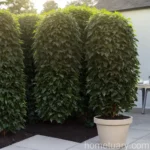
Container-grown Possumhaw plants provide design flexibility, allowing for creative arrangements on patios, balconies, and outdoor living spaces. The vibrant red berries and textured foliage serve as captivating focal points, adding visual interest and seasonal dynamism to container gardens and urban landscapes.
Furthermore, the compact size and adaptability of Possumhaw make it an appealing choice for container gardening, adapting well to a range of pot sizes and styles. Whether positioned individually or incorporated into mixed plantings, container-grown Possumhaw elevates the aesthetic and ecological appeal of outdoor spaces.
Seasonal Displays
Utilizing containers to showcase Possumhaw facilitates seasonal displays that highlight the plant’s evolving beauty and significance. As the berries transition from green to rich red hues during the fall, container-grown specimens become vibrant accents that enhance the seasonal ambiance and attract attention.
During the winter months, the persistent berries continue to adorn the container garden, infusing it with striking colors and natural charm. By incorporating Possumhaw into seasonal arrangements, individuals can celebrate the cyclical rhythms of nature and the enduring allure of this captivating plant.
Adaptation to Various Environments
Container gardening with Possumhaw accommodates diverse environmental conditions, enabling individuals to tailor the plant’s care and placement to suit their specific settings. By selecting containers with adequate drainage and utilizing a well-balanced potting mix, gardeners can create an optimal growing environment for the plant, promoting healthy growth and fruiting.
The adaptability of container-grown Possumhaw extends beyond residential landscapes to encompass public spaces, commercial settings, and community gardens, enriching urban and suburban environments with its ornamental and ecological contributions. Through thoughtful container gardening practices, Possumhaw enthusiasts can elevate the plant’s prominence and accessibility, fostering appreciation for its inherent beauty and environmental significance.
Common Diseases
While resilient and adaptable, Possumhaw is susceptible to certain diseases and environmental stressors that can impact its health and ornamental value. Familiarizing oneself with these potential ailments and their management is essential for maintaining vigorous and resilient Possumhaw specimens.
Anthracnose
Anthracnose, caused by various fungal pathogens, can affect the foliage and berries of Possumhaw, leading to unsightly spotting, discoloration, and premature leaf drop. In wet and humid conditions, the disease can spread rapidly, posing a risk to the plant’s overall vigor and ornamental appeal.
To manage anthracnose, implement cultural practices such as proper sanitation, adequate airflow, and selective pruning to reduce pathogen pressure and limit disease spread. Applying fungicidal treatments, particularly during periods of high disease pressure, can provide additional protection and mitigate the impact of anthracnose on Possumhaw.
Powdery Mildew
Powdery mildew, characterized by a white, powdery growth on foliage surfaces, can affect Possumhaw, compromising its aesthetic appeal and photosynthetic efficiency. This fungal disease thrives in high humidity and moderate temperatures, posing a risk during periods of prolonged moisture and reduced air circulation.
Cultural measures to combat powdery mildew include optimizing sunlight exposure, reducing humidity levels, and maintaining adequate spacing between plants to enhance ventilation. When necessary, applying horticultural oils or fungicidal treatments can effectively manage powdery mildew and minimize its impact on Possumhaw specimens.
Cercospora Leaf Spot
Cercospora leaf spot manifests as dark, circular lesions on the foliage of Possumhaw, impacting its visual appeal and photosynthetic function. During periods of prolonged moisture and high humidity, the disease can proliferate, necessitating proactive management to safeguard the plant’s health and vitality.
Practical strategies for addressing cercospora leaf spot include promoting excellent air circulation, watering at the base of the plant to minimize foliage wetting, and removing and disposing of infected leaves to reduce disease pressure. In cases of severe infection, employing targeted fungicidal treatments can mitigate the spread and impact of cercospora leaf spot on Possumhaw.
Disease Diagnosis
Identifying and diagnosing diseases that affect Possumhaw involves careful observation, knowledge of common ailments, and discernment of environmental factors that can influence plant health. By monitoring the plant for symptoms, conducting thorough assessments, and seeking expert guidance when necessary, gardeners can accurately diagnose and address potential diseases.
Symptom Recognition
Vigilant monitoring of the plant’s foliage, berries, and overall appearance is crucial for detecting symptoms associated with common diseases. Look for irregular spots, lesions, discoloration, and abnormal growth patterns, as these may indicate the presence of fungal or bacterial infections.
Additionally, pay attention to changes in the plant’s vigor, berry production, and foliage density, as these can provide valuable insights into its overall health and potential disease susceptibility. By familiarizing oneself with typical disease symptoms, gardeners can promptly identify and respond to emerging issues, minimizing their impact on Possumhaw specimens.
Environmental Assessment
Assessing the environmental conditions, such as moisture levels, humidity, and sunlight exposure, is integral to disease diagnosis and management. Certain diseases thrive under specific climatic and cultural conditions, making it imperative to consider these factors when evaluating disease prevalence and severity.
Furthermore, examining the neighboring plant species and assessing the overall ecological balance can provide context for disease occurrence and progression. By understanding the interconnected dynamics of the garden ecosystem, gardeners can adopt holistic approaches to disease diagnosis and management, ensuring the long-term health and resilience of Possumhaw and companion plants.
Professional Consultation
In instances where disease diagnosis proves challenging or requires specialized expertise, seeking guidance from horticultural professionals or plant pathologists can be invaluable. Their insight and diagnostic capabilities can elucidate complex disease issues, inform targeted management strategies, and help prevent future occurrences.
Professional consultations also provide an opportunity to access tailored recommendations and advanced disease management techniques, equipping gardeners with the knowledge and resources to safeguard the health and ornamental value of their Possumhaw specimens. By leveraging expert guidance, individuals can foster a proactive and informed approach to disease diagnosis and uphold the vigor and allure of their plants.
Common Pests
While generally resilient, Possumhaw can face pest pressures that necessitate proactive monitoring and management. Familiarizing oneself with common pests and their potential impact on the plant is essential for preserving its health and ornamental value.
Scale Insects
Scale insects, characterized by their immobile, waxy coverings, can infest the foliage and stems of Possumhaw, draining vital sap and compromising the plant’s vigor. Their presence can result in yellowing, wilting, and stunted growth, necessitating prompt intervention to mitigate potential damage.
Managing scale infestations involves targeted insecticidal treatments, mechanical removal of heavily infested branches, and cultural practices to enhance plant resilience. By addressing scale populations proactively, gardeners can safeguard the health and aesthetics of Possumhaw, limiting the impact of these challenging pests.
Aphids
Aphids, small sap-feeding insects, can colonize the tender shoots and new growth of Possumhaw, causing distortion, wilting, and potential virus transmission. Their rapid reproductive rates and aggregative behavior make them a persistent threat, necessitating vigilant monitoring and intervention to prevent population escalation.
Control measures for aphids include natural predators, such as ladybeetles and lacewings, which can help regulate populations in the garden ecosystem. Additionally, selective insecticidal treatments and horticultural oils can provide targeted protection while minimizing the impact on beneficial insects and the ecological balance.