

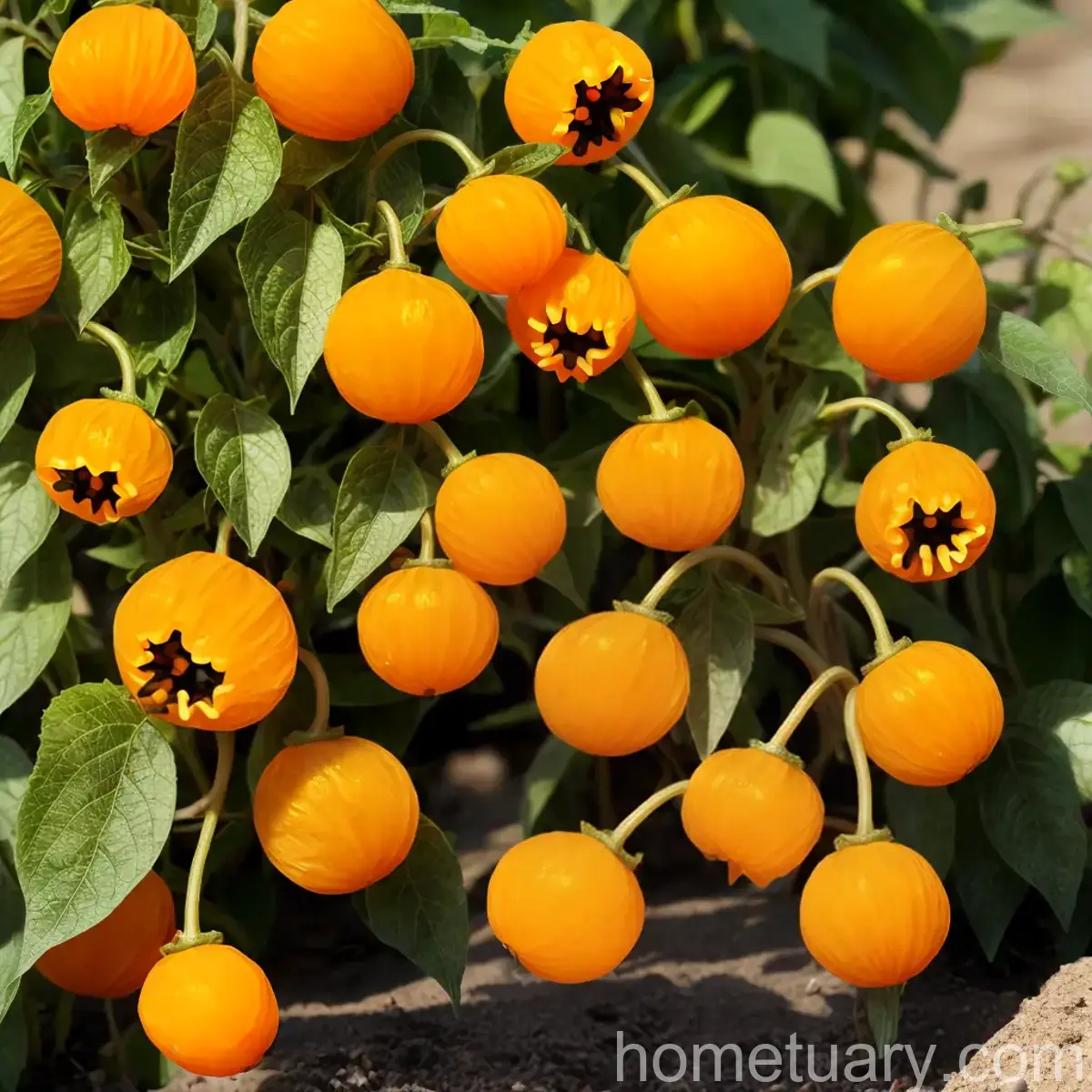
The Cutleaf Ground Cherry (Physalis Angulata)
Plants have always been an essential part of human life, providing food, oxygen, and aesthetic beauty. One such plant that has gained attention for its various uses and benefits is the Cutleaf Ground Cherry, scientifically known as Physalis Angulata. This blog post will delve into the culture, uses, care, and fascinating aspects of this intriguing plant.
What is Cutleaf Ground Cherry (Physalis Angulata)?
Physalis Angulata, commonly known as Cutleaf Ground Cherry, belongs to the Physalis genus and the Solanaceae family. It is a perennial plant that is native to the Americas and can be found in various habitats, including disturbed areas, roadsides, and agricultural fields. It is renowned for its edible fruits and has been used for culinary, medicinal, and ornamental purposes.
Key Takeaways – Cutleaf Ground Cherry (Physalis Angulata)
Before delving into the specific details of Physalis Angulata, let’s take a look at the key takeaways associated with this unique plant. The following sections will provide comprehensive insights into the culture, uses, care, and interesting facts about the Cutleaf Ground Cherry.
- Culture
- Uses
- Water
- Sunlight
- Fertilizer
- Soil
- Pruning
- Propagation
- Container Popularity
- Common Diseases
- Disease Diagnosis
- Common Pests
- Botanist’s Tips
- Fun Facts
- Links to External Resources
Culture of Cutleaf Ground Cherry (Physalis Angulata)
Understanding the cultural requirements of Physalis Angulata is fundamental for successfully cultivating and maintaining this plant. The following aspects contribute to the overall culture of the Cutleaf Ground Cherry:
- Climate: Physalis Angulata thrives in warm climates and is well-suited for cultivation in tropical and subtropical regions. It exhibits tolerance to a range of environmental conditions, making it adaptable to various climates.
- Growth Habit: This plant typically grows as a sprawling perennial, showcasing delicate foliage and distinctive lantern-like fruits.
- Growing Season: The growing season for Physalis Angulata extends from spring to late summer, during which it produces an abundance of fruits.
- Companion Planting: It is compatible with several companion plants, such as marigolds and basil, which can enhance its growth and protect it from potential pests.
Uses of Cutleaf Ground Cherry (Physalis Angulata)
The uses of Physalis Angulata are diverse, ranging from culinary applications to medicinal properties. Understanding its versatile applications can offer valuable insights into the significance of this plant:
- Culinary Uses: The fruits of Physalis Angulata are commonly utilized in jams, jellies, pies, and desserts due to their sweet and tangy flavor profile.
- Medicinal Applications: It has been used in traditional medicine for its purported therapeutic benefits, including anti-inflammatory and antioxidant properties.
- Ornamental Value: The distinct appearance of the lantern-like fruits adds ornamental value to gardens and landscapes, making it a popular choice for decorative purposes.
Water Requirements for Cutleaf Ground Cherry (Physalis Angulata)
Understanding the water requirements of Physalis Angulata is vital for maintaining optimal growth and overall plant health. Adequate watering practices contribute significantly to the successful cultivation of this plant:
- Watering Schedule: Physalis Angulata thrives in moderately moist soil, requiring regular watering during the growing season to support fruit development and overall growth.
- Drainage: Well-draining soil is essential to prevent waterlogging, which can lead to root rot and other detrimental conditions for the plant.
- Drought Tolerance: While it prefers consistent moisture, Physalis Angulata exhibits a degree of drought tolerance, making it relatively resilient in periods of water scarcity.
Sunlight Requirements for Cutleaf Ground Cherry (Physalis Angulata)
Sunlight plays a pivotal role in the growth and development of Physalis Angulata. Understanding its sunlight requirements is essential for creating an optimal growing environment:
- Sun Exposure: Physalis Angulata thrives in full sun to partial shade, requiring at least 6-8 hours of direct sunlight for robust growth and fruit production.
- Shade Tolerance: While it prefers ample sunlight, it can tolerate moderate shade, making it adaptable to a variety of garden settings and environmental conditions.
Fertilizer for Cutleaf Ground Cherry (Physalis Angulata)
Appropriate fertilization practices are critical for promoting vigorous growth and enhancing fruit production in Physalis Angulata. The following considerations are essential for effective fertilization:
- Nutrient Requirements: Physalis Angulata benefits from a balanced fertilizer with a slightly higher phosphorus content to support fruit development and overall plant vitality.
- Application Frequency: Fertilize the plant at the beginning of the growing season and supplement with additional applications every 4-6 weeks to maintain nutrient levels.
- Organic Options: Utilizing organic fertilizers, such as compost or well-decomposed manure, can provide a sustainable and environmentally friendly approach to nourishing Physalis Angulata.
Soil Considerations for Cutleaf Ground Cherry (Physalis Angulata)
The choice of the right soil type and quality greatly influences the performance and health of Physalis Angulata. Considering the following soil considerations is crucial for cultivating this plant successfully:
- Well-Draining Soil: Physalis Angulata thrives in well-draining, fertile soil that is rich in organic matter, providing an optimal foundation for root development and nutrient uptake.
- Soil pH: It prefers slightly acidic to neutral soil conditions, with a pH range of 6.0-7.0 being ideal for ensuring proper nutrient availability.
Pruning Techniques for Cutleaf Ground Cherry (Physalis Angulata)
Pruning plays a vital role in shaping the growth and productivity of Physalis Angulata, contributing to its overall vigor and fruit yield. The following pruning techniques can be employed for effective plant management:
- Deadheading: Regular removal of spent flowers and fruits can stimulate continuous flowering and fruiting, prolonging the harvest period.
- Thinning: Thin out excessive foliage and unproductive branches to promote air circulation and light penetration, reducing the risk of disease and enhancing fruit quality.
Propagation of Cutleaf Ground Cherry (Physalis Angulata)
Understanding the propagation methods of Physalis Angulata is essential for expanding its cultivation and ensuring genetic diversity. The following propagation techniques can be employed to propagate this plant:
- Seed Propagation: Physalis Angulata can be propagated from seeds, which should be sown in well-prepared soil and kept consistently moist until germination occurs.
- Division: The plant can also be propagated through division, where clumps of the plant are carefully separated and replanted in suitable growing locations.
Container Popularity of Cutleaf Ground Cherry (Physalis Angulata)
Physalis Angulata exhibits notable popularity as a container plant, offering versatility and ornamental appeal in various gardening settings:
- Container Selection: Choose well-draining containers with ample space for root development, allowing the plant to thrive and produce an abundant harvest.
- Balcony and Patio Gardening: Its compact growth habit and decorative fruits make it a popular choice for balcony and patio gardening, adding visual interest and culinary potential to small outdoor spaces.
Common Diseases Affecting Cutleaf Ground Cherry (Physalis Angulata)
Like any plant, Physalis Angulata is susceptible to certain diseases that can impact its growth and overall health. Familiarizing oneself with these common diseases is essential for effective disease management:
- Early Blight: Characterized by concentric rings on the leaves and dark lesions, early blight can affect the foliage and diminish fruit production if left unchecked.
- Powdery Mildew: A fungal infection that manifests as a powdery white coating on the leaves and stems, leading to reduced photosynthetic activity and overall plant vigor.
Disease Diagnosis and Management for Cutleaf Ground Cherry (Physalis Angulata)
Timely diagnosis and effective management strategies are crucial for combating diseases and preserving the health of Physalis Angulata. The following methods can be employed for disease diagnosis and management:
- Visual Inspection: Regularly inspect the plant for any signs of discoloration, lesions, or abnormal growth, which can indicate the onset of a disease.
- Cultural Practices: Implement proper sanitation, including the removal of affected plant parts and maintaining adequate spacing between plants to promote air circulation and reduce disease spread.
Common Pests Affecting Cutleaf Ground Cherry (Physalis Angulata)
Physalis Angulata is vulnerable to attacks from various pests that can compromise its vitality and fruit production. Identifying and addressing these common pests is essential for preserving the health of the plant:
- Aphids: These tiny, sap-sucking insects can colonize the undersides of leaves, leading to stunted growth and foliage distortion if infestations become severe.
- Spider Mites: These arachnids can cause stippling and webbing on the leaves, impairing the plant’s ability to photosynthesize and thrive.
Botanist’s Tips for Growing Cutleaf Ground Cherry (Physalis Angulata)
Harnessing the expertise of experienced botanists can offer valuable insights and tips for successfully growing Physalis Angulata. The following botanist’s tips can guide enthusiasts in cultivating and maintaining this plant:
- Consistent Monitoring: Regularly monitor the plant for any signs of stress, disease, or pest infestations, intervening promptly to address any issues that may arise.
- Adaptive Cultivation: Given its adaptable nature, Physalis Angulata can be cultivated in diverse environments, making it accessible to a wide range of gardening enthusiasts.
Fun Facts about Cutleaf Ground Cherry (Physalis Angulata)
Exploring the intriguing and lesser-known facets of Physalis Angulata can provide a deeper appreciation for this remarkable plant. Here are some fun facts about the Cutleaf Ground Cherry:
- Ethnobotanical Significance: Physalis Angulata holds cultural and ethnobotanical significance, being utilized in traditional medicine and culinary practices in various regions.
- Invasive Potential: In some areas, Physalis Angulata has exhibited invasive tendencies, requiring management to prevent its unchecked spread in natural ecosystems.
Links to External Resources
For additional information and resources on Physalis Angulata, refer to the following links:
- Royal Botanic Gardens, Kew
- United States Department of Agriculture (USDA) Plants Database
- The New York Botanical Garden
- Missouri Botanical Garden
Note: The links provided are for informational purposes and do not signify endorsement of specific content or organizations.
Conclusion
The Cutleaf Ground Cherry, or Physalis Angulata, is a fascinating plant with a rich history of culinary, medicinal, and ornamental usage. Its adaptable nature, distinctive fruits, and cultural significance make it a valuable addition to gardens and landscapes. Understanding its culture, uses, care requirements, and intriguing aspects can inspire a deeper appreciation for the unique attributes of this plant.
With its diverse applications and ornamental appeal, Physalis Angulata continues to captivate the interest of gardening enthusiasts, herbalists, and botanists alike. By embracing its cultural heritage and harnessing modern cultivation techniques, the Cutleaf Ground Cherry can flourish in diverse settings, offering a blend of culinary, medicinal, and aesthetic benefits to those who engage with this remarkable plant.
Note: The content of this article is intended for informational purposes only and should not be construed as professional gardening or medical advice. Readers are encouraged to consult appropriate professionals for guidance specific to their individual circumstances and needs.




