Chinese-lantern (Physalis Alkekengi): An Intriguing Plant with Vibrant and Versatile Usage

Plants not only add beauty to our surroundings but also hold cultural, medicinal, and culinary significance. One such captivating plant is the Chinese-lantern, scientifically known as Physalis Alkekengi. This enchanting plant has been cherished for its ornamental appeal, folklore, and diverse uses in various domains. In this extensive guide, we will delve into the world of Chinese-lantern, exploring its cultural significance, uses, cultivation requirements, and much more.
Key Takeaways – Chinese-lantern (Physalis Alkekengi)
Before we embark on our journey to uncover the intricacies of the Chinese-lantern plant, let’s have a sneak peek into the key takeaways that we will be discussing:
- Cultural Significance: Understand the symbolism and folklore associated with the Chinese-lantern plant.
- Uses: Explore the versatile usage of Physalis Alkekengi in traditional medicine, culinary arts, and dried arrangements.
- Cultivation: Learn about the optimal conditions required for its growth in terms of water, sunlight, fertilizer, soil, and pruning.
- Propagation: Uncover the methods for propagating the Chinese-lantern plant.
- Container Gardening: Discover its popularity and considerations for growing Chinese-lantern in containers.
- Common Diseases and Pests: Recognize the potential threats and effective diagnosis and control measures.
- Botanist’s Tips: Gain insights and recommendations from experts for cultivating and caring for Chinese-lantern.
- Fun Facts: Delight in some intriguing and lesser-known facts about Physalis Alkekengi.
- Links to External Resources: Access additional information and resources for an in-depth understanding of the Chinese-lantern plant.
Now, let’s immerse ourselves in the captivating world of the Chinese-lantern plant.
What is Chinese-lantern (Physalis Alkekengi)?
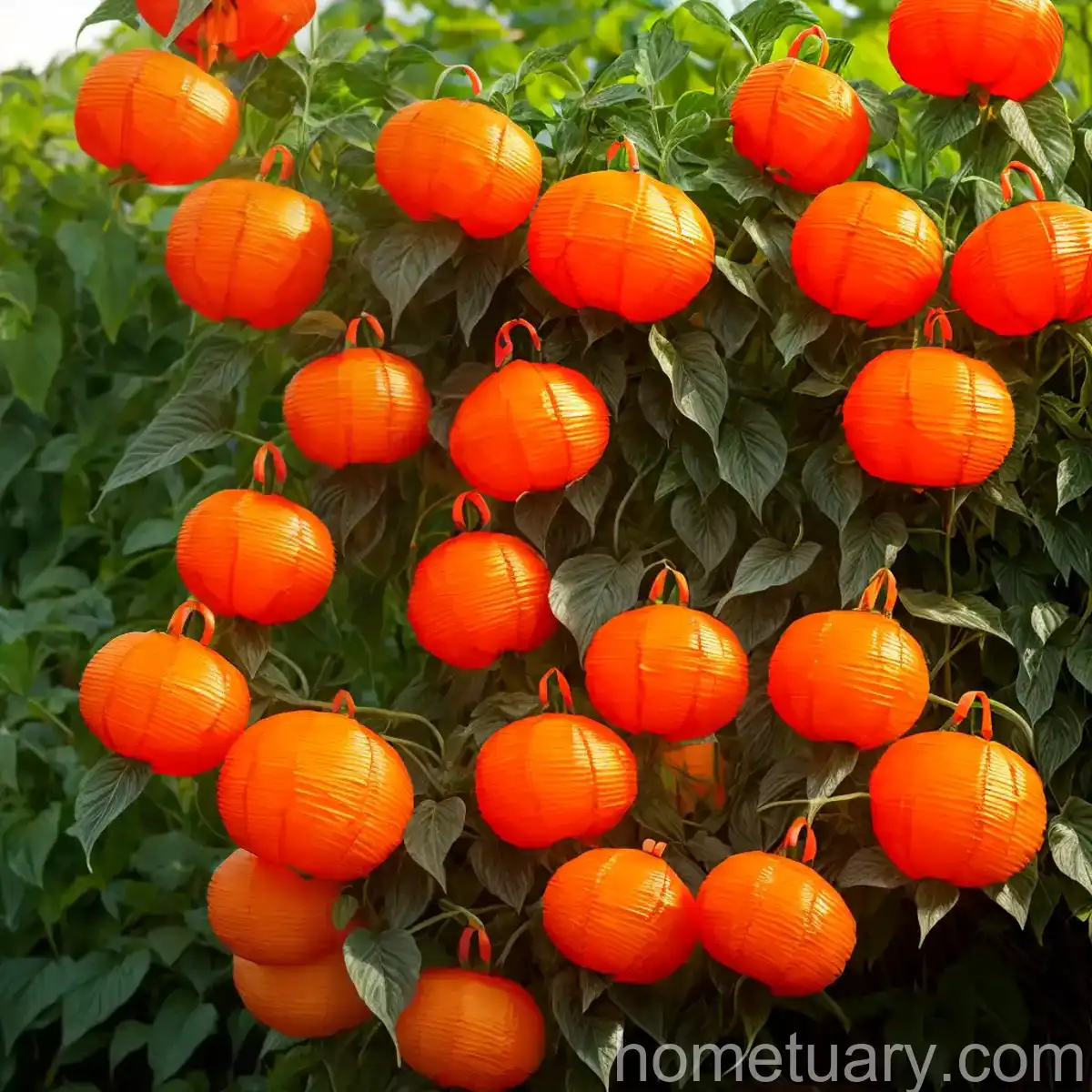
Native to regions of Southeast Europe and Asia, Physalis Alkekengi, commonly known as Chinese-lantern, is a perennial plant that belongs to the Solanaceae family. This enchanting plant is renowned for its striking orange to red papery husk, which encapsulates a small fruit that resembles a miniature lantern, hence earning its name “Chinese-lantern.”
The Chinese-lantern plant boasts an appealing ornamental display, particularly during the fall season when its vibrant lantern-like structures stand out amidst the foliage. Along with its aesthetic allure, Physalis Alkekengi holds cultural, medicinal, and culinary significance, making it a valuable plant in various aspects.
Let’s embark on a comprehensive exploration of the Chinese-lantern plant, unravelling its cultural symbolism, diverse uses, optimal cultivation practices, and much more.
Culture
Symbolism and Folklore
The Chinese-lantern plant holds rich symbolism and folklore, depicting diverse interpretations across different cultures. Here are some of the symbolic representations and folklore associated with Physalis Alkekengi:
- Symbolism of Light: The lantern-like appearance of the fruit has led to its association with light and illumination in various cultures. It is considered a symbol of radiance and hope, often used in floral arrangements and decorative displays to signify brightness and positivity.
- Harvest and Abundance: In some cultures, the Chinese-lantern plant symbolizes bountiful harvests and prosperity. Its vibrant orange color is reminiscent of autumn abundance, making it a popular element in seasonal decorations.
- Folklore in Traditional Medicine: Historically, the Chinese-lantern plant has been linked to traditional medicinal practices in certain regions. The fruit and other parts of the plant are believed to possess medicinal properties, contributing to its significance in folk medicine and herbal remedies.
The cultural significance of Physalis Alkekengi reflects its enduring appeal and the myriad interpretations associated with its captivating appearance.
Uses
Versatile Applications in Various Domains
The Chinese-lantern plant exhibits remarkable versatility in its usage, extending beyond the realm of ornamental landscaping. Let’s explore the diverse applications of Physalis Alkekengi:
Medicinal Uses
Physalis Alkekengi is renowned for its potential medicinal properties, with various parts of the plant being utilized in traditional herbal medicine. Some of the reported medicinal uses include:
- Anti-inflammatory Properties: Certain compounds present in Physalis Alkekengi are believed to possess anti-inflammatory properties, making it valuable in addressing inflammatory conditions.
- Antioxidant Benefits: The fruit of the Chinese-lantern plant contains antioxidants that are considered beneficial for overall well-being and health.
- Traditional Remedies: In certain traditional medicine practices, extracts or preparations derived from the Chinese-lantern plant are used to alleviate specific ailments and promote wellness.
The medicinal significance of Physalis Alkekengi highlights its potential therapeutic value in traditional healing practices.
Culinary Applications
In addition to its ornamental and medicinal attributes, the Chinese-lantern plant also finds application in culinary endeavors. Although not widely consumed, the fruit of Physalis Alkekengi has been utilized in various culinary creations, including:
- Decorative Elements: The vibrant appearance of the lantern-like fruit makes it a popular choice for garnishing and decorative accents in culinary presentations.
- Jam and Preserves: The fruit can be used to prepare jams, preserves, and sauces, adding a unique flavor and visual appeal to the culinary creations.
While not a staple in culinary practices, the fruit of the Chinese-lantern plant adds an intriguing touch to certain gastronomic delights.
Decorative and Dried Arrangements
The captivating visual appeal of the Chinese-lantern plant makes it a favored choice for decorative and dried arrangements. Whether used in floral compositions, wreaths, or ornamental displays, the vibrant hues and unique form of Physalis Alkekengi add an enchanting touch to various creations.
Water
Proper watering is crucial for the growth and health of the Chinese-lantern plant. Physalis Alkekengi thrives in moderately moist soil, and it is essential to maintain consistent moisture levels, especially during the active growing season. Here are some key considerations for watering the Chinese-lantern plant:
- Moderation is Key: Avoid overwatering, as excessive moisture can lead to root rot and other water-related issues. Allow the soil to partially dry out between watering sessions, ensuring that the plant does not experience prolonged periods of dryness.
- Seasonal Adjustments: During the hot summer months, the Chinese-lantern plant may require more frequent watering to combat the effects of heat and evaporation. Conversely, in cooler weather, adjust the watering frequency to prevent waterlogged soil.
- Early Morning Watering: Watering the plant in the early morning allows for optimal absorption and reduces the risk of fungal diseases that may develop in overly moist conditions.
By maintaining an appropriate watering regimen, you can promote the robust growth and vitality of Physalis Alkekengi.
Sunlight
The Chinese-lantern plant thrives in a sunny environment, benefitting from ample sunlight to support its growth and ornamental features. When considering the sunlight requirements for Physalis Alkekengi, these factors should be taken into account:
- Full to Partial Sun: Provide the Chinese-lantern plant with access to full or partial sunlight, ensuring that it receives at least 6 hours of direct sunlight per day. A well-lit location enhances the development of its vivid lantern-like fruits and supports overall plant vigor.
- Shelter from Harsh Afternoon Sun: In regions with intense and prolonged afternoon sunlight, consider providing some protection or partial shade to shield the plant from excessive heat and potential sun damage.
Optimizing the sunlight exposure for the Chinese-lantern plant contributes to robust growth and the development of its characteristic ornamental features.
Fertilizer
Appropriate fertilization supports the healthy growth and vibrancy of the Chinese-lantern plant, ensuring that it thrives and produces its captivating lantern-like fruits. When fertilizing Physalis Alkekengi, consider the following guidelines:
- Balanced Fertilizer: Use a balanced, all-purpose fertilizer with a relatively equal ratio of nitrogen, phosphorus, and potassium to provide essential nutrients for the plant’s development.
- Seasonal Application: Apply fertilizer in the early spring as new growth begins, and then again in mid-summer to sustain the plant’s nutrient requirements during its active growth phase.
- Moderation and Dilution: Avoid over-fertilization, as excessive nutrients can lead to excessive foliage growth at the expense of fruit production. Dilute the fertilizer as per the manufacturer’s instructions and apply it evenly around the root zone.
By employing a well-calibrated fertilization regimen, you can bolster the vigor and visual appeal of the Chinese-lantern plant.
Soil
The choice of suitable soil is pivotal in ensuring the optimal growth and vitality of the Chinese-lantern plant. Physalis Alkekengi thrives in well-draining, fertile soil that offers the necessary support and nutrients for its development. Consider the following soil considerations for cultivating the Chinese-lantern plant:
- Well-Draining Medium: Select soil that possesses good drainage properties, preventing waterlogging that can endanger the plant’s roots. Incorporate organic matter such as compost or well-rotted manure to enhance the soil’s texture and nutrient content.
- pH Level: Physalis Alkekengi prefers slightly acidic to neutral soil pH, ranging between 6.0 to 7.0. Conduct a soil test to ascertain the pH level and make appropriate amendments if necessary.
- Adequate Nutrient Content: Ensure that the soil is rich in essential nutrients, particularly nitrogen, phosphorus, and potassium, to support the Chinese-lantern plant’s growth, flowering, and fruiting.
Cultivating the Chinese-lantern plant in well-suited soil conditions lays the foundation for its robust growth and ornamental allure.
Pruning
Pruning plays a pivotal role in maintaining the health, form, and ornamental appeal of the Chinese-lantern plant. By employing strategic pruning techniques, you can ensure a well-shaped and vibrant display of Physalis Alkekengi. Here are some key considerations for pruning the Chinese-lantern plant:
- Seasonal Pruning: Conduct pruning during the late winter or early spring to remove any dead, damaged, or overgrown branches. This encourages fresh growth and enhances the overall vigor of the plant.
- Shaping and Control: Trim the Chinese-lantern plant to maintain a desirable form and size, preventing it from becoming unruly or overcrowded. Consider the plant’s natural growth habits and aesthetic objectives while pruning.
- Harvesting Fruit Stems: If you intend to use the lantern-like fruits for decorative or ornamental purposes, selectively harvest the mature fruit stems as they ripen. This not only provides material for creative endeavors but also promotes the plant’s overall health and vitality.
Strategic and timely pruning ensures the Chinese-lantern plant retains its visual appeal and vigor, flourishing with renewed vitality each season.
Propagation
Introducing new Chinese-lantern plants through propagation allows for the expansion of their ornamental allure and provides an opportunity to share their captivating presence. Physalis Alkekengi can be propagated through various methods, including:
- Seed Propagation: Gather ripe seeds from the fruit and sow them in a well-prepared seed-starting medium. Provide adequate warmth and moisture to support germination and develop healthy seedlings for subsequent transplantation.
- Division: Dividing established clumps of the Chinese-lantern plant allows for the creation of new plants with minimal effort. Carefully separate the root clumps and transplant them into suitable growing sites to facilitate their establishment.
- Softwood Cuttings: Take softwood cuttings from the Chinese-lantern plant during the active growing season and initiate new plantings through these cuttings. Provide appropriate moisture and environmental conditions to encourage root development and subsequent growth.
Engaging in propagation techniques broadens the presence of the Chinese-lantern plant, fostering its enchanting beauty in new settings and landscapes.
Container Popularity
The captivating ornamental appeal of the Chinese-lantern plant has spurred its popularity in container gardening, offering a portable and visually striking display for outdoor and indoor settings. When cultivating Physalis Alkekengi in containers, consider the following factors:
- Container Selection: Choose a well-sized container with adequate drainage holes, ensuring that the Chinese-lantern plant has sufficient space for root development and growth.
- Potting Medium: Utilize a well-draining potting mix that provides a stable and favorable environment for the plant’s roots while allowing excess moisture to escape.
- Sunlight Considerations: Position the container in a location that receives ample sunlight, aligning with the sunlight requirements of the Chinese-lantern plant to support its ornamental and growth aspects.
Effectively incorporating the Chinese-lantern plant in container gardening settings adds a captivating touch to outdoor spaces, patios, and indoor enclaves.
Common Diseases
The Chinese-lantern plant, like any other botanical marvel, encounters potential threats from diseases that can affect its health and vigor. Being vigilant and proactive in identifying and addressing common diseases is crucial for safeguarding the vitality of Physalis Alkekengi. Some of the prevalent diseases that may impact the Chinese-lantern plant include:
- Powdery Mildew: Characterized by the development of powdery white patches on the leaves and stems, powdery mildew can hinder the plant’s photosynthetic capabilities and aesthetic appeal.
- Leaf Spot Diseases: Various fungi and bacterial pathogens can cause leaf spot diseases, resulting in the formation of discolored spots, lesions, or blemishes on the leaves.
- Root Rots: Excessive moisture or poorly draining soil can lead to root rot issues, jeopardizing the health and stability of the Chinese-lantern plant’s root system.
- Botrytis Blight: Often prevalent in humid or damp conditions, botrytis blight can affect the flowers and foliage of the Chinese-lantern plant, leading to decay and deterioration.
Vigilance in monitoring for signs of disease and prompt intervention through appropriate treatments and management strategies are pivotal for preserving the Chinese-lantern plant’s well-being.
Disease Diagnosis
Effective disease diagnosis is essential for identifying and addressing potential health issues affecting the Chinese-lantern plant. When observing the plant for signs of disease, consider the following diagnostic guidelines:
- Visual Assessments: Regularly inspect the plant for abnormal discolorations, spots, lesions, or distortions on the leaves, stems, and fruit.
- Environmental Conditions: Evaluate the prevailing environmental factors, such as moisture levels, air circulation, and sunlight exposure, to understand the potential influence of these variables on disease development.
- Professional Consultation: If unsure about the cause of observed symptoms or experiencing challenges in disease diagnosis, seek guidance from experienced horticulturists or plant health professionals for accurate assessment and recommendations.
Through meticulous observation and informed diagnosis, you can implement timely interventions to mitigate the impact of diseases on the Chinese-lantern plant.
Common Pests
In addition to potential diseases, the Chinese-lantern plant may encounter encounters with various pests that can compromise its health and visual allure. Understanding the common pests that may afflict Physalis Alkekengi enables proactive management and mitigation. Some of the prevalent pests that may target the Chinese-lantern plant include:
- Aphids: These small, sap-sucking insects can colonize the foliage and stems of the plant, leading to distortions, wilting, and the secretion of sticky honeydew.
- Spider Mites: Infestations of spider mites can result in the development of webbing on the plant’s foliage, leading to discoloration, reduced vigor, and overall decline in health.
- Whiteflies: Whiteflies are notable for causing stippling, yellowing, and distortion on the leaves of the Chinese-lantern plant, impacting its photosynthetic capacity and aesthetic appeal.
By adopting vigilant monitoring and employing effective pest control measures, you can safeguard the Chinese-lantern plant from the detrimental impact of pest infestations.
Botanist’s Tips
Cultivating and caring for the Chinese-lantern plant entails a nuanced understanding of its requirements and growth habits. Seasoned botanists and horticulturists offer valuable insights and recommendations to support the successful cultivation of Physalis Alkekengi. Consider the following tips and guidelines from botanists and gardening experts:
- Prune with Precision: Employ precise and strategic pruning techniques to maintain the desired form and vigor of the Chinese-lantern plant while promoting its ornamental attributes.
- Moderate Watering: Strive for consistent moisture levels by practicing moderation in watering, ensuring that the plant’s roots receive adequate hydration without being subjected to waterlogging.
- Sunlight Optimization: Position the Chinese-lantern plant in a well-lit location that aligns with its sunlight requirements, fostering robust growth while accentuating its ornamental appeal.
- Regular Monitoring: Engage in routine observation and monitoring of the plant for signs of disease, pests, or nutrient deficiencies, allowing for timely intervention and management.
By incorporating insights from experienced botanists, you can enhance the vitality and visual allure of the Chinese-lantern plant.
Fun Facts
Uncover some intriguing and lesser-known facts about the Chinese-lantern plant, adding an element of fascination to its captivating presence:
- Seasonal Transformations: Physalis Alkekengi undergoes fascinating seasonal transformations, with its foliage and fruits transitioning in appearance throughout the year, contributing to its dynamic ornamental allure.
- Global Cultivation: The enchanting appeal of the Chinese-lantern plant has led to its cultivation in various regions across the globe, showcasing its enduring popularity and visual allure in diverse landscapes.
- Cultural Elegance: The presence of the Chinese-lantern plant in folklore, traditional medicine, and decorative arts underscores its enduring cultural significance and visual elegance.
Delight in these fun facts that shed light on the captivating charm and cultural resonance of the Chinese-lantern plant.
Links to External Resources
For further exploration and in-depth understanding of the Chinese-lantern plant, access the following external resources:
- Botanical Gardens and Arboretums: Visit local botanical gardens and arboretums to admire the enchanting presence of Physalis Alkekengi and gain insights into its cultivation and significance.
- Horticultural Societies: Engage with horticultural societies and gardening clubs to connect with fellow enthusiasts and experts, exchanging knowledge and experiences related to the Chinese-lantern plant.
- Expert Publications and Journals: Access reputable horticultural publications and academic journals that delve into the botanical, cultural, and practical aspects of Physalis Alkekengi, providing valuable insights and recommendations.
Dive into these external resources to broaden your understanding and appreciation of the captivating world of the Chinese-lantern plant.
In conclusion, the Chinese-lantern plant, with its captivating allure, cultural significance, and versatile applications, stands as an intriguing botanical marvel that captivates and enriches the natural realm. By unraveling its cultural symbolism, exploring its diverse uses, and understanding the optimal cultivation practices, we gain a deeper appreciation for the enduring beauty and versatility of Physalis Alkekengi. Embrace the enchanting presence of the Chinese-lantern plant, celebrating its ornamental elegance and cultural resonance as it continues