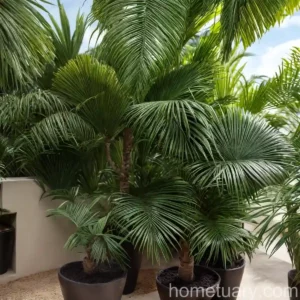
The Cuban Royal Palm (Roystonea Regia)
Plants play a crucial role in the ecosystem, offering numerous benefits to humans and the environment. In this blog post, we will explore the Cuban Royal Palm, scientifically known as Roystonea Regia. This majestic palm tree is not only visually stunning but also contributes to various cultural, ecological, and practical aspects. We will delve into its cultural significance, uses, preferred growing conditions, common diseases and pests, propagation methods, and much more.
What is a Plant: Cuban Royal Palm (Roystonea Regia)
The Cuban Royal Palm, or Roystonea Regia, is a species of palm belonging to the family Arecaceae. With its tall, slender stature and gracefully arching fronds, it is often regarded as one of the most iconic and stately palm trees in tropical landscapes. This species is native to Cuba and other parts of the Caribbean and has been introduced to various tropical and subtropical regions worldwide for its ornamental value.
Key Takeaways – Cuban Royal Palm (Roystonea Regia)
Before we delve into the specific details of the Cuban Royal Palm, let’s take a quick look at the key takeaways regarding this majestic plant.
- Scientific Name: Roystonea Regia
- Common Names: Cuban Royal Palm, Royal Palm Tree
- Family: Arecaceae
- Native Habitat: Cuba and the Caribbean region
- Cultural Significance: Symbolism in Cuban heritage and landscaping
- Uses: Ornamental landscaping, construction material, medicinal applications, and more
- Preferred Growing Conditions: Tropical to subtropical climate, well-draining soil, adequate sunlight and water
- Diseases and Pests: Vulnerable to certain diseases and pests, requiring regular inspection and care
- Propagation: Via seeds and division
- Lifespan: Long-lived, with proper care and maintenance
Now, let’s dig deeper into each of these aspects to gain a comprehensive understanding of the Cuban Royal Palm and how to cultivate and care for this magnificent species.
Culture
Cultural Significance
The Cuban Royal Palm holds significant cultural value, particularly in its native region of Cuba. It is often regarded as a national symbol and has been featured in various forms of art, literature, and architecture. In Cuban heritage, the palm is associated with strength, elegance, and resilience, often admired for its tall, graceful stance that stands out in the tropical landscape. The palm tree has become intertwined with the identity and landscape of Cuba, representing the country’s natural beauty and heritage.
Symbolism
In addition to its cultural significance in Cuba, the Cuban Royal Palm holds symbolism in various other tropical and subtropical regions where it is cultivated. It is often associated with themes of tropical paradise, luxury, and relaxation, making it a popular choice for landscaping around resorts, hotels, and coastal properties. The palm’s towering presence and graceful fronds evoke a sense of serenity and tranquility, making it a beloved symbol of tropical environments.
Uses
Ornamental Landscaping
One of the primary uses of the Cuban Royal Palm is for ornamental landscaping. Its towering height and striking appearance make it a desirable choice for creating focal points in tropical and subtropical gardens, parks, and public spaces. The palm’s wide-reaching canopy provides excellent shade and adds a sense of grandeur to the landscape, especially when planted in groups or avenues. Additionally, the palm’s smooth, gray trunk adds visual appeal and contrasts well with lush green foliage.
Construction Material
Beyond its ornamental value, the palm has practical uses in construction. The trunk of the Cuban Royal Palm is utilized for various purposes, including crafting furniture, building materials, and traditional handicrafts. Its strong and lightweight nature makes it suitable for creating durable items such as furniture frames, roof thatching, and decorative carvings. In some regions, the palm’s leaves are used for weaving traditional thatch roofs and crafts.
Medicinal Applications
In certain traditional medicine practices, different parts of the Cuban Royal Palm are used for their perceived medicinal properties. The palm’s extracts and oils have been utilized in natural remedies for conditions such as skin ailments, inflammations, and digestive issues. While scientific research on the medicinal benefits is limited, the palm holds cultural and traditional significance in herbal medicine practices.
Ecological Importance
From an ecological standpoint, the Cuban Royal Palm plays a vital role in providing habitat and resources for various wildlife species. Birds, insects, and small animals often seek shelter and nesting sites within the palm’s canopy, contributing to the overall biodiversity of the ecosystem. Furthermore, the palm’s seeds and fruits serve as a food source for certain bird and mammal species, supporting local wildlife populations.
Water
Watering Requirements
Ensuring adequate water supply is crucial for the healthy growth of the Cuban Royal Palm, especially during the establishment phase and in periods of drought. When planting new specimens, it is essential to provide regular watering to facilitate root establishment and promote overall vigor. Once established, the palm exhibits moderate drought tolerance but benefits from occasional deep watering, particularly during dry spells.
Watering Tips
Here are a few key tips to consider when watering the Cuban Royal Palm:
- Establishment Phase: Newly planted palms should receive regular, consistent watering to support root development. This is essential for ensuring proper establishment and reducing transplant shock.
- Deep Watering: Instead of frequent shallow watering, focus on providing deep, thorough watering sessions. This encourages the development of a strong and extensive root system capable of accessing deeper soil moisture.
- Drought Conditions: During prolonged periods of drought or hot weather, increase the frequency of watering to prevent water stress. Pay attention to signs of wilting or yellowing fronds, which may indicate insufficient moisture levels.
Sunlight
Sunlight Requirements
As a tropical species, the Cuban Royal Palm thrives in locations with abundant sunlight. It is well-adapted to full sun exposure and requires direct sunlight for a significant portion of the day to maintain its health and vigor. When planted in shaded or partially shaded areas, the palm may exhibit reduced growth rates and vigor, and its overall appearance may be less impressive compared to specimens grown in optimal sunlight conditions.
Sunlight Tips
Here are some tips for managing sunlight requirements for the Cuban Royal Palm:
- Optimal Exposure: Plant the palm in an open, sunny location where it can receive ample natural light throughout the day. Avoid planting in areas where it may be shaded by buildings, tall trees, or other structures.
- Morning Sun: While the palm can tolerate intense sunlight, it may benefit from some protection against the harshest midday sun, particularly in hotter climates. Planting it in a location that receives morning sunlight and partial shade during the hottest part of the day can help prevent stress.
- Indoor Cultivation: When grown as a houseplant, ensure that the palm is placed near a bright window or in a location with access to sufficient natural light. Supplemental artificial lighting can be used to meet its sunlight requirements if natural light is limited.
Fertilizer
Fertilization Practices
Proper fertilization is essential for promoting healthy growth and maintaining the lush appearance of the Cuban Royal Palm. While the palm is relatively low-maintenance once established, it can benefit from regular fertilization to replenish essential nutrients in the soil. A balanced, slow-release fertilizer formulated for palm trees can support robust growth and vibrant foliage.
Fertilizer Application
Consider the following guidelines for fertilizing the Cuban Royal Palm:
- Timing: Apply fertilizer during the growing season, typically in spring and summer when the palm is actively growing. Avoid fertilizing during the cooler months when growth slows down.
- Even Distribution: Spread the fertilizer evenly around the root zone of the palm, ensuring that it is distributed within the drip line. This allows the roots to access the nutrients effectively.
- Watering After Application: After applying the fertilizer, water the palm thoroughly to encourage the nutrients to penetrate the soil and reach the root system.
Soil
Soil Preferences
The Cuban Royal Palm thrives in well-draining soil with good aeration properties. It is adaptable to a range of soil types, including sandy loam, sandy, or calcareous soils, as long as they offer adequate drainage and do not become waterlogged. Poorly drained or compacted soils can lead to root rot and other issues, so it is crucial to ensure that the palm is planted in a soil mix that promotes healthy root development.
Soil Preparation
When preparing the planting site for the Cuban Royal Palm, consider the following soil preparation practices:
- Amending Soil: If the existing soil is heavy clay or poorly draining, amend it with organic matter such as compost or peat moss to improve its structure and drainage capabilities.
- Raised Beds: In areas with persistently wet or waterlogged soils, consider creating raised beds or mounded planting areas to elevate the root zone above the water table.
- Soil pH: The palm tolerates a wide pH range, but slightly acidic to slightly alkaline soils are generally suitable. Conduct a soil test to assess pH levels and make adjustments if necessary.
Pruning
Pruning Practices
Proper pruning helps maintain the Cuban Royal Palm’s aesthetic appeal and promotes its overall health. While the palm naturally sheds older fronds over time, occasional pruning may be necessary to remove dead or damaged fronds, seed pods, or flower stalks. Additionally, pruning can help eliminate potential safety hazards, such as overhanging fronds that pose a risk to structures or passersby.
Pruning Tips
Follow these tips for effective pruning of the Cuban Royal Palm:
- Dead Frond Removal: Regularly remove any dead or yellowing fronds to maintain a tidy appearance and prevent the accumulation of debris within the canopy.
- Caution with Green Fronds: Avoid pruning live, green fronds unnecessarily, as this can impact the palm’s ability to photosynthesize and produce energy. Only remove green fronds if they pose a safety risk or are interfering with structures.
- Professional Services: Consider hiring professional arborists or tree care specialists for large-scale pruning jobs, especially when dealing with tall or mature specimens. Safety precautions and specialized equipment are essential for handling palm tree pruning at heights.
Propagation
Seed Propagation
The primary method of propagating the Cuban Royal Palm is from seeds. Follow these general steps for seed propagation:
- Seed Collection: Harvest seeds from mature, healthy palms. Clean away any remaining fruit pulp or debris from the seeds.
- Seed Treatment: Some growers soak the seeds in warm water for 24-48 hours to soften the seed coat and aid in germination.
- Germination: Plant the seeds in a well-draining potting mix, ensuring that they are partially buried and kept consistently moist. Germination can take several weeks to a few months, and the development of a strong root system is critical during this stage.
- Transplanting: Once the seedlings have developed several sets of true leaves and a robust root system, they can be carefully transplanted into individual containers or prepared for outdoor planting.
Division Propagation
In some cases, the Cuban Royal Palm can also be propagated via division if multiple stems or offshoots are present. When dividing the palm, ensure that each new section has its own portion of the root system to support its growth. This method is typically employed for established palms that have developed multiple trunks or suckers that can be separated to create new plants.
Container Popularity
The Cuban Royal Palm’s striking appearance and adaptability make it a popular choice for container cultivation in tropical and subtropical regions. In addition to its use as a landscape specimen, the palm is often grown in large containers to create dramatic focal points in outdoor spaces, gardens, and patios. Container-grown palms offer the flexibility to be moved or rearranged as needed, making them suitable for both residential and commercial settings.
Container Requirements
When cultivating the Cuban Royal Palm in containers, consider the following requirements for optimal growth:
- Container Size: Select a large, sturdy container with sufficient depth and width to accommodate the palm’s root system. This allows ample room for root expansion and stability.
- Drainage Holes: Ensure that the container has adequate drainage holes to prevent waterlogging and facilitate proper aeration of the soil.
- Quality Potting Mix: Use a well-draining potting mix formulated for palm trees, or create a custom mix using components such as coarse sand, peat moss, and perlite to promote optimal drainage.
Common Diseases
Disease Susceptibility
While the Cuban Royal Palm is generally resilient, it is susceptible to certain diseases and disorders that can impact its health and appearance. Common diseases and disorders that may affect this species include:
- Lethal Yellowing: An often fatal disease caused by a phytoplasma that can affect various palm species. It leads to the yellowing and rapid decline of the palm’s foliage and can result in the eventual death of the tree if left untreated.
- Ganoderma Butt Rot: A fungal disease that causes decay and weakening of the palm’s trunk, often leading to the collapse of the canopy and eventual death of the tree.
- Fusarium Wilt: This soil-borne fungal disease can affect the vascular system of the palm, resulting in wilting, decline, and potential death of the tree.
Prevention and Management
To prevent and manage diseases, consider the following practices:
- Regular Inspection: Routinely inspect the palm for signs of disease, including yellowing or browning fronds, wilting, or unusual growths on the trunk.
- Prompt Treatment: If symptoms of disease are observed, seek professional diagnosis and treatment options to address the specific issue. Early intervention can significantly improve the chances of recovery.
- Cultural Practices: Implement good cultural practices, such as adequate watering, proper fertilization, and avoiding mechanical damage to the trunk, to promote overall plant health and resilience against diseases.
Common Pests
Pest Vulnerability
Despite its robust nature, the Cuban Royal Palm can be susceptible to certain pests and insects that may target its foliage, trunk, or roots. Common pests that may affect this palm species include:
- Palm Weevils: These large beetles can inflict substantial damage to the palm’s trunk by burrowing into the soft tissue, leading to wilting and potential death of the tree.
- Red Palm Mites: Tiny mites that feed on the palm’s leaves, causing stippling, discoloration, and reduced vigor.
- Palm Aphids: These sap-sucking insects can infest the palm’s foliage, leading to deformation, yellowing, and reduced photosynthetic capacity.
Pest Management
To manage pest infestations, consider the following approaches:
- Integrated Pest Management: Implement an integrated approach to pest control, incorporating techniques such as cultural practices, biological control, and selective pesticide application when necessary.
- Regular Monitoring: Keep a close eye on the palm for signs of pest activity, including leaf discoloration, wilting, or the presence of insects on the foliage.
- Natural Predators: Encourage the presence of natural predators, such as ladybugs and lacewings, which can help control pest populations without the need for extensive chemical treatments.
Botanist’s Tips
To cultivate and care for the Cuban Royal Palm successfully, consider the following botanist’s tips:
- Soil Drainage: Prioritize well-draining soil to prevent waterlogging, especially in areas with heavy rainfall or irrigation.
- Wind Protection: While the palm is tolerant of coastal conditions, providing some protection from strong, salt-laden winds can help prevent leaf damage and desiccation.
- Regular Nutrient Applications: Monitor the palm’s growth and appearance to gauge its nutrient requirements, and adjust fertilization as needed to maintain vigor.
- Proper Pruning Techniques: Engage in regular maintenance pruning to remove dead fronds and floral structures, but avoid excessive removal of healthy foliage.
Fun Facts
To round off our exploration of the Cuban Royal Palm, here are a few fun and interesting facts about this iconic species:
- National Tree of Cuba: The Cuban Royal Palm holds the distinction of being the national tree of Cuba, showcasing its cultural significance.
- Tall Stature: It is one of the tallest palm species, capable of reaching heights of over 90 feet in its native habitat.
- Historical Uses: Indigenous peoples of the Caribbean region historically utilized various parts of the Cuban Royal Palm for practical and cultural purposes, including construction, thatching, and as a food source.
- Iconic Landscapes: The palm is often featured in iconic tropical landscapes, including botanical gardens, resorts, and coastal settings, adding a touch of elegance and grandeur to these environments.
Links to External Resources
For further exploration of the Cuban Royal Palm and related topics, consider visiting the following external resources:
In conclusion, the Cuban Royal Palm, or Roystonea Regia, exemplifies the grandeur and beauty of tropical landscapes, offering cultural significance, practical uses, and ecological value. By understanding its preferred growing conditions, potential challenges, and unique characteristics, we can appreciate and care for this iconic species, ensuring its continued presence in tropical and subtropical environments around the world. Whether admired for its symbolic significance, ornamental beauty, or practical applications, the Cuban Royal Palm stands as a testament to the enduring allure of palm trees in our natural and cultural heritage.