Red Latan Palm (Latania Lontaroides): A Comprehensive Guide for Plant Enthusiasts

Red Latan Palm, scientifically known as Latania lontaroides, is a stunning palm species that brings a tropical touch to any landscape. Its vibrant red petioles and lush green fronds make it a popular choice for garden enthusiasts. In this comprehensive guide, we’ll explore everything from its cultural requirements and common uses to its maintenance and propagation techniques. Whether you’re new to gardening or a seasoned plant enthusiast, this guide aims to provide you with all the necessary information to help your Red Latan Palm thrive.
What is Red Latan Palm (Latania lontaroides)?
Red Latan Palm, also known as Latania lontaroides, is a species of palm native to the Mascarene Islands in the Indian Ocean. It belongs to the Arecaceae family and is prized for its striking appearance, making it a popular choice for landscaping in tropical and subtropical regions. The palm gets its name from the vibrant red petioles, which create a striking contrast against the lush green fronds, adding a dramatic aesthetic to any garden or landscape.
Key Takeaways – Red Latan Palm (Latania lontaroides)
Culture
Red Latan Palm is revered for its stunning aesthetic appeal and relatively low-maintenance requirements. Its cultural needs play a crucial role in ensuring its optimal growth and overall health. Here are some key cultural considerations for cultivating Red Latan Palm:
- Hardiness Zone: Red Latan Palm thrives in USDA Hardiness Zones 10-11, making it suitable for tropical and subtropical climates.
- Soil: Well-draining, nutrient-rich soil is essential for the healthy growth of Red Latan Palm. A mixture of loam and organic matter can provide the ideal growing medium.
- Watering: Adequate moisture is crucial, especially during the establishment phase. While the palm is drought-tolerant once established, regular watering is essential for optimal growth.
- Sunlight: Red Latan Palm flourishes in full sunlight to partial shade. It should be placed in a location that receives ample sunlight for a significant portion of the day.
- Temperature: It thrives in warm temperatures and is susceptible to damage in frost-prone areas.
- Fertilization: A balanced, slow-release fertilizer can help support the palm’s growth and development, especially during the growing season.
Uses
Red Latan Palm boasts several uses that make it a valuable addition to both residential and commercial landscapes. Its aesthetic appeal and versatility contribute to its widespread use in various settings. Some common uses of Red Latan Palm include:
- Landscaping: The palm’s striking appearance and minimal maintenance needs make it a popular landscaping choice, adding a tropical touch to gardens, parks, and public spaces.
- Ornamental Plant: With its vibrant red petioles and lush, arching fronds, Red Latan Palm serves as an eye-catching ornamental plant in both indoor and outdoor settings.
- Focal Point: When strategically placed, the palm can serve as a focal point in a landscape, drawing attention and adding visual interest.
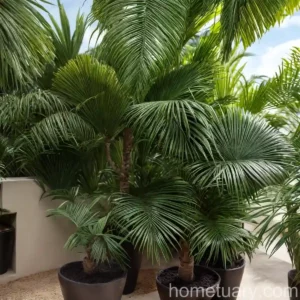
- Container Planting: Red Latan Palm is suitable for container planting, allowing enthusiasts to bring a tropical flair to patios, balconies, and other confined spaces.
- Wildlife Habitat: The palm’s fruits and foliage provide food and shelter for various wildlife species, contributing to the ecological significance of the plant.
Water
Proper watering is essential for the health and vitality of Red Latan Palm. While the palm exhibits some level of drought tolerance once established, consistent and adequate moisture is crucial, especially during the establishment phase and dry periods. Here are some key considerations for watering Red Latan Palm:
- Establishment Phase: Newly planted Red Latan Palm requires frequent watering to promote root establishment and initial growth. Water the palm deeply and ensure that the soil remains consistently moist but not waterlogged.
- Mature Palm: Once established, Red Latan Palm exhibits moderate drought tolerance. However, regular watering during prolonged dry spells is still necessary to prevent stress and maintain the palm’s overall health.
- Signs of Overwatering: Excessive moisture can lead to root rot and other complications. Watch for symptoms such as yellowing fronds, wilting, and waterlogged soil, indicating the need to adjust the watering frequency.
Sunlight
Adequate sunlight is essential for the optimal growth and development of Red Latan Palm. As a sun-loving species, it thrives in locations that receive ample sunlight for a significant portion of the day. Here are some important considerations regarding sunlight requirements for Red Latan Palm:
- Full Sun: Red Latan Palm flourishes in full sunlight, making it ideal for open areas and sun-drenched landscapes.
- Partial Shade: While it prefers full sun, the palm can tolerate partial shade, especially during the hottest part of the day. Providing some shade in intense heat can prevent leaf scorch and stress.
Fertilizer
Fertilization plays a crucial role in providing Red Latan Palm with essential nutrients for robust growth and vibrant foliage. Employing a balanced, slow-release fertilizer can help support the palm’s nutritional needs. Here are some key considerations for fertilizing Red Latan Palm:
- Fertilization Schedule: Apply fertilizer to Red Latan Palm during the growing season, typically from spring to early fall. Avoid fertilizing in winter when the plant’s growth slows down.
- Balanced Formula: A fertilizer with a balanced NPK ratio, along with micronutrients, can support the overall health of Red Latan Palm. Look for a slow-release formula to provide a steady supply of nutrients over time.
- Application Technique: Spread the fertilizer evenly around the base of the palm and water thoroughly to encourage nutrient absorption.
Soil
The soil composition directly impacts the health and vitality of Red Latan Palm. Providing a well-draining, nutrient-rich growing medium is crucial for the palm’s long-term success. Here are some considerations for soil requirements:
- Drainage: Well-draining soil is essential to prevent waterlogging and root rot. Consider amending heavy clay soils with organic matter to improve drainage.
- Nutrient Content: A soil mixture rich in organic matter and essential nutrients can support the palm’s growth. Incorporating compost or well-rotted manure can enhance the soil’s fertility.
- pH Levels: Red Latan Palm thrives in slightly acidic to neutral soil (pH 6.0-7.0). Conduct a soil test to assess the pH and make necessary adjustments to create an ideal growing environment for the palm.
Pruning
Pruning is an essential maintenance practice for Red Latan Palm, ensuring a tidy appearance and overall health. Proper pruning techniques can help remove dead or damaged fronds and promote strong, healthy growth. Here are some key considerations for pruning Red Latan Palm:
- Removing Dead Fronds: Regularly remove dead or yellowing fronds to maintain the palm’s aesthetic appeal and prevent potential pest and disease issues.
- Pruning Tools: Use sharp, sterile pruning shears to make clean cuts and minimize the risk of introducing pathogens.
- Safety Measures: Exercise caution when pruning Red Latan Palm, especially when working with taller specimens. Protective gear, such as gloves and safety glasses, can prevent injuries during pruning activities.
Propagation
Propagation techniques enable enthusiasts to expand their Red Latan Palm collection and share the beauty of the species with others. While propagation may require some patience, it can be a rewarding process. Here are some common methods for propagating Red Latan Palm:
- Seed Propagation: Harvest mature seeds from the palm and plant them in a well-draining, moist growing medium. Keep the soil consistently moist and provide warmth to encourage germination.
- Offshoot Division: Mature Red Latan Palm specimens may produce offshoots or pups that can be carefully separated from the parent plant and potted individually. Ensure that each offshoot has its own root system for successful establishment.
Container Popularity
Red Latan Palm’s adaptability to container planting makes it a popular choice for individuals with limited garden space or those looking to bring a tropical touch to their patios, balconies, or indoor spaces. The palm’s stunning aesthetic appeal and relatively low maintenance needs make it well-suited for container cultivation. Choosing a container that provides adequate room for root development and employing a well-draining potting mix are essential considerations for successful container planting.
Container Common Diseases
While Red Latan Palm is relatively resilient, it can be susceptible to certain diseases, especially when grown in containers. Understanding common container diseases and their symptoms can help enthusiasts take timely preventive measures. Here are some common diseases that may affect Red Latan Palm in container cultivation:
- Fungal Diseases: Overly moist conditions can lead to fungal infections, causing symptoms such as leaf spots, yellowing fronds, and overall decline.
- Root Rot: Waterlogged soil in containers can create ideal conditions for root rot pathogens, leading to wilting, yellowing, and stunted growth.
Disease Diagnosis
Diagnosing diseases in Red Latan Palm is crucial for implementing effective treatment strategies and preventing further spread. Observing the plant for unusual symptoms and promptly addressing any signs of disease can help maintain its overall health. When diagnosing diseases in Red Latan Palm, consider the following factors:
- Symptom Observation: Look for unusual discoloration, wilting, spots, or deformities on the fronds. Examine the foliage, stems, and overall growth for signs of distress.
- Environmental Conditions: Assess the growing conditions, including watering practices, sunlight exposure, and soil moisture, to identify potential factors contributing to disease development.
- Professional Consultation: When in doubt, seek input from experienced gardeners, horticulturists, or plant pathologists for accurate disease diagnosis and treatment recommendations.
Common Pests
While relatively resilient, Red Latan Palm may face pest pressures under certain conditions. Recognizing common pests and their impact on the palm’s health is essential for implementing appropriate pest management strategies. Here are some common pests that may affect Red Latan Palm:
- Scale Insects: These tiny, sap-feeding insects can cluster on the fronds and stems, leading to yellowing, wilting, and overall decline.
- Mealybugs: Mealybugs can infest the palm, especially in crevices and leaf axils, causing honeydew secretion, wilting, and yellowing.
Botanist’s Tips
Gardening enthusiasts often seek insider tips from botanists to enhance their plant care practices and promote the optimal growth of their green companions. When it comes to cultivating Red Latan Palm, consider the following tips from experienced botanists and gardeners:
- Provide Adequate Space: Allow sufficient room for the palm to grow and spread, considering its mature size and root system. Crowded planting can lead to competition for resources and an unsightly appearance.
- Monitor Moisture Levels: Regularly check the soil moisture and adjust the watering frequency based on the palm’s needs and environmental conditions. Avoid overwatering, especially in container cultivation.
Fun Facts
Getting to know fun and intriguing facts about Red Latan Palm can deepen one’s appreciation for this remarkable species. Whether you’re a seasoned plant enthusiast or just starting your gardening journey, here are some fun facts about Red Latan Palm to pique your interest:
- Historical Significance: Red Latan Palm has been cherished for centuries, with historical records of its use in landscaping and ornamental plantings.
- Wildlife Attraction: The palm’s fruits and foliage provide food and shelter for various wildlife species, contributing to its ecological significance as a habitat plant.
- Aesthetic Appeal: The vibrant red petioles and lush green fronds make Red Latan Palm a visually captivating addition to any landscape.
Links to External Resources
For additional insights into caring for Red Latan Palm and expanding your plant knowledge, explore the following reputable resources:
- Royal Horticultural Society: The RHS offers valuable plant care guides and expert insights on a wide range of ornamental plants, including palms.
- University Extension Services: Various university extension services provide in-depth articles, fact sheets, and resources on gardening, horticulture, and plant care.
- Plant Pathology Journals: Access scholarly articles and research papers on plant diseases and their management to deepen your understanding of disease diagnosis and treatment.
Conclusion
Red Latan Palm, or Latania lontaroides, stands out as a captivating addition to any garden or landscape, thanks to its vibrant red petioles, lush green fronds, and overall tropical allure. By understanding and implementing the recommended cultural practices, enthusiasts can ensure the optimal growth and long-term health of this stunning palm species. From watering and sunlight requirements to disease management and propagation techniques, this comprehensive guide aims to equip plant enthusiasts with the knowledge and insights needed to cultivate Red Latan Palm successfully.
Whether you’re planning to incorporate Red Latan Palm into your garden, explore container cultivation, or simply appreciate the species’ aesthetic appeal, embracing the care guidelines and insights outlined in this guide can pave the way for a rewarding and thriving plant-care experience. With the right approach, Red Latan Palm can serve as a striking focal point in landscapes, a cherished ornamental plant, and a valuable habitat contributor in various environments.
By combining a passion for plant care with the knowledge provided in this guide, enthusiasts can embark on a fulfilling journey of cultivating and appreciating the beauty of Red Latan Palm in all its splendor.